


 Price:

Crystal grade and serving size set the dosing problem
Fine caster sugar, standard granulated sugar and coarse decorative crystals do not occupy the same volume at the same mass. Humidity can also change flow between the first dry startup and a later production hour. Record the crystal size, target weight, permitted deviation and expected ambient condition before a dosing device is accepted. The old function notes mention several possible filling methods, but the stored specification does not identify one confirmed mechanism for this article, so the delivered dosing arrangement must be shown rather than inferred.
Test the smallest commercial serving first because a minor carryover or cutoff error represents a larger percentage of a small dose. Then repeat at the largest intended fill. Individual results matter more than a single average: weigh consecutive sticks after startup, after a hopper refill and near low product level, and retain any underweight or overweight samples with the machine setting that produced them.
| Sugar condition | Likely effect | Trial evidence |
|---|---|---|
| Fine, dry crystals | They may run quickly and continue moving after the dosing gate closes. | Consecutive weights and cutoff observation |
| Coarse crystals | Large pieces can change volumetric consistency or interfere at a narrow outlet. | Dose spread at the smallest serving |
| Humid or compacted sugar | Flow can slow, bridge or release in irregular slugs. | Low-level hopper test after realistic exposure |
| Flavoured sugar blend | Minor ingredients may segregate during feeding. | Visual blend check at startup and batch end |
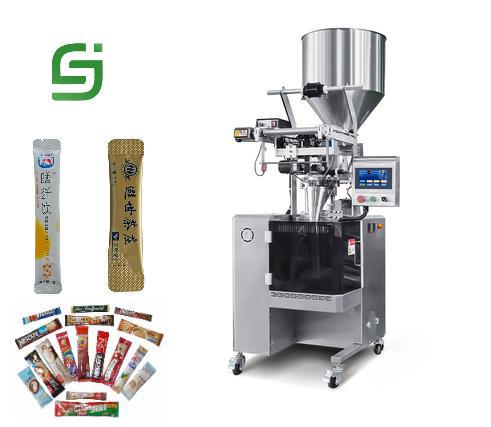
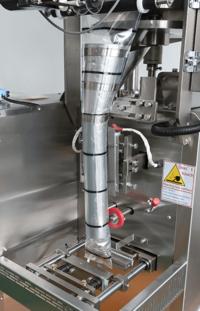
The former fixes stick width while the screen controls length
The stored dimensions are 30-170 mm long and 30-130 mm wide. The legacy notes correctly distinguish the two adjustments: length is entered on the control, while a different width normally requires the matching former and film width. That difference belongs in the quotation. A buyer planning 5 g coffee sticks and wider condiment sachets should list both finished drawings so change parts, roll widths and setup time are visible before purchase.
A weight study should cover transitions, not only stable running
A short demonstration can miss the conditions that create giveaway. Divide the run into startup, steady production, refill, low hopper and restart phases. Keep each phase separate when results are reviewed. If the machine uses an adjustment factor, record who may change it and how many packs are checked before production resumes. A retained sample board with the measured weight written on each stick is more useful than an unlabeled bag sent after the trial.
Confirm the sugar leaves the measuring area cleanly without a late trickle into the seal path.
Run below the normal hopper level and watch for bridging or a change in portion consistency.
Stop with material present, restart by the normal method and isolate the first accepted group.
Separate film setup waste, dosing rejects and seal rejects instead of reporting one combined number.
Narrow sticks need a film and heat recipe of their own
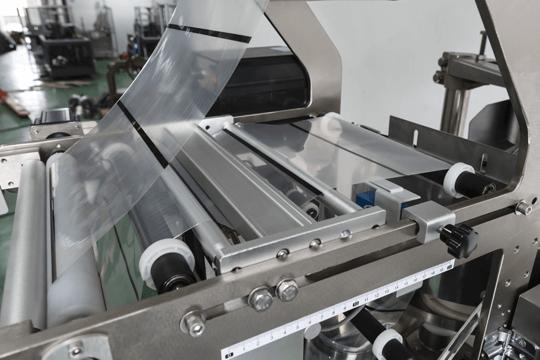
Back seal, three-side seal and four-side seal are recorded as available formats. They are different package constructions, not cosmetic menu choices. The selected laminate must track through the former without edge curl, keep the print centred and create a clean end seal after sugar dust reaches the area. Ask for the material structure, thickness, roll direction, eye-mark repeat and target seal width to appear on the approved film record.
Inspect seals after a sustained run, not just on the first empty bags. Sugar crystals caught at the end seal can make a visible channel, while excessive temperature can distort a small stick and reduce tear performance. Retain good and failed samples from each speed setting. If easy opening is required, approve the notch position against the artwork and confirm that tearing does not spill the serving.
Coding must remain readable on a very small printed area
The old page identifies date coding as an option. On a narrow stick, the code can compete with branding, the eye mark and the end-seal allowance. Place the date block on the artwork before ordering film, then run it at normal speed and after a roll change. Verify legibility, position and contrast on both light and dark artwork. Do not accept a code sample printed on a different film merely because the coder model is the same.
Use the stored specification as a site-planning boundary
| Stored field | Recorded value | Confirmation needed |
|---|---|---|
| Fill and bag range | 3-100 g; 30-170 mm long; 30-130 mm wide | Prove the exact serving on its former and film |
| Nominal output | 30-60 packs/min | Report accepted sticks with coding and normal inspection |
| Machine envelope | 900 x 1100 x 1900 mm; about 400 kg | Add operator, roll loading and service clearance |
| Electrical field | 220 V, 50 Hz, 1.4 kW | Confirm against the delivered nameplate and options |
These stored values support layout planning but do not define the final utility schedule. Film unwind access, hopper loading height, finished-pack collection and safe maintenance space can require more room than the machine outline. The title does not carry a model identifier even though an older field names YS-61K; that model association should be confirmed in the final order rather than added to the body as an unquestioned identity.
Cleaning should be released by inspection points
Sugar looks clean but can build up at ledges, dosing surfaces and the former, especially after humid exposure or a flavoured recipe. Ask an operator to empty the product, remove approved contact parts and identify areas that cannot be seen during normal running. Record the tools, time and first released pack after reassembly. If allergens or colours are introduced, a visual check alone may not be an adequate release method.
Practical questions for a sugar stick project
Can one former make every stick width?
No. The stored notes state that width follows the former, while bag length is entered on the screen. Quote the required width change parts.
Does the 3-100 g field guarantee accuracy at both limits?
No. Density, crystal size and the fitted dosing arrangement determine the demonstrated range and tolerance.
Which seal format is best for a single serving?
Choose from the approved artwork, opening method and laminate. Back, three-side and four-side seals require their own samples.
How should nominal speed be compared?
Compare accepted coded sticks made from production film, and show startup and refill losses separately.
What sample should accompany final approval?
Keep labelled packs from each test phase, including failed weights and contaminated seals, with settings and material identification.
Conclusion
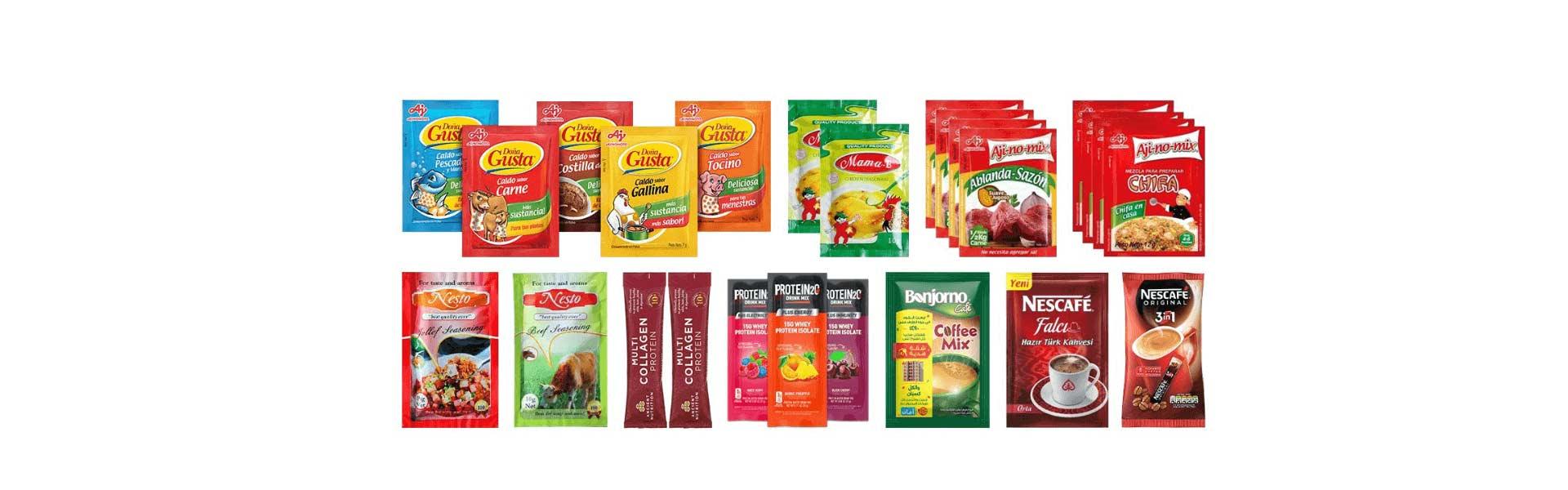
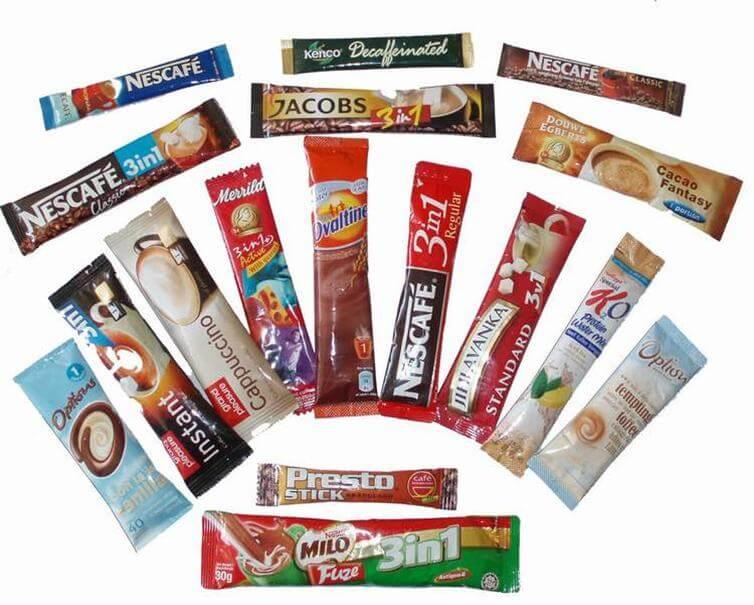
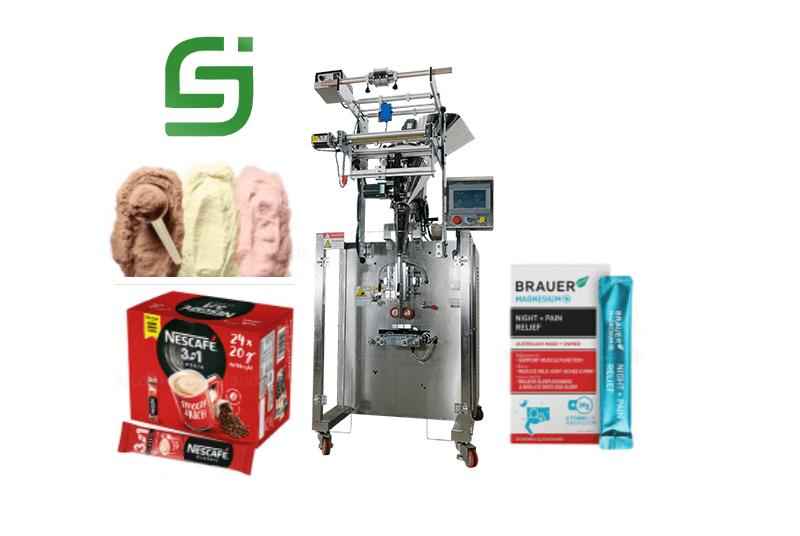
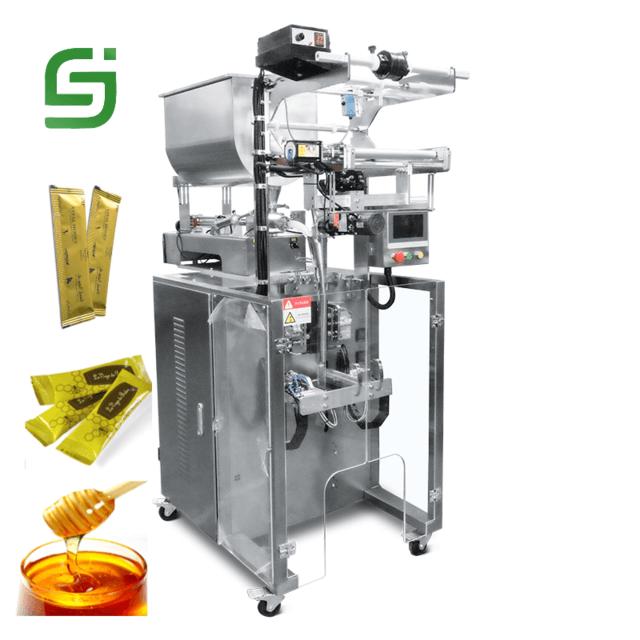
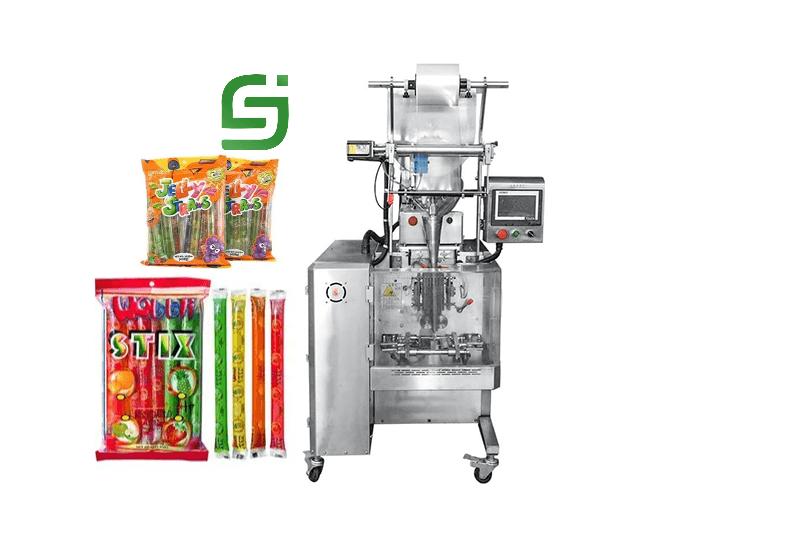
This sugar stick project should close on a named crystal grade, serving tolerance, former, laminate and acceptance study. Use the related sachet and stick packing machine range to compare formats, then require the final configuration record to match the retained production samples.

 Tel: +8617350750975
 Email: info@vffspackingmachinery.com
 MP/WhatsApp: +8617350750975
 Manufacturer Address:Meixi Road, Tongan District, Xiamen,Fujian,China



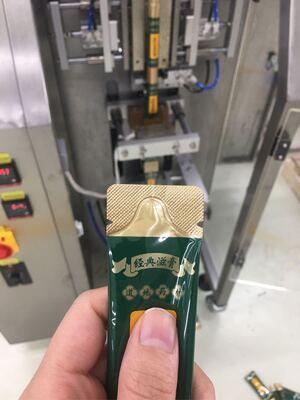
The guidance and debugging is very convenient, the machine is very stable, the after-sales service is professional and patient, and the packaging effect is good2024-08-09
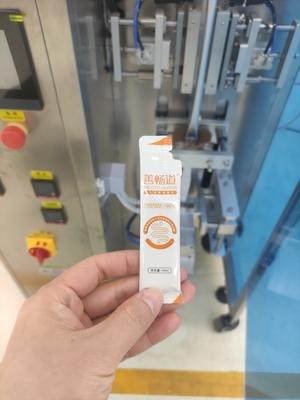
High Quality Output "We've noticed a consistent quality in our sauce packaging since using this machine. It delivers perfectly sealed packets every time.2024-08-09
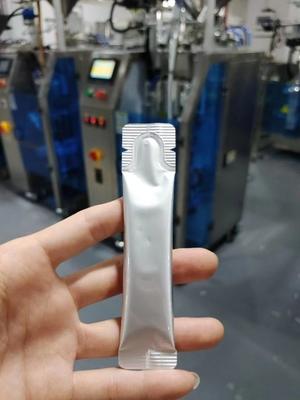
User-Friendly Design "The intuitive design makes operating this sauce packaging machine a breeze. Our staff learned to use it quickly without any issues.2024-08-09
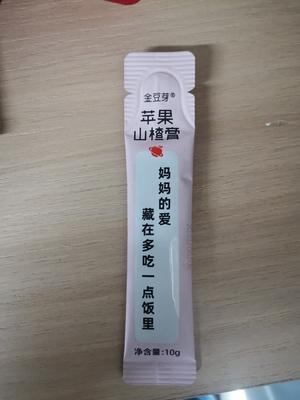
Compact and Space-Saving "Perfect for our limited space, this machine's compact size doesn't compromise on performance. It fits seamlessly into our production line.2024-08-09