


 Price:

Condition and record piece size
Load piece size, breakage, oil and uneven bulk density from a traceable production lot.
Log its storage and exposure before testing formed pouches with enough drop clearance to protect the seal.
At startup and refill, watch specifically for broken product, bridging or pieces trapped between the jaws.
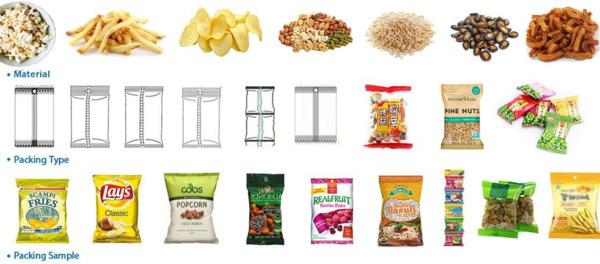
The controlling pack interface is formed pouches
Treat formed pouches with enough drop clearance to protect the seal as a machine interface, not an artwork file.
Confirm guides, forming and sealing while the line handles piece size, breakage, oil and uneven bulk density.
When geometry changes, list the parts that control broken product, bridging or pieces trapped between the jaws.
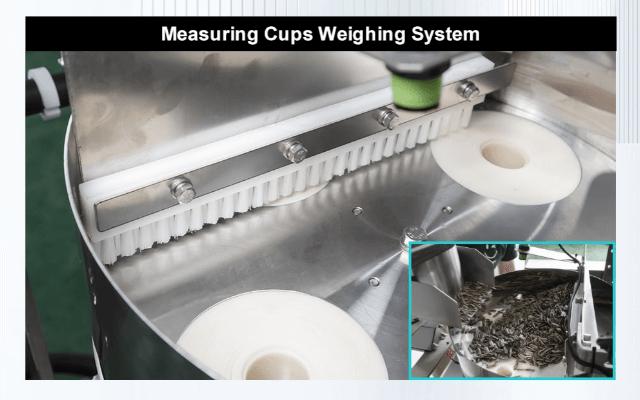
Review the complete cycle for portioning and chute geometry matched to the largest
Follow portioning and chute geometry matched to the largest accepted piece as one operating sequence.
Use formed pouches with enough drop clearance to protect the seal to establish each permitted adjustment range.
At refill and restart, test whether operators can count whole and broken pieces while checking weights and seals by run phase.
The run must expose broken product
The acceptance rule must count broken product, bridging or pieces trapped between the jaws, not average it away.
Expose the condition with piece size, breakage, oil and uneven bulk density during ordinary interruptions.
Close the record only after the same phase can count whole and broken pieces while checking weights and seals by run phase.
| Decision for nuts and snack pouches | Condition to establish | Record to retain |
|---|---|---|
| Material: piece size, breakage, oil | piece size, breakage, oil and uneven bulk density | Phase-labelled observations for piece size, breakage, oil and uneven |
| Pack: formed pouches with enough drop | formed pouches with enough drop clearance to protect the seal | Signed drawing and retained samples for formed pouches with enough drop clearance |
| Sequence: portioning and chute geometry matched | portioning and chute geometry matched to the largest accepted piece | Named parts and recipe for portioning and chute geometry matched |
| Reject: broken product, bridging or pieces | broken product, bridging or pieces trapped between the jaws | Correction and restart evidence for broken product, bridging or pieces trapped |
Collect traceable evidence to count whole and broken pieces while checking weights and
Build sample timing around the need to count whole and broken pieces while checking weights and seals by run phase.
Preserve individual results from portioning and chute geometry matched to the largest accepted piece, not only an average.
Repeat any phase that produced broken product, bridging or pieces trapped between the jaws with traceable settings.
Record piece size, breakage, oil and uneven bulk density with lot identity and conditioning.
Approve formed pouches with enough drop clearance to protect the seal as the revision-controlled input.
Demonstrate portioning and chute geometry matched to the largest accepted piece with named installed parts.
Classify broken product, bridging or pieces trapped between the jaws during the factory run.
Questions to close before format approval
Does the drawing cover formed pouches with enough drop clearance?
The controlling interface is formed pouches with enough drop clearance to protect the seal, supported by a signed revision and retained samples.
How do operators remove crumbs and oils from chutes, former?
Operators must remove crumbs and oils from chutes, former ledges and jaw guards, verify reassembly and retain the first conforming pack after restart.
Can another lot reproduce piece size, breakage, oil and uneven?
It must reproduce piece size, breakage, oil and uneven bulk density under the same pack and operating conditions; otherwise the production lot is required.
Can the run count whole and broken pieces while checking?
A traceable run must count whole and broken pieces while checking weights and seals by run phase, with rejects and interventions counted separately.
What remains outside the purchase guarantee
Legacy planning fields for nuts and snack pouches must be reconciled against piece size, breakage, oil and uneven bulk density before they enter a quotation.
The signed scope for formed pouches with enough drop clearance to protect the seal should identify the fitted sequence for portioning and chute geometry matched to the largest accepted piece and the material lot used in testing.
When evidence for broken product, bridging or pieces trapped between the jaws is incomplete, keep the disputed model or range qualified.
Keep unresolved utility and weight claims out of the quotation.
Validate them with piece size, breakage, oil and uneven bulk before release.

Conclusion
Release nuts and snack pouches only after the intended material passes through portioning and chute geometry matched to the largest accepted piece into the approved pack.
The acceptance record should connect broken product, bridging or pieces trapped between the jaws to the cleaning method: remove crumbs and oils from chutes, former ledges and jaw guards.
Use the related product category to compare formed pouches with enough drop clearance to protect the seal; the production file should store the product grading, drop height, portion setup and reject examples.

 Tel: +8617350750975
 Email: info@vffspackingmachinery.com
 MP/WhatsApp: +8617350750975
 Manufacturer Address:Meixi Road, Tongan District, Xiamen,Fujian,China