

Hot Keyword:
Author:YISEN Pouch Packing Machine Manufacturer TIME:2026-08-21
Buyers should define which change matters, such as moisture uptake, aroma loss, oxidation, contamination, or physical leaf damage, and assign evidence to the responsible part of the system.
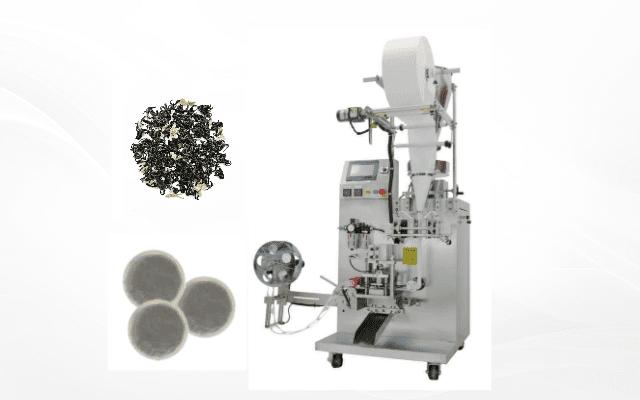
An inner-and-outer tea bag line supports freshness by limiting unnecessary product exposure, dosing tea consistently, forming an intact inner bag, and sealing it inside a qualified outer pouch. The machine contributes controlled handling and seam production; it does not guarantee freshness or shelf life by itself. Tea formulation, initial condition, barrier material, storage, distribution, and a product stability program remain essential.
Tea teams may evaluate aroma, moisture, color, flavor, clarity, volatile compounds, microbial criteria, or another product-specific attribute. Define the target condition at packing and the accepted change over the intended period. The packaging project needs those requirements before selecting material or optional atmosphere controls.
Different teas do not have identical sensitivity. Roasted, green, black, herbal, flavored, powdered, and whole-leaf products can respond differently to oxygen, moisture, light, heat, and aroma migration. Keep product evidence separate by family and avoid turning one successful package study into a claim for the complete catalog.
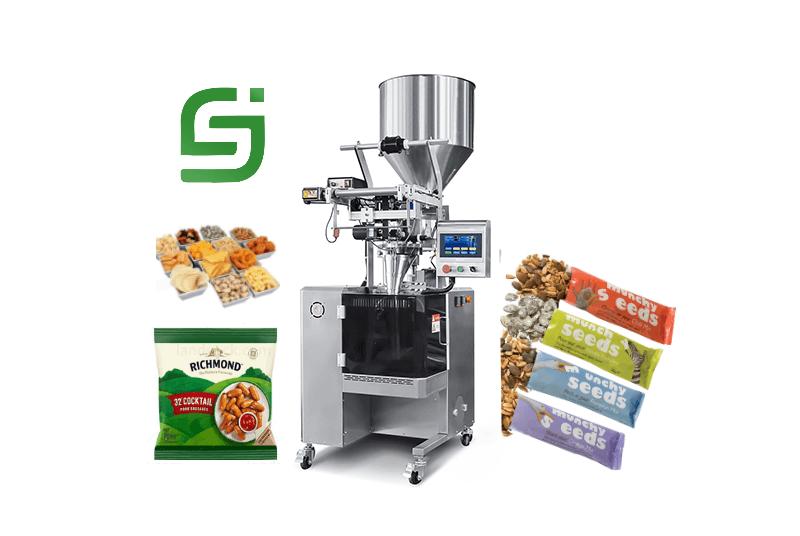
Map time from opening bulk tea to closing the outer pouch. Review container size, hopper cover, refill, residence, stop duration, product remaining at batch end, and the room environment. Smaller controlled supplies may reduce exposure but require more replenishment. Oversized hoppers can hold tea longer than a short campaign needs.
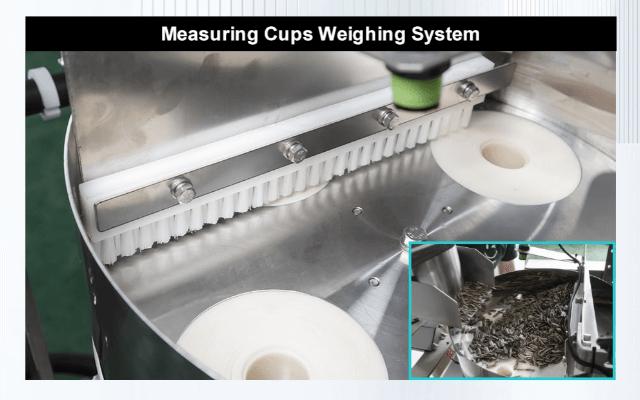
Feeding should avoid unnecessary crushing and dust because physical damage increases exposed surface and changes appearance. Use smooth routes and suitable dosing. Define how tea is protected during pauses and what happens to material left in the hopper. The packaging machine should operate inside the tea owner's approved exposure window.
The filter bag contains the portion and allows the intended brewing interaction. Its material, dimensions, seams, and cut should hold leaves and fines as specified while allowing product use. It is not necessarily the primary moisture or oxygen barrier. That distinction prevents the inner mesh from being credited with protection provided by the outer package.
Inspect quantity, leaf condition, bag geometry, seam continuity, attachment, and defined hot-water performance. Product trapped in an inner seam can create a channel or release particles. A damaged bag can also contaminate the outer sealing area. Control the first package before relying on the second.
Packaging specialists should select the outer structure for required moisture, oxygen, aroma, light, mechanical, and product-contact performance. Machine requirements include roll quality, thickness, stiffness, curl, print mark, sealant layer, code area, and tolerances. The final structure needs both protection evidence and reliable machinability.
Transparent windows, paper-like surfaces, metallic layers, and reduced-material constructions can change barrier and machine behavior. Test commercial rolls under the intended conditions. Do not infer recyclability, shelf life, or universal protection from material appearance or a supplier's general category statement.
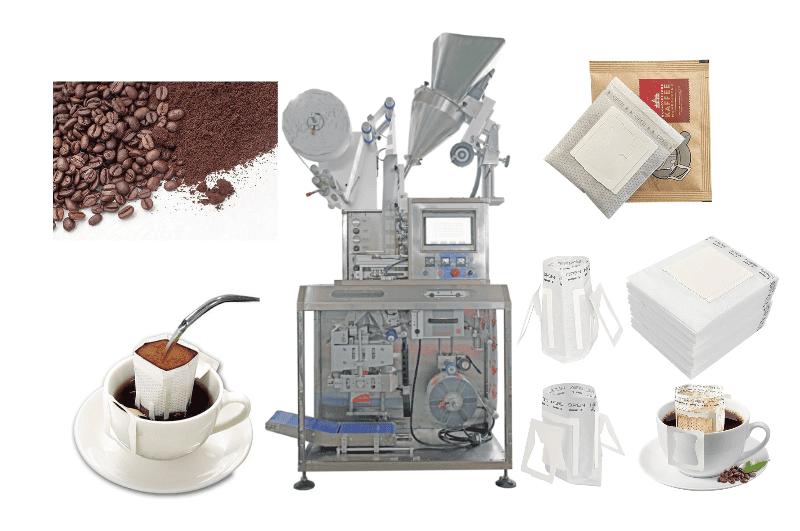
The completed inner bag, string, tag, and any loose tea must enter the outer pouch without crossing the intended seal. Synchronize transfer, placement, film motion, and jaw closure. Clean jaw faces and stable temperature, pressure, dwell, and cooling are necessary, but cannot compensate for a folded tag or product contamination.
Inspect seams by defect type and use the product program's selected integrity test. Include startup, material splice, stop, restart, and downstream handling. A seam can look closed before flexing exposes a channel. Record outer material lot and machine setup with retained packs.
Room humidity, temperature, open doors, dust, light, and housekeeping can affect exposed tea and packaging materials. Define acceptable conditions and monitor them as required by the facility. Keep filter and outer rolls in their specified storage and allow suitable conditioning before use when the supplier requires it.
After packing, protect outer pouches from puncture, compression, heat, moisture, and odor sources. Secondary cartons and distribution handling are part of the freshness system. A correct seal at the machine cannot overcome damage from sharp dividers, excessive drops, or unsuitable storage.
The machine trial should provide repeatable packs under documented conditions. The stability or shelf-life program evaluates the tea over time using approved methods. Keep product lot, bulk exposure, filter material, outer film, code, machine settings, seam results, secondary package, and storage condition linked to samples.
| Freshness risk | Packaging control | Machine evidence | Product evidence |
|---|---|---|---|
| Moisture uptake | Qualified outer structure and intact seams | Clean sealing and integrity samples | Moisture and product assessment over time |
| Aroma change | Controlled exposure and selected barrier | Time-to-seal and closed package repeatability | Sensory or analytical program |
| Oxidative change | Product and atmosphere plan where justified | Option function and finished-pack samples | Defined stability comparison |
| Leaf damage | Gentle feed and protected inner bag | Incoming-to-packed condition record | Brew and appearance evaluation |
| Distribution damage | Suitable outer and secondary handling | Discharge and seal protection evidence | Transport or handling study |
Machine evidence supports but does not replace product evidence. Any freshness claim should follow the responsible team's approved study and market requirements, not a packaging-equipment option list.
Review new tea suppliers, recipes, outer structures, film gauges, sealants, dimensions, gas or extraction options, secondary cartons, storage, and distribution. Even a material promoted as equivalent may form or seal differently. Assess the affected evidence before copying the old recipe.
An inner and outer bag tea packaging machine should preserve recipes, approved tooling, material references, code, and seal-verification records. Maintenance that changes jaws, sensors, guides, heaters, or controls requires appropriate release checks. Retain packs and records so later shelf-life results remain connected to the configuration that made them.
Does the inner filter bag preserve aroma?
Its main role is portion containment and brewing. Aroma or moisture protection usually depends on the qualified complete package, especially the outer pouch.
Can a sealed outer pouch guarantee shelf life?
No. Tea condition, material barrier, seam integrity, exposure, storage, distribution, and a product stability program all contribute.
Should gas flushing be added automatically?
Only when product evidence and the packaging plan justify it. Define measurement, utility, alarms, package volume, and acceptance before selecting the option.
Why does tea exposure time matter?
Open bulk supply can interact with the room and lose or gain relevant attributes. Define a permitted window and manage hopper size and pauses accordingly.
What change most often needs new review?
Any meaningful tea, outer material, seal process, protective option, storage, or distribution change should be assessed against the qualified freshness evidence.
If a protective gas or atmosphere function is considered, define why it is needed, the gas specification, supply, package volume, target measurement, sampling point, alarms, and response to loss. Test the complete pack under the product program. The presence of a nozzle or flow meter does not prove the atmosphere or shelf-life result.
Coding and traceability help manage freshness investigations. Link tea lot, packaging material lots, production time, machine recipe, seal checks, and storage samples. The code must remain readable and accurate through distribution. If a stability result changes, traceability allows the team to compare product and package conditions rather than guessing.
Seal testing should challenge the type of failure relevant to the outer pouch. Define sample preparation, timing, equipment, acceptance, and responsibility. Warm seams may behave differently after cooling, and fine channels may open under flexing. Keep failed specimens intact for diagnosis before changing jaw settings.
Warehouse practices can preserve or defeat the package. Control heat, humidity, sunlight, odors, pests, stacking, and stock rotation according to product and material requirements. Inspect cartons and outer pouches after storage. A qualified barrier cannot protect tea after puncture, crushed seals, or prolonged exposure outside the approved environment.
Maintenance should prioritize jaw condition, temperature sensors, pressure mechanisms, guides, registration, cutters, and transfer parts that affect package integrity. After work, use the qualified outer film and complete inner bag to release the line. Empty-film seals may not reveal tag, thread, or product interference.
Consumer opening can affect product exposure at the final moment. A tear notch or peel path should open the outer pouch without cutting the inner bag or scattering tea dust. Include aged package samples in opening studies because material and seals may behave differently after storage.
Supplier agreements should preserve the qualified material characteristics, not just a trade name. Define structure, gauge, sealant, dimensions, winding, and tolerances as appropriate. Notify and assess formulation or process changes from the converter before using them in production stability lots.
Sampling plans should include the beginning, middle, and end of the campaign plus material changes and restart. This captures differences in exposure and seal behavior that selected steady-run packs can miss. Preserve enough metadata for the product team to interpret later results correctly.
Review freshness evidence periodically against real warehouse and distribution conditions, and investigate any package damage or product trend before extending the approved claim.
Inner-and-outer packaging supports tea freshness through controlled exposure, gentle dosing, an intact inner bag, a qualified outer barrier, clean seams, and protected storage. The machine creates consistent samples and production control, while product teams establish shelf-life evidence. Keeping those roles connected prevents unsupported freshness claims and protects the approved package over time.

YISEN MACHINERY - The ONE-STOP VFFS PACKING MACHINE SOLUTION SUPPLIER
 Tel: +8617350750975
 Email: info@vffspackingmachinery.com
 MP/WhatsApp: +8617350750975
 Manufacturer Address:Meixi Road, Tongan District, Xiamen,Fujian,China