

Hot Keyword:
Author:YISEN Pouch Packing Machine Manufacturer TIME:2024-11-22
The business value comes from moving between known combinations without improvisation. A useful project groups SKUs by product behavior, pouch handling, sanitation, and downstream route, then proves the boundary cases. This reveals where one platform can serve several markets and where a separate line is safer or more economical.
A premade-bag machine helps a company manage diverse packaging by providing one controlled pouch-handling platform that can work with approved fillers, bag features, recipes, and change parts. It creates flexibility only inside a tested portfolio; different products and bags still need specific configurations and release checks.
List each planned product, dose, pouch code, feature, batch size, campaign frequency, cleaning boundary, code, and secondary package. Then group items that can genuinely share product-contact parts, pouch-handling stations, and release methods. A snack and a detergent powder may both use a stand-up pouch yet have incompatible hygiene and filling needs. A sauce family may share a pump but require different nozzle passages when particulates change.
Separate confirmed SKUs from possible future launches. The confirmed list sets the acceptance range; future items can be options with defined information still required. Identify the smallest pouch, largest pouch, lightest dose, heaviest filled bag, poorest-opening material, dustiest product, most difficult liquid cutoff, and strictest sanitation transition. These boundary combinations deserve trials because they challenge different parts of the platform.
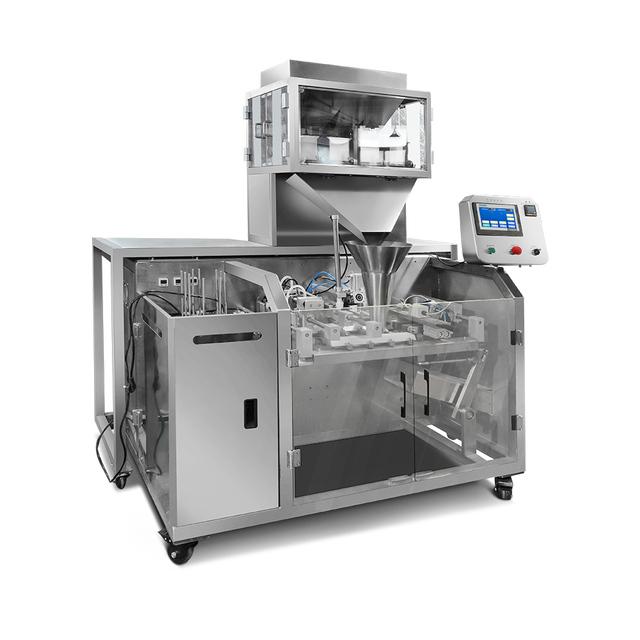
Premade pouches can arrive with bottom gussets, side folds, zippers, spouts, tear notches, hang holes, shaped corners, complex graphics, or other approved features. This allows the brand and pouch converter to create the finished bag structure before filling. The packaging machine does not have to form those elements from rollstock, but it must separate, grip, open, fill, present, seal, and discharge the completed geometry without damage.
Control width, height, top clearance, feature position, material stiffness, friction, curl, sealant, and opening quality. A zipper or notch may enter a gripper area; a stiff laminate may resist opening; a warped bag may double-feed. Test multiple production lots and retain controlled drawings. Marketing changes that move a feature or alter material construction need machine review, even when the nominal pouch size remains unchanged.
A shared pouch platform can interface with a weigher for suitable pieces, an auger for certain powders, a cup for consistent free-flowing granules, or a pump-based system for compatible liquids and pastes. These are starting concepts, not automatic selections. Product density, viscosity, particles, dust, fragility, dose range, temperature, and cleaning method determine the filler and product-supply equipment.
Define mechanical height, discharge position, product-ready signals, fill-complete response, no-pouch logic, and cleaning boundary at every filler interface. Swapping a module may require guards, platforms, conveyors, recipes, and utilities as well as contact parts. Trial product in the actual pouch: a filler that meters correctly into a rigid test container can still splash, bridge, damage pieces, or contaminate seals on the real line.
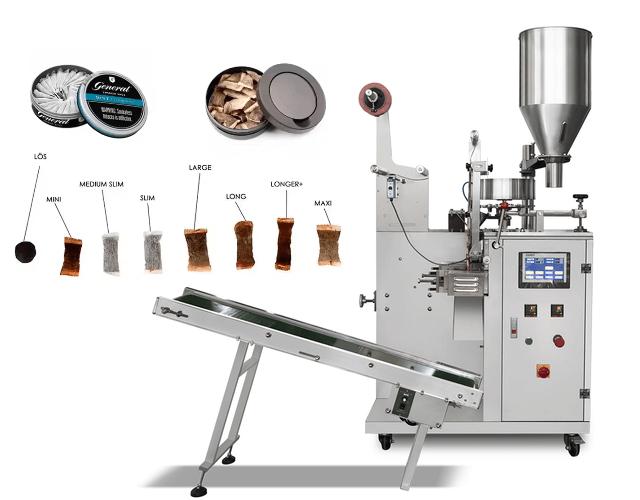
The usable range is more than a minimum and maximum width. Magazine capacity, pickup point, opening devices, gripper travel, filler clearance, bag support, zipper closing, top-seal position, code area, and discharge geometry all create limits. A very small pouch may not offer room for a large nozzle; a tall filled bag may need bottom support; a bulky product may consume the top space required for sealing.
Ask suppliers to run the extreme formats with assigned products and production material. Record change parts, settings, pouch lots, and interventions. When a dimension is quoted but not demonstrated, label it as provisional. The verified Doypack packing machine category can help frame platform choices, while the buyer's approved range should include only combinations supported by evidence.
Flexible equipment has commercial value when the next sellable SKU can start predictably. Measure from the last accepted pack of one campaign to the first released pack of the next. Include product recovery, cleaning, line clearance, filler parts, pouch stock, guide adjustments, code data, recipe selection, inspection, and setup rejects. Timing an empty-machine width adjustment understates the work.
Use the production schedule to calculate the impact. Long campaigns may justify a slower change if output remains stable; frequent short orders make cleaning and material reconciliation dominant. Sequence products to reduce incompatible transitions where quality rules allow. Duplicate contact parts or a second filling module may improve availability, but only after cleaning, storage, lifting, and setup verification are included in the comparison.
Diverse portfolios increase the chance of mixing similar bags, recipes, and printed information. Define how operators verify product batch, pouch code, filler parts, machine recipe, date or lot message, downstream label, and case material. Barcode or recipe-assistance systems may help, but they need controlled master data and a clear response to mismatch. Physical line clearance remains essential.
First-off release should confirm dose, product condition, pouch, feature function, top seal, code, appearance, and downstream routing. Reconcile printed packaging removed during changeover and identify work in progress. After an alarm, segregate units whose identity or completion is uncertain. Flexibility is not successful when a machine runs the right product in the wrong pouch.
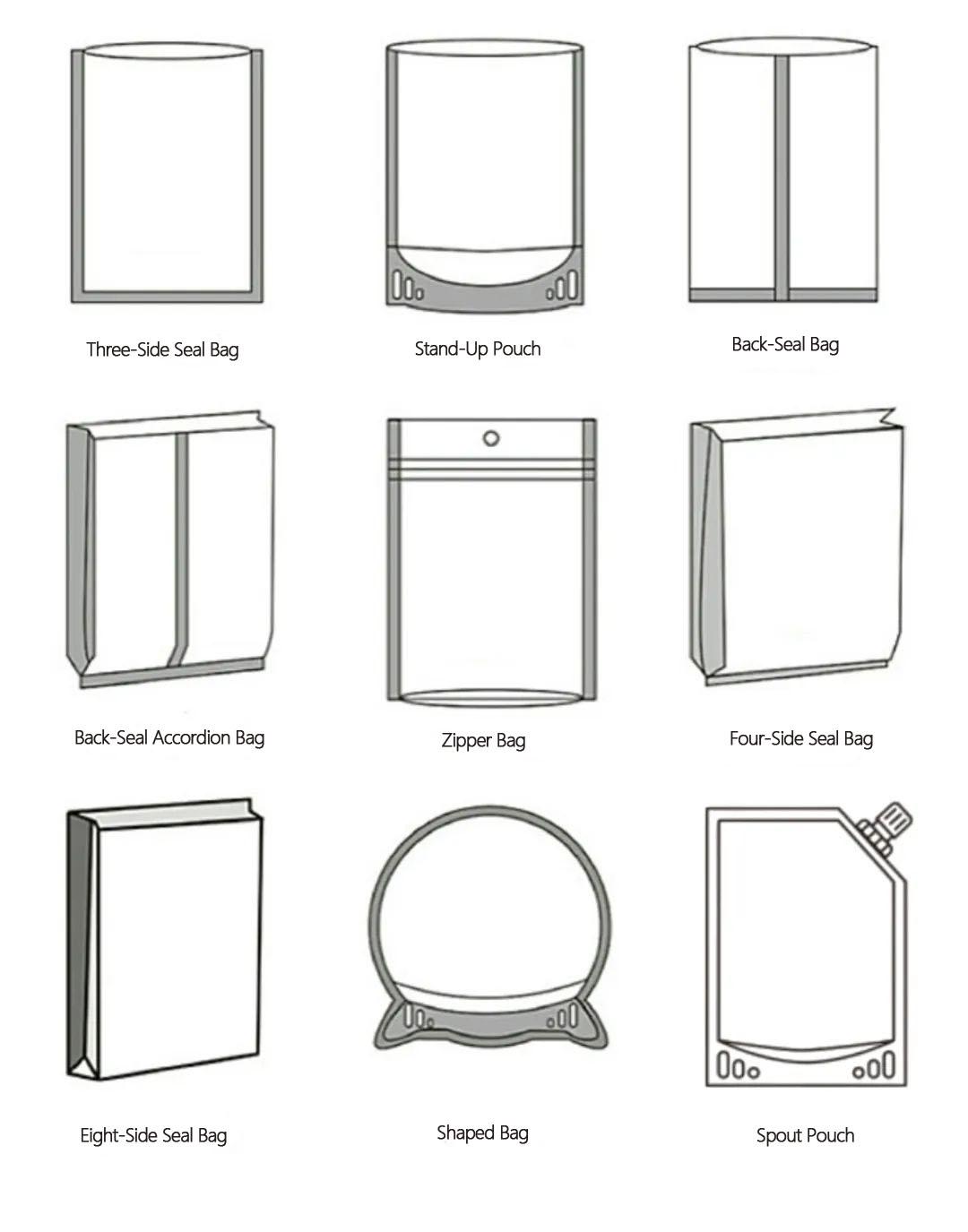
A small flat pouch, large stand-up bag, soft liquid pack, and gas-filled snack bag may leave the same machine in different shapes. Checkweighers, detectors where applicable, code readers, leak or seal inspection, reject devices, conveyors, counters, and case packers must handle those differences. Define line direction, elevation, support, spacing, accumulation, and the state communicated when downstream equipment is unavailable.
Run filled packages through each planned route. An empty bag does not show toppling, stretching, seal stress, or orientation loss. Some SKUs may need a separate guide or case arrangement. Record who supplies and adjusts those parts. Whole-line accepted output should be reported by family, because a common pouch machine rate can hide a downstream limit that applies to only one format.
One platform may become impractical when products require incompatible sanitation, fillers cannot share the layout, pouch geometries need conflicting station designs, campaign demand creates scheduling bottlenecks, or a high-volume SKU repeatedly waits behind short specialty runs. The correct response may be a second line, dedicated filler, limited portfolio, or revised package. Forcing every item through one system can increase changeover loss and operational risk.
Use a capacity and risk matrix rather than maximizing the number of listed SKUs. Compare the options below using verified product and package data.
| Portfolio question | Evidence | Shared-platform decision | Possible exception |
|---|---|---|---|
| Can products share a filler? | Flow, dose, contact parts, cleaning, and sample trials | Use common module with approved parts and recipes | Dedicated filler or separate line |
| Can pouches share handling stations? | Production lots at boundary dimensions and features | Use defined guides and change sets | Exclude incompatible geometry |
| Do changes fit the schedule? | Complete last-good to next-good transition | Sequence campaigns and staff the work | Add duplicate parts or capacity |
| Can identity remain controlled? | Line-clearance, recipe, code, and packaging challenge | Use verified setup and first-off release | Separate high-confusion families |
| Does downstream equipment cover the range? | Filled-pack inspection and case trials | Install identified guides and recipes | Create a different discharge route |
Commercial comparison should include fillers, change parts, cleaning equipment, platforms, coding, inspection, conveyors, training, software backups, spares, and support. An apparently flexible base machine can become expensive when essential modules are omitted. Keep future formats as controlled additions with a sample requirement and acceptance route.
Can one premade-pouch line pack powders and liquids? A shared bag platform may use different fillers, but product paths, dust or drip control, cleaning, utilities, and interfaces require separate approval.
What defines the machine's real pouch range? Dimensions, material behavior, features, grip areas, opening, filling clearance, support, seal position, and discharge tests define it.
How should flexibility be measured? Count approved product-pouch combinations and measure complete changeovers plus accepted output for the planned production mix.
Do saved recipes make setup automatic? No. Physical parts, product, pouch stock, code data, and first-off packs still require verification by authorized roles.
When is a second line worth considering? Review another line when sanitation, filler needs, geometry, campaign conflicts, or required capacity create persistent compromise on one platform.
Portfolio governance should continue after installation. When marketing proposes a new pouch, purchasing changes the converter, or product development alters density or viscosity, route the change through a technical review before production. Compare the new condition with the approved matrix, identify affected stations and inspection rules, and decide whether a controlled sample run is enough or a formal acceptance extension is required. Update drawings, recipes, parts lists, training, and retained standards together. This process protects flexibility from becoming uncontrolled variation and gives the business a clear path for adding genuine opportunities.
Premade-bag equipment can turn a broad SKU list into controlled production when products are grouped by genuine compatibility and every approved pouch has known parts, settings, materials, and release checks. Its flexibility is a managed operating envelope, not an unlimited machine attribute.
Map the portfolio, test boundary combinations, measure real campaign changes, and include downstream routing. Where one platform creates conflicting controls or schedule loss, exclude the combination or plan dedicated capacity rather than passing the compromise to operators.

YISEN MACHINERY - The ONE-STOP VFFS PACKING MACHINE SOLUTION SUPPLIER
 Tel: +8617350750975
 Email: info@vffspackingmachinery.com
 MP/WhatsApp: +8617350750975
 Manufacturer Address:Meixi Road, Tongan District, Xiamen,Fujian,China