

Hot Keyword:
Author:YISEN Pouch Packing Machine Manufacturer TIME:2026-11-18
A shared product/CIP connection may justify a mixproof valve when its design must keep two fluid routes separated while providing an identified path for seal leakage. That is a different requirement from making a valve easy to clean. For a sauce packing machine, examine the junction, independent process seals and intervening chamber before interpreting double-lip seals or a hygienic construction claim as equivalent protection.
Start with the pipe connections, not the number of valves in the quotation. Product and cleaning media may have dedicated routes, or they may reach a shared junction in a larger installation. Those layouts create different separation questions. A general statement that the filler supports cleaning does not reveal which arrangement is being proposed.
Identify the two fluid routes concerned and their relationship to the receiving machine. Are they connected through the same valve body, or kept apart elsewhere? Which connection belongs to the product side, and which belongs to the cleaning side? These are drawing-level questions about the architecture, not instructions to change valve positions or run a cleaning cycle.
The distinction determines the relevant purchase. An ordinary hygienic shutoff component can have a legitimate role in one layout; a specified mixproof assembly addresses another separation duty. Begin by establishing the duty at the junction. Otherwise a buyer may purchase a more elaborate component without resolving the actual shared connection, or assume an ordinary component provides a function it was never specified to perform.
Cleanability concerns whether the relevant wetted surfaces can be reached by the intended cleaning arrangement. Circuit separation concerns the barrier between fluid routes. A valve may have carefully designed product-contact surfaces and still require a separate explanation of how those routes remain divided. The first property should not be used as shorthand for the second.
Alfa Laval's Unique SSV page provides a useful counterexample to simplistic comparisons. It describes a hygienic single-seat family with features intended to support cleaning-in-place. Single-seat construction therefore does not automatically mean poor hygiene or an absence of cleaning capability. The comparison should address what the particular valve does, rather than assigning every hygienic feature exclusively to mixproof equipment.
Conversely, a product description saying that internal surfaces can be cleaned does not establish two independent process barriers. Ask which requirement the offered feature answers. This helps the buyer distinguish a suitable cleaning provision from a justified separation architecture without suggesting that either function alone validates the producer's complete sanitation program.
The terminology needs a physical reference. A seal lip describes a feature of a sealing element. A process seat concerns a closure interface in the fluid passage. Counting lips in a description is consequently not a reliable way to count independently separating process seats. Similar words can describe different parts of the construction.
This matters because the Unique SSV information mentions a double-acting lip seal, while Alfa Laval's mixproof material describes independent plug seals. The two descriptions are not interchangeable. The mixproof CP-3 leaflet identifies two independent seals with a space between them; that intermediate space forms part of its stated separation principle.
A sectional drawing should make those relationships intelligible. Locate each process sealing interface, the fluid side it borders and the space between the interfaces. An exterior photograph or a line item reading double seal does not provide the same information. The buyer needs to understand the arrangement being purchased, without inferring a double-seat function from a favorable-sounding seal label.
In the CP-3 working-principle description, the two independent plug seals surround a leakage chamber. While the valve separates the liquids, that space has an outlet through which leakage can leave. The chamber is therefore more than an empty gap between two components: it gives the design an identified route for material passing a seal.
This changes how the barrier should be understood. A description containing two seals but omitting the intermediate destination leaves the leakage question unanswered. The buyer should be able to follow the intended route from either sealing interface into the chamber and toward its outlet. That relationship is central to the named design's purpose, rather than an optional cosmetic drain.
The principle does not establish that an arbitrary assembly prevents every form of cross-contamination. It describes a particular separation arrangement whose configuration and application still matter. For the proposed sauce installation, obtain the component explanation at that level. Avoid replacing it with a general promise that stainless construction, a closed symbol or two visible seals makes the junction mixproof.
A valve's name does not describe every state of its product path. The CP-3 leaflet distinguishes its separating condition from its open transfer condition. In the latter, the leakage chamber is closed and product can move between the connected lines. This is a different relationship from two fluid routes being separated by the independent seals and intervening chamber.
The procurement implication is to read the intended states of the assembly rather than treat mixproof as a permanent condition independent of movement. A drawing showing only the separating position cannot explain the connected transfer path. Equally, an illustration of product transfer does not demonstrate the route available to leakage in the separating condition.
Request the manufacturer's functional description for the selected configuration and its role in the overall piping design. This does not prescribe an actuation order or authorize concurrent product flow and cleaning. It establishes which physical relationships the supplier must explain before the buyer accepts a statement about route separation at a shared connection.
The CP-3 material links its leakage arrangement with visual observation of leakage. That gives the outlet a defined purpose, but an observable point on one valve is not an assessment of every contact surface, connection or adjacent branch. Its interpretation should stay tied to the component and condition described by its manufacturer.
Likewise, the lack of a visible leak at one moment is not a certificate for the whole product/CIP installation. It does not establish how another valve is connected, whether every required cleaning option is included, or whether the receiving equipment has been correctly identified. A local observation and a complete system claim have different scopes.
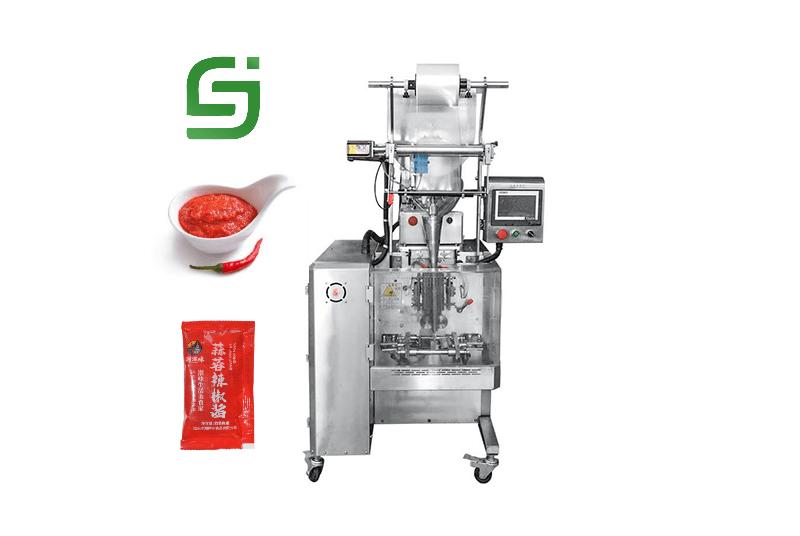
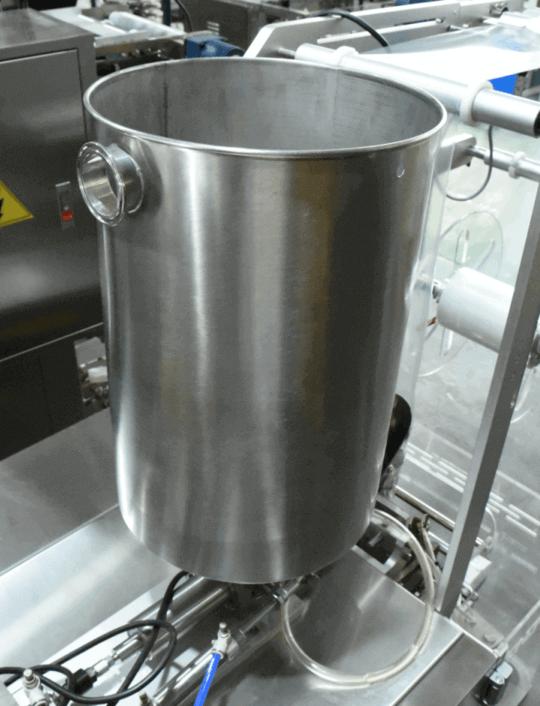
The sauce product's receiving-vessel photograph is helpful precisely because it shows the limit of photographic inference. It locates an inlet-side assembly, but reveals no documented mixproof junction or shared cleaning circuit. Keep that inlet reference distinct from the specialist valve's internal leakage path. Neither image nor outlet terminology should be used to bridge missing information about the connecting installation.
The valve body, sealing regions and intervening leakage space are identifiable parts of the equipment. A statement about cleaning one part does not automatically describe the others. Alfa Laval's mixproof family information distinguishes configurations and options, including versions with different provisions for cleaning seats and other internal regions.
Its Basic example lacks the seat-lift provision named for other versions. The CP-3 documentation also identifies specific cleaning options associated with particular parts of the assembly. Those distinctions show why a family name alone cannot define the cleaning scope of the supplied valve. A buyer comparing offers needs the actual version and included functions, not an assumed collection of every available option.
Keep this discussion at the level of equipment selection. The supplier should identify which regions its configuration addresses and how that information fits the producer's requirements. No cleaning medium, concentration, temperature, duration or movement sequence follows from the comparison. Component cleanability and the plant's validated cleaning method remain related responsibilities that must be reconciled for the particular installation.
Compare layouts by their fluid connections and physical barriers before comparing accessory lists. Dedicated routes, a specified single-seat shutoff function and a double-seat mixproof junction are not merely inexpensive and premium versions of the same promise. Each needs to be assessed against the separation duty created by the proposed piping.
Use the comparison to identify missing design information. If the required fluid boundary is unclear, another cleaning accessory does not resolve it. If a double-seat assembly is proposed, its leakage route and version-specific cleaning provisions belong in the definition of that option. The decision should follow the arrangement rather than a general preference for more components.
| Architecture | Physical question | What cannot be assumed |
|---|---|---|
| Dedicated product and CIP routes | Where are the routes kept apart? | Every later connection preserves that boundary |
| Hygienic single-seat function | Which passage does the specified closure control? | Cleanability provides independent double-seat separation |
| Double-seat mixproof junction | Where are the independent seals, chamber and leakage outlet? | Every cleaning option or operating state is included |
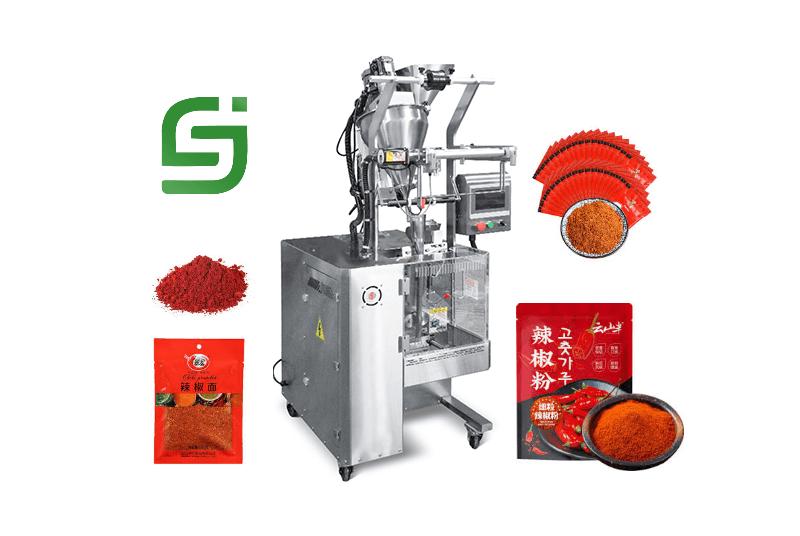
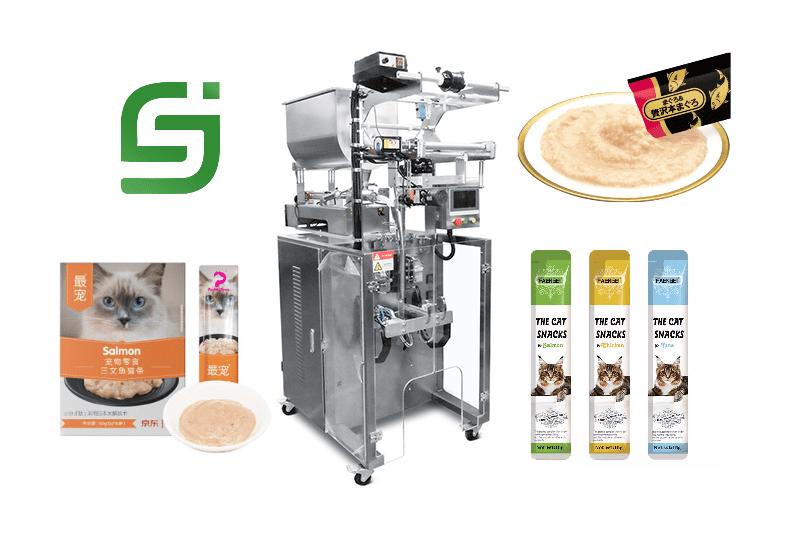
The sauce packing equipment category identifies the machine family receiving the product. It does not identify an external valve matrix or establish that the quoted inlet is already part of a shared product/CIP arrangement. Keep the packer's receiving connection and the separately proposed hygienic routing assembly visible as distinct parts of the scope.
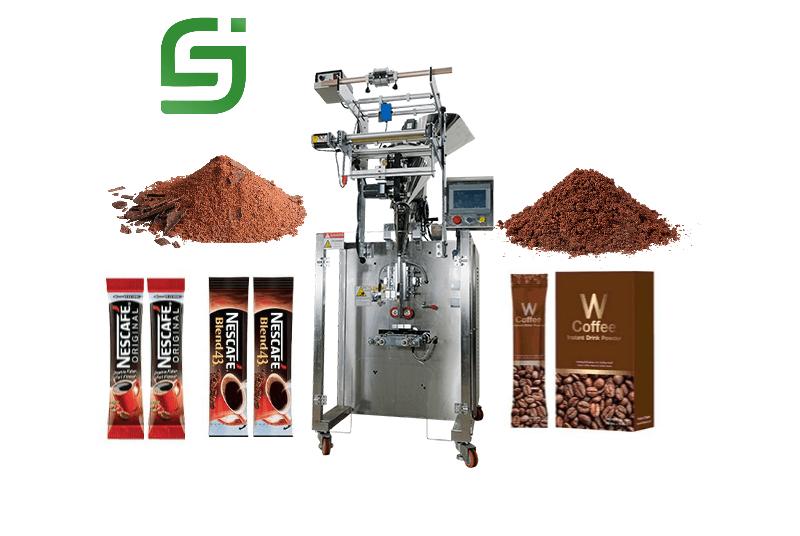
The archived machine overview and existing portion-pack artwork provide product context. Neither depicts the internal seat arrangement discussed here or demonstrates simultaneous cleaning and production. The technical distinction comes from the named valve documentation, not from attributing unobserved components to a familiar machine photograph.
The resulting specification should identify the chosen junction architecture, its component configuration and the connection to the receiving equipment. That is enough to make the purchasing discussion concrete without asserting an installed Alfa Laval valve, an aseptic process or guaranteed separation performance. The offered system must establish its own application, independently of the external example used to explain the mechanism.

Can a hygienic single-seat valve be suitable for CIP? Yes. The SSV example includes cleaning-oriented design features. That establishes a legitimate cleanability discussion, but does not turn single-seat construction into the independent barriers and leakage chamber of a double-seat design.
Does a double-lip seal mean two independent process seats? No such conclusion follows from the term. Identify the sealing interfaces and their arrangement in the actual valve. Lip geometry and independently separating process seats describe different construction details.
Why does the intermediate chamber matter? It forms part of the named mixproof design's leakage route between the process seals. The destination of leakage is therefore included in the architectural explanation, rather than left as an unspecified gap.
Does the open valve retain the same separating relationship? No. The CP-3 description identifies a connected transfer condition with the leakage chamber closed. Read that state separately from the condition used to divide the fluid routes.
Do the machine photographs prove a shared CIP installation? They do not. They identify sauce equipment and application context. An installed junction, its version and the permitted process functions require their own documented scope.
Choose a product/CIP junction by its physical arrangement. Independent process seats, their intervening leakage route and the connected transfer state explain more than the words hygienic or double seal. Compare those features with the actual single-seat or dedicated-route alternative, then identify the cleaning configuration and receiving-machine interface. This turns a broad mixproof request into a defined machinery purchase without inventing an installed system or an operating recipe.

YISEN MACHINERY - The ONE-STOP VFFS PACKING MACHINE SOLUTION SUPPLIER
 Tel: +8617350750975
 Email: info@vffspackingmachinery.com
 MP/WhatsApp: +8617350750975
 Manufacturer Address:Meixi Road, Tongan District, Xiamen,Fujian,China