

Hot Keyword:
Author:YISEN Pouch Packing Machine Manufacturer TIME:2025-02-28
The safest maintenance plan follows the machine manual, the buyer's sanitation rules, and the actual installed options. It assigns tasks by frequency and authority, records abnormal findings, and requires first-off package approval after work. This guide provides a practical framework without prescribing a universal cleaning chemical, interval, or adjustment for every product.
Effective powder-machine care separates product cleaning, mechanical inspection, and verified restart into a written routine. Removing visible dust is only the first step; hoppers, augers, seals, forming parts, sensors, extraction points, and cross-seal surfaces all need checks matched to the powder and production schedule.
Walk from bulk supply to the finished bag and list every surface powder can reach. Typical areas include a hopper, level devices, agitator, auger or other feeder, funnel, chute, forming tube, film guides, seal jaws, guards, frames, and discharge conveyor. Fine material may travel beyond the obvious contact zone through air movement or vibration. Sticky, hygroscopic, abrasive, colored, or allergenic powders create different priorities, so the map should name the product condition and not use one generic cleanliness assumption.
Mark locations by contact status, accessibility, inspection method, and possible consequence. Residue in a dosing funnel may affect carryover or flow; dust on a registration sensor may cause film-position faults; buildup on a jaw can disturb the seal. Photograph normal clean condition for difficult points and define who can release them. The resulting map gives operators a repeatable route and helps engineering evaluate future modifications that create new ledges or block access.
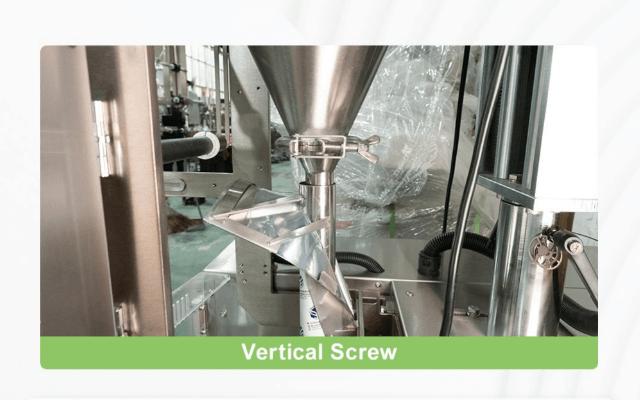
Cleaning begins with a controlled stop. Finish or recover product according to plant rules, prevent new material from entering, identify work in progress, and isolate energy using the site's authorized procedure. Stored pressure, heated sealing parts, moving assemblies, elevated hoppers, and sharp cutting components require attention. Only trained personnel should remove guards or enter restricted areas. A stop button alone is not a maintenance isolation method.
Define how remaining packaging and coded material are reconciled before opening the machine. Loose powder should be collected with methods approved for that product and site; blowing it into surrounding equipment can spread contamination and obscure the source. If extraction equipment is used, verify that it is suitable for the material and cleaning task. Product safety information and local assessments govern dust precautions, not the broad label "powder packaging."
Follow the supplier's sequence for removing hoppers, screws, funnels, dosing parts, hoses, or chutes. Parts can be heavy, precisely fitted, or easy to damage, so provide lifting aids and protected staging where needed. Identify change parts so they return to the correct product and dose range. The buyer should approve cleaning agents, water use, tools, temperatures, and drying based on product, material compatibility, and sanitation requirements.
Inspect screw flights, seals, joints, corners, and low points after cleaning. A polished outer surface does not prove that a hidden connection is clear. Where wet methods are approved, trapped moisture can change powder flow or promote residue during restart; complete drying and inspection are therefore part of release. Store cleaned components covered and off unclean surfaces. Replace damaged gaskets or seals with identified parts rather than improvising during assembly.

Powder in the film path can scratch surfaces, alter tracking, or enter cross seals. Clean forming shoulders, tubes, pull belts, guides, static-control components, code areas, jaws, cutters, and discharge surfaces using approved methods. Inspect jaw faces and protective coverings for deposits, damage, and alignment symptoms. Do not scrape coated parts with unsuitable tools or adjust pressure to compensate for contamination.
After cleaning, compare settings with the approved recipe and examine film tracking by controlled setup. Seal temperature indicators do not confirm pressure, dwell, alignment, or material condition. If finished seals deteriorate, retain samples and connect the defect to machine position, product state, film lot, and operating event. This evidence is more useful than repeatedly increasing heat. The powder packing machine configuration should be maintained according to its exact sealing and bag-making arrangement.
Photoelectric sensors, registration readers, proximity devices, load cells, temperature components, and safety switches need clean mounting and secure connections. Use the manual's approved cleaning method; compressed air or aggressive wiping can damage a device or force powder into an enclosure. Check cables, brackets, reflectors, and targets for movement. A sensor that is merely adjusted around residue may fail again after the next cleaning.
Inspect extraction pickup points, hoses, filters, seals, and collection containers where fitted. Reduced airflow can allow dust to migrate toward seals and controls, while excessive or poorly placed extraction may remove fine product. Record observable condition or specified indicators rather than assuming the fan is effective because it runs. Any work on dust-control systems must follow the site's product-specific safety controls.
Use scheduled inspection to look for loose fasteners, worn bearings, damaged belts, chain condition, unusual play, leaks, deteriorated vacuum cups, and abrasion on product-contact parts. Lubrication points, lubricant type, amount, and intervals should come from the manufacturer and site rules. Keep lubricant away from product and packaging zones. More lubrication is not corrective maintenance and can attract powder or conceal a failing seal.
Trend symptoms such as dose drift, auger noise, film tracking corrections, seal defects, vacuum loss, and increasing operator intervention. Their pattern may indicate wear before a component fails completely. Maintenance should record the observed condition, action, replacement part, person, and post-work check. Spare parts need clear identity and storage protection; visually similar screws, seals, or sensors may not be interchangeable.
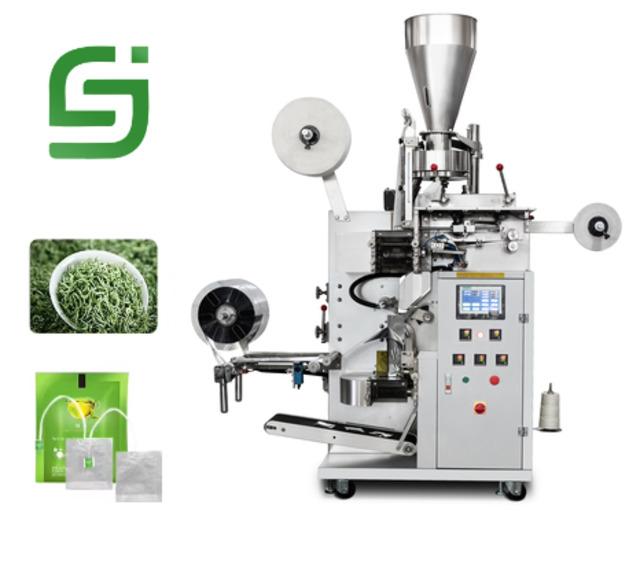
Before removing isolation, confirm that parts are clean, dry, correctly installed, secured, and accounted for. Guards, tools, cleaning materials, and temporary tags should follow the site's release process. Verify the product, packaging, change parts, code data, and machine recipe. Run controlled checks at safe conditions and watch for leaks, rubbing, abnormal sound, unstable product flow, or film misalignment.
First-off release should include consecutive dose checks plus seal, code, appearance, and product-contamination criteria defined by the buyer. Packs made during priming or setup need a controlled disposition. After a maintenance intervention, monitor the affected function for an appropriate period and attach samples or readings to the work record. Production resumes because evidence meets the release rule, not simply because the machine cycles.
Start with manufacturer requirements and regulatory or plant controls, then refine task frequencies using product risk, operating hours, inspection findings, and failure history. A daily task may be a simple observation, while less frequent work may require planned downtime and skilled maintenance. Avoid copying intervals from another line with different powders, environment, or utilization.
| Program element | Typical evidence | Trigger for review | Release output |
|---|---|---|---|
| Product-contact cleaning | Completed route checklist and inspected parts | Recipe, allergen, buildup, or sanitation change | Cleanliness and line-clearance approval |
| Seal-area care | Jaw condition and retained package samples | Channels, wrinkles, deposits, or rising rejects | Approved seal after controlled setup |
| Feeder inspection | Screw, agitator, hopper, and dose trend findings | Noise, wear, drift, bridging, or leaks | Stable consecutive dosing results |
| Sensor and extraction check | Clean condition, mount security, and functional test | False alarms, missed marks, or visible dust migration | Verified detection and airflow response |
| Post-maintenance restart | Parts count, recipe check, event log, first-off packs | Any opened, adjusted, or replaced function | Documented return to accepted production |
Review records for repeated temporary fixes and overdue open actions. A good program reduces uncertainty: operators know what normal looks like, maintenance knows which evidence is required, and quality knows why a line was released. Changes to machine scope, product, cleaning method, or packaging should trigger an update to the route map and task list.
How often should a powder machine be cleaned? Frequency depends on the product, change schedule, buyer sanitation plan, equipment design, and observed buildup. Follow approved procedures and manufacturer guidance.
Can compressed air be used to remove dust? Only if the site's product-specific safety and cleaning procedure allows it. Air can spread powder or drive it into sensitive areas.
Why verify dose after maintenance? Work on hoppers, screws, seals, sensors, or settings can affect product flow and metering. Consecutive checks confirm the installed state.
What should be photographed? Difficult clean points, abnormal wear, seal defects, and corrected condition can support records when photographs are permitted by site policy.
Who may adjust seal pressure or alignment? Only authorized trained personnel following the machine documentation and plant procedure. Operators should not compensate for contamination or wear through uncontrolled adjustment.
Supervisors should also review the completed records at a defined interval. Repeated jaw cleaning, dose correction, sensor wiping, or temporary fastener work is evidence for a root-cause action, even when each individual shift restored production quickly.
Powder-machine reliability comes from controlling the whole residue and wear route. Safe shutdown, correct disassembly, verified cleaning, seal-area care, sensor inspection, preventive checks, and documented restart each protect package quality. Skipping the release step leaves uncertainty even when the equipment looks clean.
Use supplier instructions as the technical base, add product-specific sanitation and safety controls, and refine frequencies from real findings. A disciplined record links every task to an observable condition and makes maintenance a planned production control rather than a response to repeated rejects.

YISEN MACHINERY - The ONE-STOP VFFS PACKING MACHINE SOLUTION SUPPLIER
 Tel: +8617350750975
 Email: info@vffspackingmachinery.com
 MP/WhatsApp: +8617350750975
 Manufacturer Address:Meixi Road, Tongan District, Xiamen,Fujian,China