

Hot Keyword:
Author:YISEN Pouch Packing Machine Manufacturer TIME:2024-10-07
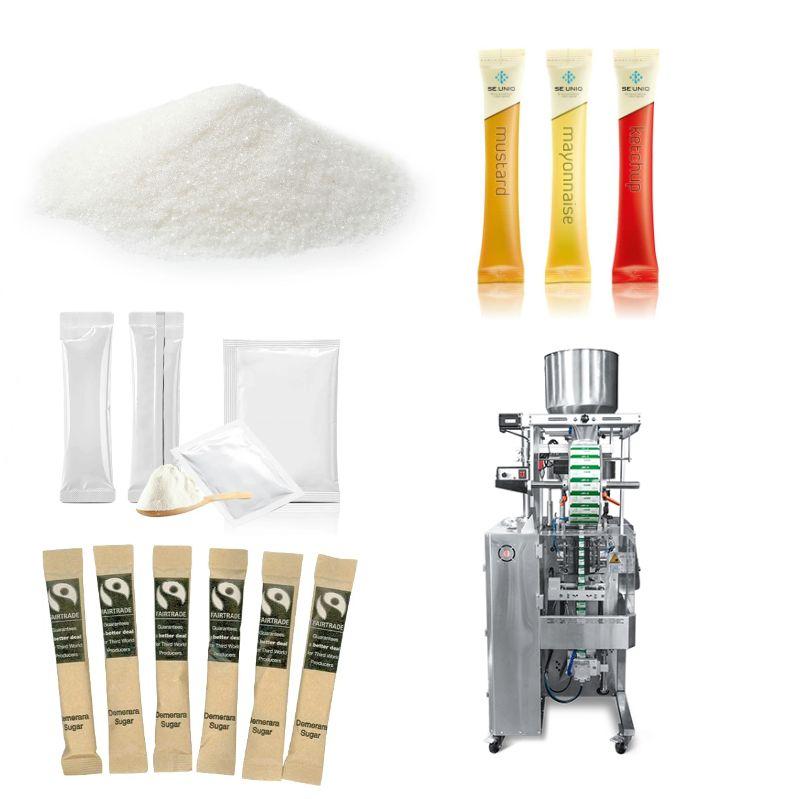
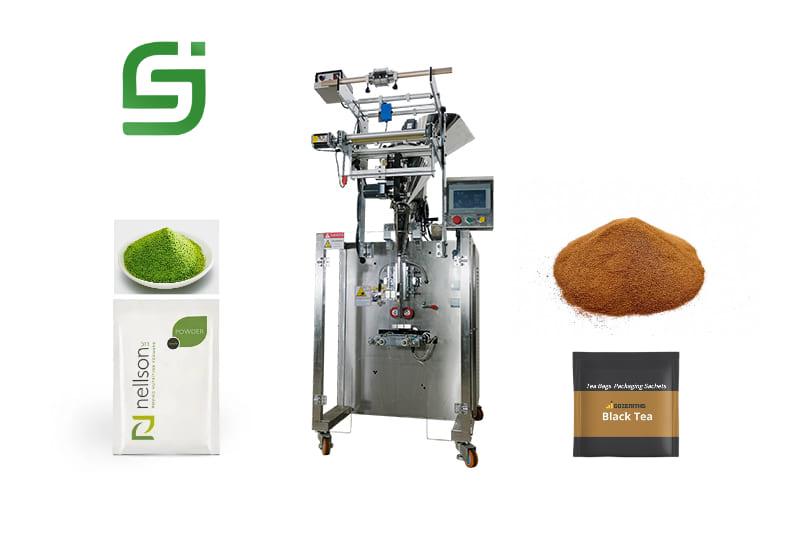
A granular packer can improve dose repeatability, accepted output, hygiene, traceability, and labor use when the product feeds predictably and the dosing method fits its particle behavior. Automation does not remove variation; it makes the sources easier to control and record. The strongest advantage is a stable sequence from bulk feed to a sealed pack, supported by measurements that operators can reproduce.
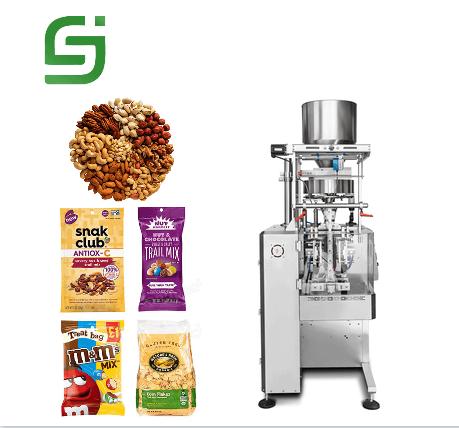
Granules include uniform pellets, seeds, sugar, salt, grains, nuts, hardware pieces, and many other free-flowing or semi-free-flowing products. Their size, shape, density, fragility, oil or dust content, static, and tendency to segregate influence the machine. Before comparing benefits, define the product range, target quantities, allowable damage, package formats, material specification, campaign sizes, room conditions, cleaning boundaries, and downstream handling. Practical improvement should be measured against the current process using the same release criteria. Include refills, changeovers, rejected packs, and ordinary interruptions; otherwise an attractive short trial can overstate what the line contributes during real production. Plant layout can strengthen or weaken these benefits. Review how bags or film reach the operator, how bulk granules are lifted without unsafe manual handling, where rejected product is contained, and whether discharge conveyors protect soft packs from accumulation. Seasonal humidity or temperature may change flow, static, or seal behavior, so trial conditions should be recorded and operating limits agreed rather than assumed. Capacity also has to be balanced with upstream preparation and downstream case packing. A fast dose that waits for cartons does not improve shipment output. Before design approval, walk through a normal shift on a scaled layout and account for replenishment paths, cleaning carts, access doors, electrical panels, compressed-air service, spare-part storage, and room to remove feeder components. Ask production and maintenance personnel to review the arrangement; their observations often expose awkward tasks that are invisible on a process diagram. Finally, define how off-spec granules and partly filled packs are reconciled after a stop. Product recovery may be possible for some materials and prohibited for others, so the machine sequence and site procedure must support the owner's rule.
Granules can be measured by volumetric cups, linear or multihead weighers, counting systems, or other methods selected for the product and quantity. Cups can be effective where bulk density and flow remain suitable, while weighing is often considered when mass control across product variation is important. Irregular or delicate pieces may demand particular contact surfaces and discharge paths. The correct method should be established with actual samples, not by assuming every granular product behaves like dry rice. Test consecutive packs through high and low supply level, refill, stop, and restart. Record the installed dosing parts, vibration or gate settings, target, and inspection method. Stable measurement reduces manual correction and gives quality teams a defensible basis for investigating drift.
A well-planned line limits unnecessary drops, sharp impacts, pinching, and long uncontrolled slides. This matters for fragile snacks, coated pieces, brittle seeds, and mixtures in which components differ in size or density. Hopper shape, feeder amplitude, distribution cones, chute angle, timing, and pack drop distance influence how the product reaches the bag. Observe fines, chips, coating loss, and mix ratio at the finished pack, not only at the infeed. Segregation can occur during bulk transport and refill before the dosing device sees the product, so upstream handling belongs in the review. Machine speed should be reduced or the path revised if high throughput creates unacceptable damage. Saleable output, rather than raw cycles, is the useful measure of protection.
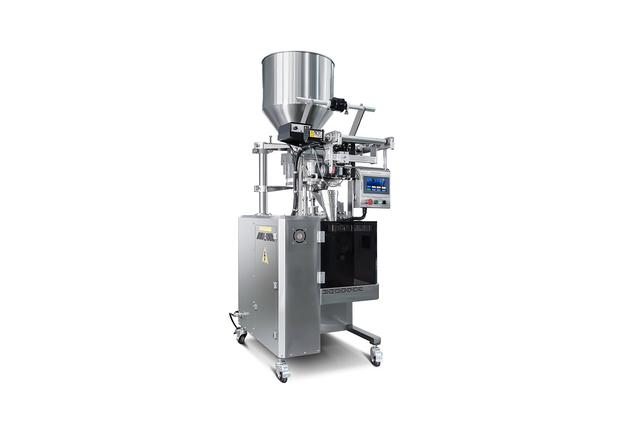
Once product supply is available, the controller can coordinate dosing, film or pouch movement, fill permission, sealing, cutting, coding, and discharge. Interlocks prevent certain actions when material is missing or a station is not ready. This consistency reduces reliance on hand scooping and subjective pack closure, but it transfers responsibility to recipe control, sensor condition, and trained response to alarms. During acceptance, challenge low product, missed pouch or film registration, a dosing fault, temperature deviation, and downstream blockage under safe conditions. Confirm how the machine identifies suspect work in process and how production restarts. A repeatable sequence provides value only when abnormal packs are contained and operators know which checks close the event.
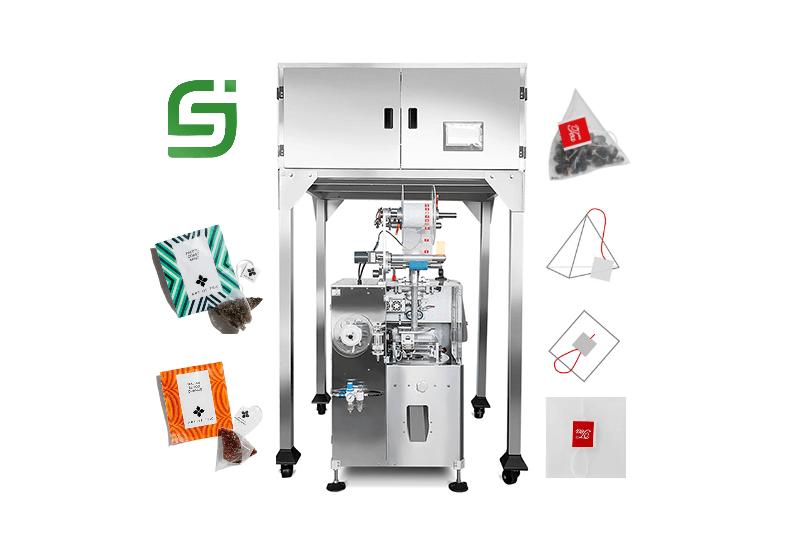
Granules can be sold in pillow bags, sachets, stand-up pouches, gusseted packs, jars, or other containers. One machine may cover a defined subset through formers, guides, cups or weigh settings, chutes, sealing parts, and software recipes. Format flexibility should be documented as specific dimensions and product combinations. A larger bag can require more support or settling; a small opening can restrict bulky pieces; a zipper can collect granules if headspace is inadequate. Test the smallest and largest approved packs and time a full conversion through the first released sample. Identify each physical part, store it safely, and link it to the correct recipe. Flexibility that depends on undocumented technician knowledge is difficult to sustain across shifts.
Covered hoppers, controlled feeders, guarded forming areas, and local dust measures can reduce open exposure and scattered product compared with manual packing. The result depends on how bulk material is replenished and how spills are managed around the whole line. Food products may require removable contact parts, suitable materials, accessible surfaces, and a sanitation procedure owned by the plant. Oily snacks, allergenic nuts, dusty sugar, and nonfood granules have different cleaning or containment needs. Inspect hopper corners, feeder trays, weighing buckets, chutes, forming tubes, seal faces, and areas beneath conveyors. Easy disassembly should be assessed with the actual parts and lifting conditions. Automation can support hygiene, but only validated site practices establish whether the equipment is ready for the next product.
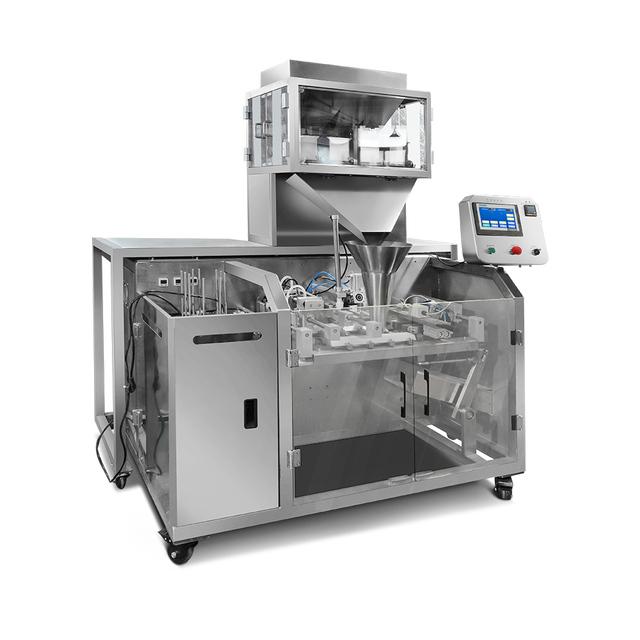
Operators spend less time manually measuring and closing each pack and more time feeding materials, checking results, replenishing film or pouches, reviewing alarms, cleaning, and coordinating downstream packing. This can improve consistency and ergonomics, yet staffing cannot be estimated from the machine frame alone. Include bulk-product delivery, packaging-material movement, inspection, case packing, pallet flow, sanitation, and maintenance. The control system can also collect counts, fault times, recipe use, and other production information if those functions are specified and interpreted correctly. Data should help teams find recurring losses, not create unsupported efficiency claims. Define ownership for reviewing trends and converting an alarm history into corrective work.
Compare the proposed granular packing machine with the current method under equivalent product and quality rules. The matrix below shows evidence that purchasing, engineering, and production can review together.
| Benefit area | Measurement | Condition to record |
|---|---|---|
| Dose consistency | Consecutive accepted measurements and rejects | Product lot, supply level, refill, and restart |
| Product quality | Breakage, fines, appearance, and mix observations | Feeder settings, drop path, and operating rate |
| Usable output | Accepted packs over a defined production window | Stops, interventions, material changes, and staffing |
| Changeover | Elapsed time to first approved next-format pack | Parts, cleaning, recipe, and release inspection |
| Housekeeping | Spill locations, retained product, cleaning effort | Refill method and product characteristics |
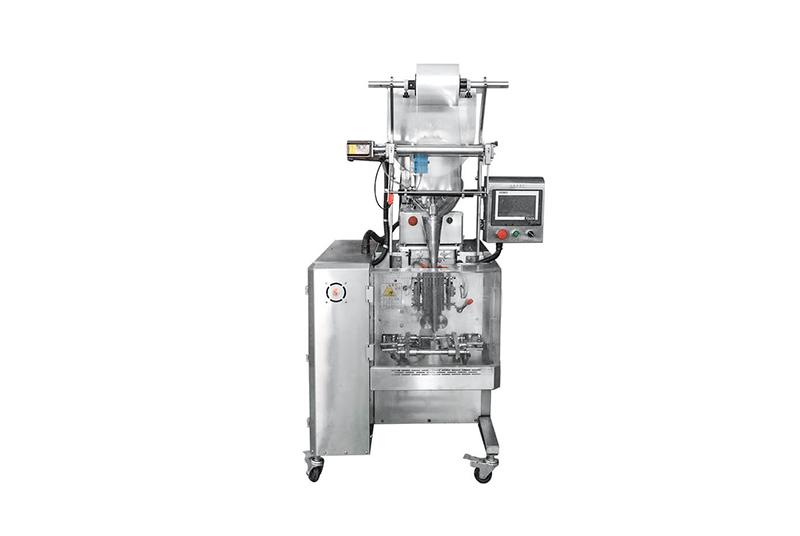
Issue suppliers the same product and package brief, then require a configuration list covering feeder, dosing method, quantity range, product-contact construction, pack range, seals, coder, controls, utilities, guarding, interfaces, manuals, training, spares, and exclusions. The granular packing machine range provides an equipment starting point, but approval should follow witnessed operation with representative and difficult product lots. Run cold startup, normal production, low level, refill, stop, restart, and one meaningful format change. Keep finished packs, setup sheets, component identifiers, software revision, and unresolved-item records. This evidence lets the buyer value efficiency, accuracy, flexibility, and labor changes without converting general features into guaranteed plant results.
Are weighers always more accurate than volumetric cups? Not under every condition. Product flow, density variation, target quantity, feeder control, calibration, and the owner's measurement method influence the result. Test both concepts where selection is uncertain.
Can one granule machine pack nuts and sugar? A platform may support them with different dosing parts and cleaning controls, but particle size, fragility, oil, allergens, dust, quantity, and package opening must be reviewed separately.
How should machine speed be compared? Count accepted packs during defined operating phases and record refill time, rejects, stops, product damage, and interventions. Nominal cycles do not show the complete result.
What causes granules to enter the seal? Overfill, poor headspace, bouncing product, mistimed discharge, static, inadequate settling, or unstable pouch control can place pieces in the closing area.
Which documents support changeover? Use an approved part list, setup sheet, recipe reference, cleaning status, first-off checklist, retained sample, and authorization for release.
Granular packaging automation can deliver meaningful gains in measurement, handling, cleanliness, information, and labor deployment, but those gains depend on a matched dosing method and a controlled product path. Buyers should evaluate difficult lots, protect fragile pieces, define each package conversion, and measure accepted output. A shared scorecard and witnessed test turn broad advantages into results that the plant can maintain. Documenting those material routes and recovery limits also helps finance teams compare total operating effort instead of looking only at the price of the packaging frame. It gives supervisors a clearer basis for staffing, training, and future improvement work.

YISEN MACHINERY - The ONE-STOP VFFS PACKING MACHINE SOLUTION SUPPLIER
 Tel: +8617350750975
 Email: info@vffspackingmachinery.com
 MP/WhatsApp: +8617350750975
 Manufacturer Address:Meixi Road, Tongan District, Xiamen,Fujian,China