

Hot Keyword:
Author:YISEN Pouch Packing Machine Manufacturer TIME:2026-09-28
Approve pouch material only after production-representative pouches or rollstock run with the actual product on the quoted machine. The test should connect material construction and dimensions to feeding, opening or tracking, filling, seal cleanliness, finished-pack defects, retained samples, and clear triggers for reviewing a future supplier or lot change.
Freeze a commercial material specification before the trial. Record laminate or web construction, thickness, sealant layer, pouch dimensions, zipper or spout features, print repeat, winding or stack orientation, surface treatment, and supplier tolerances that affect machine handling.
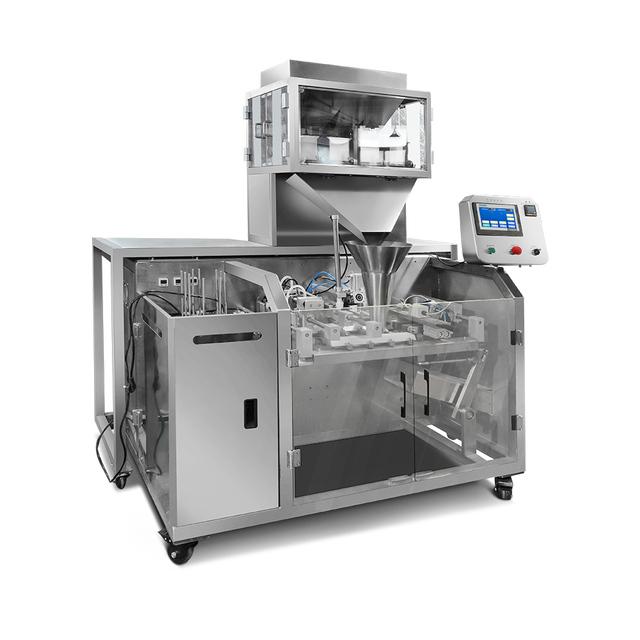
Share the final specification and retained examples with purchasing, quality, and production so a commercial substitution cannot be approved by price or appearance alone.
Control trial material storage: Record how pouches or rolls were packed, transported, conditioned, and exposed before testing. Compression, humidity, heat, dust, damaged edges, curl, and poor stack alignment can change feeding or sealing. Compare the test condition with the buyer's intended warehouse and line-side practice, and note any conditioning instruction required before material is loaded.
Lock approval and substitution rules: Store the pouch specification, supplier and lot, machine recipe, settings, speed, sample method, accepted and rejected examples, and responsible sign-off. Define which dimensional, structural, supplier, print, zipper, spout, or sealant change requires document review or another production test. A similar appearance does not prove interchangeability.
Inspect delivered test material before blaming the machine. Check width and length, mouth opening, top-seal area, gussets, zipper position, stiffness, curl, surface slip, roll edges, winding, splices, packing condition, and traceable lot identity.
| Material area | What to identify | Machine evidence |
|---|---|---|
| Construction | Supplier, structure, thickness, sealant side, and lot | Sealing window and finished samples |
| Geometry | Width, length, gusset, zipper/spout, seal band, and tolerance | Pickup/forming, opening, fill clearance, and seal location |
| Surface | Friction, stiffness, curl, treatment, print, and registration | Tracking, transfer, code, and reject behavior |
| Supply | Winding/stack orientation, storage, joins, and normal variation | More than one representative roll or stack when possible |
Material-test terminology: Commercial sample means production-representative supply. Material path includes every feeding, forming, opening, filling, sealing, coding, and transfer contact. A retained sample links the pouch lot to machine settings and result.
Create incoming-release checks: Translate the approved trial into practical dimensions, orientation, visual condition, print and registration, zipper or spout checks, reel or stack presentation, lot identity, and supplier documents. Incoming inspection should not attempt to repeat every machine test, but it should catch changes that can affect the saved setup. Isolate a questionable lot until material and production evidence support release.
Send production-representative material: Provide dimensioned pouches or rollstock from the intended supplier, including zipper, spout, gusset, print mark, notch, sealant orientation, and surface features. Identify construction, thickness, tolerances, winding or stack direction, storage, and lot. A hand-selected sample can support early screening but should not be treated as proof of normal supply variation.
Observe the entire material path. Premade pouches must feed, separate, pick, transfer, open, and remain controlled; rollstock must unwind, track, register, form, seal, and cut. Record corrections and rejected material during each transition.
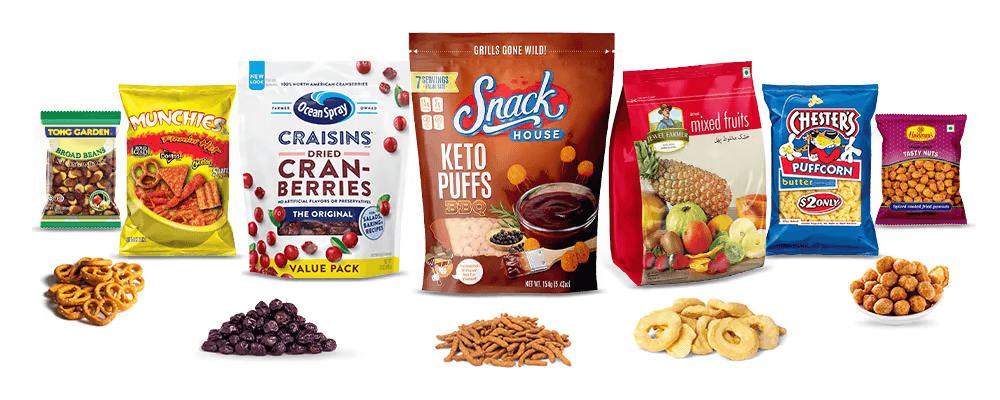
Record who may approve deviations and require production to retain the first released sample after a new lot or material setup. Keep the lot on hold when opening, tracking, seal, code, or finished appearance cannot reproduce the approved boundary.
Observe the complete material path: For premade pouches, check stack presentation, pickup, transfer, mouth opening, zipper separation, holding, filling, and top sealing. For rollstock, check unwind, tension, registration, forming, longitudinal seal, cross seal, and cut. Record manual adjustments, rejected material, and the response to a missing or unopened pouch. The trial should expose how material properties affect the actual quoted machine.
Use the intended product and target fill because product flow changes the package interface. Verify entry clearance, headspace, zipper protection, settling, dust or liquid contamination, pouch support, and the time available before the seal closes.
| Trial phase | Material risk exposed | Evidence |
|---|---|---|
| Setup | Threading/loading, adjustment, and initial waste | Rejected pieces and first released pouch |
| Stable run | Tracking/opening, filling, sealing, and code | Distributed accepted and failed samples |
| Refill/change | Product contamination or material-lot transition | Before/after samples and intervention |
| Stop/restart | Heat, curl, registration, pickup, and recovery | Restart rejects and release condition |
Match each trial pouch or roll to its construction, supplier lot, dimensions, orientation, storage history, and intended product. Machine settings are meaningful only when the tested material can be traced back to the commercial specification purchasing will order. Review the pouch packing machine page against this recorded scope.
Separate failure sources: Keep failed samples and map the location. A wrinkle may follow pouch manufacture, storage, pickup, product entry, or jaw contact; a weak seal may follow material structure, contamination, pressure, heat, or cooling. Change one relevant variable at a time and repeat the affected phase. Avoid raising temperature to hide a mechanical fold or trapped product.
Use the real product at the intended fill: Product bulk, dust, pieces, oil, temperature, or viscosity can affect opening, headspace, contamination, and sealing. Collect output before and after refill and after a normal stop. Inspect zipper and spout areas, folds, corners, gussets, registration, code, seal continuity, and handling. Empty-pouch trials cannot show whether product crosses the sealing band or stresses the finished pack.
Build a material-specific sealing window using production product and clean, conditioned pouches. Vary one controlled factor at a time, label accepted and failed pieces, and inspect continuity, channels, wrinkles, distortion, zipper or spout areas, and cooling behavior.
Separate material qualification from the setting used for one successful sample. Give each trial setting an identifier and keep the surrounding settings that failed, so the proposed operating window has observable boundaries. Compare pouches only after the agreed cooling and conditioning interval. A seal that looks continuous while warm may change during handling, so record when each inspection occurred. Where printed film is involved, inspect the bond and appearance on both printed and unprinted areas. Ask the material supplier to explain any construction or surface-treatment difference before extending approval to the next commercial lot.
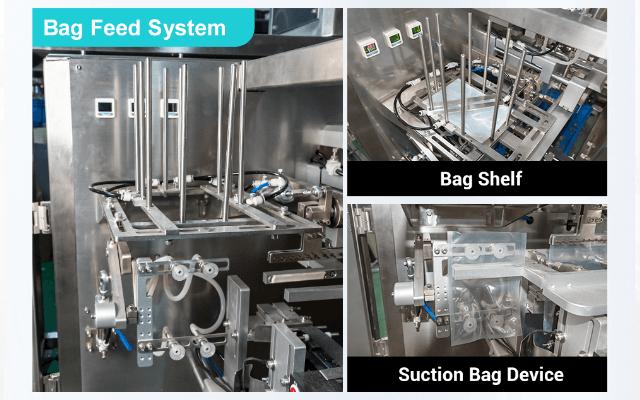
Sample startup, released stable production, material replenishment, product refill, a normal stop, and restart. Include more than one bundle or roll where possible so an adjustment made to a selected sample is not mistaken for normal lot tolerance.
Material approval remains valid for the recorded feeding, opening or tracking, filling, seal, cooling, and handling result. A change in laminate, sealant, treatment, friction, zipper, spout, print, dimensions, supplier, or storage condition must follow the written retest trigger.
Pouch review: Material approval must cover normal supply variation and real product, not only a selected empty pouch. Keep failed pieces because defect location often distinguishes material, setup, product, and machine causes.
A useful pouch-material approval links each test sample to a traceable roll and machine recipe. Record laminate construction, thickness, sealant layer, roll width, winding direction, print repeat, registration mark, coefficient-of-friction behavior, and any supplier tolerance that affects feeding. Run low, normal, and high points within the proposed sealing window, then inspect seal continuity, wrinkles, distortion, zipper or spout areas, and product contamination at the top seal. Observe tracking during startup, stable speed, splice passage, stop-and-restart, and near the end of the roll. Retain both accepted and failed pouches with temperature, pressure, speed, jaw, and film-batch data. If the material supplier later changes resin, adhesive, treatment, ink, thickness, or slip level, define whether a new trial is required. This evidence prevents a visually similar replacement film from being released before the forming, pulling, cutting, coding, and sealing behavior has been checked on the intended machine under normal production conditions.
Classify whether a defect begins in material manufacture, storage, feeding, product entry, sealing, cooling, or later handling. Keep failed samples and photographs tied to settings instead of changing several machine parameters until the evidence trail disappears.
Approve the pouch with retained samples, a machine recipe, and substitution rules. State which changes in resin, adhesive, thickness, treatment, print, friction, dimensions, sealant, zipper, spout, supplier, or storage condition require another focused test. The approval record should identify the material lot, sample labels, test date, machine and software revision, measurement tools, witnesses, accepted operating window, known limitations, deviation authority, and the person who releases the first production lot. Purchasing should not accept a substitute against price or delivery pressure until quality and production have reviewed the affected machine evidence. Record that decision in the controlled material register.
How many pouches are needed for machine testing? Supply enough for setup, stable operation, refills, stops, restarts, measurements, retained samples, and expected rejects. The supplier should state the test quantity against the agreed run plan.
Can empty pouches prove sealing quality? They can support initial setup, but final approval should use the actual product and fill because contamination, headspace, weight, and handling can change the seal result.
Why do pouches from another lot open differently? Dimensional variation, stiffness, friction, curl, zipper condition, surface treatment, storage, and stack orientation can affect pickup and opening.
Should a failed pouch be discarded during the trial? Retain and label representative failures so the team can connect location, phase, setting, material lot, suspected cause, correction, and repeat result.
When should an approved pouch be retested? Retest when properties tied to feeding, forming, opening, filling, sealing, coding, or handling move outside the approved specification or produce unexplained defects.
Pouch material testing must cover commercial supply, machine handling, real product entry, sealing, production transitions, and defect investigation. A good-looking empty sample is only one small part of that evidence.
Approve the material with a controlled specification, recipe, retained samples, and substitution triggers. This protects production when lots, suppliers, structures, or pouch features change.

YISEN MACHINERY - The ONE-STOP VFFS PACKING MACHINE SOLUTION SUPPLIER
 Tel: +8617350750975
 Email: info@vffspackingmachinery.com
 MP/WhatsApp: +8617350750975
 Manufacturer Address:Meixi Road, Tongan District, Xiamen,Fujian,China