

Hot Keyword:
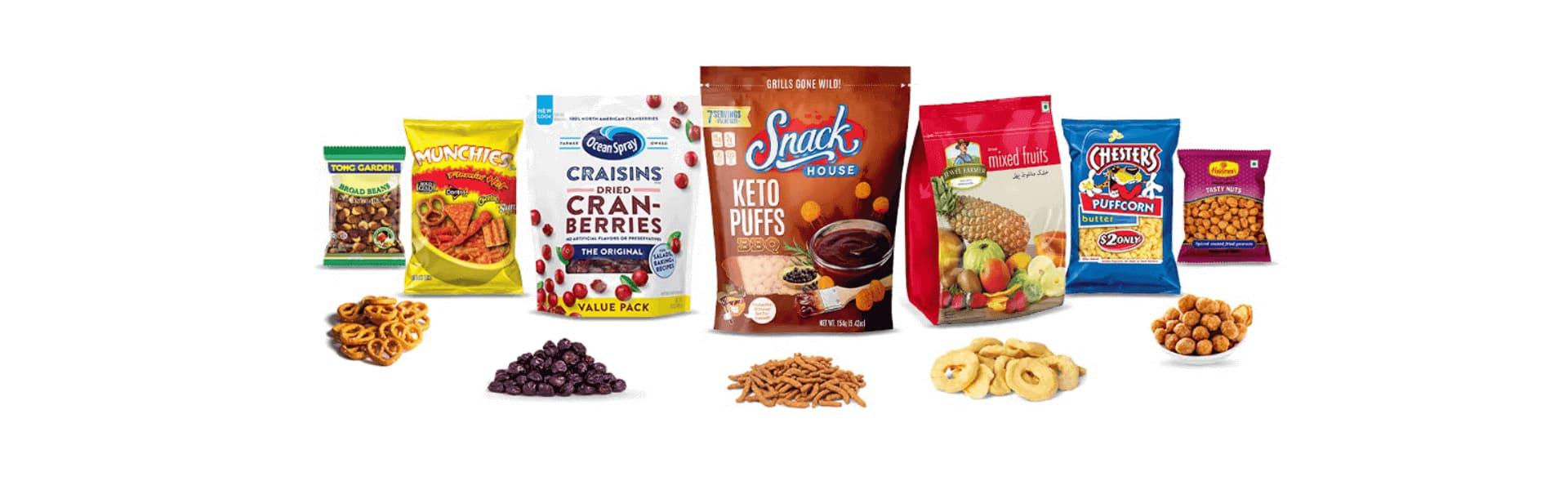
Fresh vacuum packaging solutions is a practical solution framework for premade zipper, stand-up and spouted pouches. Start from the product and package, map the required modules, then use sample testing and commissioning evidence to approve the final scope.
Article Directory
Fresh vacuum packaging solutions should begin with the finished-pack result, not a machine model. Define the product, target fill, bag or pouch, production pattern, hygiene boundary, utilities, operator skill and evidence required at approval. This prevents a broad premade zipper, stand-up and spouted pouches claim from being mistaken for a complete line design.
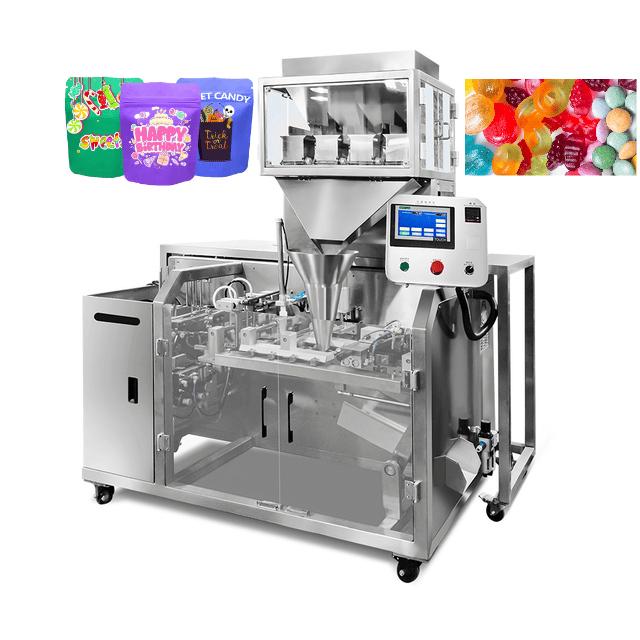
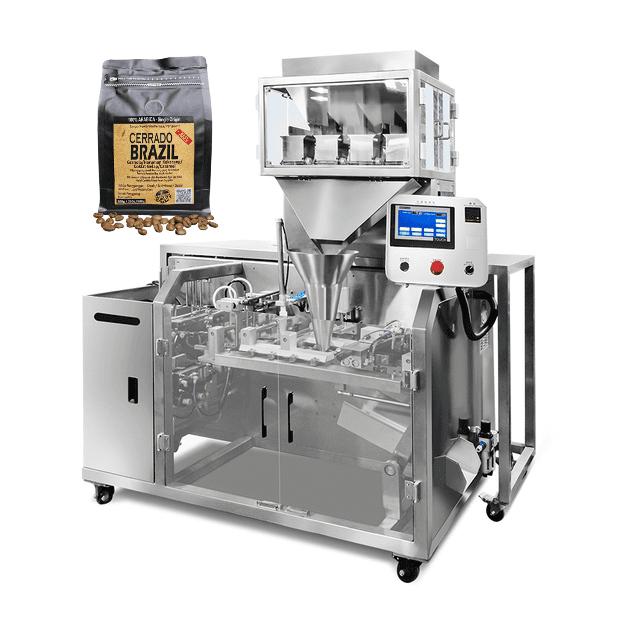
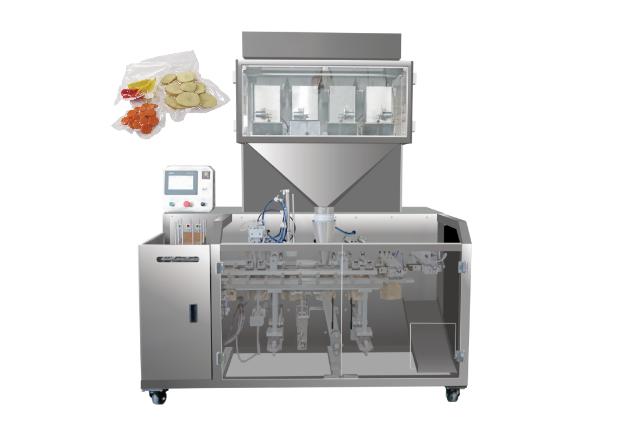
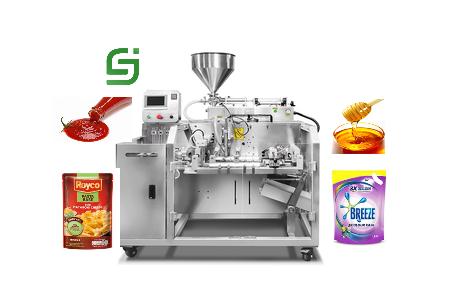
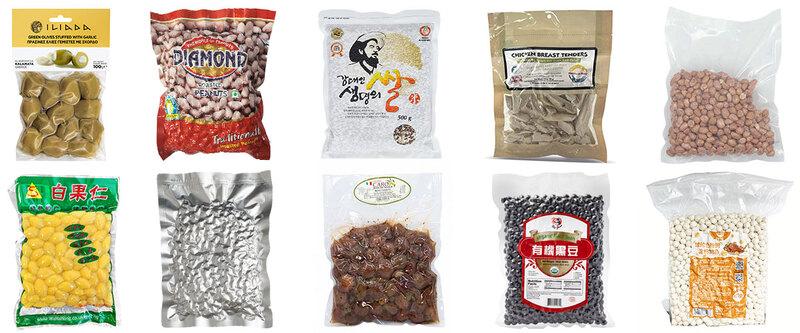
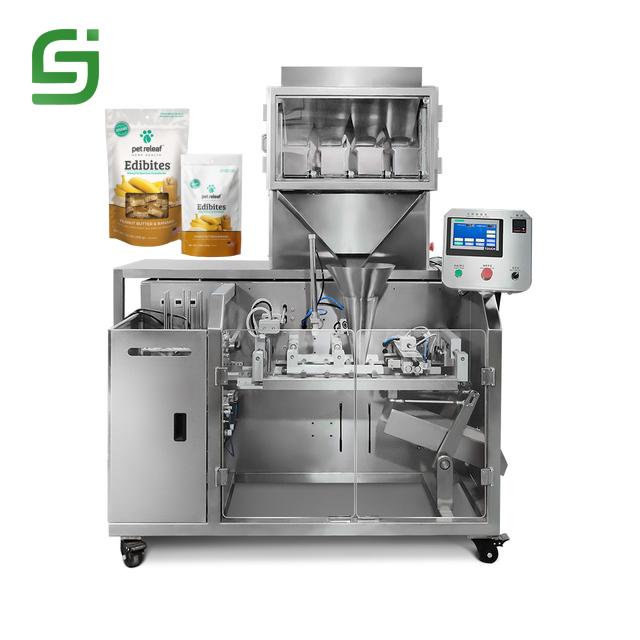
Current page note: SP160 Horizontal Premade Pouch Packaging Machine Fresh Vacuum Packaging Solution Application Range The SP160 horizontal premade pouch packaging machine is ideal for vacuum packaging various fresh products such as meat, seafood, fruits, vegetables, and pickled goods. Whether preserving the original flavor of meats or extending the freshness of seafood, the SP160 adapts to different fresh product packaging needs, providing businesses with an efficient and reliable vacuum packaging solution. Solution Highlights Flexible Adaptation to Various Pouch Types The SP160 is compatible with standard premade pouches and also supports stand-up pouches, fla
Record flow, density, moisture, particle size, stickiness, fragility, temperature, viscosity or dust as relevant. The sample plan should include normal lots and the difficult condition that may expose bridging, segregation, splashing, powder carryover or seal contamination.
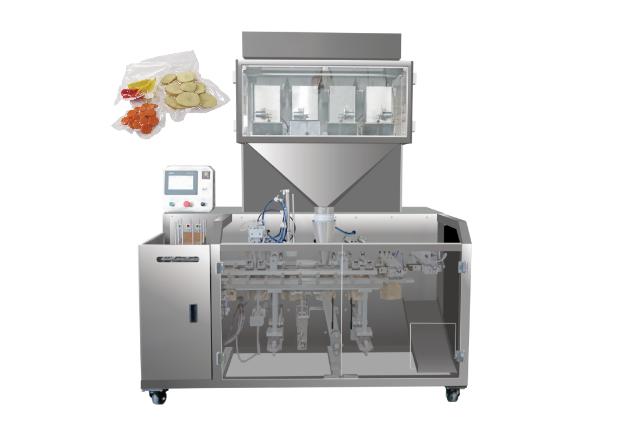
Confirm bag width and length, premade pouch dimensions, zipper or spout, film structure, sealant layer, coding location, headspace and downstream handling. Retain material samples and state which formats require different parts or settings.
Review feeding, dosing, forming or pouch presentation, filling, sealing, coding, discharge and optional inspection as one sequence. Identify interfaces, responsibilities and manual interventions. A solution is credible when each module has a measurable role and a named acceptance check.
Map the parts removed, settings changed, product-contact surfaces cleaned, tools required and release checks. Include recipe handling, sensor verification, alarm recovery, sanitation access, wear-part inspection and training for the installed configuration.
The supplier and buyer should agree on samples, test duration, accepted-pack criteria, weighing or filling checks, seal inspection, code review, reject handling, startup, refill, stop and restart. Separate recorded evidence from conditions that must be confirmed after installation.
The handover should include a configuration list, approved samples, drawings, manuals, spare parts, preventive-maintenance tasks, training record, open-point log and responsibilities for utilities and downstream equipment.
| Decision area | What the solution must define | What closes the decision |
|---|---|---|
| Requirement | Configuration response | Approval evidence |
| Product | Feeding, dosing, filling and cleaning boundary | Representative product trial |
| Package | Bag or pouch format, sealing and coding | Approved material and finished-pack checks |
| Operation | Changeover, controls, training and maintenance | Demonstration and handover record |
| Risk | Interfaces, rejects, utilities and open points | Named owner and closure evidence |
What should be fixed before a solution is quoted? Fix the product sample, package format, target fill, operating pattern, utilities and acceptance criteria.
Can one configuration cover every package format? Only when representative testing proves the range; otherwise list change parts, settings and exclusions explicitly.
Why include commissioning in the solution? Installation, material variation, operator practice and downstream interfaces can change the result after FAT.
What makes a solution easy to operate? Clear recipes, accessible adjustments, useful alarms, defined changeover parts, training and a documented release sequence.
Compare the written requirements with the related machine category, then close the scope through sample tests, configuration records and a controlled handover. The solution should make limits visible before payment and before installation.



YISEN MACHINERY - The ONE-STOP VFFS PACKING MACHINE SOLUTION SUPPLIER
 Tel: +8617350750975
 Email: info@vffspackingmachinery.com
 MP/WhatsApp: +8617350750975
 Manufacturer Address:Meixi Road, Tongan District, Xiamen,Fujian,China