

Hot Keyword:
Author:YISEN Pouch Packing Machine Manufacturer TIME:2026-10-20
Before approving a Tea Bag Manufacturing Machine layout, obtain the load and contact details for each floor support, plus the space needed to withdraw named service parts. Machine weight and overall dimensions cannot answer either question alone. Have the equipment supplier define the ordered arrangement and the site's responsible reviewer approve its placement before the floor layout becomes a purchase commitment.
Ask maintenance to name the work that must remain possible after the machine occupies its final position. Choose representative tasks from the offered equipment: withdrawing a supplier-designated service assembly, removing an approved product-contact part, servicing an identified drive assembly, or accessing a control enclosure under the supplier's procedure. Include only tasks relevant to the purchased configuration.
For each task, ask the supplier to identify the part, access face, movement direction, necessary tools and any approved handling device. Distinguish a person reaching an inspection point from a component leaving its mounting position. A narrow opening might permit observation while preventing removal of the component behind it.
Use these tasks to brief the layout designer before adjacent equipment is fixed. The aim is to buy usable space for specified work, rather than request an unexplained clearance around every side. Actual maintenance methods, isolation and handling remain subject to the equipment documentation and the site's authorized personnel.
Sort the supplier's submissions by the decision they can support. An outline, a shipping document and a service drawing may all describe the same machine but answer different questions. Return an incomplete submission with the missing decision identified, so purchasing does not treat a familiar model name as sufficient approval.
| Submission available | Question it can help answer | Purchase decision still open |
|---|---|---|
| Overall equipment dimensions | Where the closed machine envelope sits | Support loads and space for removed parts |
| Declared operating mass | Which loaded configuration the supplier describes | Reaction and contact interface at each support |
| Support coordinates with reactions and contact details | What information the site floor reviewer must assess | Approval of the actual floor location |
| Task-specific opening and withdrawal drawing | Where tools, people and removed components need space | Witnessed access with surrounding equipment represented |
| Reviewed placement and demonstrated service routes | Whether the proposed position covers the agreed tasks | Any unrepresented load state or service task |
The result should be two explicit approvals: support suitability for the selected location and spatial feasibility for the named service tasks. Keep either approval open when its evidence is missing; passing one does not automatically establish the other.
A total mass entry does not state how the equipment transfers load into the floor. Ask the machinery supplier for the reaction at each identified support, including the units, load state and basis of the submission. Dividing a brochure weight equally among visible feet would assume a distribution that the supplier has not confirmed.
Have the supplier identify whether its figures describe the stationary arrangement only and what additional operating effects require review. If it supplies separate cases, keep each case identifiable. Purchasing should transmit the controlled information to the floor reviewer rather than select an assumed allowance or turn a mass figure into a structural design.
The stored YS-169 product reference contains conflicting machine-weight entries. That is a reason to request a configuration-specific clarification. Neither entry settles the reaction at a particular foot, and a value chosen from the neighboring product page would not resolve the discrepancy.
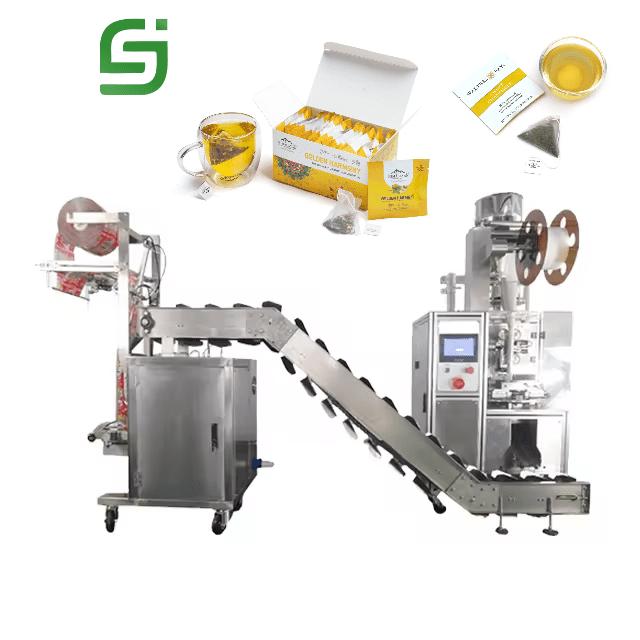
This product-page composite shows separate units and a conveyor beside tea samples. It supplies arrangement context, not floor reactions, shared support details or proof that every pictured item is included.
Request a plan identifying the position of each support relative to a common machine reference. Number the supports so their coordinates connect unambiguously to the reaction schedule. Ask the supplier to distinguish floor-contacting elements from wheels or temporary handling features, and to describe the arrangement used during normal operation.
The contact interface also needs a controlled description. Ask what bearing surface, foot, plate or other supplied component meets the floor and what information the site reviewer needs about it. A reaction without its location and contact geometry leaves the receiving team unable to assess that interface properly.
Where leveling, restraint or anchoring forms part of the offered design, obtain the supplier's documented requirements and identify who reviews and supplies any site work. Do not choose pad dimensions, anchor patterns or substitute supports from a photograph. Record whether those items are included, separately supplied or still awaiting an agreed design.
Connect the support schedule to the exact equipment list. Ask whether the declared case includes the relevant product inventory, material rolls, installed attachments and quoted auxiliaries. A base-unit submission should not silently become approval for a heavier or differently supported arrangement after an option is added.
Separate components resting on their own supports from those whose loads enter the main frame. An outer wrapping unit, conveyor or proposed supply assembly requires its own confirmation if included. The connected-line artwork cannot establish which component supports another or whether their feet share load.
Ask the supplier to identify the limiting states it wants the floor reviewer to assess. These may differ from an empty demonstration condition. If a later change affects position, loading or support geometry, return the affected schedule for review. This is control of the mechanical purchase basis, not a calculation of a universal machine loading factor.
Give the responsible site reviewer the proposed support coordinates, reaction cases, contact details and actual equipment orientation. That reviewer assesses the receiving location using the site's floor information. A building-wide statement about floor capacity cannot by itself replace review of the submitted support positions.
Ask the site team to mark relevant joints, openings, existing obstructions and other location constraints on the common layout. Purchasing should keep any resulting placement restrictions with the supplier drawing. If the machine turns or moves during layout revision, verify whether the approved support locations remain valid.
Where additional site work is required, request an identified scope and its responsible designer before comparing completed quotations. Keep unresolved work visible in the order. A supplier-confirmed support drawing and a site-approved floor location are complementary records, with different owners; neither party's informal assurance should be substituted for the other's submission.
For each selected service task, show the installed component, the opening used and the path to its supported temporary position. Include the actual direction of withdrawal. A supplier-designated shaft or long service assembly may need space beyond an open door; the offered equipment's documentation must establish its permitted removal route.
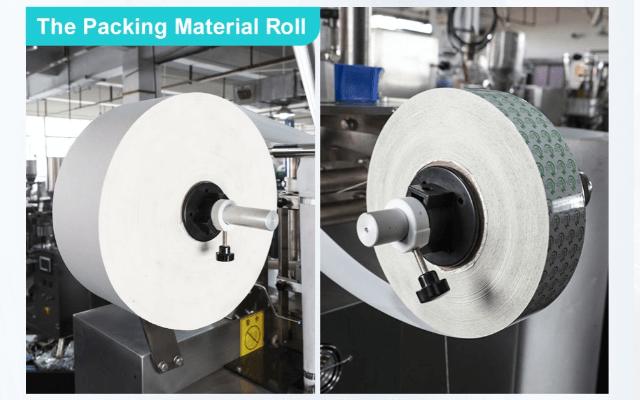
These YS-169 photographs show mounted rolls that may occupy nearby layout space. They establish no maintenance withdrawal corridor, service-part dimensions or permitted access route for the buyer's configuration.
Mark space for the approved handling device, tools and people separately from the component's swept path. Show where the removed part can be placed without blocking its return. A door opening into free space does not prove that a long component behind it can leave the machine. Keep this maintenance route distinct from the workspace accepted for normal material replenishment.
Distinguish space permanently kept clear from space released through an agreed movable arrangement. If a neighboring item must move, name it and document that dependency. Do not count an aisle as service space until the site team confirms that the task can use it under the approved operating plan.
Ask authorized supplier personnel to demonstrate the selected tasks using the documented methods. Represent the intended nearby wall, conveyor, enclosure or other restriction with an agreed layout or suitable physical boundary. Record what the representation covers; an unrestricted workshop demonstration cannot establish access in a tighter installed position.
Observe opening, tool access, component movement, temporary support and return. Note any neighboring equipment moved or additional handling device used. If the task needs a route absent from the drawing, amend the layout and repeat that part of the demonstration before describing the service space as accepted.
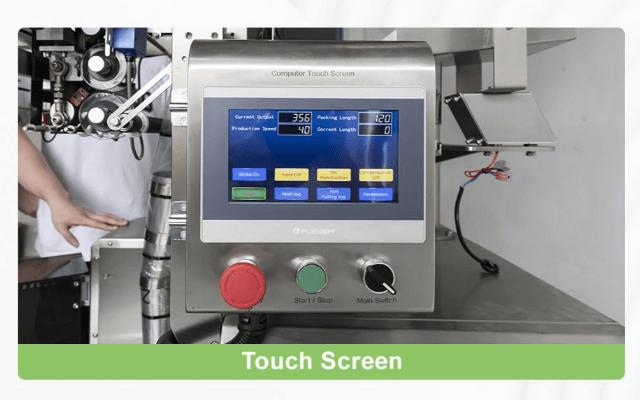
The YS-66 close-up shows a control housing and physical buttons. Cabinet opening, internal service access and the required working space need their own supplier evidence.
Keep unshown tasks listed as unverified. The spatial witness proves the agreed access route, while technical service completion and subsequent machine release still follow their separate supplier procedures.
Attach the final equipment list, support schedule, site-reviewed placement and task-specific service drawing to the order. Identify current revisions and the party responsible for each unresolved entry. If a supplier prices access improvements or a different support arrangement, require drawings defining the change before accepting its commercial description.
Use the Tea Bag Manufacturing Machine range to identify the equipment family, then obtain this mechanical package for the offered version. Archive the service witness against that same version. The purchasing result is a placeable, serviceable arrangement with documented limits, rather than an assumed floor approval derived from overall weight and dimensions.
Can the machine weight be divided equally among its feet?Only if the responsible supplier confirms that distribution for the stated configuration and case. Otherwise, request support-specific reactions. Foot count and total mass alone do not establish the loading schedule needed by the site reviewer.
Does a reviewed floor location allow the machine to face another direction?Check the revised support coordinates with the site reviewer. Rotation changes where supports sit and can alter service routes. Preserve the original approval while obtaining a decision for the proposed placement.
Can temporary movement of a nearby conveyor count as service access?It can form part of an explicitly agreed arrangement if the responsible teams approve and demonstrate that dependency. Identify the conveyor, movement method and resulting route. Do not assume nearby equipment can be moved whenever maintenance needs space.
Should a separately supported wrapper appear in the main machine schedule?List it in the complete purchase package, but ask the supplier to distinguish its own supports from any loads transferred to the main frame. Keep both submissions connected to one reviewed arrangement without merging their figures by assumption.
Is the packed shipping mass suitable for floor approval?It may include packaging and may describe a different equipment state. Request the supplier's operating load cases for the actual assembly. Retain shipping information for its stated purpose rather than treating it as a per-support floor submission.
Approve a location only when its support information and service paths refer to the same ordered arrangement. The machinery supplier defines each support interface and relevant load case; the site reviewer assesses the intended floor position. Maintenance then witnesses the agreed removal tasks within the represented surroundings. Keep those approvals on the final placement drawing so a later option, relocation or obstructed service route produces a specific review request.

YISEN MACHINERY - The ONE-STOP VFFS PACKING MACHINE SOLUTION SUPPLIER
 Tel: +8617350750975
 Email: info@vffspackingmachinery.com
 MP/WhatsApp: +8617350750975
 Manufacturer Address:Meixi Road, Tongan District, Xiamen,Fujian,China