

Hot Keyword:
Author:YISEN Pouch Packing Machine Manufacturer TIME:2026-10-30
A Doypack Packing Machine may use vacuum to lift or open empty pouches without removing air from the filled package. If evacuation is required, ask the supplier to name that function in the offer and demonstrate the filled pouch through evacuation, sealing and release. A pump, suction cup or pickup pressure signal alone cannot establish that capability.
During pouch handling, suction can hold an empty pouch against a cup or help separate its faces. The intended result is a pouch presented for filling. The vacuum acts at the handling interface; seeing that action tells the buyer about pickup or opening, not the air remaining inside a subsequent filled pack.
Package evacuation is a different purchase requirement: removing air from the pouch containing the product before its final closure. To assess that requirement, the buyer needs an explanation of the offered connection to the package interior and how the package proceeds to sealing. Neither the word vacuum on a quotation nor the presence of a vacuum-producing device identifies that arrangement.
Start the discussion by asking which object the quoted vacuum acts on, and at what point in the pouch cycle. This question helps separate an empty-pouch handling feature from a proposed filled-package function before comparing suppliers.
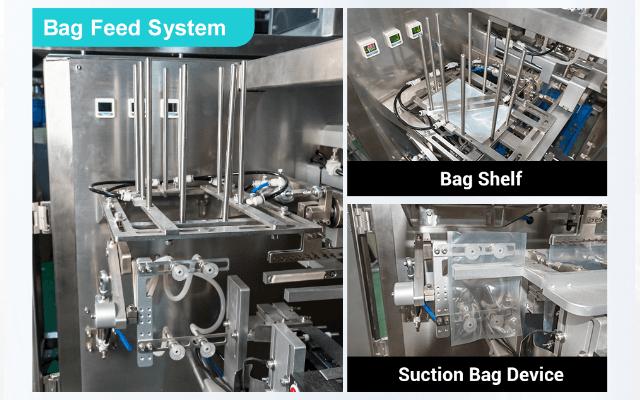
The current YS-SP180K premade vacuum food machine description, product 1744, discusses loading, evacuation and final sealing together. That wording supports asking the supplier about an offered package-evacuation arrangement. It is not evidence that an individual machine has completed a successful run with the buyer's product, or that every configuration sold under a related model name contains the same equipment.
Product 1414, the premade zipper granule machine, describes picking, opening, filling and top sealing. Its narrative also mentions a stored touchscreen vacuum setting and calls for a named configuration and trial. A setting needs clarification: the description does not make package evacuation an established feature of every offered 1414 machine.
Use the Doypack Packing Machine category to identify the platform under discussion, then refer the supplier to the exact quotation revision. Shared product families and similar model labels cannot resolve a difference in the function being purchased.
If both jobs matter, request separate offer lines named "empty-pouch pickup and opening suction" and "filled-pouch evacuation before final sealing." These are proposed descriptions for the purchasing discussion, not a statement that either function is included in a particular supplier's standard delivery.
For each line, ask the supplier to identify the applicable assembly, its purpose, the pouch state when it operates, and the associated control indication. For the evacuation line, also ask who supplies the equipment that connects the vacuum function to the filled package and who takes responsibility for its interface with final closure.
A useful function schedule can hold these answers alongside exclusions, the party responsible for each unresolved item, and the witness evidence to be agreed. Where the quotation only says "vacuum system," return it for a functional description. A detailed component list can still leave the central buying question unanswered.
Different observations support different conclusions. Use the comparison below to decide what a supplier demonstration would actually establish, rather than treating all vacuum-related evidence as interchangeable.
| Claimed job | Physical point | Scope to identify | Witness evidence to request | Conclusion still unsupported |
|---|---|---|---|---|
| Empty-pouch pickup | Cup against the empty pouch exterior | Quoted pickup assembly | Identified pouch lifted and transferred | Air removed from a filled package |
| Pouch opening | Empty pouch faces at opening | Offered opening arrangement | Mouth presented for the intended fill | Evacuation after product enters |
| Vacuum supply or indication | Named pump line or sensing point | Served circuit and signal meaning | Supplier explains the physical connection | Package condition inferred from an unrelated circuit |
| Filled-pouch evacuation | Package interior before closure | Named evacuation and closure arrangement | Identified filled pack, agreed measurement and sealing sequence | Other products, untested configurations or storage outcomes |
If only the first two rows have been demonstrated, keep any filled-package evacuation requirement open in the purchase review.
Ask the supplier to locate the proposed evacuation stage after the product has entered the pouch. Have them identify how the offered arrangement communicates with the pouch interior and where final closure occurs relative to that action. This is a request to explain supplied equipment, not a requirement to adopt a particular vacuum-system design.
The explanation should account for the transition from the evacuation stage to the closed package. If the demonstration ends with an open pouch or starts with an already closed sample, the buyer has not witnessed the full offered function. Ask what occurs during any intervening movement and which assembly owns that part of the sequence.
A machine layout can clarify the proposed route, while an agreed demonstration can connect it to an identifiable pack. Keep any separate equipment visible in the scope: a display machine and an off-line device used to prepare the sample are not automatically one delivered system.
Also ask whether the shown run actually uses the offered evacuation function. An installed assembly may be outside the demonstrated configuration, and a product passing through the machine does not establish that every listed function operated. If the supplier proposes a demonstration with evacuation omitted, keep its evidence limited to the actions shown and request separate clarification of the remaining requirement.
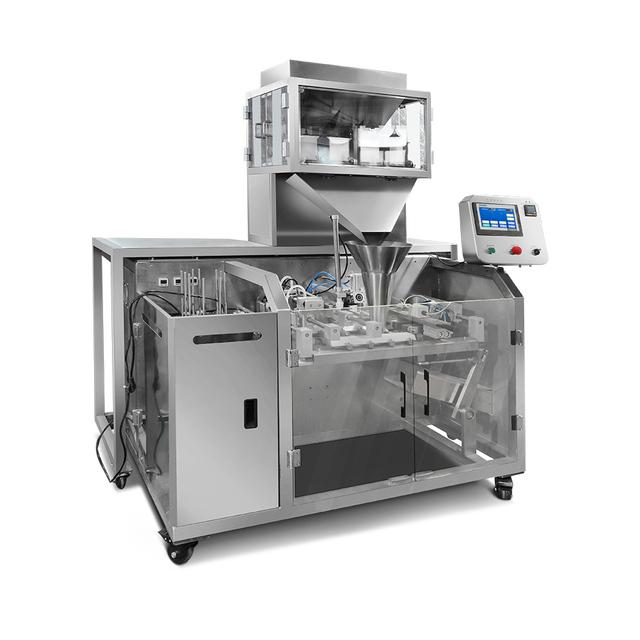
If a package-evacuation trial is proposed, agree which product, fill condition and pouch revision it represents. Product 1744 specifically raises product shape, free liquid and air space as matters affecting evaluation. Those concerns justify sample-specific questions; they do not establish the performance of a different product on the quoted equipment.
For a dried-fruit enquiry, the dried-pineapple zipper-pouch page, product 1805, provides context about fruit condition and pouch presentation. It does not demonstrate dried-fruit vacuum capability. Ask for the intended combination to be assessed rather than transferring a vacuum description from another application or a similar model label.
Keep changed samples explicit. If the supplier substitutes an easier load or a different pouch during the demonstration, record which claim that run can support. Agreement on a convenient demonstration sample should not silently become approval of the buyer's untested combination.
A pressure indication needs a physical address. Ask whether the displayed value relates to the pickup circuit, another machine circuit, or a measurement intended to represent conditions associated with the filled package. The supplier should explain that relationship before the number is used to support a package-evacuation claim.
A pump specification describes a component. A cup signal can concern attachment to a pouch surface. A touchscreen recipe can describe a command. None of these observations, by itself, measures the air removed from the filled pack. Even a genuine vacuum-related signal can answer the wrong purchasing question when its sensing point is unclear.
For an offered evacuation function, ask the supplier to propose what will be measured, where and when, and how the evidence will relate to package identity and final closure. Agree the interpretation before the witness session. This article supplies no vacuum target or measurement method; an unexplained reading remains insufficient evidence for accepting the claim.
Before arranging a demonstration, ask whether the supplier can provide a record connecting the quotation revision, fitted equipment, product sample and pouch revision. If agreed, the record should distinguish the handling observations from the proposed package-evacuation evidence and identify any portion that could not be witnessed.
Video can help show where the identified pouch travels. It should be interpreted with the supplier's explanation of the measurement location and sequence, rather than treated as a measurement itself. A close-up of a moving cup or an unlabeled finished pack leaves the relationship between function and output uncertain.
Consider finished shape, zipper condition and visible product damage as separate observations if they matter to the purchase. A pack looking compressed does not establish how it was evacuated. Equally, evidence of an evacuation action does not automatically settle whether the resulting presentation meets the buyer's requirements.
For an unanswered item, record the question itself and who will supply the missing explanation or demonstration. Distinguish something witnessed from something only described in a document. This gives both parties a specific next action without converting an incomplete session into an implied acceptance of the filled-package function.
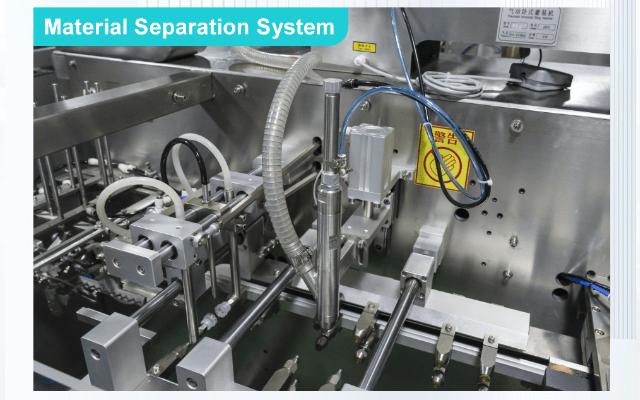
If the supplier demonstrates handling suction but leaves package evacuation unresolved, ask for that distinction to appear in the revised offer. A buyer needing only pouch handling may find that scope sufficient. A buyer requiring evacuation should keep the additional function unaccepted until its own agreed evidence is available.
Where part of the arrangement is optional or supplied separately, request its named boundary and the party responsible for integration. Do not fill a quotation gap with an assumed accessory, an inferred software feature or a promise carried over from a different product page.
Approval can then refer to the named configuration and demonstrated combination, with outstanding questions recorded individually. This keeps the purchase decision precise without extending it into general leak troubleshooting or retort-process qualification. Storage-life decisions also remain outside the evidence considered here; a demonstrated machine action does not establish them.
Does a vacuum pump on the equipment list prove that filled pouches are evacuated? The list establishes that a pump is specified, subject to the quotation's detail. Ask which circuit it serves and how that circuit relates to the filled package before accepting an evacuation claim.
Can a touchscreen vacuum setting settle the question? It can identify a control requiring explanation. Ask what the setting commands, which assembly responds and what package-related evidence supports the offered function. Its name alone does not describe the complete physical sequence.
Does the 1744 vacuum description apply to every 1414 offer? Related platform names do not establish identical scope. Product 1414's vacuum reference requires clarification within the specific offer; product 1744's description cannot supply missing hardware or demonstration evidence for it.
Is a neatly sealed pouch evidence of evacuation? A finished closure does not establish which air-removal action preceded it. Keep the agreed evacuation evidence attached to that pack's sequence. Seal appearance and package-evacuation capability answer different questions in the purchase review.
What should remain open if only an empty-pouch demonstration is available? Record the pickup or opening function actually shown. Leave filled-pouch evacuation unresolved, naming the missing offered scope and witness evidence. An empty-pouch run cannot qualify the unperformed filled-package part of the proposal.
Buy the vacuum function described by its physical job. If the requirement concerns only picking and opening pouches, review that handling scope. If it concerns removing air from a filled pack, ask for an explicit offer line, an explained connection to the package interior, and agreed evidence spanning evacuation and closure. Keep the sample and configuration attached to that evidence, and leave unshown functions open rather than inferring them from a pump, cup or screen label.

YISEN MACHINERY - The ONE-STOP VFFS PACKING MACHINE SOLUTION SUPPLIER
 Tel: +8617350750975
 Email: info@vffspackingmachinery.com
 MP/WhatsApp: +8617350750975
 Manufacturer Address:Meixi Road, Tongan District, Xiamen,Fujian,China