

Hot Keyword:
Author:YISEN Pouch Packing Machine Manufacturer TIME:2026-11-27
Consider a gravity separator before a seed packaging machine when wanted and unwanted seed fractions overlap in size but have a useful difference in specific weight. The separator changes which material reaches filling; the doser measures portions of that material. The purchase decision centers on preparing a suitable size fraction, distributing it across a fluidized deck and defining the accepted, rejected and intermediate outlets.
A filling device can deliver a controlled portion without identifying the condition of its individual seeds. Changing a portion target alters the quantity dispensed. It does not, by itself, distinguish a lighter kernel from a desired kernel of similar dimensions. That distinction belongs to a material-separation operation ahead of the doser.
Begin with the actual fractions the business wants to distinguish. An empty or poorly filled seed may be a candidate for separation, but its name alone does not prove a usable physical contrast. The process supplier needs to establish how that fraction behaves relative to the wanted seed within the same crop and prepared size range.
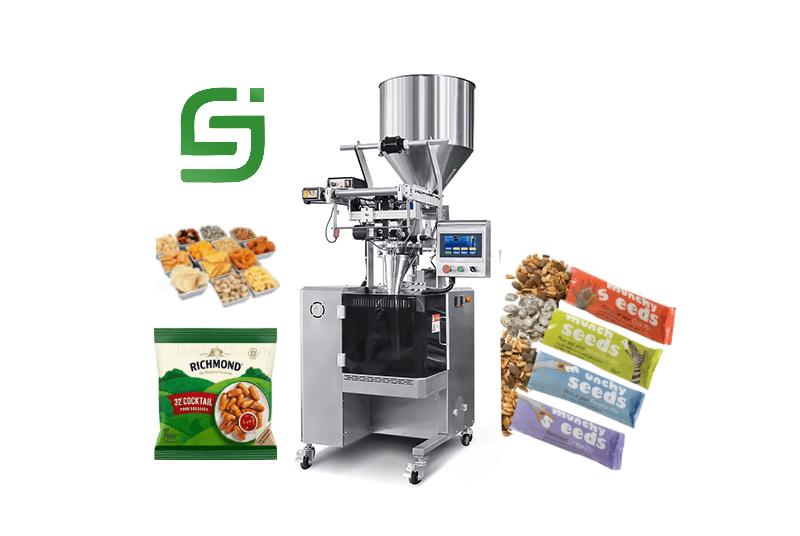
The site's granule-packer reference is useful here because it shows the packaging end of the route. Its seed application context does not turn the machine into a gravity separator. If the purchasing objective is to remove a particular light fraction before filling, the order needs to identify that additional operation.
Cimbria describes its gravity separator around kernels or granules of nearly equal size that differ in weight. This is the central condition for the proposed purchase. The buyer is asking the deck to discriminate a useful difference within a prepared material class, rather than asking it to classify every physical variation in an unprepared crop.
Size preparation therefore has a supporting role. If a feed combines widely different sizes, the explanation of a light discharge becomes less clear: it may contain small sound seeds as well as the unwanted material. A prepared size fraction helps the supplier relate the separation to the intended specific-weight contrast.
This does not decide which screening system a factory should buy. Establish the size range delivered to the gravity stage and keep its identity through that stage. Combining separately prepared grades immediately before the deck would erase the distinction that the preparation was intended to provide.
The cited equipment maker describes a fluidized-bed principle rather than individual weighing. Air acts through the product on an inclined working deck, while the material separates into layers with different specific weights. Deck movement and geometry then contribute to the movement of those layers toward different discharge regions.
The important physical idea is the relationship between the bed and the working surface. Material in a lower layer interacts with the deck differently from material supported nearer the upper layer. A scale under a dosing hopper performs another task: it measures the mass of what has entered that hopper. The shared word weight should not hide this difference.
That relationship explains why outlet position is meaningful only within the complete separator. Moving material into another chute without the preceding stratification would merely divide a stream. The engineered deck must first create different material populations at its discharge. The purchase explanation should connect the population being collected with that preceding movement, rather than presenting the outlet divider as the source of separation.
For a machinery purchase, trace how the proposed deck creates and maintains those layers before discussing the outlets. A drawing of several discharge chutes is not a complete explanation. The supplier should connect the intended fractions with their passage across the working surface, using the prepared seed rather than a generic material illustration.
The incoming layer is part of the separation mechanism. Seed concentrated in one region does not present the same bed across the working width as a distributed supply. The feeding arrangement should therefore be considered together with the deck, instead of being reduced to a pipe connection capable of delivering enough total material.
Compare the footprint of the incoming stream with the surface it must serve. A feed route that drops a narrow stream onto one side leaves a different distribution problem from a route intended to spread it. The specific solution belongs to the proposed equipment, but the problem should be visible in the system explanation.
Also distinguish feed continuity from portioning. A separator works on a moving material bed, whereas a downstream packer may request discrete charges. The interface between those operating patterns needs its own arrangement. Connecting the machines without considering that difference leaves the gravity stage exposed to a supply pattern that may not represent its intended operation.
Cimbria lists control of airflow, deck inclination and motion within its separator range. These variables belong to the same physical process. Their presence should not be interpreted as independent promises that a stronger fan or a steeper deck always produces a cleaner accepted fraction.
Instead, consider what changes in the bed. Air affects how the material is supported; the deck's geometry and movement influence how the layers travel. The supplier's application explanation should make those relationships understandable without requiring the purchaser to invent operating adjustments from another machine's brochure.
A different prepared grade changes the material presented to that combination. A familiar control position may consequently have a different meaning when the seed properties change. Treat the setting as belonging to an identified material and arrangement, rather than as a universal crop recipe. No fan value, deck angle, motion rate or separation capacity is established here.
The discharge boundary converts separation on the deck into usable material streams. Naming one chute good seed and another reject does not explain what enters them. Define the wanted physical fraction and then identify which parts of the discharge meet that description, including any region whose material remains intermediate.
This is a different decision from setting the mass of a pouch. A boundary can affect which seeds are accepted even while the downstream doser continues to deliver the same total quantity. Keep the two operations distinguishable so a change in the accepted fraction is not disguised as a filling adjustment.
Consider neighboring fractions as well as the main accepted outlet. A proposed separation may have material near the boundary that cannot responsibly be assigned by appearance alone. The purchase description should allow that uncertainty to remain visible. A clean-looking main stream does not establish the identity or acceptable destination of every other stream.

An intermediate fraction creates a routing choice. It might receive further assessment, return through an appropriate separation stage or remain outside the accepted product. The choice affects the material supplied to the deck and the material eventually offered to the packer. It should not be hidden within an unspecified return connection.
For example, returning an uncertain fraction directly to the accepted-seed buffer would bypass the distinction made at the discharge boundary. Returning it to the separator inlet has a different consequence: the inlet now includes a stream with its own fraction identity. Neither destination should be treated as equivalent merely because both recover material.
Retain the relationship to the prepared size class when describing a return route. Mixing intermediate material from different grades can change the original separation question. The machinery scope should identify the destination and purpose of that stream rather than promising maximum recovery without stating which material is being recovered into which product.
A returned fraction should also remain distinguishable in the process description from fresh prepared seed. They need not have identical composition simply because they enter the same vessel. State where they combine and what that combined supply means for the deck's intended separation duty. This gives an intermediate outlet a defined role instead of allowing its name to conceal an uncertain material balance.
The accepted outlet should reach a clearly identified packing inlet. Distinguish any intermediate buffer and transfer from the rejected or unresolved fraction routes. This connection preserves the meaning of the separation; it does not add a new separation function to the filler.
| Physical requirement | Relevant machinery function | Boundary to preserve |
|---|---|---|
| Similar size with a useful specific-weight contrast | Gravity-deck separation | Prepared grade and outlet-fraction identity |
| Intermediate material near a separation boundary | A separately defined assessment or return route | Its destination relative to accepted seed |
| Controlled portions of accepted material | Volumetric or mass dosing | The condition of the material already accepted |
| No demonstrated physical contrast | Further application assessment | No assumed rejection capability |
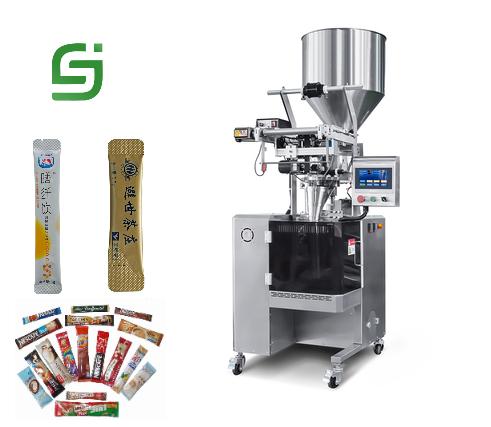
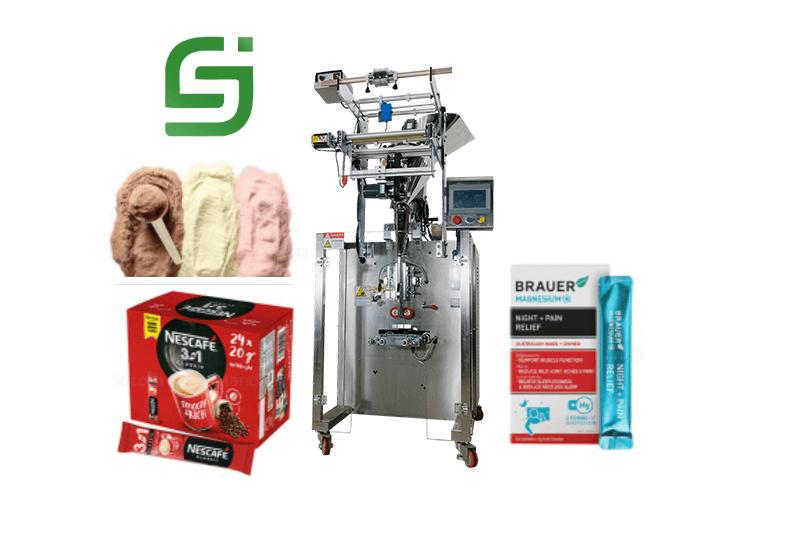
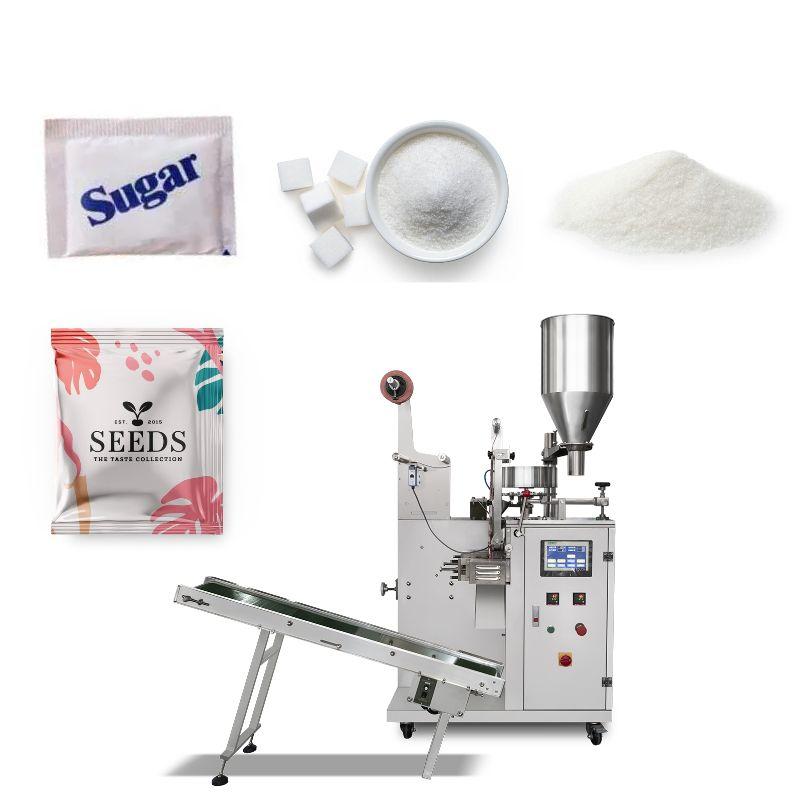
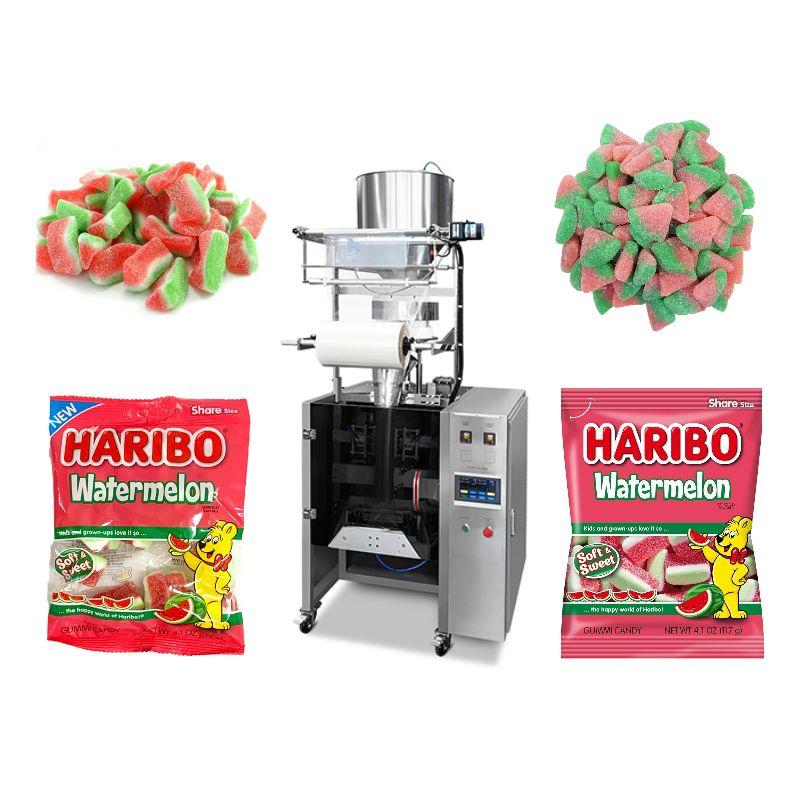
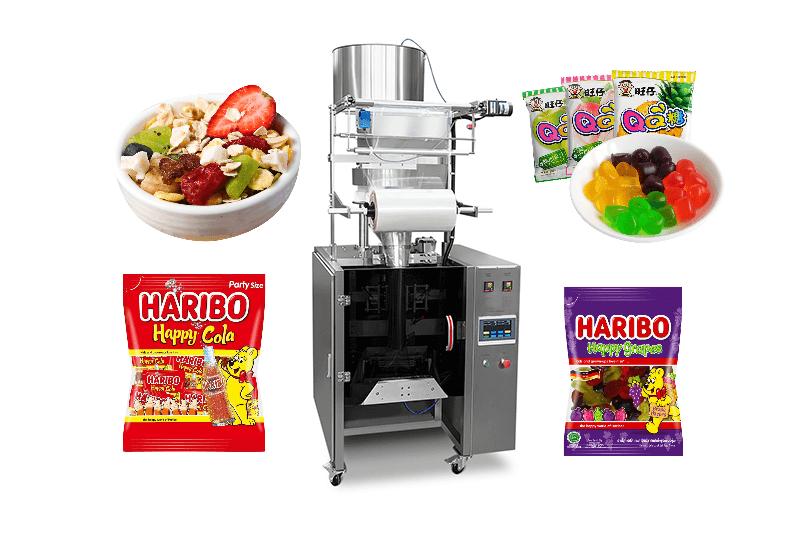
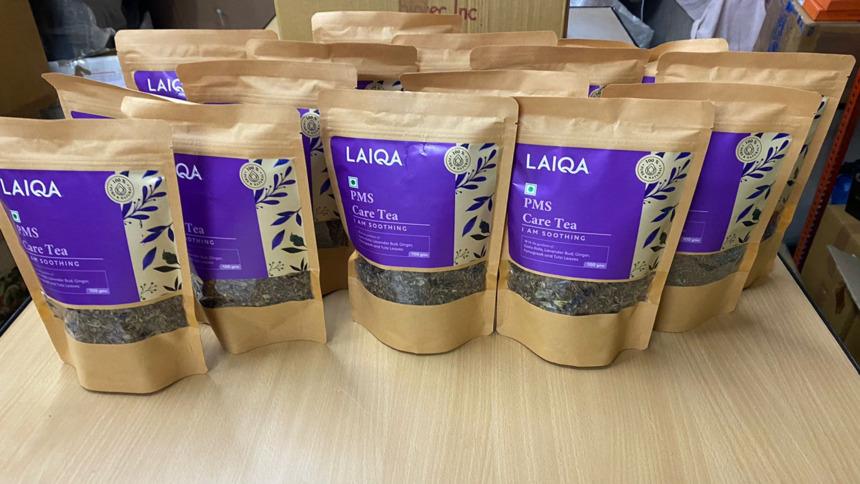
The granular packing machine range provides the packaging context, including seed-compatible applications. The packer view, sample-pack collage and application panel illustrate downstream packaging and product families. These references provide no evidence of a fitted gravity deck, a rejected-seed outlet or an achieved fraction purity.

A gravity-separation claim needs an object: the particular seed class and unwanted fraction being distinguished. It should also retain the physical basis of that distinction. Do not extend a result on one prepared grade automatically to a different crop, a broad size mixture or another defect whose specific weight overlaps the wanted seed.
Physical separation and germination are separate characteristics. A denser-looking or visually cleaner fraction does not establish viability, and this buying discussion supplies no germination promise. If that property matters to the business, it remains a separate question for the appropriate seed-quality assessment.
The resulting equipment boundary is precise. The gravity stage separates a demonstrated physical fraction; its outlets keep the accepted and unresolved streams distinct; the downstream machine portions and packages the accepted material. That explanation is more informative than attaching a general seed-cleaning claim to an ordinary packer photograph.
When does specific-weight separation become the useful question? When the relevant seed fractions are similar in size but have a demonstrated physical difference that the proposed gravity process can use.
Is a gravity separator an individual seed-weighing device? No. The cited design operates through a material bed, airflow, deck geometry and motion, rather than weighing every seed as a separate item.
Why preserve a prepared size grade? It keeps the separation question tied to the intended material class. Recombining different sizes can obscure the meaning of the resulting fractions.
Can middlings be returned straight to accepted product? That route would bypass their unresolved fraction status. Their destination needs a distinct process decision instead of an automatic recovery assumption.
Does successful physical separation guarantee germination? It establishes no such guarantee. Viability and the identity of the separated physical fraction are different characteristics.
The reason to consider a gravity separator is a useful specific-weight contrast within a suitable seed size class. Build the explanation from the prepared feed, the bed forming on the deck, its distribution and the boundaries of the discharge fractions. Give intermediate material an explicit route and hand accepted seed to filling without confusing separation with portion mass. The packer's role remains packaging the accepted material; neither its dosing mechanism nor its photographs establish an upstream sorting result.

YISEN MACHINERY - The ONE-STOP VFFS PACKING MACHINE SOLUTION SUPPLIER
 Tel: +8617350750975
 Email: info@vffspackingmachinery.com
 MP/WhatsApp: +8617350750975
 Manufacturer Address:Meixi Road, Tongan District, Xiamen,Fujian,China