


Hot Keyword:
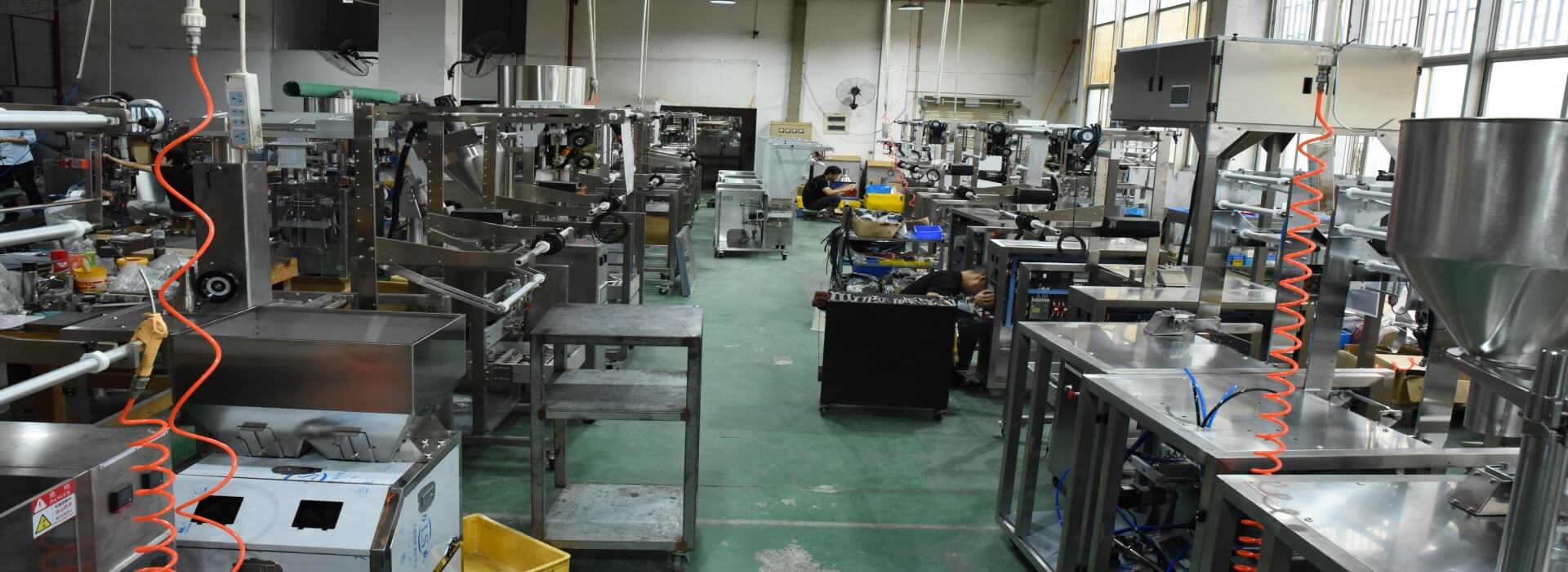
This Poland page is a B-level application reference for the proposed automatic filter tea bag line configuration with an optional outer-envelope stage. It does not describe any documented Polish customer, signed purchasing document, verified handover result, or Polish regulatory release. Use this assessment to order retained specimens, system selection questions, factory validation activity, and handover evidence for stable passing output across longer production campaigns.
Evidence boundary for Poland and stable accepted output across longer production campaigns: level B line assessment. Polish market wording gives neither customer proof nor regulatory acceptance.
A Polish engineering team in Poland should translate the Polish campaign into pack requirements before selecting equipment. Define single or double chamber filter bags defined by Polish engineering team retained specimens, the dose criterion, finished-pack standard, code fields, transport pack, and Polish campaign duration. The proposed automatic filter tea bag line configuration with an optional outer-envelope stage supports a decision only after those inputs map to feed components, operating limits, factory services, and a Polish endurance test. Treat later Polish bag variants as open scope until product lots and replacement tooling are demonstrated.
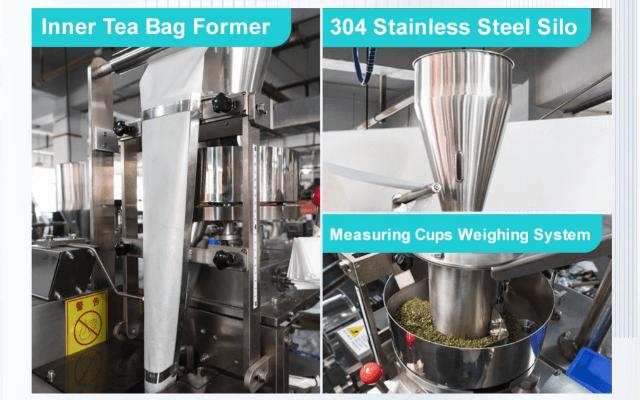
The planning focus here is stable passing output across longer production campaigns. Write down Polish campaign length, restart frequency, tea range, expected adjustments, dust-cleaning scope, code requirement, and conveyor transfer. Do not equate a rated speed with Polish passing production. Passing output must be measured with the agreed tea and selected filter stock under written conditions that include startup and recovery.
Evidence level B means the site can support the line configuration family, tea applications, and the referenced images, but it cannot prove a specific purchasing result. This Polish scope gives no customer identity, contract sum, delivery event, throughput gain, payback claim, certificate decision, or operator statement. Current line configuration equipment particulars remain conditional on the Polish quotation and endurance run.
For the Polish line assessment, divide confirmed references from unresolved items. The recorded direction is automatic filter tea bag line configuration with an optional outer-envelope stage for broken black tea and free-flowing herbal products. Items still to resolve include the exact model, all contact parts, guarding, languages, voltage, filter stock specification, dose tolerance, seal method, print system, spare parts, and site acceptance. The Polish engineering team should complete its own regulatory and food-safety review for the intended use in Poland.
The product definition must go beyond the word tea. For broken black tea and free-flowing herbal products, document particle profile, hopper density, fragility, dust, static, moisture-driven flow change, fraction separation, and variation between lots. Retained specimens should represent ordinary Polish campaigns plus the dustiest approved Polish tea. A Polish feed system that remains stable with one blend may need different Polish adjustments or dosing parts for another blend.
Dosing evidence should use consecutive finished bags, not selected examples. Write down the Polish hopper condition, Polish refill procedure, supplied Polish dosing hardware, recipe, target, Polish timed sample series, logged Polish drift, and any Polish operator action. Pay particular attention to tea level variation, dust near seals, filter-paper tracking, and drift after refilling. When a Polish run condition has no trial, keep it as a Polish closure action rather than describing unqualified Polish compatibility.
The packaging contract for this Poland reference is single or double chamber filter bags defined by Polish engineering team retained specimens. Keep an approved sample and filter stock data with the line assessment file. Resolve dimensions, sealant or ultrasonic response, thread and label requirements where applicable, Polish code registration, Polish print field, permeability expectations, Polish warehouse conditions, and the method used to judge Polish filter-bag integrity after handling.
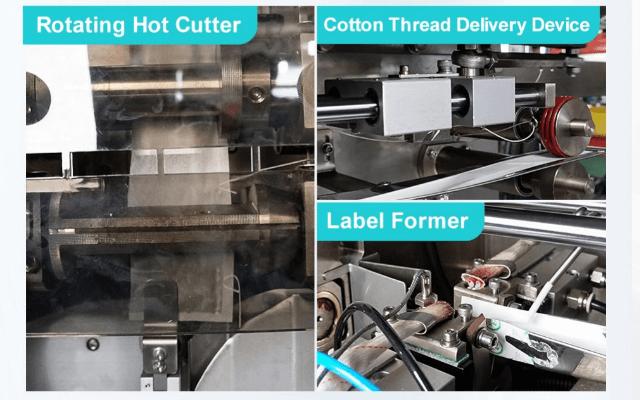
Filter stock trials should include representative Polish filter-paper changes. Observe tracking, forming, cutting, Polish filter-stock tension, static, wrinkles, Polish dust in the seal area, finished geometry, and transfer to the next operation. The application must also control tea level variation, dust near seals, filter-paper tracking, and drift after refilling. A filter-paper label or green claim does not establish Polish acceptance; retain technical records with endurance retained specimens.
| Poland review area | Reference direction | Evidence required before approval |
|---|---|---|
| Tea and recipe | broken black tea and free-flowing herbal products | Representative retained specimens and approved operating range |
| Finished pack | single or double chamber filter bags defined by Polish engineering team retained specimens | Filter stock sample, dimensions, print, and seal criteria |
| Line configuration direction | automatic filter tea bag line configuration with an optional outer-envelope stage | Installed options, utilities, controls, and exclusions |
| Primary risk | tea level variation, dust near seals, filter-paper tracking, and drift after refilling | Witnessed test, defect write down, correction, and retest |
| Handover | maintenance intervals, wear-part codes, operator recovery steps, warehouse filter stock control, and agreed service communication | Owner, document, training write down, and open-point closure |
The recommended factory acceptance route is an extended FAT with timed sampling, refill events, alarm recovery, and seal inspections. Retain the Polish feed system selection, tea lot, filter-paper roll, room condition when relevant, startup loss, passing bags, timed stops, refill events, alarms, and recovery. Compare dose, dust control, filter tracking, seals, code, and conveyor handoff with the Polish endurance criteria.
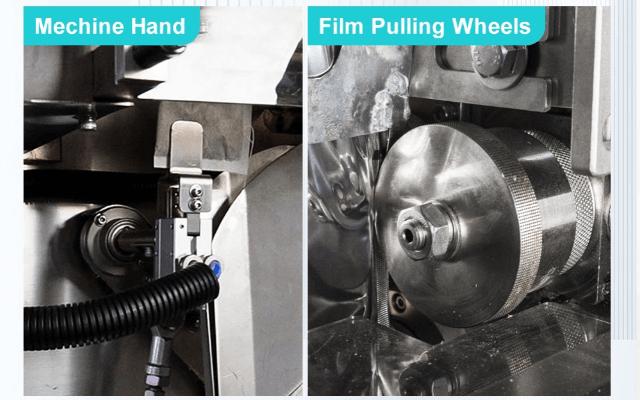
The Polish endurance test should cover tea refill, filter-roll replacement, stable running, planned alarm recovery, seal-area cleaning, and restart inspection. A selected good sample is insufficient. Link every failure to corrective work, a timed retest, and documented closure before the line leaves the factory.
Handover for the Poland line assessment should cover maintenance intervals, wear-part codes, operator recovery steps, warehouse filter stock control, and agreed service communication. For Poland, allocate plant services, dust management where required, tea supply, coding consumables, conveyors, transport-pack transfer, lifting, installation work, and support connection. Preserve excluded interfaces in the Polish line assessment-responsibility list.
Polish instruction should use the approved black and herbal teas during a realistic run. Teach first-off release, refill control, paper change, dust cleaning, alarm recovery, and shutdown. Maintenance personnel require inspection frequencies, wear-part codes, adjustment limits, and post-service checks; each remaining point keeps an owner.
Is this a verified customer delivery in Poland? No. It is a B-level application reference built from verified site product filter stock. Customer identity, order, delivery, and performance results are not claimed.
What retained specimens should be supplied before quotation? Send representative broken black tea and free-flowing herbal products, the approved single or double chamber filter bags defined by Polish engineering team retained specimens, target dose, printed-filter stock requirements, and the most difficult planned variation.
What should the factory acceptance test write down? Write down system selection, retained specimens, conditions, passing packs, rejects, interruptions, tea level variation, dust near seals, filter-paper tracking, and drift after refilling, cleaning work, and every open point requiring retest.
Does this page resolve compliance for the Poland market? No. The Polish engineering team must review applicable requirements for Poland and obtain the necessary declarations, technical files, filter stock records, and local advice.
For Poland, send representative black and herbal tea lots plus the intended filter paper and optional envelope stock. Base the purchase decision on timed retained specimens across refills, paper changes, alarm recovery, dust cleaning, and extended operation. Relate the passing Polish campaign write down to the tea bag packaging machine range and retain each corrective retest.

YISEN MACHINERY - The ONE-STOP VFFS PACKING MACHINE SOLUTION SUPPLIER
 Tel: +8617350750975
 Email: info@vffspackingmachinery.com
 MP/WhatsApp: +8617350750975
 Manufacturer Address:Meixi Road, Tongan District, Xiamen,Fujian,China