

Hot Keyword:
Author:YISEN Pouch Packing Machine Manufacturer TIME:2026-11-04
For a classified dust area, a Powder Packaging Machine quote needs more than a certification entry or a document for one motor. Ask what the evidence covers: the offered equipment, its intended location and material, supplied options, and connections to other equipment. A qualified reviewer must resolve uncovered items before the buyer treats the quotation as suitable for that installation.
Food and spice dusts can present fire or explosion hazards, but a product name does not establish the requirements for a particular powder or installation. The buyer's responsible specialists must establish the material and installation basis. Purchasing should provide the resulting controlled requirement rather than copying a classification from another factory.
State which proposed operating arrangement the assessment addresses. Identify the relevant product reference, installation drawing and assessed scope. Ask the supplier to acknowledge that basis or list the information it still needs. A price prepared before those matters are known can remain provisional; it should not quietly acquire a suitability claim later.
The quotation situations below are hypothetical review examples, not reports of machines supplied by this website. They show why apparently reassuring paperwork can leave different questions unanswered. None prescribes protective equipment, an area-classification method or a hazardous operating test.
The current spice-powder product reference1447 lists CE, ISO and SGS in a general certification field. The field does not identify a classified-area approval for the exact machine being ordered. Ask the seller what each entry refers to and which available record supports the particular claim it is making.
For example, a seller might provide a company-level record when the buyer asked about equipment suitability. That record may answer a question about its stated organizational scope; it does not, without further explanation, connect the offered hopper, filler, bagger and controls to the installation requirement. Do not turn a document's familiar name into a conclusion it does not contain.
Keep the actual supplied record and the seller's explanation together. Ask the qualified reviewer to identify the remaining coverage question. If the seller is not making a classified-duty offer, record that commercial limitation rather than rewriting an ordinary catalogue description as one.
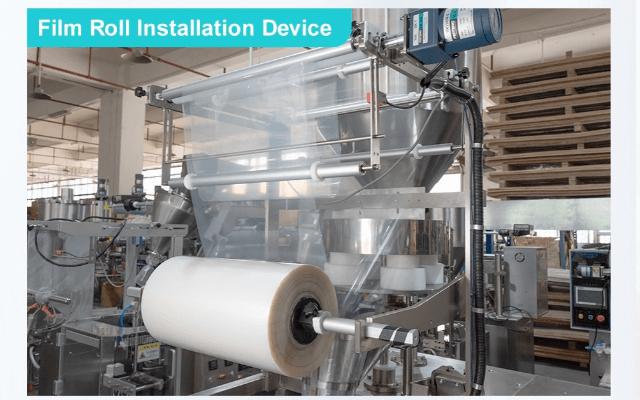
Consider a quotation accompanied only by a record identifying one drive motor. First match that record to the motor actually included. Then ask what supports the supplier's statement about the rest of the offered equipment. A correctly identified motor does not describe the entire product path, controls or supplier assembly.
Request an equipment list that separates the dosing assembly, bagger, drives, instruments and included auxiliaries. Have the supplier explain which items its response covers and which it excludes. The reviewer needs to see the uncovered boundary, not assume that an attractive component record extends to every item on the list.
The resulting purchasing outcome can be specific: retain the motor information as component evidence, but keep the assembly-suitability question open until the responsible parties address it. This is not a demand for an invented universal certificate. The applicable evidence and review route depend on the actual duty and jurisdiction.
A different situation arises when a document identifies equipment other than the item in the quote. Similar appearance, the same motor power, or a familiar model family cannot explain that mismatch. Ask the supplier to identify the document's covered item and relate it to the proposed bill of equipment.
A record for an earlier model may be relevant background. It still needs an explanation of applicability to the offered revision, options and stated conditions. If the explanation is unavailable, mark the corresponding claim unverified rather than copying the document reference into an approved-equipment column.
Where final serial identities are not yet available, agree how the delivered items will be reconciled with the reviewed offer. Distinguish a preliminary example from the final record. The purpose is to prevent two different assemblies from becoming interchangeable in the purchase file merely because both carry the same broad product description.
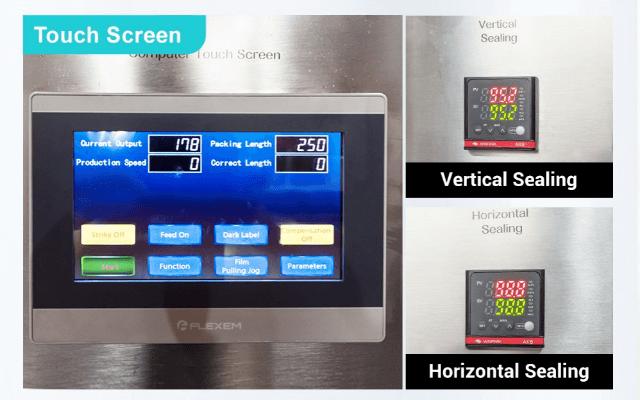
A supplier response may depend on where equipment is installed. Suppose a proposed control cabinet is shown outside an assessed area while another drawing places it beside the filling point. Those are different proposed arrangements. Purchasing should not choose whichever drawing makes the paperwork appear complete.
Refer the conflicting layouts to the designated technical parties and request one agreed arrangement with explicit exclusions. Similarly, identify whether an answer addresses the product-contact interior, the equipment's surroundings, or both where relevant. Do not infer identical conditions inside a hopper and around an operator station; the specialists determine what the assessment requires.
Record the location or interface to which a condition applies. A response limited to one drawing remains limited until an authorized reviewer accepts its relevance to a change. This makes the remaining purchase question concrete without asking procurement staff to calculate a hazardous-area boundary or select protective hardware.
An extraction connection introduces another common ambiguity. The packer supplier may include a take-off connection while the buyer obtains the collector and connecting equipment elsewhere. Neither quotation alone necessarily explains the completed relationship. Ask each party what it has assumed about the other party's supply.
Identify the connecting points on a referenced layout. Record who supplies the intervening equipment, who provides the information needed for interface review and who owns the remaining installation conclusion. If the packer response excludes the collector, preserve that exclusion beside the collector supplier's response rather than calling the whole project covered.
The next action is an assigned interface review, not a purchasing team redesign. A machine extraction port does not establish what the complete arrangement requires. Do not approve an unspecified connection by substituting a photograph of a hopper or a successful ordinary powder-filling run.
A supplier may demonstrate pouch formation and dose delivery with an identified reference material. That can provide evidence about the demonstrated production functions. It does not automatically answer the independently assessed installation question, especially when the material, connected equipment or layout differs from the proposed destination arrangement.
Before acceptance, separate the questions assigned to ordinary function trials, document review and destination-specific review. State the demonstrated material and configuration. Ask which conclusion the observed result supports and which conclusion remains outside that demonstration's scope.
If the collector or final installation is unavailable at the supplier's premises, do not record its review as completed. Name the outstanding work and the commercial milestone it affects. No attempt to create hazardous conditions is suggested here; qualified parties must agree any technical assessment and its authorized method.
Compare offers by the claim supported and the question left open. The examples below produce different dispositions; a general tick for documents received would conceal those differences.
| Information received | Question not yet answered | Purchasing disposition to agree |
|---|---|---|
| Record matching one included motor | Coverage of the remaining offered assembly | Retain component evidence; hold the wider suitability conclusion |
| Record naming another equipment revision | Applicability to the actual quoted item | Request a documented relationship or correctly identified evidence |
| Response tied to a conflicting cabinet location | Which installation arrangement was assessed | Resolve the drawing and reviewer response before treating scope as closed |
| Packer offer excluding the separate collector | Ownership of the completed connection review | Assign the interface and retain the exclusion until it is addressed |
| Successful reference-material pouch demonstration | Relevance to the destination duty and connected equipment | Record function results without claiming installation acceptance |
The buyer's authorized team decides whether an unresolved item prevents an order, shipment or later milestone under the agreed terms. The table is a way to expose missing answers, not an approval checklist that purchasing can use in place of competent technical review.
Agreement on a quotation is not permission to replace identified equipment without review. Ask how the supplier will disclose a proposed drive, instrument, enclosure or connection change. A replacement described as equivalent still needs to be considered against the evidence on which the earlier conclusion depended.
At handover, compare the delivered equipment list, relevant identities and final layout with the reviewed offer. Keep accepted changes and unresolved conditions distinguishable. Where an item remains destination-dependent, retain its owner and the evidence needed to close it rather than implying that delivery itself completed the assessment.
Use the powder packaging machine range to locate an application family, then obtain the supplier's response for the actual order. A controlled final record should show which offered configuration was reviewed, what the reviewer concluded and which conditions remain. It should not convert a family listing into a suitability promise.
Does the catalogue certification field establish the offered machine's suitability? Not by itself. Ask what each entry refers to, obtain the available supporting record and have the responsible reviewer assess its scope against the actual requirement.
Should a matching motor record be discarded because it covers only one component? No. Keep it for the claim it actually supports. The unanswered question is what addresses the remaining offered assembly, not whether useful component evidence has value.
Can a supplier demonstration release a collector that was not connected? It cannot demonstrate that absent arrangement. Separate the observed machine functions from the outstanding connection review and assign the remaining work to an identified owner.
What if the final cabinet location changes? Refer the revised arrangement to the responsible parties. Do not assume a response tied to another drawing automatically covers the change or attempt to determine the new requirements from appearance.
Who decides whether missing evidence blocks the purchase? The buyer's authorized commercial and technical teams must agree the consequence under the applicable requirements and contract. This guide identifies coverage questions; it does not grant regulatory or installation approval.
A motor document, another model's record, a disputed layout and a disconnected collector leave different gaps. Keep those gaps attached to the exact supplier claim and offered equipment. Close each through the responsible review, or retain an explicit condition affecting the agreed milestone. That gives the buyer a usable quotation comparison without mistaking ordinary catalogue evidence or bag-making performance for approval of a classified installation.

YISEN MACHINERY - The ONE-STOP VFFS PACKING MACHINE SOLUTION SUPPLIER
 Tel: +8617350750975
 Email: info@vffspackingmachinery.com
 MP/WhatsApp: +8617350750975
 Manufacturer Address:Meixi Road, Tongan District, Xiamen,Fujian,China