

Hot Keyword:
Author:YISEN Pouch Packing Machine Manufacturer TIME:2024-10-10
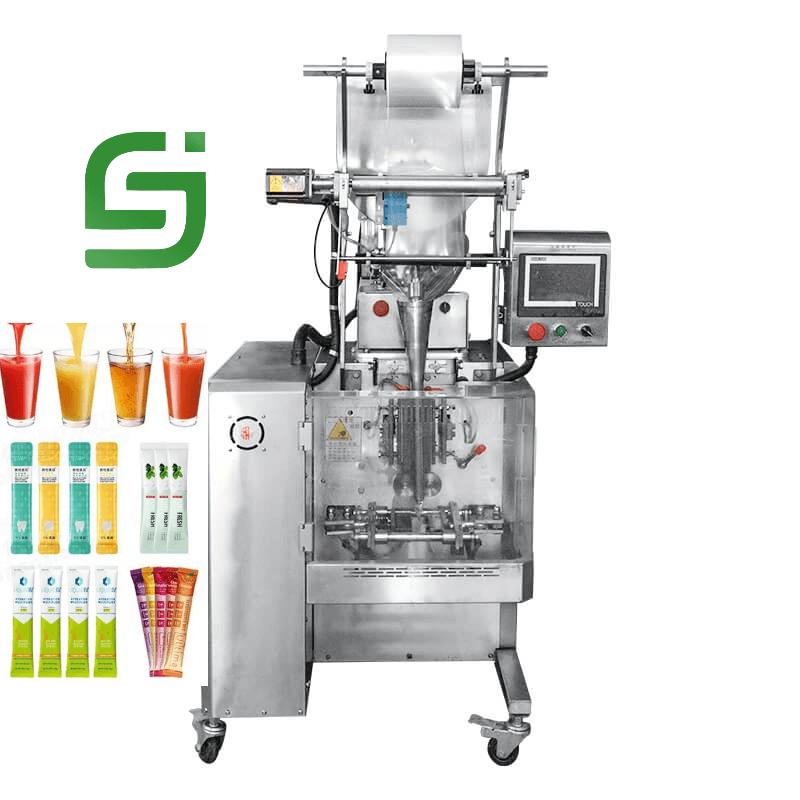
A sachet or stick-pack machine is a form-fill-seal system that converts rollstock into small sealed portions, meters product into each packet, cuts the web, and discharges individual packs or connected strips. Stick packs are typically narrow and elongated; sachets are generally wider and flatter. The installed filler determines whether the line can handle a particular powder, granule, liquid, paste, or small solid product.
These machines are used when portion control, portability, hygiene, and high pack counts matter, but the equipment should not be selected from packet appearance alone. Dose, product behavior, film width, seal layout, number of lanes, coding, easy-open features, and cleaning requirements shape the design. A single-lane model offers a simpler web and access pattern, while multi-lane equipment forms several packets across a wide roll and requires distribution plus lane-level control. Upstream product delivery and downstream counting or cartoning must keep pace. Before requesting a quotation, prepare product samples, target quantities, dimensioned packet drawings, laminate specifications, artwork repeat, operating schedule, utilities, room limits, quality checks, and a list of interfaces. This gives suppliers enough information to propose an actual configuration rather than a generic small-packet machine. Ownership continues after the factory test. Production needs a material-loading routine and first-off checks; quality needs sampling and release rules; maintenance needs wear limits, electrical drawings, spare references, and software backups; sanitation needs removal and inspection instructions for the exact filler and lane parts. Review where film rolls are stored and lifted, how scrap web is removed, how loose packets are reconciled after a stop, and how finished portions reach cartons without mixing lots. A broad speed number does not answer these operational questions. Estimate capacity from campaign length, roll changes, product refills, code changes, cleaning, and ordinary fault recovery. For imported equipment, also agree on language for manuals and alarms, remote-support conditions, time-zone coverage, and the route for replacement custom parts. These lifecycle details may influence the lane choice as much as the initial purchase price because a complex high-output frame delivers little value when teams cannot change, clean, diagnose, or support it consistently.
Film unwinds under controlled tension and passes through guides, registration sensing, and forming components. On a stick line, the wide web may be slit into narrower lanes before each strip wraps around its forming tube; a sachet design can create front and back webs or fold material according to its seal arrangement. Longitudinal seals establish the packet sides or back seam, while cross seals close the bottom and later the top. Tracking errors can shift artwork, narrow a seal margin, or misalign cutting. The film converter's width, thickness, friction, curl, print repeat, and registration tolerances therefore matter to machine stability. Test production material rather than an unprinted substitute, and preserve the final threading diagram for operators.
The packaging frame creates packets; the dosing module measures the contents. Augers are often considered for powder, cups or weighers for suitable granules, pumps or pistons for liquids and pastes, and counters for defined small pieces. Every principle has an operating range and product limits. Fine powder can dust or change bulk density, liquid can drip into seals, and fragile granules can break during distribution. Small portions demand careful cutoff because retained material is significant relative to the dose. Trial the lowest and highest quantities with routine and difficult lots. Record product condition, installed parts, refill behavior, startup, stable operation, stop, and restart so the demonstrated result can be reproduced.
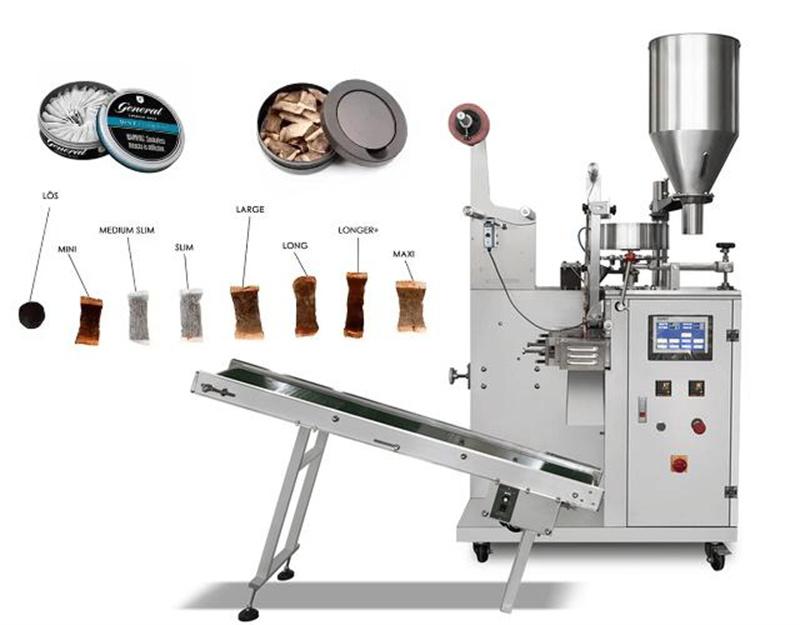
Parallel lanes increase the number of packets produced per index, but they also require even product distribution, aligned forming paths, consistent sealing, and a defined response when one lane is abnormal. Powder manifolds, feeder trays, liquid circuits, or individual dosing heads should be examined for lane-to-lane differences. Quality data should retain lane identity whenever practical; a combined average can hide an underfilling lane and an overfilling neighbor. During acceptance, compare quantities, seal appearance, print registration, cut position, and rejects from every lane. Ask whether a faulty lane can be isolated and how the controller prevents packets from that lane entering good output. Wide film handling, service access, extraction, and downstream collection belong in the lane-count decision.
Heat, pressure, dwell, alignment, and film sealant properties establish closure on many machines. Other sealing approaches may be available for specific materials and designs, but they still require a demonstrated process window. Product must stay away from the sealing zone. Settling time, filling-tube depth, air displacement, dust capture, and liquid cutoff can be as important as jaw temperature. The cutter then separates packets or creates perforated strips, and tear notches may be added in an approved location. Inspect seal width, channels, wrinkles, contamination, code position, cut accuracy, and opening behavior after the pack has cooled. The owner should define integrity tests and shelf-life evidence for the actual product-and-film combination.
A controller coordinates web advance, registration, fill timing, sealing, cutting, temperature, guards, product supply, coder triggers, and downstream signals. Recipe storage can shorten setup, provided physical forming tubes, filler parts, film, and lane components are verified against the recipe. Alarm messages should identify the affected condition and support a controlled recovery. Safely challenge film loss, registration error, low product, dose fault, seal-temperature deviation, and downstream blockage during testing. Define which packets are suspect when the machine stops with work inside. Coding equipment must place legible lot or date information within the artwork and avoid seal or cut zones. If verification cameras or reject devices are included, document what they detect and how rejected packets are contained.
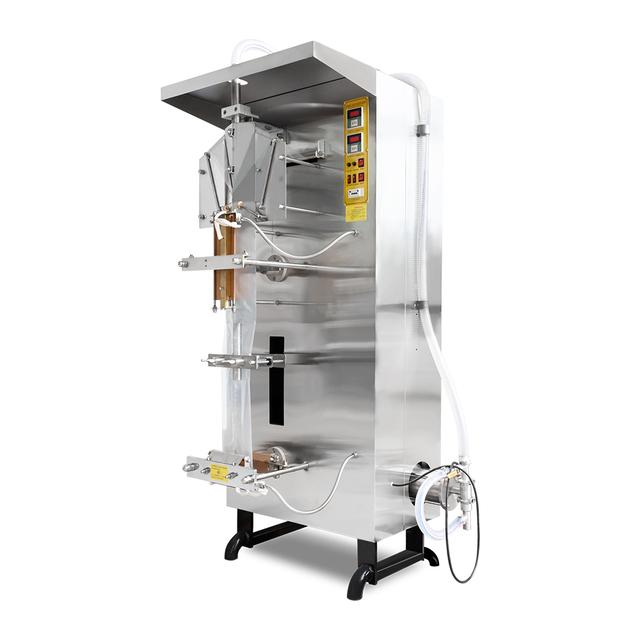
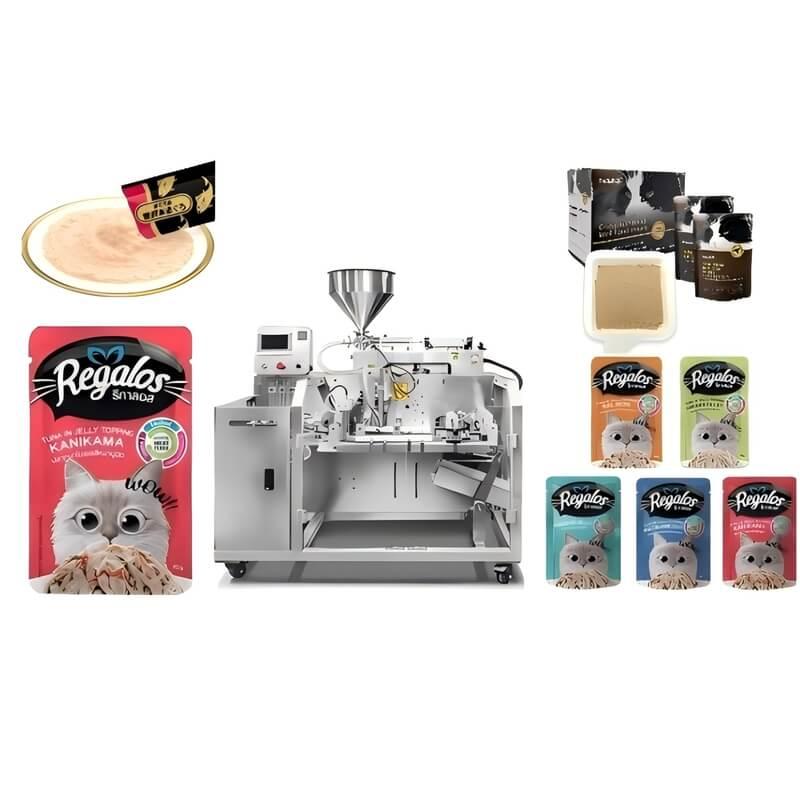
Small packets are used for drink mixes, coffee, sugar, seasoning, sauces, gels, personal-care products, and other portioned goods. This variety demonstrates the breadth of the format, not universal compatibility of one installed line. A dusty powder and a viscous gel require different filling paths and sanitation work. Pharmaceutical or other regulated applications can impose additional documentation, material, environmental, and validation requirements supplied by the owner. Packet dimensions can also limit product: a bulky granule may not pass through a narrow tube, and a large liquid portion may need more headspace than a slender stick provides. Treat each new application as a technical change with samples, hazard review, cleaning assessment, trial, and approved recipe.
The correct architecture follows required accepted output, packet variety, access, downstream capacity, and campaign pattern. The table frames the principal tradeoffs without assigning a universal winner.
| Area | Single lane | Multiple lanes |
|---|---|---|
| Web and forming | Narrower process with one packet path | Wide web divided into synchronized paths |
| Output approach | One packet stream, often suitable for varied campaigns | Several packets per index when all lanes remain balanced |
| Quality review | One dose and seal path to trend | Results and faults should be examined by lane |
| Cleaning and access | Fewer repeated components | More distribution and lane parts to inspect |
| Downstream need | One stream to count or collect | Collection and cartoning must accept combined output |

A purchase scope should identify product range, packet dimensions, dose, film, lanes, filler, contact materials, cleaning boundary, code, utilities, controls, extraction where required, upstream and downstream interfaces, guarding, manuals, training, spares, and exclusions. Use the sachet and stick pack machine range as an equipment reference, then test the selected configuration with approved product and printed film. Witness cold startup, normal running, product refill, planned stop, restart, and a meaningful format or product conversion. Keep packets from each lane, setup records, parts lists, drawings, software version, and open-item closure. Output should be reported as acceptable packets over a defined period with rejects and interventions visible.
Are sachets and stick packs the same package? They are related small flexible formats, but sticks are usually narrow and elongated while sachets are wider. Their forming tubes, web layout, dose space, and opening experience differ.
Can one machine fill both powder and liquid? A platform may accept alternative modules, yet each product needs an appropriate filler, contact path, lane distribution, seal protection, cleaning method, and documented changeover.
Why are multi-lane results checked separately? Distribution, filler output, web tracking, seal pressure, or cutting can vary by lane. Lane-level records prevent opposite deviations from disappearing inside one average.
What film information does a supplier need? Provide the laminate structure, thickness, width, print repeat, registration mark, sealant, friction or handling characteristics, artwork, and required barrier from the approved converter.
How is useful output established? Count released packets during agreed operating phases and record lane faults, product refills, film changes, stops, rejects, and downstream limitations.
A sachet stick pack machine forms small packages from rollstock and coordinates dosing, sealing, cutting, coding, and discharge. Its capability depends on the installed filler, lane arrangement, packet geometry, film, and controls. Buyers who define samples and acceptance criteria early can compare architectures on accepted output, lane balance, clean seals, changeover, and service access instead of treating all small-packet equipment as equivalent. That shared operating model should be reviewed before shipment and practiced again during installation with the people who will run each shift. It also creates a practical baseline for later format additions.

YISEN MACHINERY - The ONE-STOP VFFS PACKING MACHINE SOLUTION SUPPLIER
 Tel: +8617350750975
 Email: info@vffspackingmachinery.com
 MP/WhatsApp: +8617350750975
 Manufacturer Address:Meixi Road, Tongan District, Xiamen,Fujian,China