

Hot Keyword:
Author:YISEN Pouch Packing Machine Manufacturer TIME:2026-08-30
Choose a triangle tea bag machine for herbal tea by testing the most difficult real blends with the proposed mesh, bag volume, filler, forming set, seal method, thread, tag, and optional envelope. Large leaves, flowers, stems, fruit pieces, fines, oils, and blend separation must remain controlled across refill and restart.
Describe each herbal blend physically instead of relying on its product name. Record longest pieces, dust and fines, flowers, stems, fruit, density, moisture condition, oils, fragility, static, and seasonal variation that can change feeding or sealing.

Herbal trial record: Keep the blend profile, mesh specification, bag volume, feeder configuration, refill observations, reject categories, cleaning result, and retained samples together. This gives future production teams a defined baseline when the herbal recipe or material supply changes.
Check refill and restart behavior: Large herbal pieces may separate from fine material during handling, so collect samples before and after hopper replenishment and after a short stop. Observe bridging, segregation, sudden dose changes, and pieces remaining above the feeder. Record any agitation or manual intervention used during the demonstration. Stable output should not depend on an operator continuously rearranging the blend unless that duty is explicitly accepted in the production method.
Make cleaning part of the machine choice: Herbal blends can leave dust, aroma, oils, or small pieces in the hopper and feeding path. Ask the supplier to demonstrate access to contact surfaces, removal of residue, inspection after cleaning, and reassembly before the next product. Time one representative changeover and note tools or loose parts. The acceptance record should link the approved blend, bag material, settings, sample results, and cleaning method. This provides a practical basis for selecting the triangle tea bag configuration.
Approve the bag as a functional sample: Check more than the triangle appearance. Inspect mesh damage, seal continuity, product trapped in the seal, corner formation, cut position, thread and tag placement when used, and how the bag opens during infusion. If an outer envelope is required, test its material, registration, seal, and relationship to the inner bag count. Retain samples from startup, stable running, and a restart. A clean empty-bag demonstration is not evidence that the line handles the planned herbal mixture.
Match mesh construction and triangle volume to dose, ingredient shape, infusion space, and containment. Confirm roll width, friction, stretch, seal response, cutting behavior, bag geometry, and the supplier tolerances the machine must handle.
| Knowledge layer | What the reader should learn | Buyer value |
|---|---|---|
| Definition | triangle tea bag packaging machine selection as it relates to packaging machine | Clarifies the topic before comparing offers. |
| Classification | filling accuracy, seal temperature, and bag length control | Separates product type, operating condition, and risk factor. |
| Evaluation | air pressure, sample testing, and supplier evidence | Turns the topic into a measurable checklist. |
| Decision | spare parts, factory acceptance testing, service support, and cost | Connects the article to purchase readiness. |
Term glossary: filling accuracy: a measurable factor that should be verified before purchase. seal temperature: an operating condition that can change the final result. bag length control: a risk-sensitive variable that should not be assumed. air pressure: a practical inspection point. sample testing: a planning factor that affects total cost and long-term performance.
Select the feeder and product path with the complete blend present. Observe bridging, segregation, breakage, dust, hopper-level effects, refill recovery, retained product, and whether large pieces enter the forming area without damaging mesh or contaminating seals.
Watch for blend separation: Herbal ingredients can settle differently during transport, hopper refill, and vibration. Compare product composition in samples taken early and later in the run, especially when flowers, fruit pieces, leaves, and fine particles share one blend. If the machine requires a mixing or feeding practice to limit separation, document that method and the operator's responsibility. The finished bag should represent the approved blend rather than only meeting a total weight target.
Describe the herbal blend physically: Product names such as chamomile, mint, fruit tea, or wellness blend do not tell the supplier how the material will feed. Record the size range, longest pieces, fragile flowers, stems, dust, stickiness, moisture condition, and bulk-density variation. Include the most difficult blend and enough material for refill and restart tests. The supplier can then assess hopper geometry, feeder action, dose control, drop path, and whether the selected bag volume leaves enough space without crushing the blend.
Run commercial mesh through tracking, forming, triangular shaping, sealing, cutting, discharge, and normal stops. Inspect tension drift, distorted corners, loose filaments, incomplete seals, trapped herbs, and the first bags after restart.
| Specification factor | Question to ask | Evidence that helps |
|---|---|---|
| filling accuracy | How does filling accuracy affect the result? | Ask for written specification, sample evidence, or a test explanation. |
| seal temperature | Which condition changes seal temperature? | Ask how the supplier controls or verifies this variable. |
| bag length control | What happens if bag length control is ignored? | Ask for a prevention method and after-sales response. |
| air pressure | Can air pressure be checked before payment? | Ask for photos, video, test sample, drawing, or inspection notes. |
| Total cost | Which costs are outside the first quote? | Ask about freight, installation, preparation, consumables, maintenance, and downtime. |
For buyers who want to compare product categories while reading the specification logic, the tea bag packaging machine options can help connect this knowledge framework to relevant product options without using an absolute URL.
Define an acceptable reject: Separate cosmetic variation from failures that affect containment, infusion, or retail presentation. A distorted triangle, open seal, cut mesh, exposed product, missing tag, weak thread, or envelope defect should have a recorded disposition. Review rejected pieces to identify whether the cause is material variation, feeding, forming, sealing, cutting, or handling. This makes corrective action more useful than a single reject-rate claim without categories.
Define thread length, attachment, tag size and print, tag orientation, and any envelope material or registration requirement as part of the same presentation system. Trial these modules together rather than approving isolated catalog options.
Demonstrate emptying, cleaning, contact-part access, mesh rethreading, recipe restoration, and first-piece release between contrasting herbal blends. Address aroma, oil, dust, small fragments, allergen policy, tools, drying, and residue inspection.
| Risk type | Typical cause | How to reduce the risk |
|---|---|---|
| Wrong specification | Buyer compares names instead of conditions | Define the use case and request measurable evidence. |
| Weak supplier proof | Supplier answers with broad claims | Ask for documents, photos, samples, testing, or process details. |
| Hidden cost | Quote excludes support, preparation, or maintenance | Compare total cost rather than unit price only. |
| Poor adoption | The solution does not match daily work | Check users, workflow, comfort, training, and service ownership. |
Herbal selection evidence: The recommendation is supported only for the tested blend, mesh, bag volume, feeder, settings, and production phases. Larger pieces, more dust, changed density, or a substitute material should trigger review against the retained baseline.
Reviewer comment: A professional article should classify the problem, name the measurable variables, explain the evaluation method, and show where the recommendation may fail.
Use a matrix that includes the easiest and hardest blends, normal lot variation, low hopper level, refill, stable operation, stop, and restart. Collect dose, bag, seal, appearance, reject, and intervention evidence by phase.
| Decision stage | What to confirm | Output |
|---|---|---|
| Scope | Who uses it and what problem it solves | A clear buying brief. |
| Classification | Which option category fits the use case | A shorter supplier list. |
| Evidence | Which proof supports the claim | A safer quote comparison. |
| Limitations | When the recommendation changes | More realistic expectations. |
| Action | What should happen before payment | A practical approval checklist. |
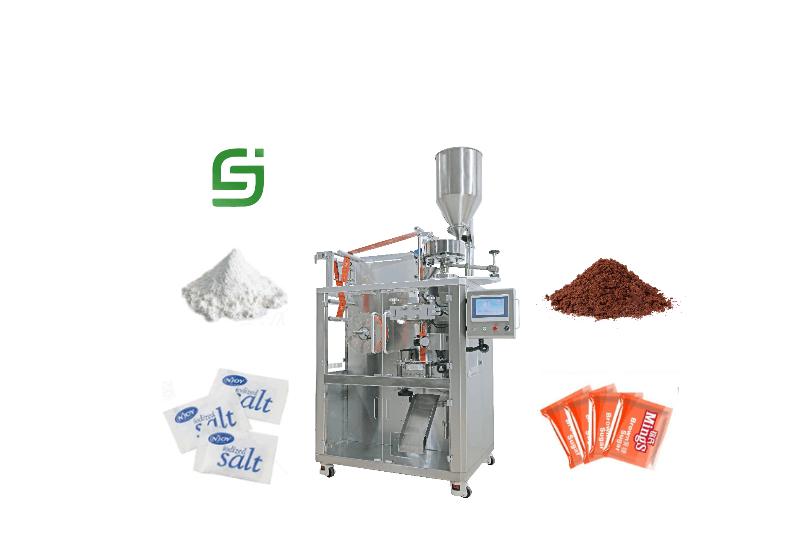
Approve a product-specific operating envelope with blend profile, feeder parts, mesh, bag volume, target, settings, accepted sample group, defect rules, cleaning method, and retest triggers. Do not extend the result to an untested herbal mixture.
Which herbal tea sample should be sent for machine testing? Send the blend with the largest pieces, weakest flow, most dust, or greatest segregation risk, plus normal products. Label size range, moisture condition, target fill, and planned mesh.
Does an attractive empty triangle bag prove machine suitability? No. The trial must use the real blend and inspect feeding, product damage, mesh tracking, corner seals, cut position, containment, and restart behavior.
Why does bag volume matter for herbal tea? The selected volume must receive the dose without forcing pieces into seals or crushing the blend, while leaving the intended infusion space.
What cleaning evidence should the buyer request? Observe access to the hopper, feeder, drop path, forming area, and loose-product collection points. Time one changeover and inspect for residue before reassembly.
How should blend separation be evaluated? Compare the composition and dose of samples collected before and after refill and later in the run. Record any agitation or manual intervention needed to maintain the mixture.
A triangle tea bag packaging machine for herbal tea must be selected around the physical blend, not the tea name alone. Piece size, fragility, dust, density, segregation, mesh, bag volume, and cleaning access all influence whether the line can produce repeatable bags.
Use the difficult blend during a phased trial, retain accepted and rejected samples, and lock the approved material and settings. The resulting evidence is a stronger purchase basis than an empty-bag demonstration or an unsupported speed claim.

YISEN MACHINERY - The ONE-STOP VFFS PACKING MACHINE SOLUTION SUPPLIER
 Tel: +8617350750975
 Email: info@vffspackingmachinery.com
 MP/WhatsApp: +8617350750975
 Manufacturer Address:Meixi Road, Tongan District, Xiamen,Fujian,China