

Hot Keyword:
Author:YISEN Pouch Packing Machine Manufacturer TIME:2026-09-02
Evaluate tea bag sealing quality as a complete release system, not a single temperature reading. Map every inner-bag and envelope seal, test the intended paper, mesh, film, tea, and machine speed, classify defects, and retain samples from startup, stable running, refill, stop, and restart before approving the configuration.
Draw the complete seal map for the delivered format. It may include filter-paper or mesh seams, thread attachment zones, outer-envelope longitudinal and cross seals, and retail overwrap. Give every seal its material pair, appearance rule, functional test, and defect code.
Inspect the complete package system: A tea bag line may create an inner filter-paper or mesh seal, attach thread and tag, and close an outer envelope. Each interface has a different function and failure mode. Mark seal locations on the inspection record and define defects separately: an open containment seal, cut or damaged material, tea trapped across the seal, distorted bag, weak thread attachment, poor tag position, envelope channel, or code damage should not be merged into one vague reject count.
Paper, nonwoven filter material, nylon or PLA mesh, envelope paper, and laminate respond differently to heat, pressure, dwell, ultrasonic energy, tension, and contamination. Use the commercial material construction and normal supplier variation instead of approving one untraceable sample roll.
| Interface | Primary function | Inspect |
|---|---|---|
| Inner filter paper/mesh | Contain tea while permitting intended infusion | Continuity, corners/folds, cuts, trapped tea, and shape |
| Thread attachment | Retain thread through handling and use | Attachment, position, length, and material damage |
| Tag | Provide consistent presentation and handling | Presence, alignment, print, and connection |
| Outer envelope | Protect and present the inner bag | Registration, closure, wrinkles, channels, code, and count |
Quality terminology: A seal map identifies each closure and its function. A defect category describes the observed failure rather than a guessed cause. Release means the sampled output satisfies the documented visual and functional rules for the approved tea bag.
Review the delivered sealing method and its controlled variables. Record tool identity and condition, alignment, pressure, temperature response, dwell or ultrasonic settings, machine speed, cooling, and material tension. A displayed setpoint is not proof of the condition at the seal.
Check tooling and material condition: Inspect sealing faces, anvils, cutters, guides, tension components, and surfaces that collect tea dust according to the supplier's safe procedure. Record wear, contamination, alignment, and replacement history. At the same time, check packaging storage, reel or stack condition, and lot identification. A quality investigation that looks only at temperature can miss a damaged tool, poor material edge, absorbed moisture, winding fault, or variation introduced before the packaging reached the machine.
Create a defect library with labeled examples of open seals, channels, wrinkles, cuts, scorched areas, weak bonds, loose tea in the seal, displaced thread, and envelope distortion. The library should state disposition and escalation rules so shifts classify the same fault consistently.
| Sample phase | Potential variation | Required evidence |
|---|---|---|
| Warm-up | Temperature or tool condition not stabilized | Rejected pieces and first release sample |
| Stable run | Normal material, dose, and speed interaction | Distributed samples and defect count |
| Refill | Dust, large pieces, or dose recovery | Before/after samples |
| Speed change | Timing, dwell, tracking, and handling | Settings and transition rejects |
| Restart | Recovery after stationary heat/material | First released bag and isolation rule |
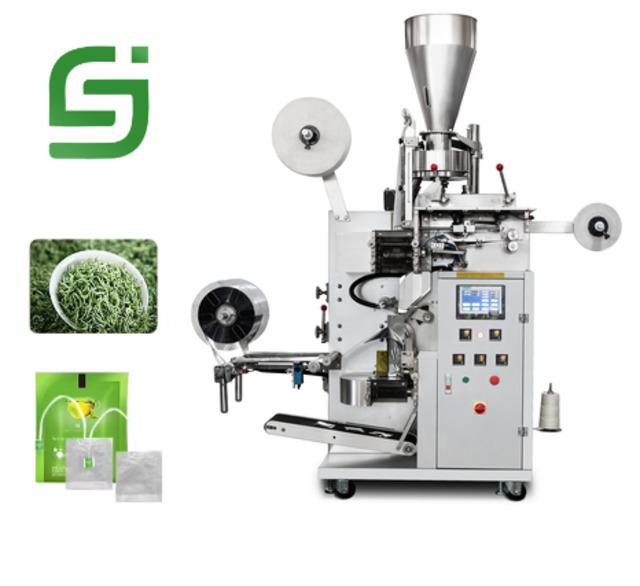
Use the tea bag packaging machine options to confirm which sealing, tag, envelope, and inspection functions belong to the evaluated line.
Define a defect library: Photograph representative accepted bags and real reject categories beside a scale or location marker, then retain physical samples where storage permits. Add the material, machine recipe, date, and disposition. Operators can use this library to distinguish a harmless appearance variation from a containment, infusion, or retail-presentation failure. Review the examples after tooling, paper, mesh, thread, tag, or envelope film changes because the visible signature may also change.
Collect samples from setup, released stable running, tea refill, packaging-material change, a normal short stop, and restart. Include consecutive pieces and all rejected output within the sampling boundary; selected attractive bags cannot show drift or recovery behavior.
Use phase-based samples: Label bags from warm-up, first release, stable running, immediately before and after tea replenishment, a planned speed change, a short stop, and restart. Observe whether temperature recovery, dust, large particles, paper tracking, mesh tension, folds, or tool contamination alter the result. Sample across the run rather than keeping only the best consecutive bags selected by the operator.
Combine visual inspection with tests suited to the package and intended risk. Depending on the seal, this may include peel, squeeze, burst, dye, vacuum, brewing, or handling checks. Define equipment, sample count, conditioning, and pass criteria before seeing the result.
Seal review: Inner bags, thread and tag, and outer envelopes need distinct inspection points. Quality evidence is strongest when every failure is linked to a sample phase, location, machine condition, correction, and repeat result.
Match the test to the purpose: Visual inspection can find wrinkles, misalignment, loose tea, incomplete patterns, and cuts. A suitable leak, peel, handling, infusion, or envelope test may reveal defects that appearance misses. Agree on the method, sample count, conditioning, equipment, and pass rule before the trial. Record the location and character of every failure, because an average result can hide a recurring weak corner or contaminated band.
When a seal fails, link the defect to material, contamination, tooling, alignment, pressure, energy, speed, tension, or product-path evidence. Record correction and repeat the affected production phase. Repeated setting changes without retained failed samples obscure the actual cause.
| Failure class | Investigation | Closure evidence |
|---|---|---|
| Open or weak seal | Material, mechanism, temperature/time/pressure, and location | Repeat functional test at same phase |
| Tea in seal | Feeding timing, drop path, dust, fill volume, and static | Clean seal samples across refill/restart |
| Cut or wrinkle | Tracking, tension, folding, tooling, and material variation | Mapped visual samples after correction |
| Tag/envelope defect | Component feed, registration, controls, and discharge | Complete finished-bag sample set |
Close the investigation loop: When a bag fails, retain it, identify the trial phase and settings, classify the likely source, make one controlled correction, and repeat the affected condition. The release standard should name the material, bag format, fill, machine recipe, inspection frequency, reject handling, and authority to stop production. This turns sealing quality into a reproducible control process rather than a subjective visual judgment.
Release standards should identify the approved material lots or specification, machine and tool revision, operating window, sample plan, defect limits, retained examples, and authorized response after intervention. Train operators against that controlled standard and review defect trends over time.
Include the release standard in operator training and shift handover. A new operator should be able to locate the approved examples, choose the correct sampling method, isolate doubtful output, and escalate a recurring defect without improvising a new acceptance rule. Supervisor review should confirm both the physical samples and the completeness of the record.
Use trend records: Summarize defect counts by location, category, product, material lot, shift, and intervention rather than storing only a total reject percentage. A growing pattern at one corner, after refill, or during restart can guide preventive action before an open seal becomes frequent. Trend review also helps separate random handling damage from a recurring machine, material, or operating condition that deserves a structured trial.
Control release after intervention: Define which events require new samples before normal output is mixed with released stock. These may include cleaning the seal area, changing a reel, replenishing mesh or tags, replacing a heater or sealing component, clearing a jam, changing speed, or restoring power. The operator should isolate output produced during uncertainty and record the first accepted sample after the intervention. This creates a visible boundary instead of relying on memory about when the process returned to control.
Seal release note: Approve sealing quality with samples from startup, stable production, a planned stop, material replenishment, and restart. Identify the tea, filter paper or mesh, outer film, temperature, pressure, dwell time, speed, and room condition used for every sample set. Inspect wrinkles, contamination, channel leaks, weak edges, misplaced thread or tags, and damage caused by excessive heat. Where the finished pack has an outer envelope, assess the inner tea bag and envelope separately. Keep both accepted and rejected samples with the test record so later material changes can be compared against a visible standard. Release criteria should state who accepts the result and which machine or material change requires the sealing checks to be repeated.
Is a tea bag seal acceptable when it looks clean? Appearance is important but may not reveal every channel, weak bond, cut, or handling failure. Use the functional test agreed for the bag material and intended use.
Why does loose tea appear in the seal? Product dust, large particles, feeder timing, drop path, static, bag movement, or an overfilled volume can place tea across the sealing interface. The cause should be observed during the relevant phase.
Should inner bags and outer envelopes use the same inspection rule? No. They use different materials and functions. Define containment and infusion checks for the inner bag and presentation, code, and closure checks for the envelope.
How should recurring failures be investigated? Map failure location and timing, retain the sample, check material and tool condition, change one relevant variable, and repeat the same operating condition after correction.
What belongs in a quality release standard? Include approved materials and format, machine recipe, sample frequency, inspection methods, defect categories, acceptance limits, reject isolation, and the person authorized to release or stop the line.
Sealing quality in a tea bag packaging machine covers every containment and presentation interface created by the line. Evaluation must reflect the actual paper, mesh, film, bag format, tea, sealing mechanism, and production phase.
A useful release standard combines mapped defects, representative samples, suitable functional tests, retained evidence, and a controlled correction loop. It gives operators a repeatable basis for deciding whether finished tea bags are acceptable.

YISEN MACHINERY - The ONE-STOP VFFS PACKING MACHINE SOLUTION SUPPLIER
 Tel: +8617350750975
 Email: info@vffspackingmachinery.com
 MP/WhatsApp: +8617350750975
 Manufacturer Address:Meixi Road, Tongan District, Xiamen,Fujian,China