

Hot Keyword:
Author:YISEN Pouch Packing Machine Manufacturer TIME:2026-09-09
Choose a single chamber tea bag machine for hotel and foodservice packs by defining the serving format, tea range, tag or envelope presentation, hygiene controls, case-packing method, and actual peak demand. The best configuration is the one that releases consistent usable servings with manageable operator work.
Foodservice purchasing often prioritizes a dependable conventional bag, clear brand presentation, and straightforward replenishment rather than the largest number of format options. Buyers should still test their most difficult tea, commercial materials, and downstream packing process. Nominal machine speed alone does not show whether staff can maintain supply during changeovers, cleaning, and material refills.
Planning note: Translate the sales forecast into an operating calendar before comparing quotations. List servings required by shift, peak seasonal demand, planned hours, sanitation windows, format changes, staff availability, and the finished-carton quantity that must leave the room. Then apply measured acceptance yield and observed downtime instead of assuming every rated cycle becomes a saleable tea bag. Review how operators will stage tea, filter rolls, thread, tags, envelopes, coding consumables, and cartons without crossing hygiene routes or blocking access. For hotel assortments, include the time needed to change artwork, code, flavor, and outer presentation, because many short campaigns can demand more labor than one long run. The resulting capacity model should show normal demand, recovery margin, and the conditions that would require another shift or line. Test the model during acceptance by collecting accepted output in the real foodservice case quantity. Include tag or envelope inspection, code release, manual replenishment, and carton transfer instead of counting loose bags at the discharge. Record each interruption and classify it as planned operator work, material issue, adjustment, or fault. This evidence shows whether the proposed staffing and buffer are credible for a banquet peak or central-kitchen dispatch window. It also identifies small accessories, staging tables, spare magazines, or downstream aids that belong in the final scope.
Acceptance note: Define the service response needed during the busiest supply period. Record the installed machine revision, local spare stock, remote diagnostic method, expected response window, and the plant contact authorized to stop or restart production. Review common recovery work with operators during training and keep the approved steps at the line. A foodservice operation gains little from rated capacity when a minor presentation or sensor issue cannot be diagnosed before the next dispatch deadline.
Map where the tea bag will be used: guest room, breakfast buffet, restaurant table, conference service, airline tray, or bulk kitchen supply. Each setting changes expectations for envelope barrier, tag visibility, individual coding, secondary packing, and handling.
Working method: Collect current packs, case dimensions, dispenser constraints, and brand artwork. Record whether staff handle loose bags, envelopes, cartons, or mixed assortments. Include the opening and brewing steps in the user review.
Evidence to retain: Create a requirement sheet for inner bag, thread, tag, envelope, code, count, and case orientation. Photograph how accepted packs fit the actual service location.
Decision boundary: Avoid adding features that do not solve a service need. Extra materials and mechanisms increase changeover, cleaning, and procurement complexity.
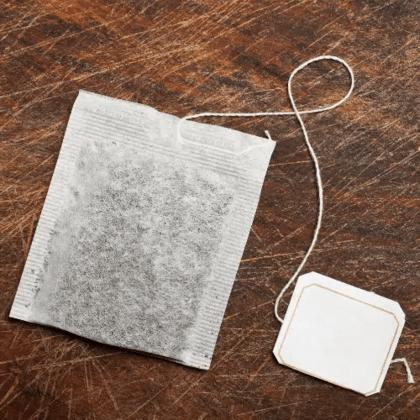
Single chamber bags may handle several tea types, but leaf size, dust, density, electrostatic behavior, moisture, and target dose influence filler choice and seal cleanliness. A hotel assortment can include products that behave very differently on one line.
Working method: List every planned blend and identify the easiest, dustiest, lightest, largest-leaf, and most aromatic products. Supply representative lots and define allowed dose and appearance rules. Test the difficult extremes rather than an average blend alone.
Evidence to retain: Record raw sample weights, accepted bag weights, spills, trapped product, interventions, and refill behavior. Link results to tea lot and recipe.
Decision boundary: Do not generalize performance from black tea to all herbal or flavored blends. Product behavior, not the marketing name, determines the trial need.
The filler must meter the intended tea while limiting damage and keeping the closure area clear. Cup, auger, weighing, or other systems suit different product profiles, and the drop path must align with bag volume and cycle timing.
Working method: Review hopper geometry, agitation, level control, feeder contact surfaces, discharge timing, and access for cleaning. Observe bridging, segregation, dust, and leaf breakage during refill and after short stops.
Evidence to retain: Retain samples before and after the run to compare product condition. Count seal-area contamination separately from dose errors and document the correction used.
Decision boundary: A filler that reaches a target average can still be unsuitable if it damages the blend, separates components, or contaminates seals.
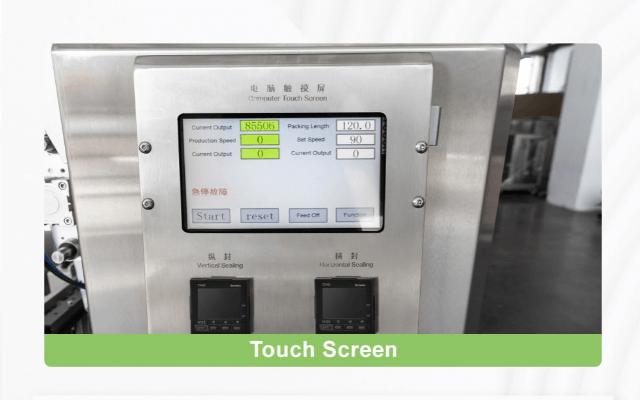
Tags support handling and branding; envelopes can add barrier and presentation. Define whether each SKU needs plain or printed tags, thread length, envelope material, easy-open features, and code placement. Standardizing components can simplify hotel assortments.
Working method: Run final tag and envelope materials through pickup, attachment, registration, sealing, and cutting. Test replenishment and restart. Check whether the finished pack works with the intended carton or dispenser.
Evidence to retain: Save accepted and failed examples with material codes, settings, and defect category. Use the single chamber tea bag machine family as a selection reference, then verify the quoted modules.
Decision boundary: An envelope should not be assumed to provide a particular shelf-life result without the buyer's barrier and product validation.
| Decision area | Items to lock | Acceptance evidence |
|---|---|---|
| Guest-room pack | Clean presentation and individual handling | Tag position, optional envelope, readable code |
| Buffet service | Rapid replenishment and assortment control | Count accuracy, carton access, durable packs |
| Restaurant service | Consistent portion and brand appearance | Dose, seal, tag, brewing sample |
| Bulk foodservice | Low handling cost and stable supply | Accepted output, case count, changeover time |
Foodservice demand is usually seasonal and time-sensitive. Convert annual volume into peak-shift requirements, then include startup, warmup, refills, planned cleaning, changeovers, quality checks, minor stops, and case-packing constraints.
Working method: Measure accepted output during a representative trial. Use the real tea and complete pack, and exclude rejects or empty mechanical cycles. Time product and material changes separately from stable production.
Evidence to retain: Build a capacity sheet with demand, available shifts, planned utilization, accepted rate under stated conditions, changeover minutes, and contingency. Review whether upstream preparation or downstream counting limits the line.
Decision boundary: Catalog speed is not a guaranteed daily output. The final plan depends on the approved configuration, materials, staffing, and release rules.
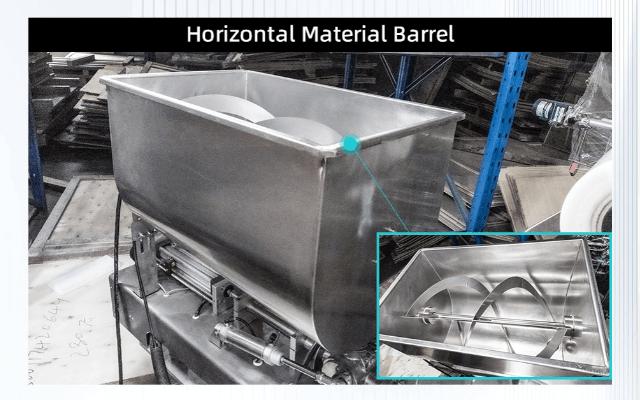
Tea dust, flavorings, botanicals, and fine particles can remain in hoppers, feeders, chutes, guards, and surrounding ledges. The cleaning method should prevent carryover while protecting sensors, seals, and components from unsuitable water or chemicals.
Working method: Map product contact parts and difficult access points. Define dry clean, wipe, wash, inspection, drying, and reassembly steps. Trial a realistic product change and release the next batch using the buyer's inspection rule.
Evidence to retain: Record tools, removed parts, elapsed time, observations, verification result, and first accepted samples. Identify dedicated parts where aroma or allergen risk requires them.
Decision boundary: The equipment supplier can explain access and component limits, while the buyer owns the plant sanitation program and product-release decision.
A good tea bag leaving the machine can be damaged, miscounted, or mixed downstream. Define accumulation, counting, carton loading, assortment building, case labels, and reject isolation as part of the operating concept.
Working method: Observe how bags or envelopes exit and orient. Test the intended manual or automated packing method at realistic output. Check scuffing, bent tags, crushed envelopes, count errors, and line backup.
Evidence to retain: Reconcile machine accepted count with packed cartons and isolated rejects during the trial. Record labor positions, work-in-process limits, and recovery after a downstream stop.
Decision boundary: Do not size the bagger without considering the slower downstream step. Excess accumulation can create handling defects and misleading output figures.
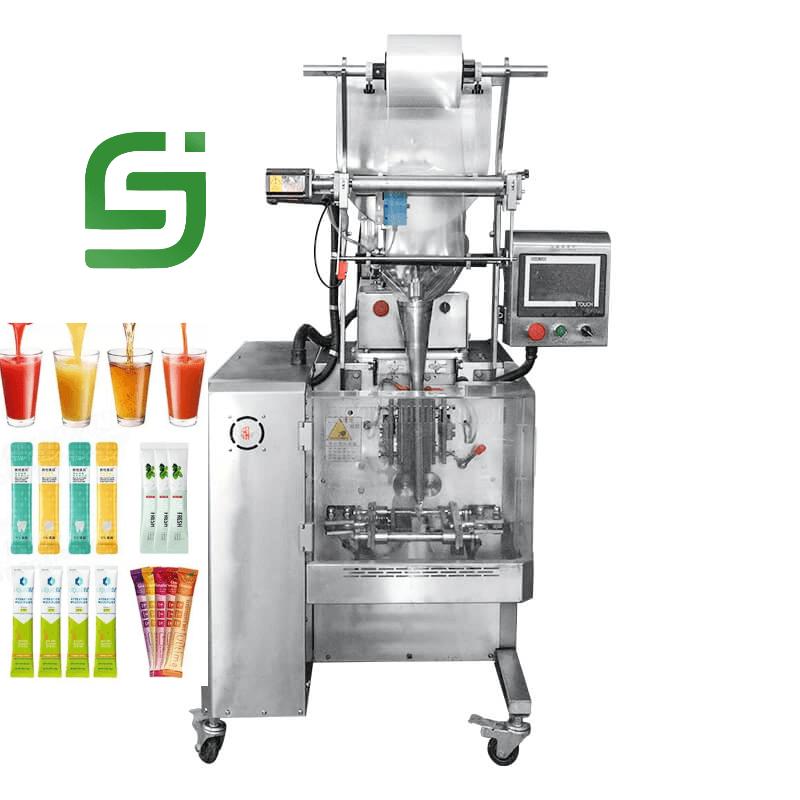
Foodservice supply commitments make recovery important. The purchase should define operator training, maintenance tasks, consumables, critical spares, recipe backup, remote support boundaries, and the information needed for a useful service request.
Working method: Review wear parts for the feeder, seals, cutters, thread and tag system, envelope path, sensors, and printer. Assign storage conditions and replacement authority. Train staff on first-piece release after intervention.
Evidence to retain: Retain manuals, drawings, parts lists, training attendance, backups, released samples, and supplier escalation contacts. Link maintenance records to defects and downtime.
Decision boundary: A spare-parts list should follow the quoted revision and operating duty. Generic kits can omit the component that actually governs recovery.
Is a single chamber bag suitable for every hotel tea? No. Test each relevant leaf profile, dose, filter material, and presentation because filling and seal behavior can differ by blend.
Should hotels always request individual envelopes? No. Barrier, hygiene, presentation, coding, distribution, waste, and cost requirements should determine whether an envelope is justified.
How should machine capacity be compared? Compare accepted finished packs during realistic phases and include cleaning, changeovers, refills, checks, minor stops, and downstream packing.
What is important in a flavored-tea changeover? Access, residue removal, aroma carryover, removable-part handling, drying where relevant, inspection, and first-piece release should be documented.
Which spare parts deserve priority? Prioritize revision-specific wear and failure items that affect filling, sealing, cutting, thread or tag handling, sensors, coding, and safe recovery.
A single chamber tea bag machine can fit hotel and foodservice work when the serving format, tea range, presentation, sanitation, capacity, downstream packing, and support model are specified together. Confirm routine replenishment and restart performance with the intended operators. Base approval on commercial materials and accepted servings through realistic operating phases, then preserve recipes and release evidence.

YISEN MACHINERY - The ONE-STOP VFFS PACKING MACHINE SOLUTION SUPPLIER
 Tel: +8617350750975
 Email: info@vffspackingmachinery.com
 MP/WhatsApp: +8617350750975
 Manufacturer Address:Meixi Road, Tongan District, Xiamen,Fujian,China