

Hot Keyword:

Author:YISEN Pouch Packing Machine Manufacturer TIME:2026-10-06
Specify voltage, frequency, and phase through a supplier-confirmed schedule for the complete ordered configuration, reviewed against destination supply information provided by qualified site personnel. For a tea bag manufacturing machine, approve the base unit and each auxiliary separately. Keep unclear catalogue entries open until the supplier resolves them; this purchasing review does not authorise electrical connection or provide wiring instructions.
Create one schedule that connects every equipment item to its proposed electrical configuration and the person responsible for approval. Start it while quotations are still being compared. Waiting until delivery to establish which items require separate supplies can leave a purchase decision dependent on unpriced changes.
| Order item | Supplier submission | Approval owner | Purchasing consequence if unresolved |
|---|---|---|---|
| Base tea bag machine | Model-specific voltage, frequency, phase, load information, and drawing revision | Machine supplier and qualified site reviewer | Keep electrical configuration unapproved |
| Selected forming, weighing, or closing option | Confirmation of inclusion in the base configuration or separate requirements | Supplier responsible for the option | Request a revised complete equipment schedule |
| Quoted outer wrapper or other auxiliary | Its own supply requirements and responsibility for interfaces | Auxiliary vendor and site reviewer | Price and resolve the mismatch before approval |
| Proposed adaptation package | Documented scope and confirmed compatibility of affected equipment | Responsible supplier and qualified site personnel | Do not assume the adaptation closes every discrepancy |
Use the schedule as an approval record, not a connection diagram. Actual values should come from controlled supplier documents and verified site information. Blank or disputed entries remain open items with named owners.
Ask qualified personnel at the receiving facility to provide the supply information they need the supplier to assess. That submission should identify the destination and the proposed equipment location so it cannot be mistaken for a generic national supply description. Purchasing should transmit the approved information accurately without interpreting electrical measurements.
A country name, socket photograph, or specification from an earlier machine is not a substitute for the receiving site's review. The same organisation may operate different buildings or production areas. Make clear which installation the supplier is designing for and who can answer its technical questions.
Record the date, author, and revision of the site submission. If the destination changes during the order, return the configuration for review before accepting it as unchanged. The buyer's commercial team can manage the document trail, while the supplier and qualified site reviewer decide what the change means for the offered equipment.
The stored YS-ZF90 page contains an electrical entry, while the YS-169 record includes a power line with ambiguous formatting. Use those records to ask for a controlled specification for the machine being purchased. They do not establish the electrical configuration of every model, optional assembly, or export order.
Do not silently repair the unclear line by inserting punctuation, choosing a plausible frequency, or copying a value from a neighbouring product. Ask the supplier to issue an unambiguous document that states the relevant characteristics separately and identifies the exact configuration to which they apply.
Retain the clarification beside the original quotation so an earlier catalogue statement cannot later override the agreed configuration. If the supplier changes a component or option after clarification, request confirmation that the electrical schedule remains valid. A more readable sales description is useful, but it is not a replacement for configuration-specific approval.

Give each characteristic its own field rather than accepting a single compressed power string. Ask the supplier to state the required supply for each ordered item and identify any permitted operating range in its controlled documentation. Leave interpretation and compatibility approval to the people responsible for the equipment and site electrical system.
A reply that confirms only voltage leaves the other requested characteristics unanswered. Similarly, a quoted power figure does not settle phase, supply compatibility, or the receiving site's capacity review. Keep the supplier's load information and the site team's assessment linked to the same configuration revision.
Where different parts of the proposal carry different ratings or descriptions, ask for an explanation of the equipment boundary. Purchasing needs a coherent schedule that the technical reviewers can approve. It should not decide which figures are interchangeable, infer a supply from a photograph, or translate a component marking into permission to connect the complete machine.
List the base machine, its selected options, and any separately quoted upstream or downstream equipment. Ask whether each item is covered by the base submission or needs its own supply entry and approval. An outer wrapper, printer, or transfer device should appear only when it is part of the proposed purchase, not because it appears in a generic line illustration.
The YS-ZF90 product description discusses downstream outer packaging. Use that context to ask whether the offered wrapper is included, separately supplied, or outside the order. Do not assume its electrical requirements are covered by the tea bag machine's catalogue entry.
The YS-169 reference, by contrast, describes inner and outer packaging within one machine concept. Ask whether the supplier's submitted schedule covers the complete ordered version, including selected attachments. The public description does not remove the need to confirm which assemblies and controls belong to that version and which proposed additions sit outside it.
When the schedule and site submission disagree, ask the supplier to describe its proposed resolution in writing. The response should identify the affected items, the changed configuration, the party supplying any additional equipment, and the documents that require revision. Purchasing should keep the item open until the technical reviewers approve that response.
Do not accept "add a transformer" as a complete answer to an undefined mismatch. Ask the responsible supplier to confirm how its full proposal addresses every relevant supply characteristic and affected component. This article does not select conversion equipment or explain how to connect it.
Keep the commercial consequences visible: changes to price, lead time, warranty responsibility, documentation, and the agreed demonstration. If one vendor excludes the auxiliary equipment from its assessment, obtain that vendor's separate approval. Closing a discrepancy for the base unit should not automatically close a different discrepancy on an independently supplied device.
Before accepting the supplier's electrical submission, compare equipment identities across the quotation, configuration list, schedule, and drawing register. Ask the supplier to explain missing options, differing model references, or documents bearing incompatible revisions. The objective is to ensure that all reviewers are approving the same ordered arrangement.
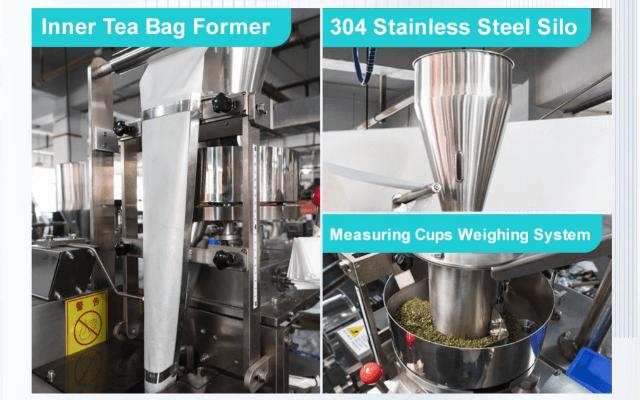
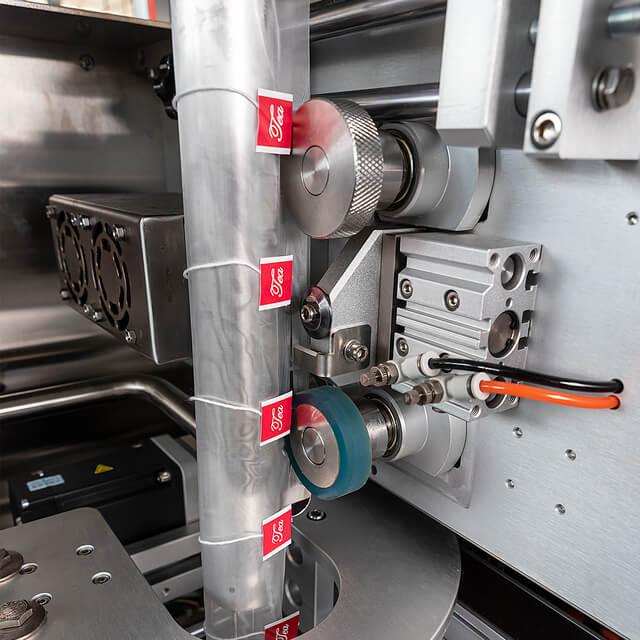
Request readable nameplate records for the supplied units when available, linked to their equipment identities. The contextual machine images here contain no readable nameplate that can verify the required supply. Obtain that separate record from the supplier for review alongside the approved electrical submission.
A component nameplate and a machine nameplate may refer to different scopes. Have qualified reviewers resolve what each record establishes. Purchasing should retain their decision without extracting an isolated marking as a substitute for the complete electrical submission. Any substitution after approval should return through document review with its effect on the ordered configuration explained.
Make the document register identify superseded files as well as current ones. Ask the supplier to include the final approved revisions in the delivery documentation and identify the responsible technical contact. This helps the receiving team distinguish an early quotation attachment from the records for the shipped equipment without reconstructing the decision from scattered correspondence.
Define which approvals must be complete before manufacture, the supplier demonstration, shipment, and site connection. These milestones may involve different documents and responsible people. Put the agreed sequence in the purchase order so approval of a drawing cannot be mistaken for permission to energise equipment at the destination.
Ask how the supplier will document the configuration used during its demonstration and reconcile it with the ordered supply conditions. Where those conditions differ, require the technical reviewers to state what remains unverified. Do not treat a successful factory run as automatic approval of every destination requirement.
Review the tea bag packaging machine options to identify the intended equipment family, then close its specific electrical schedule with the supplier. Preserve unresolved entries and their release consequences. Final connection and electrical acceptance belong to qualified site personnel using the approved supplier documentation and applicable site requirements.
Can the purchase order use only the destination country? No. Obtain destination-specific supply information from qualified site personnel and have the supplier assess the proposed configuration against it. The country name cannot establish the conditions at the chosen equipment location.
Does one power entry cover the wrapper and other auxiliaries? Only when the responsible suppliers explicitly confirm that scope in the approved documents. Ask which items the entry includes and obtain separate submissions for independently supplied equipment. Do not infer inclusion from a line photograph.
What should a buyer do with a malformed electrical specification? Keep it unresolved and request an unambiguous, model-specific replacement from the supplier. Preserve both the query and clarification. Purchasing should not choose the most plausible missing value or amend the specification without technical approval.
Is a proposed transformer enough to approve a mismatch? The supplier must explain the complete adaptation and confirm compatibility for every affected item. Qualified site personnel must review that response. The proposal remains open if frequency, phase, auxiliary scope, or another relevant requirement is unanswered.
When does a machine photograph verify its electrical configuration? A general exterior or mechanism photograph does not. Obtain readable nameplate records and controlled documents for the identified equipment, then have the qualified reviewers reconcile them with the ordered configuration and site information.
Electrical purchasing approval should produce a traceable agreement between the receiving site, the machine supplier, and any auxiliary vendors. Keep voltage, frequency, phase, configuration identity, and approval responsibility explicit for each ordered item. Unclear catalogue wording should lead to a supplier clarification, not an assumed value. Release the commercial milestone only when its agreed documents are approved, and preserve qualified site responsibility for subsequent electrical work.

YISEN MACHINERY - The ONE-STOP VFFS PACKING MACHINE SOLUTION SUPPLIER
 Tel: +8617350750975
 Email: info@vffspackingmachinery.com
 MP/WhatsApp: +8617350750975
 Manufacturer Address:Meixi Road, Tongan District, Xiamen,Fujian,China