

Hot Keyword:
Author:YISEN Pouch Packing Machine Manufacturer TIME:2026-10-08
A dual-format order for a pyramid tea bag machine needs a supplier-confirmed conversion bill of materials covering forming, web guidance, closure, cutting, and bag discharge. Identify which components are shared, adjusted, or exchanged for each approved pyramid and flat bag. A screen mode is only one part of the conversion; the supplied hardware and drawings must account for both finished shapes.
Start with the pyramid bag and the flat rectangular bag that customers will actually receive. Give each a drawing number and revision. Show finished dimensions, fill quantity, closure position, cut location, and any already selected attachment. Add the applicable web specification so the supplier is answering for two defined products rather than a vague promise of flexibility.
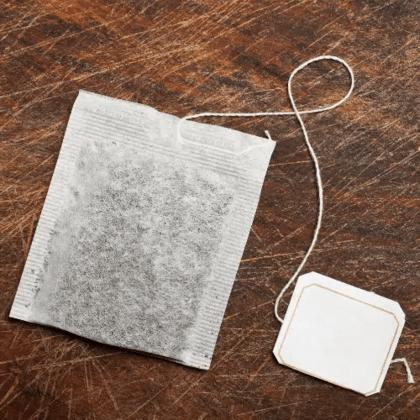
The YS-ZF90 product page records pyramid and rectangular bags and says the corresponding forming unit needs confirmation. Its green and black tea product reference also identifies these shapes. Neither description establishes the exact conversion kit included with a particular quotation. The purchase question is which parts make the agreed drawings possible on the machine being offered.
Keep flat rectangular bags distinct from other constructions. A flat bag illustration does not establish a folded double-chamber format. Ask the supplier to mark any difference between its demonstration sample and your drawing before discussing conversion parts. A changed bag design can change the kit, even when the sales name remains the same.
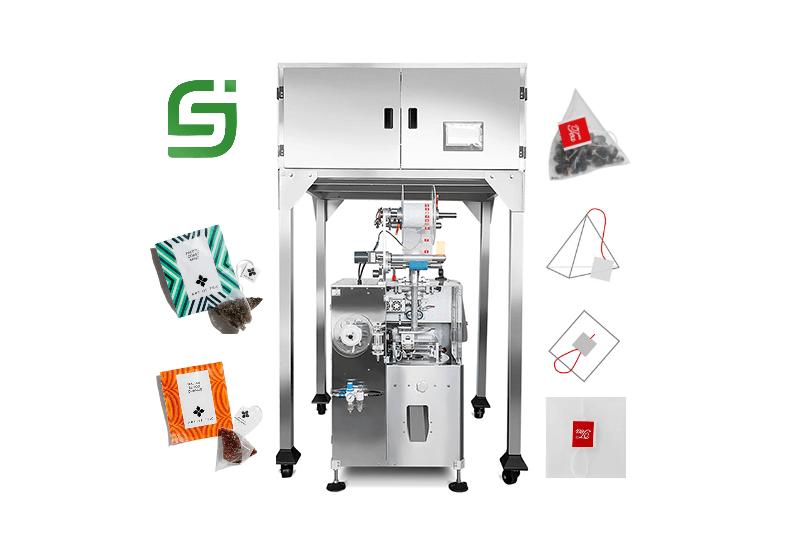
The matrix below is a request for identification, not a claim that every listed component must be replaced. The supplier should enter a part number, an adjustment instruction, or a supported explanation that the installed component serves both drawings. Avoid accepting a single quotation line called a dual-format kit without this breakdown.
| Assembly to identify | Pyramid drawing entry | Flat drawing entry | What settles the order |
|---|---|---|---|
| Former and product chute | Named forming geometry and chute position | Named forming geometry and chute position | Part numbers, mounting interfaces, and delivered quantities |
| Web guides and supports | Guide locations for the pyramid web path | Guide locations for the rectangular web path | Common components versus exchange parts, with setup references |
| Closure assembly | Closing orientation and fitted contact components | Closing orientation and fitted contact components | Written identification of adjustment or hardware change |
| Cutter and cut reference | Cut position relative to the pyramid closure | Cut position relative to the flat closure | Retained blade or replacement set, as confirmed by supplier |
| Bag discharge guides | Support for the completed pyramid bag | Support for the completed flat bag | Clearance and handoff check with filled samples |
| Settings and dedicated tools | Released recipe and required setup tools | Released recipe and required setup tools | Delivered files, tool list, and permission to adjust |
Add columns for quantity, delivery status, and storage location when the supplier returns the matrix. This distinguishes a part installed on the machine from an additional part packed separately. It also exposes components that were discussed during sales but never priced or included in the shipment.
Have the supplier trace the web path for each drawing and identify the parts that establish its position. If a former changes, record how the replacement mounts and how its position is restored. If the former stays installed, ask which physical adjustments create the second geometry and where those adjustments are documented.
Include the product chute in the discussion. A chute suitable for the demonstrated pyramid arrangement is not automatically cleared for every rectangular bag size or fill. Ask the supplier to show that the proposed combination leaves the intended closing area clear when your tea is present. This is a check on the quoted parts, not a reason to redesign the dosing system.
Small guide plates, spacers, and dedicated supports can be easy to omit from a commercial parts list. Request an exploded drawing or a labelled photograph of everything removed and installed during conversion. Where a component is adjustable instead of interchangeable, the kit should include the reference position or gauge needed to reproduce the setting.
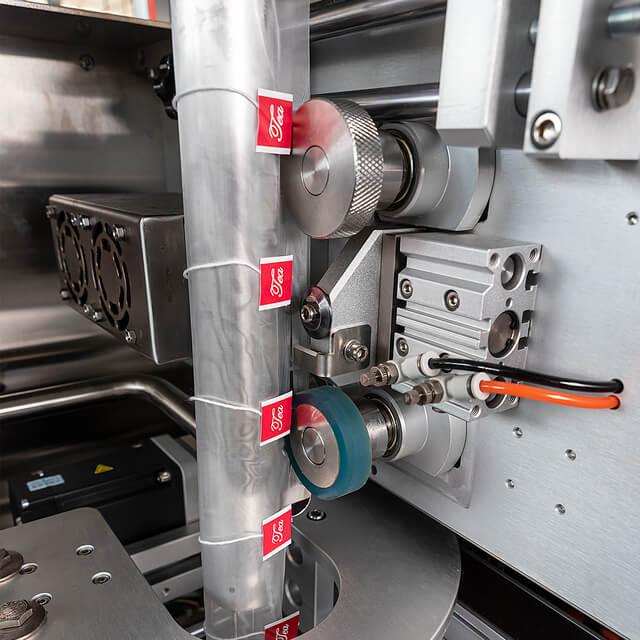
Changing bag geometry can require a different relationship between the web, the closing faces, and the cut. Ask the supplier to identify that relationship for both drawings. The YS-ZF90 page identifies ultrasonic sealing, but it does not provide a universal list of interchangeable closure or cutting parts.
For each assembly, request a clear answer: retained without change, adjusted by a defined method, exchanged for a named part, or subject to further engineering review. A swivel or mode selection described on a product page does not answer whether the quoted contact components and cutting arrangement cover your exact bag dimensions.
Do not specify a replacement ultrasonic component or blade merely because another machine uses one. Let the supplier identify the fitted design and its requirements. Then connect that answer to a physical item in the kit, an approved setup instruction, and the corresponding sample. An unresolved closure component should remain an open quotation item rather than being hidden under commissioning.
A useful bill of materials distinguishes a genuinely common component from two components with similar appearance. Matching photographs or model-family names do not establish the same dimensions, mounting holes, or revision. Require the supplier's part identification before describing something as interchangeable between formats.
Ask whether the conversion consumes any one-use items and whether ordinary wear spares are separate from the format kit. A spare blade for the current format may not be the blade needed for the second drawing. Likewise, a storage box full of duplicate maintenance parts does not complete a missing rectangular former or guide set.
Label the delivered parts by drawing and revision, not simply by color or an operator's memory. Where a component serves both formats, show that shared status in the inventory so it is not mistakenly packed away. Include fasteners and locating pieces when their dimensions are specific to the conversion, and ask who supplies any special tools.
Software settings should identify the approved physical configuration. Ask how an operator distinguishes the pyramid recipe from the flat recipe and which adjustments remain manual. Record the hardware revision beside the recipe identifier so that a familiar screen name cannot conceal a changed former or guide arrangement.
Have the supplier explain what happens when a recipe is restored after a backup or controller replacement. The buyer needs recoverable settings and a clear description of the limits of the stored recipe. It may not position every mechanical component or confirm that the correct parts are installed.
Keep the conversion instruction focused on changing format: isolate the machine by the supplier's procedure, identify exchanged parts, restore references, select the approved settings, and check the resulting bag. Detailed maintenance and cleaning procedures belong in their own instructions. They should not be used to fill gaps in the conversion bill of materials.
The second format must leave the machine without catching, folding, or losing its intended presentation. Ask the supplier to identify discharge guides or supports that change with shape. If the bag then enters an envelope wrapper, establish whether the receiving arrangement also needs parts or adjustments.
This downstream question does not imply that a wrapper conversion is included in the base machine kit. Put any additional work on a separate, explicit line and name the responsible supplier. A successful loose-bag demonstration cannot settle the fit inside the buyer's finished envelope or the movement through an existing receiving device.

The pictured pack is a product-page example of nested packaging, not an approved sample for either drawing in your order. Use your own filled bags to establish clearances. This matters particularly when the commercial bag is fuller or less flexible than the sample used to present the machine.
Ask an intended operator to change from the first approved format to the second using only the delivered parts and instructions. Then return to the first format. The return step can reveal missing reference marks, ambiguous guides, or setup knowledge that was never captured in the handover.
Compare the resulting bags with the two controlled drawings. Record which parts were exchanged, which adjustments were made, and which tools were needed. Keep any additional component introduced during the demonstration on the shipping list. A technician's temporary workshop fixture should not be required later unless it is included and documented.
The tea bag packaging machine product range provides starting references for this discussion. Final acceptance belongs to the particular machine, drawings, and conversion inventory. Close the order only when both formats can be reproduced with the supplied package and the purchaser can identify every part needed for the next conversion.
Does the flat-bag option mean a double-chamber tea bag?No. Specify the actual construction on the drawing. A rectangular format and a folded double-chamber format are different requests; the supplier must confirm the mechanics for the construction being purchased.
Must every guide and cutter be replaced during conversion?That depends on the fitted design and the two drawings. Require a component-level answer showing retained, adjusted, and exchanged items. Do not turn a list of possible change points into an unsupported mandatory replacement list.
Can a conversion kit for another YS-ZF90 be assumed to fit?No. Identify the actual machine and installed revisions. Similar model names are insufficient to establish mounting, control, or tooling compatibility; request the supplier's written confirmation before ordering a retrofit kit.
What should be packed with parts that are not installed for shipping?Include identifiable part labels, quantities, the relevant drawing references, and any dedicated locating pieces or tools. Reconcile that inventory with the demonstrated conversion so separately packed items do not disappear from acceptance.
Why run the first format again after demonstrating the second?The return conversion checks that the original setup is recoverable from the delivered instructions. It can expose adjustments that were made from memory and would otherwise make the next production change uncertain.
A complete dual-format kit is an identifiable set of parts, settings, and instructions tied to two bag drawings. Order it when the supplier can explain every retained, adjusted, and exchanged assembly and demonstrate the return conversion. Leave the purchase open when the second shape depends on unnamed components or undocumented workshop adjustments. The useful deliverable is repeatable access to both agreed formats on the delivered machine.

YISEN MACHINERY - The ONE-STOP VFFS PACKING MACHINE SOLUTION SUPPLIER
 Tel: +8617350750975
 Email: info@vffspackingmachinery.com
 MP/WhatsApp: +8617350750975
 Manufacturer Address:Meixi Road, Tongan District, Xiamen,Fujian,China