

Hot Keyword:
Author:YISEN Pouch Packing Machine Manufacturer TIME:2026-10-29
Resolve conflicting Tea Bag Packing Machine trial weights by pairing the buyer's and supplier's readings for the same identified retained samples. Define the weighed assembly, tare basis, sample condition and instrument identity before considering equipment changes. Keep incomparable results open until the missing evidence is resolved; differences between separately collected bags cannot establish a measurement disagreement.
Start with the disputed statement: which reported weight led either party to question the trial? Attach its original worksheet, sample identifier and stated acceptance basis. A supplier's average and a buyer's reading from an unidentified returned pouch are not a matched observation, even when the blend and nominal fill are described identically.
Give each retained unit a stable identifier and connect it to its original collection group. Preserve existing identifiers rather than replacing them during dispatch. If the original report cannot identify individual bags, record that limitation; retrospective numbering cannot recover a missing association between a reading and a physical sample.
The immediate question is whether both parties obtained different results for the same object. The wider question of whether the machine produced variable bags remains separate. Resolving the first makes subsequent output evidence interpretable, without deciding the second in advance.
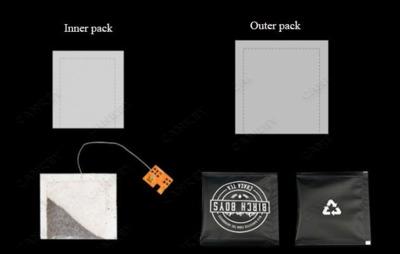
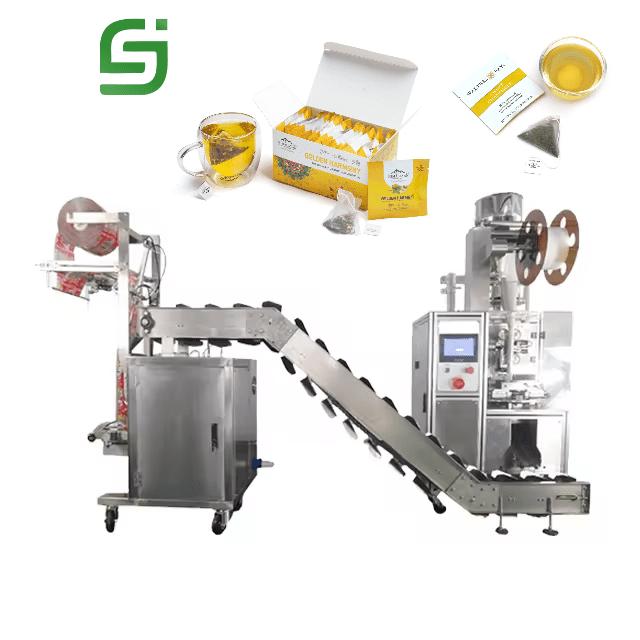
Describe the object beside every result: sealed filter bag, bag with thread and label, completed outer envelope, or recovered tea. The saved YS-ZF90 description distinguishes pyramid and rectangular formats and attachment variants. The YS-169 description distinguishes the inner bag, thread, label and outer envelope. These configurations make an assembly description necessary; their product pages do not establish measurement accuracy.
For a derived tea-weight result, retain the original reading and identify the packaging amount subtracted. State whether that tare belongs to the particular unit, an associated empty component or an agreed reference. Do not silently substitute an average packaging allowance for the original basis.
If an envelope is removed between readings, the sample identifier alone no longer makes the results comparable. Record the changed assembly and the retained component association. Qualified parties must decide whether the proposed separation and tare treatment answer the disputed question; no route is automatically authoritative.

Agree sample handling before either party opens retained packs. Link the dispatch list, receipt condition and any opening event to individual identifiers. A photograph can document identity and visible condition, but it cannot supply an absent weight or prove that contents remained unchanged.
Record when the sample was sealed, received, exposed or repacked, together with the storage information relevant to the comparison. Where condition history is unknown, mark it unknown. Do not describe separated readings as equivalent merely because the bags still look alike.
Keep the comparison label outside the weighed assembly, or record its inclusion if it forms part of an observation. Identification must not quietly introduce another component. Record any loss of contents or separation of packaging against that unit rather than treating the dispatch parcel as the only custody record.
Opening a pack or recovering its contents can prevent a later intact-pack comparison. Agree the order with the responsible measurement personnel and retain the component links they require. Once the object has changed, distinguish observations made before and after that event. A replacement bag can support a newly identified comparison, but it cannot become the original disputed specimen.
Place each party's method description beside its results. Record instrument identity, reported units and displayed resolution, operator, observation time, weighed assembly, tare treatment and sample condition. Reference any instrument-status evidence reviewed by the responsible personnel without treating its existence as proof of finished-bag performance.
Describe a measurement route as the combination of the object, handling and calculation used to produce the reported value. Matching instrument model names cannot compensate for weighing different assemblies. Equally, matching packaging descriptions cannot establish that different instrument readings are interchangeable.
Agree what evidence would make a pair interpretable and who may decide that it meets the comparison purpose. If either method description is incomplete, keep that row unresolved. This is a record-comparison exercise, not an instruction to calibrate an instrument or alter machine settings.
Create a row for each actual sample, retaining both original reported values and their source references. Add any corrected calculation as a separate version. The entries below describe possible record situations, not observed trial results. Replace the sample descriptions with real identifiers and attach the actual readings before using the table.
The working sheet needs distinct fields for buyer raw reading and units, supplier raw reading and units, each tare reference, each reported derived result, and the agreed comparable result if one can be established. Keep method versions and observation times attached to the respective side. A single column headed weight loses the distinction between an original observation and a later interpretation.
| Sample identity | Buyer result and route | Supplier result and route | Comparability issue | Next evidence needed |
|---|---|---|---|---|
| Identified unopened unit | Attach intact-envelope reading | Attach inner-bag reading | Different assemblies | Agree one object; obtain corresponding observations if still possible |
| Identified unit with linked packaging | Attach derived tea result and reference tare | Attach derived tea result and associated-component tare | Different subtraction bases | Review original readings and the agreed tare basis |
| Identified unit opened during transfer | Attach reading after opening | Attach reading before dispatch | Condition or contents may have changed | Review custody history; qualify or replace the affected comparison |
| Identified unchanged assembly | Attach reading and instrument identity | Attach reading; instrument identity missing | Incomplete measurement route | Retrieve instrument reference and method record before interpreting the difference |
| Identified pair with complete routes | Retain original result | Retain original result | Reported difference remains unexplained | Qualified review defines a controlled repeat and its interpretation |
Keep an owner, requested evidence and disposition alongside each row. A blank reading is missing evidence, not zero. If no individual match exists, create an unmatched-record entry rather than forcing results into a pair.
For comparable pairs, agree a signed difference convention, such as buyer result minus supplier result, and preserve it throughout the worksheet. Do not calculate an explanatory difference between unlike assemblies. First resolve the object or method mismatch, or clearly exclude the row from that comparison.
A recurring direction of difference across matched units is a reason to investigate a route difference; it does not identify the cause by itself. Isolated disagreement may instead direct attention to a particular sample's history, transcription or calculation. Preserve every row, including those that challenge the initial explanation.
When both routes describe similar differences among the retained bags, that observation belongs to the question of variation between units. It is distinct from disagreement within a pair. Both issues can coexist. An aggregate average may conceal mismatched pairs, so close the individual associations before using a summary to support a conclusion.
Read across a row to investigate disagreement on that specimen; read down either result column to examine differences among specimens under that route. Retain original collection groups when summarizing. Combining unrelated groups can make a change in output look like a change in measurement, particularly if the two parties did not receive identical retained units.
Choose the next comparison from the unresolved field. A missing instrument reference calls first for the original record. Conflicting tare calculations call for review of the readings and subtraction basis. Neither gap, by itself, justifies changing the filler or running another production trial.
If a repeat measurement is needed, qualified personnel should agree the retained units, method, condition requirements and decision limits. State which suspected discrepancy the repeat addresses and which original observation it cannot reproduce. Record the revised route explicitly; do not overwrite the earlier method description.
Where the original specimen is no longer available or suitable, close the historical comparison as inconclusive and identify the replacement work separately. Additional production output may then answer an outstanding machine-performance question, but it cannot retrospectively prove that the earlier buyer and supplier readings agreed.
Use specific dispositions: corrected transcription, reconciled calculation, incomparable assemblies, condition history unresolved, or difference requiring further measurement review. Each disposition needs its supporting record and the person responsible for accepting it. Avoid a blanket statement that the weights are now satisfactory when some pairs remain unexplained.
If a transcription error is confirmed, preserve the original entry, the corrected value and its source. If an assembly mismatch explains the disagreement, record the scope of that explanation. It does not establish the machine's dosing performance or settle unrelated differences among bags.
A closure entry should point to the disputed row, the evidence received, the accepted explanation, any revised result and the remaining restriction. If a repeat fails to distinguish competing explanations, record an inconclusive outcome rather than choosing whichever reading is closer to the purchase target. Give the unresolved item a named owner and a defined evidence request.
Link any remaining process investigation to its own question and evidence request. The discrepancy record should state whether equipment changes were considered and the evidence supporting that decision. Sign-off should identify the resolved comparisons and the open limitations, so neither party has to reconstruct the agreement from messages.
Ask to include the agreed object definition, route versions, paired worksheet, component associations and closure records in the trial handover. This is a requested deliverable to confirm with the supplier, not an assumed service included with the machine.
State when the agreement needs review: a different bag assembly, packaging component, tea condition or measurement route may affect comparability. An earlier resolution should not be extended to a new configuration without considering the relevant change.
Have both parties reference the same final worksheet version in their trial reports. Record any reservation beside the affected sample identifiers, so a signed cover sheet cannot obscure an unresolved row.
When reviewing the Tea Bag Packing Machine range, connect the chosen format to this record. The purchasing decision then rests on identifiable samples and an agreed interpretation, with open machine-performance questions still visible.
Can each party weigh different bags from the same trial? Those results describe different units. They may contribute to a separate output assessment, but they cannot establish a disagreement between measurement routes on an identified retained sample.
Should the buyer's result replace the supplier's result? Ownership does not determine which reading answers the agreed question. Preserve both originals, compare their routes and document the evidence behind any correction or accepted interpretation.
Does an instrument certificate settle the dispute? It may support an instrument review, but it does not establish the sampled assembly, tare treatment, handling history or actual finished-bag result. Those associations still need evidence.
What if only a spreadsheet average survives? Retain it as historical summary evidence and state that individual pairing is unavailable. Do not invent sample-level values from the average. Agree fresh identified work if the purchasing question remains unresolved.
Can a corrected comparison justify equipment acceptance? It resolves only the documented discrepancy. Acceptance also depends on the agreed trial scope and decision limits; qualified parties must assess the relevant performance evidence without extending the correction to untested output.
A useful resolution leaves an auditable path from each retained bag to both readings, their measurement routes and the final disposition. Resolve missing identities, assembly changes, tare differences and condition gaps before attributing conflicting results to equipment. Keep historical readings intact, repeat only the comparison that needs new evidence, and carry the agreed method into handover. Where the original evidence cannot support a conclusion, record that limit explicitly.

YISEN MACHINERY - The ONE-STOP VFFS PACKING MACHINE SOLUTION SUPPLIER
 Tel: +8617350750975
 Email: info@vffspackingmachinery.com
 MP/WhatsApp: +8617350750975
 Manufacturer Address:Meixi Road, Tongan District, Xiamen,Fujian,China