


Evidence boundary for this application
Evidence level B — application reference. The archived story names inconsistent sealing, low speed, hygiene, automation and a customized Saudi solution. It offers no original baseline, accepted speed, test sample or hygiene verification record.
The title and retained images orient the Saudi double-chamber seal-speed review toward double-chamber folds, staged speed and hygiene checks.
For the Saudi double-chamber seal-speed review, archived transaction and outcome language remains outside acceptance for double-chamber folds.
Test double-chamber folds with production samples
Fine tea can travel with the filter web and interfere with chamber folds or the top closure. Long pieces may bridge during dosing, so the trial must represent the full particle distribution.
For Fine tea can travel, record sample origin, storage and expected variation.
Release its operating window only when the trial can set speed only after double-chamber folding, closure hygiene and thread-tag quality remain stable with the target tea.
Approve consumables and geometry for staged speed
Double-chamber filter geometry, thread, tag and closure method should be frozen before rate trials. Changing paper or tag stock can alter tension and timing even when bag dimensions are unchanged.
Record the material code for staged speed.
Add its dimensions and seal zone to the signed drawing.
Test each substitution against pursuing nominal speed can hide intermittent loose closures.
Verify the complete operating path for double-chamber folds
Review dosing, web folding, chamber separation, thread and tag, closure, cutting and counting. Increase rate in controlled steps only after each station has an accepted reference sample.
Pursuing nominal speed can hide intermittent loose closures, uneven chamber fill or misplaced thread. Hygiene concerns also include tea accumulation at folds and inaccessible dust traps, not only stainless external surfaces.
Turn pursuing nominal speed can hide intermittent loose closures into a release rule
| Decision area | Case-specific observation | Required action |
|---|---|---|
| Evidence | The archived story names inconsistent sealing, low speed, hygiene, automation and a customized Saudi solution. | Keep customer and outcome claims outside approval. |
| Product | Fine tea can travel with the filter web and interfere with chamber folds or the top closure. | Use production-representative samples and record variation. |
| Package | Double-chamber filter geometry, thread, tag and closure method should be frozen before rate trials. | Freeze drawing, material code and retained sample. |
| Main risk | Pursuing nominal speed can hide intermittent loose closures, uneven chamber fill or misplaced thread. | Turn the risk into a visible reject and test criterion. |
| Release gate | Set speed only after double-chamber folding, closure hygiene and thread-tag quality remain stable with the target tea. | Sign the evidence record before commercial release. |
Test normal interruptions for double-chamber folds
Use a staged-rate protocol with samples from each interval. Record net content, chamber balance, closure integrity, tag and thread position, dust accumulation, interventions and the cleaning state after the run.
For double-chamber folds, staged speed and hygiene checks, keep samples, consumable lots, settings and rejects in time order.
Evidence must cover pursuing nominal speed can hide intermittent loose closures after an interruption and restart.
Measure the site inputs in Saudi Arabia
For Saudi Arabia, confirm room conditioning, paper storage, utilities, code requirements and sanitation responsibilities at the actual plant. A country case title is not evidence of a hygiene standard or accepted output.
Assign a named owner in Saudi Arabia to every measured input for double-chamber folds, staged speed and hygiene checks.
At the Saudi Arabia site, use actual room conditions, utilities and local review for double-chamber folds.

Handover must preserve double-chamber folds, staged speed and hygiene checks
Release speed recipes only with the corresponding tea and paper specifications. The handover should include cleaning access photos, closure defects, critical spare parts and a rule for reducing rate when product condition changes.
Version the setup that releases double-chamber folds, staged speed and hygiene checks.
A future SKU outside hygiene checks receives its own sample record and re-test.
Questions for the release record
What preserves hygiene checks after handover?
Keep double-chamber folds, staged speed and hygiene checks beside retained packs, reject examples, training records, critical spares and open actions.
What must the trial prove about pursuing nominal speed can hide intermittent loose closures?
Run production samples around pursuing nominal speed can hide intermittent loose closures. Keep interventions and open actions beside evidence for double-chamber folds, staged speed and hygiene checks.
Can the Saudi double-chamber seal-speed review be treated as a completed project?
No cited order or signed acceptance appears in the Saudi double-chamber seal-speed review archive. Decide double-chamber folds from current samples.
Which staged speed input is frozen before tooling?
The release scope is to set speed only after double-chamber folding, closure hygiene and thread-tag quality remain stable with the target tea. Any change affecting staged speed requires a recorded re-test.
Conclusion
Move this application forward only when double-chamber folds, staged speed and hygiene checks agrees with measured site inputs and retained samples.
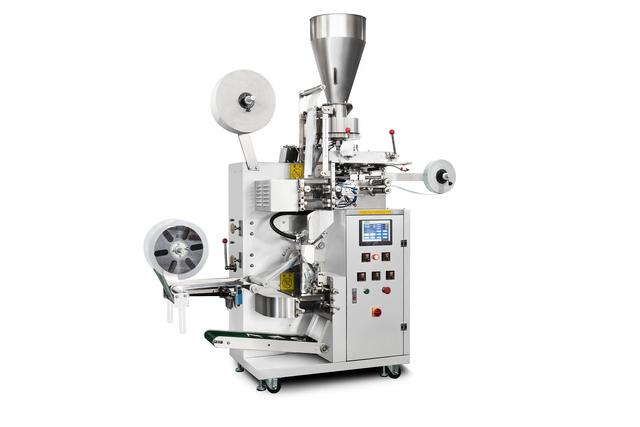
Use the related Double Chamber Tea Bag Packaging Machine range as a configuration reference for double-chamber folds. Build current acceptance around staged speed and pursuing nominal speed can hide intermittent loose closures; keep the archived outcome outside approval.


 Tel: +8617350750975
 Email: info@vffspackingmachinery.com
 MP/WhatsApp: +8617350750975
 Manufacturer Address:Meixi Road, Tongan District, Xiamen,Fujian,China