

Hot Keyword:

Author:YISEN Pouch Packing Machine Manufacturer TIME:2026-10-23
Specify outer-envelope opening as a complete user task: finding the tear notch, gripping the pack, starting a controlled tear, and retrieving an undamaged tea bag. For a Tea Bag Packaging Machine, approve that task using finished commercial envelopes. A visible notch and a sound closure do not establish usable opening, and notch-making hardware must be confirmed in the quotation.
Begin after the outer envelope has been selected for the commercial pack. The purchase question here concerns access to its contents, not whether the line should use integrated or separate wrapping. Write a short user sequence and agree the acceptable end condition before the supplier presents demonstration samples.
| User task | Acceptable result to define | Failure to keep distinct |
|---|---|---|
| Find the opening start | The intended cue leads users to the specified notch | Wrong edge chosen or repeated searching |
| Grip and initiate | The permitted grip starts opening by the intended method | Slipping, inaccessible notch or a need for unplanned tools |
| Complete the tear | The opening reaches the agreed access area | Stalled tear, delamination or an uncontrolled path |
| Manage the torn portion | The resulting strip behaves as the pack specification requires | Unwanted fragments or an obstructing flap |
| Retrieve the contents | The bag, thread and tag emerge in the specified usable condition | Filter cut, attachment snag or spilled tea |
Have the product owner decide which failures prevent acceptance and which require redesign. If the specification permits scissors or another opening method, state that explicitly. A hand-opening claim should not be accepted through a demonstration that quietly substitutes a tool.
Request a drawing of the completed envelope showing the intended opening edge, notch reference point, cut boundaries, seal region, longitudinal seam where present, and the expected location of the inner bag. Specify which feature supplies the measurement reference. A distance from printed artwork is different from a distance from the actual cut edge.
Ask the converter and machinery supplier to reconcile their drawing tolerances. The notch must fall in a location that remains usable across their combined variation, rather than only in a perfectly centered example. Have them explain which dimensions their own process controls and how the finished result will be measured.
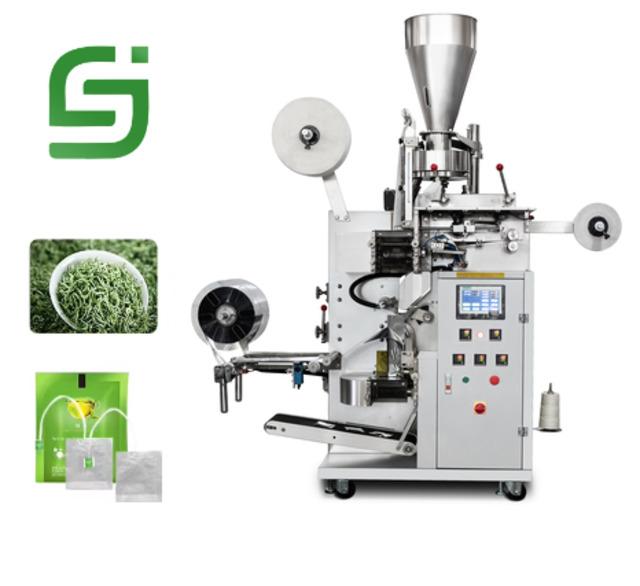
Keep the intended tear clear of the inner filter bag and required attachment arrangement. This is a geometry review using actual filled packs, because the bag can occupy a different position from an empty sample. No standard notch depth, clearance or opening width is implied by the product photograph.
The drawing should identify a functional location range that the parties agree to demonstrate. Do not let an artwork approval silently close the physical opening specification; graphic placement and the converted feature can disagree on the same envelope.
Give participants the finished pack in its ordinary presentation and ask them to open it through the intended task. Select people and use conditions that reflect the buyer's market. Record whether they identify the correct edge before anyone points to the notch or explains its location.
Separate discovery from initiation. A participant may find the notch yet have insufficient material to grip beside it; another may have a workable grip after searching the wrong edges. Those observations call for different changes. Keep the user's first attempt in the record rather than reporting only a successful second attempt after coaching.
Review opening cues against both faces of the pack. Printed arrows, words and the physical notch should indicate the same start and direction. Check that normal folding, glare or the way an envelope rests in its carton does not hide the cue under the agreed presentation.
If accessible opening is a specific product requirement, have the responsible specialist define the participant group and evaluation method. A supplier employee who knows the feature location cannot establish how the intended customer population will discover and grip it.
Mark three events separately: first rupture, continued tearing, and arrival at the access opening. A notch may start a tear readily while the material then stretches, splits between layers, or redirects along a seam. The trial should show the entire movement, not stop when the envelope first breaks.
Preserve the opened envelope and photograph its path. Identify where the tear changed direction, stalled, or required a new grip. Relate that location to the drawing, material construction and actual inner-bag position. The result should describe an observed path rather than label the film simply easy-open or difficult.
Compare specimens made from the commercial construction. An unprinted demonstration film or a substitute laminate may open differently, so record substitutions and limit the conclusion accordingly. Ask the converter to explain any relevant directional tear behavior; do not assume an envelope tears equally well in every orientation.
If instrumented opening-force measurement is required, specify the grip, pulling motion, equipment and conditioning with a qualified test provider. Keep its numerical result separate from the uncoached user observation. One maximum force does not identify whether a person found the notch or retrieved the bag successfully.
Decide whether the intended opening removes a strip, leaves it attached, or produces another defined end shape. The choice belongs to the commercial pack design. Record the permitted outcome and examine whether it can be achieved consistently by the agreed opening movement.
For a design intended to retain the strip, observe its connection and resting position after tearing. It should not be credited as retained merely because a participant stops before completing the task. Check whether the remaining flap obstructs access or encourages the user to tear farther into the envelope.
For a design intended to remove the strip, retain the removed piece with the envelope. Look for additional loose fragments, a narrow remnant that blocks the opening, or an irregular edge that catches the filter. Assign these separate descriptions so a geometry change can be evaluated against the actual problem.
A retained strip does not establish an environmental or regulatory claim. Such claims require their own assessment. Here the acceptance decision concerns the observed opening outcome and the user's ability to manage the resulting envelope parts.
Continue the task until the participant removes the inner bag in the condition the product owner requires. Observe where they grip it and whether the access opening permits that movement. An envelope that tears neatly can still leave the bag lodged behind an edge or require a pull on its thread.
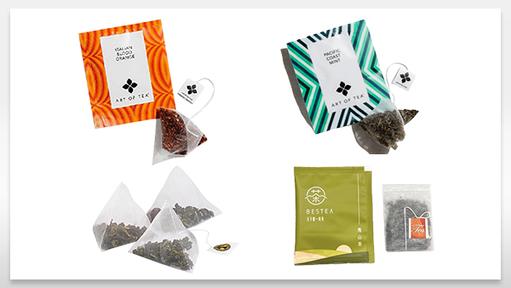
Inspect the filter, string and tag after retrieval. Distinguish damage made by the tear from damage already present before opening. Use a separate matched group opened by a controlled inspection method when needed to establish the starting condition, and document how that method avoids creating its own damage.
Include the purchased attachment positions and filled-bag variation in the sample plan. A hand-arranged inner bag can conceal an access conflict. Keep units as produced for the user trial, recording any exceptional presentation rather than tidying them before participants see them.
Do not expand this check into general inner-seal or brewing approval. Its endpoint is successful removal without opening-related damage. Product containment and infusion suitability remain separate evaluations with their own evidence.
Agree when the opening trial occurs after packing and which storage or handling conditions are relevant. A freshly made sample may differ from an envelope after the buyer's defined distribution simulation or storage interval. Let packaging specialists choose justified conditions; this article supplies no shelf-life or barrier claim.
Compare complete packs with the intended contents and presentation. Empty envelopes can be useful during design work, but they do not reveal contact between the tear and the inner bag. Keep empty-pack development results labeled separately from the finished-pack acceptance result.
Where several envelope constructions or sizes are ordered, select a justified range of test specimens and explain the coverage. Do not extend approval from one material and pack geometry to an untested version merely because both use the same printed opening cue.
Record failures before calculating any summary. A result restricted to trained participants or one storage condition should remain visibly restricted. The test team's agreed sample size and acceptance rule must precede review of the outcomes.
Ask whether the envelope supply arrives with the feature already converted or whether the quoted machinery creates it. Require a clear response from the responsible parties. Notching, scoring or another opening treatment should be named according to the proposal; none should be inferred from a general cutting-device description.
For a supplied machine feature, identify its inclusion, tooling, location control and permitted materials in the quotation. Request the manufacturer's confirmation that the proposed station can create the specified result without compromising the required envelope geometry. A picture of a cutter elsewhere in a tea machine does not answer that question.
For a converter-created feature, agree how its position is related to the final envelope cut and how the machine receives the treated web or pack. The supplier should explain the relevant registration relationship. Keep converter and equipment responsibilities together so neither party assumes the other controls a missing tolerance.
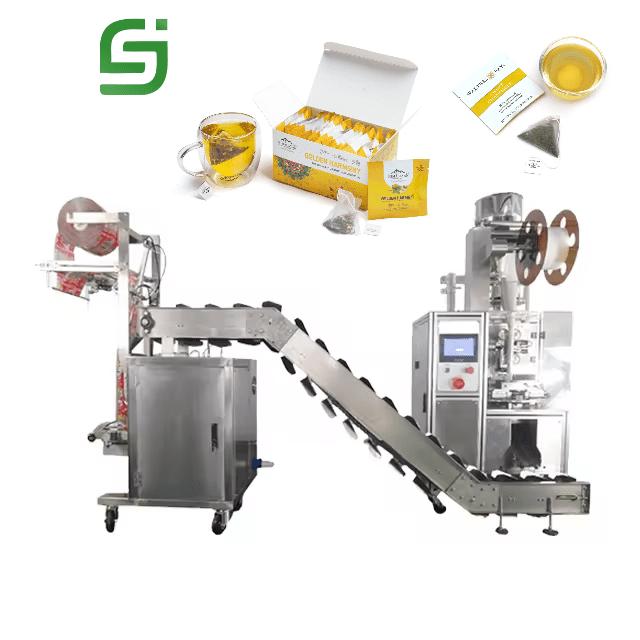
The Tea Bag Packaging Machine collection provides a starting point for the equipment enquiry. Acceptance still needs the offered envelope process and actual opening samples; product-family membership cannot confirm an opening feature or its performance.
Use one record per observed attempt, linking the unopened pack identity, participant condition, chosen edge, grip, tear path, end shape and retrieved contents. Note assistance, tool use and repeated attempts. This sequence helps a supplier understand a complaint that a single photograph of an opened pack cannot explain.
Return the failure to the responsible design item. An invisible cue concerns discovery; an inaccessible starting edge concerns grip; an erratic path concerns construction or geometry; a caught inner bag concerns the resulting access and presentation. Several items may need review together, but preserve those separate observations.
After a revision, repeat the affected task using the revised finished pack and the agreed conditions. Maintain the prior failed specimens alongside the new results. Close the enquiry with a drawing revision and recorded user outcome, rather than approving a new notch shape solely from its appearance.
Can a clear tear arrow compensate for a misplaced notch?The arrow can help discovery but cannot correct the physical starting location. Check whether its indicated grip and direction work with the converted envelope. Resolve the drawing and feature position before relying on revised artwork.
Is easy tear initiation enough to accept the envelope?The user must also complete the specified opening and remove the bag. Keep initiation, tear progression and retrieval as separate recorded outcomes. A pack can pass the first stage and fail at either later one.
Should every opening strip remain attached?That depends on the chosen pack design. Define its intended end shape, demonstrate the complete task, and inspect obstruction or fragments. Do not attribute a retained-strip feature to a machine unless its supplied method is confirmed.
Why retain an envelope after a failed opening attempt?Its path shows where tearing stalled or changed direction and how that relates to the notch, seam and contents. Preserve it with the removed portions and sample identity so the proposed correction addresses an observable location.
Does a good opening trial verify seal integrity?It establishes only the tested access task. Closure quality needs the separate method selected for that envelope construction. Keep the required unopened-pack checks valid while developing the opening feature.
Purchase an opening outcome that a person can complete, from the first search for the notch to removal of the tea bag. Align the converted feature with the finished geometry, observe the whole tear, and record what happens to both envelope parts and enclosed attachments. Assign feature creation to the converter or equipment supplier explicitly. The final drawing and witnessed user sequence should agree on what usable opening means for that particular commercial pack.

YISEN MACHINERY - The ONE-STOP VFFS PACKING MACHINE SOLUTION SUPPLIER
 Tel: +8617350750975
 Email: info@vffspackingmachinery.com
 MP/WhatsApp: +8617350750975
 Manufacturer Address:Meixi Road, Tongan District, Xiamen,Fujian,China