


Hot Keyword:
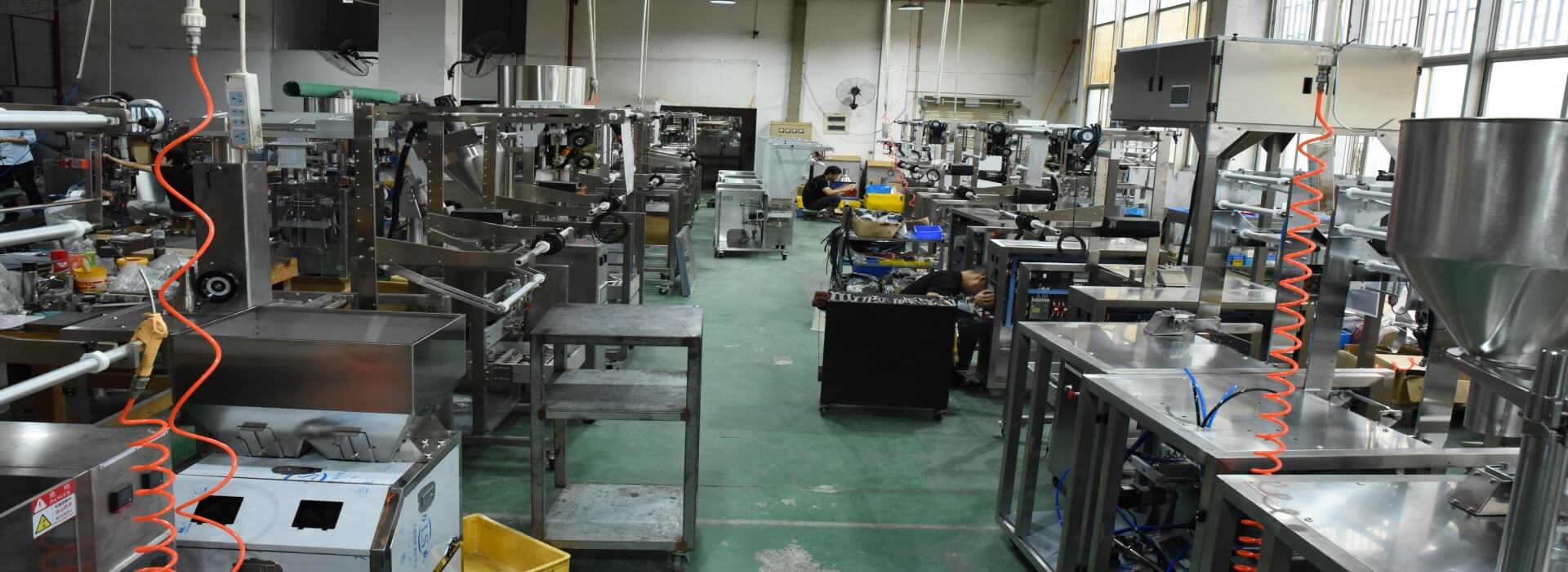
This Austria page is a B-level application reference for the proposed switchable pyramid and rectangular tea bag packaging system. It does not describe any specified Austrian purchaser, executed supply agreement, completed factory scope outcome, or Austrian regulatory approval. Use this planning note to arrange approval materials, final setup questions, factory proof runs, and handover evidence for dual-format planning without treating flexibility as a universal guarantee.
Evidence boundary for Austria and dual-format planning without treating flexibility as a universal guarantee: level B dual-format reference. Austrian context proves neither a purchaser order nor regulatory approval.
A Austrian factory team in Austria should specify both Austrian shapes before evaluating a flexible line. Define two approved tea bag shapes with separately documented forming parts, the recipe target, dual-shape standard, printed details, outer format, and Austrian production plan. The proposed switchable pyramid and rectangular tea bag packaging system is practical only when those inputs identify both former sets, recipe values, utility connections, and an Austrian conversion test. Reserve additional Austrian shapes for a later decision after their materials and dedicated parts are proven.
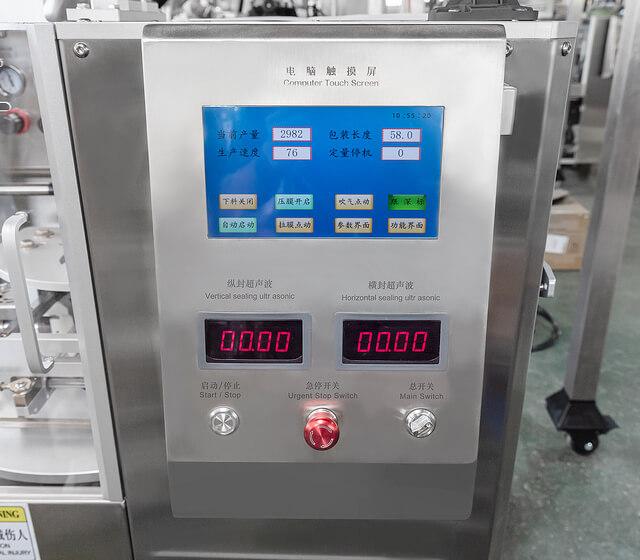
The planning focus here is dual-format planning without treating flexibility as a universal guarantee. Store Austrian production quantity, shape-change frequency, blend list, conversion tasks, sanitation release, print requirement, and outer-pack handoff. Do not infer Austrian released output from the headline rate. Authorized output must be measured with the agreed tea and selected packaging input under written conditions that include startup and recovery.
Evidence level B means the site can support the packaging unit family, tea applications, and the referenced images, but it cannot prove a specific factory scope-owner outcome. This Austrian guide asserts no purchaser name, commercial amount, shipment date, output gain, payback calculation, conformity result, or staff testimonial. Current packaging unit dual-format particulars remain conditional on the Austrian quotation and conversion run.
Inside the Austrian dual-format scope, distinguish supported capability from remaining decisions. The recorded direction is switchable pyramid and rectangular tea bag packaging system for specialty loose tea and controlled multi-component blends. Items still to demonstrate include the exact model, all contact parts, guarding, languages, voltage, packaging input specification, dose tolerance, seal method, print system, spare parts, and site acceptance. The Austrian factory team should complete its own regulatory and food-safety review for the intended use in Austria.
The product definition must go beyond the word tea. For specialty loose tea and controlled multi-component blends, document specialty-leaf size range, ingredient bulk profile, fragility, dust, static, water-activity sensitivity, multi-component separation, and variation between lots. Approval materials should represent normal Austrian dual-format work plus the harder Austrian shape conversion. An Austrian weighing unit that succeeds with one blend may need other Austrian recipes or conversion pieces for another blend.
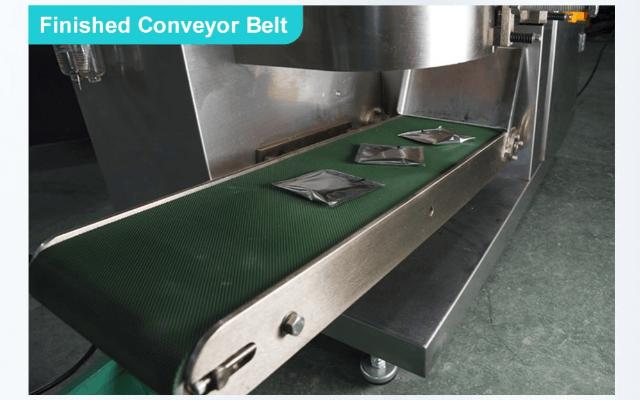
Dosing evidence should use consecutive finished bags, not selected examples. Store the Austrian tea level, Austrian refill routine, supplied Austrian weighing modules, recipe, target, Austrian conversion sample series, recorded Austrian format variation, and any Austrian conversion correction. Pay particular attention to uncontrolled format expansion, missing change parts, recipe confusion, and incomplete post-changeover release. When an Austrian conversion remains unproven, keep it as an Austrian closure point rather than describing unlimited Austrian flexibility.
The packaging contract for this Austria reference is two approved tea bag shapes with separately documented forming parts. Keep an approved sample and packaging input data with the factory scope file. Demonstrate dimensions, sealant or ultrasonic response, thread and label requirements where applicable, Austrian artwork positioning, Austrian code field, permeability expectations, Austrian roll-storage conditions, and the method used to judge Austrian seal acceptance after handling.
Packaging input trials should include real Austrian packaging input-lot changes. Observe tracking, forming, cutting, Austrian web control, static, wrinkles, Austrian product contamination at seals, finished geometry, and transfer to the next operation. The application must also control uncontrolled format expansion, missing change parts, recipe confusion, and incomplete post-changeover release. A web label or ecological claim cannot authorize the Austrian formats; retain declarations with both authorized shapes.
| Austria review area | Reference direction | Evidence required before approval |
|---|---|---|
| Tea and recipe | specialty loose tea and controlled multi-component blends | Representative approval materials and approved operating range |
| Finished pack | two approved tea bag shapes with separately documented forming parts | Packaging input sample, dimensions, print, and seal criteria |
| Packaging unit direction | switchable pyramid and rectangular tea bag packaging system | Installed options, utilities, controls, and exclusions |
| Primary risk | uncontrolled format expansion, missing change parts, recipe confusion, and incomplete post-changeover release | Witnessed test, defect store, correction, and retest |
| Handover | format matrices, stored settings, part labels, training for shape conversion, cleaning release, and plant utility confirmation | Owner, document, training store, and open-point closure |
The recommended factory acceptance route is witnessed conversion between both approved shapes followed by consecutive authorized-pack checks. Document the Austrian shape setup, specialty-tea and web lots, startup loss, authorized bags, conversion stops, refills, alarms, and post-changeover operation. Review dose, geometry, seal, label, code, and outer-pack handoff against the Austrian dual-format matrix.
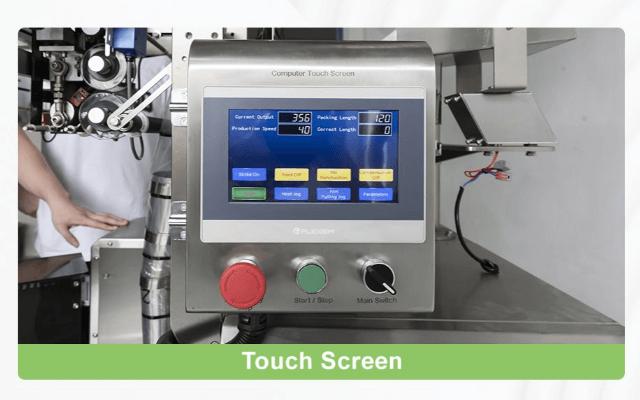
The Austrian trial must witness conversion from pyramid to rectangular mode and back, including part selection, recipe loading, first-off approval, sanitation release, and stable restart. Assign incomplete conversions to an owner and require another full changeover test before dispatch approval.
Handover for the Austria factory scope should cover format matrices, stored settings, part labels, training for shape conversion, cleaning release, and plant utility confirmation. For Austria, define power, air when selected, specialty-tea staging, two web supplies, coding items, outer-pack transfer, lifting, installation labor, and support access. Retain all scope exclusions in the Austrian dual-format matrix.
Austrian instruction should witness both approved shapes on the delivered final setup. Cover recipe selection, former identification, first-off release, shape-change clearance, sanitation, alarms, and shutdown. Maintenance training must define inspections, spare tooling, adjustment limits, and full conversion verification after work.
Is this a verified customer delivery in Austria? No. It is a B-level application reference built from verified site product packaging input. Customer identity, order, delivery, and performance results are not claimed.
What approval materials should be supplied before quotation? Send representative specialty loose tea and controlled multi-component blends, the approved two approved tea bag shapes with separately documented forming parts, target dose, printed-packaging input requirements, and the most difficult planned variation.
What should the factory acceptance test store? Store final setup, approval materials, conditions, authorized packs, rejects, interruptions, uncontrolled format expansion, missing change parts, recipe confusion, and incomplete post-changeover release, cleaning work, and every open point requiring retest.
Does this page demonstrate compliance for the Austria market? No. The Austrian factory team must review applicable requirements for Austria and obtain the necessary declarations, technical files, packaging input records, and local advice.
For Austria, treat pyramid and rectangular bags as two controlled products with their own materials, formers, recipes, and release approval materials. Witness a complete conversion in both directions and repeat it after correction when needed. Review the tea bag packaging machine range against the Austrian dual-format matrix rather than assuming unrestricted flexibility.

YISEN MACHINERY - The ONE-STOP VFFS PACKING MACHINE SOLUTION SUPPLIER
 Tel: +8617350750975
 Email: info@vffspackingmachinery.com
 MP/WhatsApp: +8617350750975
 Manufacturer Address:Meixi Road, Tongan District, Xiamen,Fujian,China