

Hot Keyword:
Author:YISEN Pouch Packing Machine Manufacturer TIME:2026-10-11
Two machines carrying the same model label may still need different spare tooling. Before buying one shared set, hold the tea bag format constant and require evidence for each receiving serial number: controlled interface dimensions, inspection of the new spare, witnessed fitting and acceptable pack output. Approve only the combinations actually demonstrated, without unagreed hand fitting.
The purchasing question is whether a single replacement tooling set can serve two existing lines, not whether either line can make a different bag. Define the approved pack at the start: its drawing revision, material and relevant finished dimensions. Keep that reference unchanged throughout the comparison so that format development does not become confused with interchangeability.
Record each receiving machine's serial number and the station where the spare will be used. Similar cabinets or matching catalog names do not reveal differences introduced during manufacture, service or later modification. The supplier needs the actual machine identities and current station information before confirming a common set.
State which components the proposed set includes. A loose former, a matched sealing assembly and a complete station are different purchase objects. The claim should cover named components and their receiving positions, not an undefined collection of tea bag making machine spares.
Build a compatibility register with one row for every receiving machine and proposed component combination. Include the machine serial number, station revision, new spare part reference, drawing revision and fixed pack reference. Add separate fields for dimensional review, fitting result, functional result and final disposition. This prevents a successful trial on one line from automatically approving another.
| Receiving machine | Part and station identity | Pack reference | Evidence needed to close the row |
|---|---|---|---|
| First machine: enter its actual serial number | Record station revision, shared spare reference and drawing revision | Enter the fixed approved pack revision | Dimensional review, witnessed fitting, functional result and signed disposition |
| Second machine: enter its actual serial number | Record its station revision against that same spare and drawing | Use the same approved pack revision | Separate review, fitting and output evidence for this receiving machine |
Use distinct outcomes when reviewing the evidence. The following decisions apply to the specific combination recorded, not to every machine sharing its model name.
| Observed result | Purchase claim supported | Disposition for that combination |
|---|---|---|
| Dimensions, approved setup and pack checks pass | The tested spare fits the named machine within the recorded scope | Approve that row and preserve its revision references |
| The part fits mechanically, but pack checks fail | Physical fit only; production suitability is unproven | Keep functional approval open pending correction and repeat evidence |
| Custom machining or unagreed shimming is needed | No unconditional interchangeability claim | Treat the change as an engineered exception or supply a dedicated set |
| Only one receiving machine has been demonstrated | Evidence covers that machine alone | Leave the other serial-number rows unapproved |
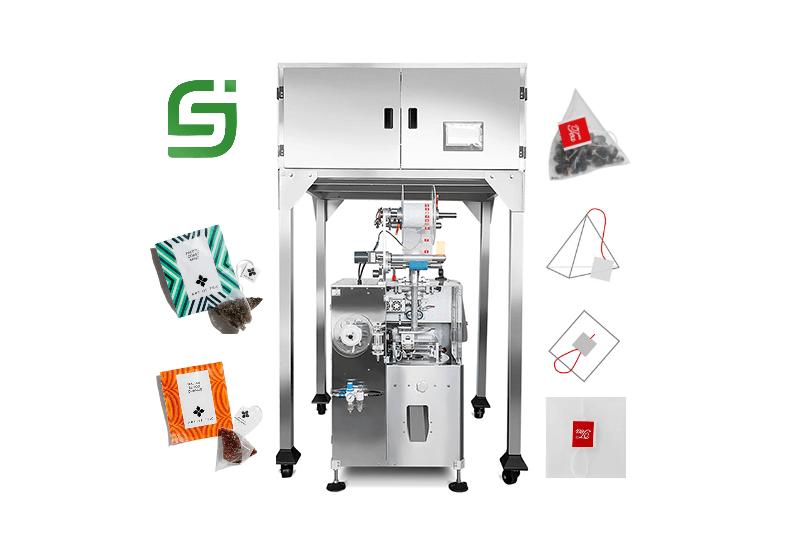
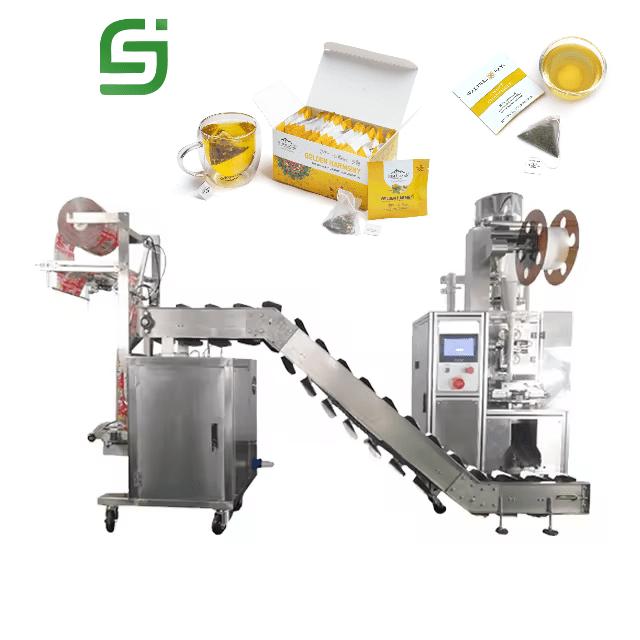
The tea bag packaging machine range can help define the equipment under discussion. It does not establish cross-machine tooling compatibility. That confirmation must come from the responsible supplier's records and the agreed trials for the actual serial numbers.
A drawing promise is incomplete without identifying its purpose. An outline drawing may show an assembly envelope while omitting the locating features needed to inspect a replacement. Ask which controlled drawings or inspection sheets will support the shared-set claim, their revision identifiers and the format in which the customer will receive them.
Agree the permitted use of that information. Possession of a PDF does not by itself establish ownership, permission to manufacture copies or access to editable design files. If customer-owned drawings or third-party manufacture are required, make those rights and the supplier's approval obligations explicit in the purchase arrangement.
Name the party responsible for resolving drawing conflicts and issuing changes. The buyer should be able to connect a delivered spare to an approved revision without interpreting two inconsistent sketches. Supplier-controlled drawings can support a valid purchase if the agreed inspection evidence and future revision responsibilities are sufficiently clear.
Have the responsible designer define the dimensions and tolerances that determine interchangeability. Depending on the component, these may concern mounting faces, locating features, hole positions, shaft interfaces, working profiles or clearances to neighboring equipment. These examples are prompts for the supplier, not a universal inspection list for every tea machine.
Ask the inspection plan to identify reference datums: the surfaces or features from which measurements are taken. Two measurements called width may refer to different locations and therefore cannot establish matching geometry. Each reported result should correspond to a feature on the controlled drawing and an agreed acceptance limit.
Keep material, surface condition and any matched-part requirements in scope when the supplier identifies them as relevant. Equal dimensions alone may not establish suitable working behavior. Do not introduce numerical tolerances from an unrelated machine, and do not treat a product photograph as a dimensional reference.
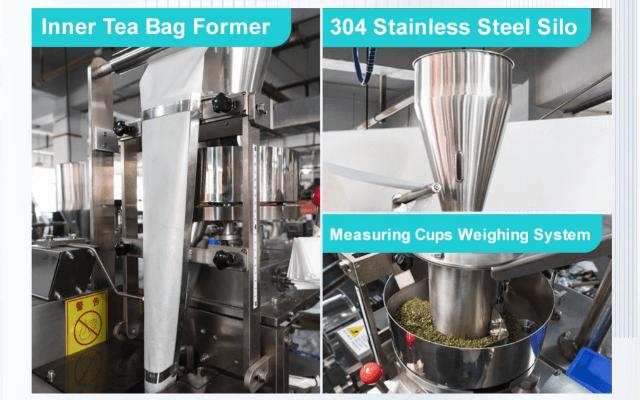
An old part can help identify the assembly, but wear or previous adjustment may make it an unreliable master. Require the new spare to be inspected against the approved specification. If an existing part is used as a reference, ask the supplier to explain which features remain valid and how that reference was approved.
The inspection report should identify the actual spare submitted for the trial, its revision and the measured features. A generic certificate stating that parts passed inspection does not connect the dimensions to the piece the buyer expects to share. Where the set contains matched components, preserve those identities together.
Resolve a measurement discrepancy before using a successful fit to waive it. The responsible supplier may approve a documented deviation or revise the design, but the record must show which specification ultimately governs the delivered set. Otherwise a later replacement could be made to a different interpretation while retaining the same informal name.
Agree a trial in which qualified personnel demonstrate the identified spare on each named machine. Record the set identity before and after each fitting so that a different, individually adjusted piece is not mistaken for the same common spare. The buyer observes the evidence; installation and safe release remain the responsibility of authorized personnel.
Before the demonstration, distinguish ordinary supplier-approved setup from changes to the part or interface. A documented alignment adjustment within the approved setup may be permissible. Machining, bending, custom spacers or unagreed shimming require a different disposition. The witness must be able to tell whether the claimed fit depended on an exception.
Have the supplier record the adjustments used on each machine and whether the same spare remains within its approved specification afterward. If a modification helps the second machine but compromises the first, the trial has not demonstrated a shared set. Repeat affected checks after any agreed correction rather than combining incompatible results.
A part that mounts successfully may still fail its working purpose. Specify the functional checks associated with the particular tooling, using the same approved pack reference on each line. Depending on that scope, evidence may concern bag geometry, closure, cut position or thread and tag presentation. Avoid declaring unrelated functions passed simply because finished packs were produced.
Agree the comparison materials, operating conditions, sampling method and acceptance limits with the supplier. Different tea or packaging materials could obscure whether a result comes from the tooling or another process variable. Record any deliberate difference between machines so that reviewers can judge the limits of the comparison.
Keep the fit result and the output result as separate approvals. If one passes and the other fails, the combination remains unapproved for production use. A buyer should not accept a shared tooling claim merely because the second machine can cycle with the part installed.
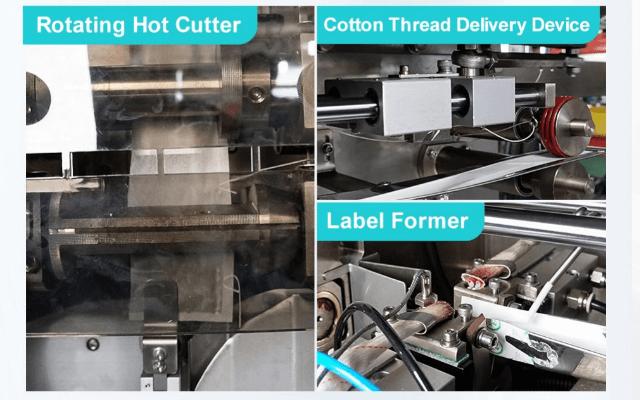
The evidence may show that only some components can be shared. Preserve that useful result by identifying the common components and the machine-specific remainder. Do not keep the original universal-set description when one line requires a dedicated mating part or an unapproved interface change.
Ask for clear alternatives: a qualified common set for the approved combinations, dedicated sets for unmatched machines, or a separately engineered modification with its own verification. Each alternative has a different delivery scope. Comparing their quoted cost makes more sense than assuming that one shared box automatically produces savings.
A common spare also cannot serve two simultaneous replacement needs at once. That practical limitation does not determine the required stock quantity, but it should prevent the purchasing claim from becoming a promise of uninterrupted availability. This article's acceptance decision concerns interchangeability, not spare inventory levels or maintenance intervals.
At acceptance, retain the compatibility register, controlled drawing references, inspection report and trial results as one connected record. The spare identification should lead back to the approved machine combinations. A label saying tea bag tooling is not enough to preserve that relationship when several similar parts are stored together.
Define how a change to either a spare or a receiving station affects approval. A later drawing revision, supplier substitution or machine modification may require an engineering review and repeat evidence. The original trial should not become an indefinite approval for every future part carrying a similar description.
For a reorder, require confirmation of the applicable revision and the still-valid receiving-machine list. If the supplier proposes a replacement design, establish whether its existing evidence covers those combinations. Where it does not, keep the new claim pending rather than silently inheriting approval from the old set.
Does an identical model number establish shared tooling fit?No. The relevant evidence concerns the actual receiving machines, station revisions and proposed spare. A common model label is a useful starting reference, but it cannot replace the dimensional review and witnessed results for each serial number.
Is a successful hand fit enough to approve interchangeability?Not by itself. First establish whether the work stayed within the agreed setup or changed the part. Then inspect the affected specification and verify output. Unrecorded custom fitting cannot support an unconditional common-spare claim.
Can a customer request ownership of the tooling drawings?Yes, as a purchase requirement to negotiate. State which drawings, formats and rights are needed. Do not assume that paying for tooling transfers design ownership or authorizes outside manufacture; the agreed terms must resolve those questions.
What happens when only one of the two lines passes?Approve only the demonstrated combination if its other requirements are complete. Keep the second line open or buy a dedicated set for it. A separately engineered correction can be assessed later without overstating the first trial.
Is this the same decision as buying a format conversion kit?No. A conversion changes the bag format on a machine. This comparison keeps the approved pack fixed while testing one spare set across different receiving machines. Evidence for one decision does not establish the other.
Buy a shared tea bag making machine tooling set only for the serial-number combinations its evidence supports. Establish controlled interfaces, inspect the new spare, witness approved fitting and verify pack output on every receiving line. Keep drawing rights and revision responsibilities explicit. If compatibility is partial, narrow the purchase claim and price the dedicated components instead of treating similar appearance as proof.

YISEN MACHINERY - The ONE-STOP VFFS PACKING MACHINE SOLUTION SUPPLIER
 Tel: +8617350750975
 Email: info@vffspackingmachinery.com
 MP/WhatsApp: +8617350750975
 Manufacturer Address:Meixi Road, Tongan District, Xiamen,Fujian,China