


 Price:

Approve the physical pouch before setting the rotary stations
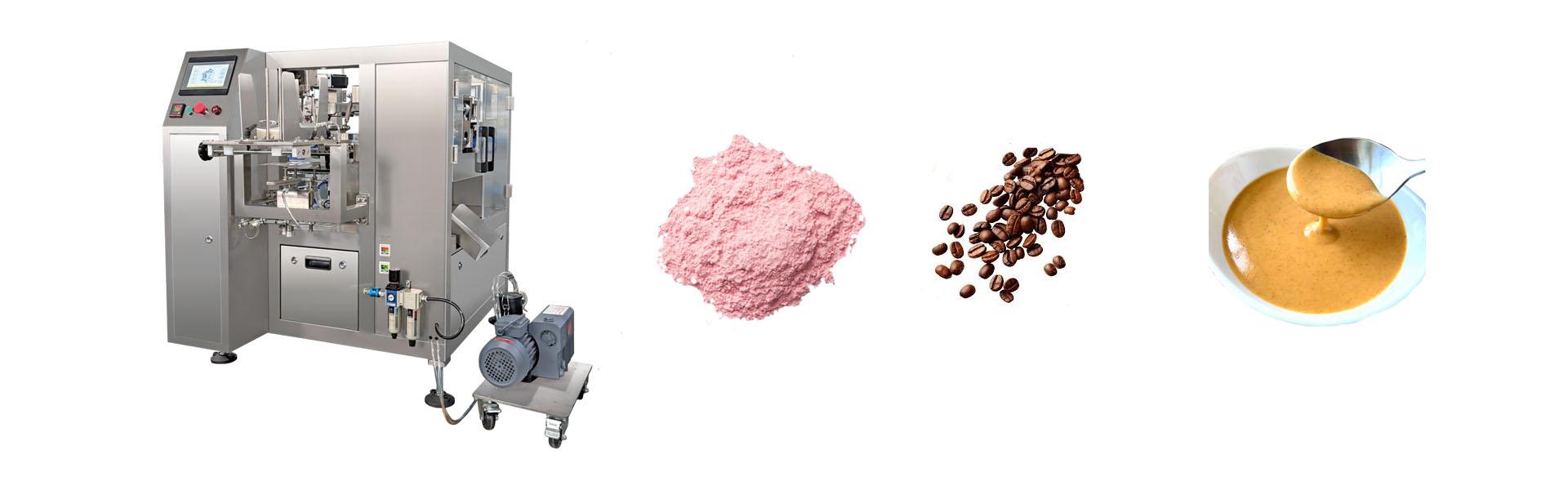
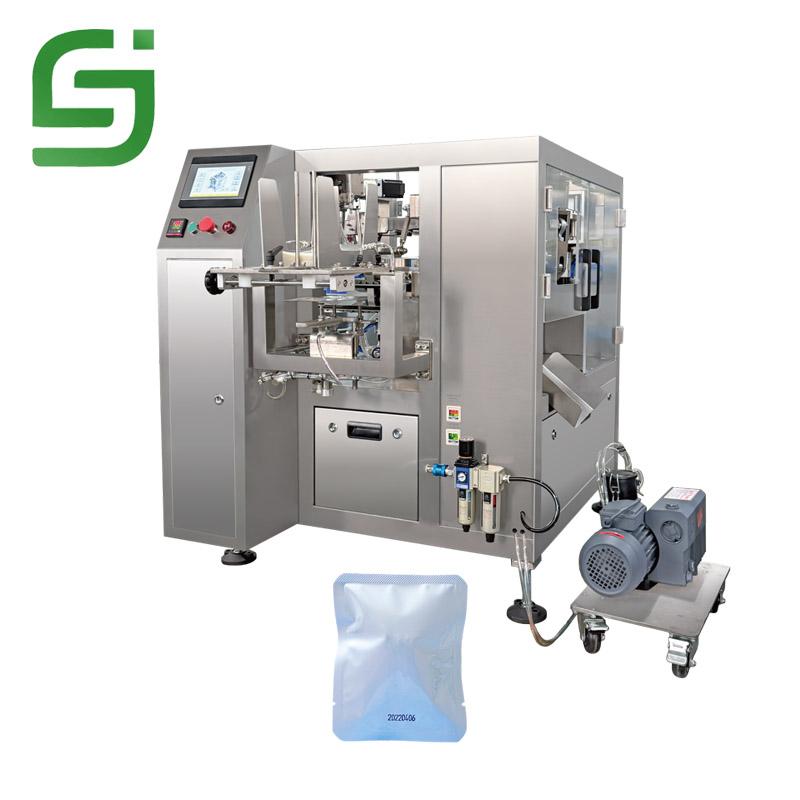
Provide production pouches with the final laminate, thickness, zipper, gusset, handle or M-fold and artwork. The saved page identifies stand-up, zipper, handle and M-shaped formats, but one station setup cannot be assumed to cover all of them. Measure pickup edge, opening stiffness, usable fill opening and top-seal allowance, then record clamp and guide settings for each SKU.
| Pouch variable | Rotary-station effect | Release evidence |
|---|---|---|
| Zipper stiffness | The mouth may not open to the required width. | Opening result at full and low magazine |
| Gusset or M-fold | Layers can catch or present unevenly to clamps. | Position check before filling |
| Handle cutout | Pickup area and usable top seal may be reduced. | Signed pouch drawing and clamp trial |
| Aluminum composite | Stiffness and heat response may differ by structure. | Physical pouch and sealed samples |
Opening success must be measured under normal magazine conditions
Test a full stack, the normal low-level point and a refill. Static, curled edges, inconsistent pouch friction or compressed zippers can change pickup and opening. Record missing, double-picked and partly opened pouches separately. The buyer should also confirm the delivered response when a pouch is absent or not ready for filling instead of assuming a protection function from generic copy.
The multihead weigher needs a product and drop-height study
Record piece size, bulk density, breakage sensitivity, stickiness and the target weight. Check combination efficiency, incomplete discharges and product remaining in buckets or chutes. For fragile snacks, compare breakage before and after the full drop. For mixed products, review piece distribution as well as net weight. The 10-1000 g table range is not an accuracy statement for every material.
Time the product release to a fully open pouch
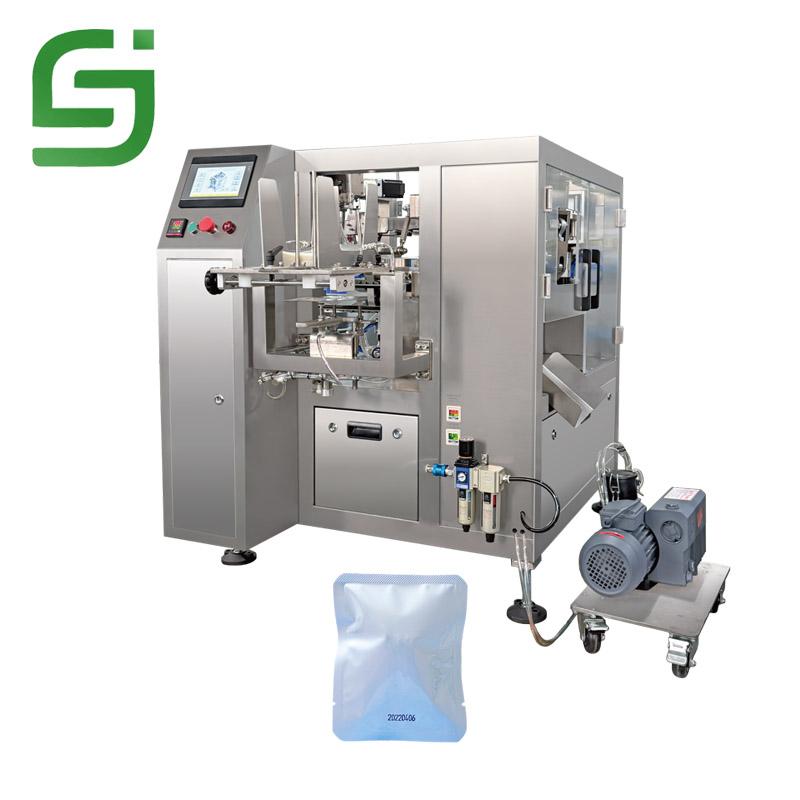
Observe the transition between opening and filling. Product should not be released until the pouch mouth provides the required clearance and the clamps hold it square. Use slow-motion review if spills are intermittent. Collect evidence after startup, during stable running, after a normal stop and around a pouch refill because station timing and pouch presentation can change during those transitions.
Headspace and top-seal cleanliness set the usable fill
The saved pouch window is 100-240 mm long and 80-180 mm wide. The usable volume is smaller than the outside dimensions once gusset, zipper and top-seal allowance are considered. Set the product level below the sealing area and inspect retained pouches for crumbs, powder, oil, wrinkles and folded layers. Test zipper operation separately from the final top seal when a resealable pouch is used.
Count pickup, double-pick, opening and clamp-position failures by SKU.
Keep individual results through startup, refill, pause and stable phases.
Record spill, breakage, residue and incomplete discharge from the weigher path.
Inspect top-seal cleanliness, zipper operation, leakage and appearance after discharge.
Accepted speed follows the slowest qualified station
The stored planning speed is 20-60 bags per minute. Report set rate and accepted filled pouches separately. Rejects should identify pickup, opening, weight, spill, seal and discharge causes. A higher set rate is not useful if operators must frequently clear product or hand-correct pouch presentation. Repeat the count with the most difficult approved pouch.
Changeover proof includes pouch and product systems
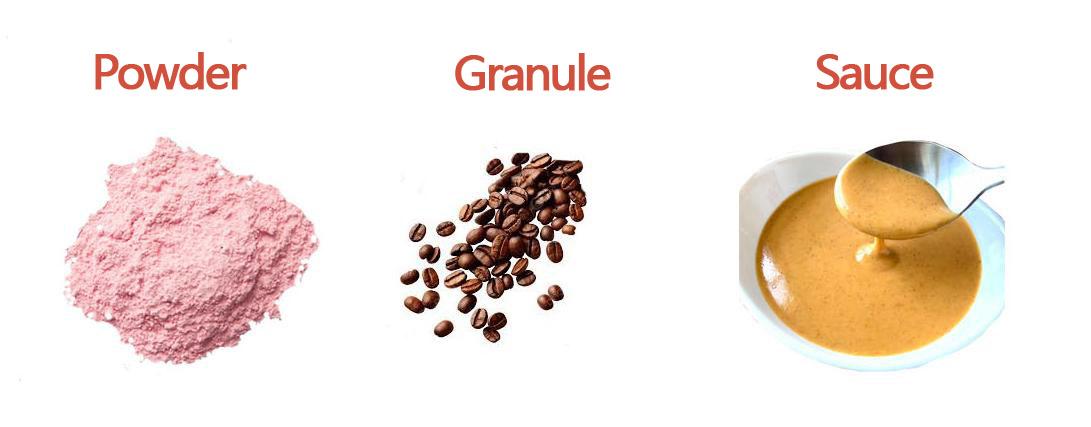
Time magazine adjustment, clamp and guide changes, weigher cleaning or recipe change, trial pouches and the checks required to release production. If the line handles powder, granule and sauce projects, the filling equipment and product-contact path can differ substantially. The final equipment list must identify what is actually supplied rather than presenting all illustrated materials as one automatic capability.
Floor planning must include the complete feeding system
The stored rotary-machine envelope is 1019 x 1364 x 1138 mm and weight is 350 kg, but a multihead weigher normally adds elevation, access and upstream feeding requirements. Confirm the complete installed height, service clearances, safe platform access, pouch loading area and finished-pack takeaway. Keep the rotary base dimensions separate from the full line layout.
Buyer questions for rotary premade pouches
Does the stated pouch range prove every format will run?
No. Each real pouch must pass pickup, opening, clamping, filling and sealing checks.
Can the 10-1000 g range be treated as an accuracy guarantee?
No. Product behavior, weigher setup, pouch volume and tolerance determine the accepted range.
What limits production speed?
The slowest qualified step may be pouch opening, weighing, product fall, seal clearing or discharge.
Are powder, granule and sauce handled by one filler?
Not necessarily. The supplied filling system and contact path must match the selected product.
What should the factory trial retain?
Keep pouch samples, product identity, settings, individual weights, station rejects and sealed packs.
Conclusion
Release the rotary line with a physical pouch matrix, identified filling equipment, opening and spill data, headspace rule and accepted-output count. The rotary packing machine category is the correct comparison surface; the final order should name the delivered model without changing this page title or URL.



 Tel: +8617350750975
 Email: info@vffspackingmachinery.com
 MP/WhatsApp: +8617350750975
 Manufacturer Address:Meixi Road, Tongan District, Xiamen,Fujian,China