

Hot Keyword:
Author:YISEN Pouch Packing Machine Manufacturer TIME:2025-02-28
Cleaning a sauce line is a controlled production activity, not a quick rinse between batches. The safe sequence is to stop and isolate the equipment, recover or drain product, dismantle the approved contact parts, apply the validated cleaning method, inspect difficult locations, reassemble correctly, and release the line with documented checks. Maintenance should be integrated because residue often reveals wear, loose fittings, or damaged seals.
Sauces can be viscous, oily, acidic, colored, seeded, or prone to drying on warm surfaces. Those differences affect how easily product leaves tanks, pumps, pistons, valves, hoses, nozzles, guards, and sealing areas. The manufacturer can explain access and material limits, but the food producer owns the sanitation program and must align it with recipes, allergens, cleaning chemicals, water quality, local requirements, and verification methods. The following workflow turns that responsibility into practical tasks for operators and technicians.
Schedule cleaning so the final product can be recovered, reworked, or discarded according to an approved plan instead of being pushed unpredictably through the system. Stop feed, allow the current cycle to finish where safe, identify pouches held in the machine, and close the product source. Apply the site's energy-isolation procedure before guards or product parts are removed; electrical, pneumatic, thermal, hydraulic, and stored mechanical energy may all be relevant. Hot sauces and heated seal assemblies require adequate cooling time. Place clear status identification on the line and protect nearby clean materials from splash. The cleaning instruction should define who is authorized to isolate, test the isolation, and return each energy source. Sanitation work must never depend on an operator assuming that a stopped screen means the equipment is safe.
Remove as much sauce as practical while it is still mobile. Use designed drain points and approved recovery containers rather than disconnecting a low hose without containment. Scrape or wipe accessible bulk residue with tools that will not damage product surfaces. A controlled pre-rinse may follow when the recipe and site procedure permit, but excessive pressure can drive soil into bearings, electrical enclosures, hollow sections, or adjacent equipment. Record parts that trap product during draining because these locations influence both cleaning time and future design improvements. Tomato solids can dry into a film, sugary sauces can become tacky, and oils can spread over a larger area if the first step is poorly controlled. Good pre-cleaning reduces chemical load and gives the later wash a consistent starting condition.
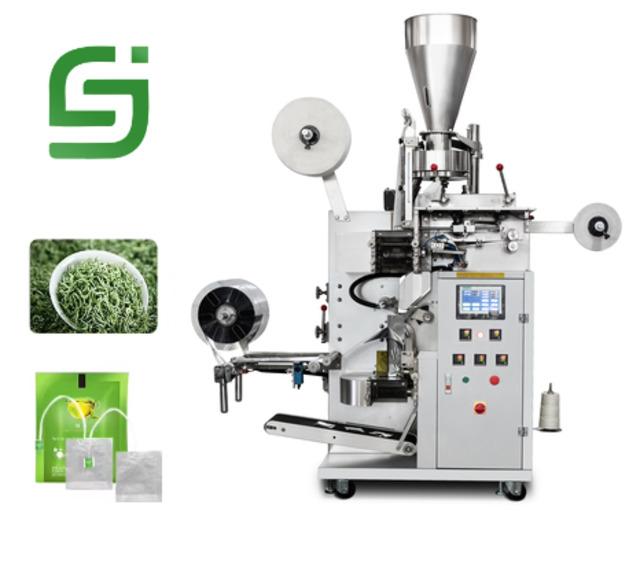
The sanitation standard should show the correct removal order for hoppers, agitators, pistons or pumps, valves, hoses, clamps, nozzles, screens, drip trays, and detachable guards that contact splash. Identify each component by machine and revision so a similar-looking seal or valve is not installed incorrectly. Place small parts in dedicated trays and keep clean components off the floor. Inspect joints as they are opened; residue behind a gasket, a damaged O-ring, or product inside a threaded cavity can explain recurring contamination or leakage. Do not dismantle assemblies beyond the manufacturer's approved level without technical guidance. Conversely, leaving a known retention point assembled for convenience defeats the sanitation purpose. Photographs and a part-location board can help trained teams reproduce the approved configuration.
Choose detergent, concentration, temperature, contact time, mechanical action, and rinse conditions through the site's validated program. The strongest chemical is not automatically the best option. Product-contact metals, elastomers, plastics, coatings, belts, adhesives, sensors, and cable entries have compatibility limits. An alkaline cleaner may address certain fats or proteins, while mineral deposits or other soils may require a different controlled step; the actual choice belongs to qualified sanitation personnel. Measure preparation rather than estimating it, maintain the solution within its approved range, and prevent incompatible chemicals from mixing. A sauce packaging machine may include both washable product zones and areas that require carefully limited moisture. Mark those boundaries so operators do not spray controls or bearings in the same manner as a removable nozzle.
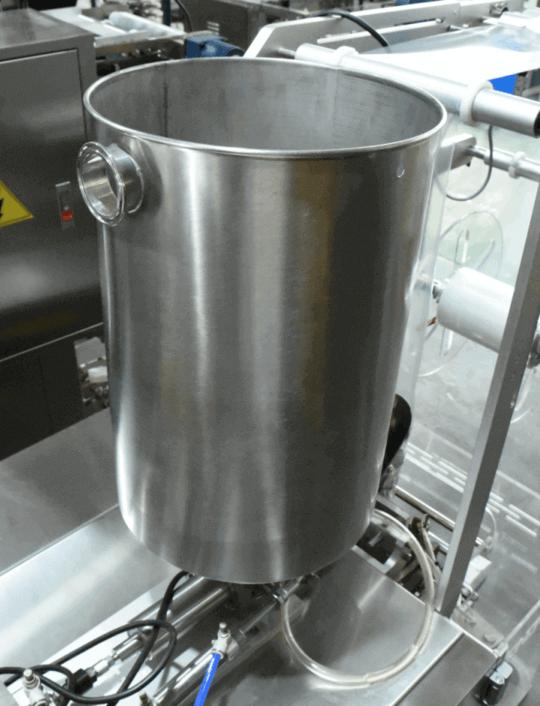
Visible flat surfaces are rarely the hardest places to clean. Focus on valve seats, piston seals, pump cavities, hose ferrules, dead legs, nozzle tips, hopper corners, agitator hubs, frame joints exposed to splash, undersides of guards, drip trays, and the route between filling and pouch sealing. Open the jaws only as the maintenance instructions allow and remove sauce or film fragments without scratching working faces. Use adequate lighting and, where permitted, simple inspection aids to view recesses. Repeated soil in one location should trigger investigation into drainability, seal condition, operating splash, or the cleaning method rather than repeated undocumented scrubbing. If a component cannot be inspected after cleaning, the sanitation plan should specify an alternative verification approach appropriate to the site's risk assessment.
A visually clean surface is an important observation, but it may not be the only release criterion. The food producer should define inspection points, swab or rinse methods where applicable, acceptance limits, sample handling, corrective action, and the authority that releases the line. Allergen changeovers can require controls different from an ordinary same-product wash. Keep results tied to the machine, recipe sequence, cleaning method, date, and responsible personnel. A failed check should lead to recleaning and investigation, not alteration of the record. Avoid claiming that an automatic wash cycle alone guarantees hygiene; coverage, flow, chemical condition, soil load, and component position still matter. The equipment supports verification by being accessible, drainable, identifiable, and capable of correct reassembly.
Once residue is removed, technicians can inspect conditions that are hidden during operation. Check product seals for swelling, cuts, flattening, or color change; examine hoses for cracks and soft spots; verify clamps, nozzle closure, valve motion, pump or piston condition, sensor faces, guards, and drainage. Lubricate only specified points with the approved material and keep lubricant away from product-contact zones. Seal-jaw alignment, temperature components, cooling surfaces, cutters, and pouch-handling parts also deserve attention because sauce contamination can originate from poor cutoff or unstable package movement. Record the exact part number and revision of replacements. A temporary substitute may fit physically while changing chemical resistance, metering behavior, or cleaning performance. Maintenance completion should include tool accountability and confirmation that protective devices are restored.
Reassembly should follow a documented sequence with seal orientation, clamp position, connection security, valve state, and guard checks. Remove sanitation tags only through the site's authorization process, then restore utilities in a controlled order. If the procedure requires a rinse, flush, or product prime, collect it separately and define when acceptable product begins. Run first-off pouches at a cautious setup while observing leaks, air in the product path, nozzle cutoff, fill result, seal cleanliness, code, and alarm status. The table below provides a concise handover record for sanitation and production teams.
| Handover stage | Confirmation | Record |
|---|---|---|
| Disassembly | Required product parts removed and accounted for | Part map and exception note |
| Cleaning | Approved method completed within defined conditions | Time, chemistry, and responsible operator |
| Inspection | Specified locations meet release criteria | Visual and other verification results |
| Restart | No leaks; first packs meet fill, seal, and code checks | First-off sample and setup reference |
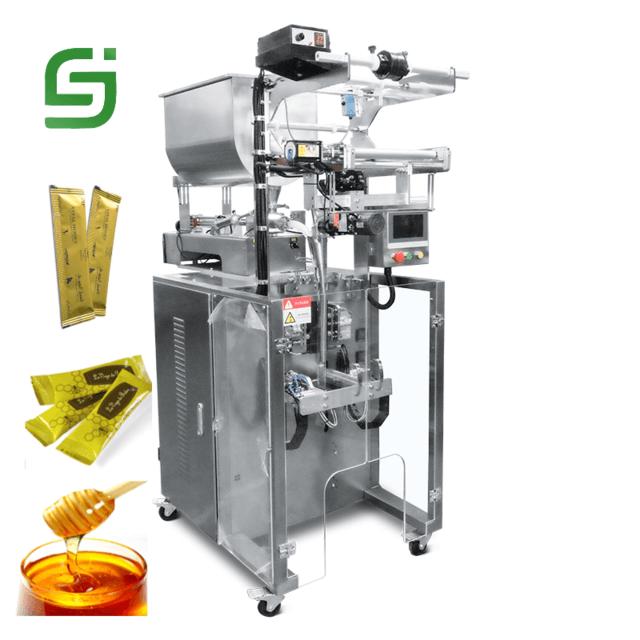
Training should combine the written method with supervised practice on the installed configuration. Personnel need to recognize the boundaries between sanitation and maintenance, the signs of damaged parts, chemical hazards, correct tool use, and conditions that require escalation. Time the task without encouraging shortcuts, and review recurring delays for access or design improvements. The sauce packaging machine overview can support equipment discussions, while the local master procedure must identify the exact components and risks present on site. Trend leaks, difficult-to-clean areas, verification failures, damaged seals, and restart rejects. Those records connect sanitation performance with engineering action and help the team distinguish a training gap from a component or process problem.
How often should a sauce line be cleaned? Frequency depends on the recipe, production schedule, allergen plan, holding time, site sanitation program, and local requirements. The food producer should document the applicable trigger.
Can operators pressure-wash the entire machine? Only areas designed and approved for that method should receive it. Controls, bearings, sensors, cable entries, and other zones may require limited moisture or separate cleaning.
Why should product seals be inspected after washing? Cuts, swelling, flattening, or incorrect installation can retain residue, cause leaks, change dosing, and make the next cleaning less effective.
Is visual inspection enough for release? The site's risk-based sanitation program determines the required checks. Visual review may be combined with other approved verification, especially for allergen or difficult-product changes.
What must be checked on the first pouches after cleaning? Confirm that the line is correctly assembled and leak-free, then inspect fill, cutoff, package appearance, seal cleanliness, code, and any abnormal alarms.
Effective sauce-line care links safe isolation, controlled draining, planned disassembly, suitable chemistry, close inspection, verified release, preventive maintenance, and a disciplined restart. The procedure must be specific to the installed components and the products being scheduled. When sanitation findings are recorded and fed back to engineering, cleaning becomes more repeatable, wear is found earlier, and production returns with evidence rather than assumption.

YISEN MACHINERY - The ONE-STOP VFFS PACKING MACHINE SOLUTION SUPPLIER
 Tel: +8617350750975
 Email: info@vffspackingmachinery.com
 MP/WhatsApp: +8617350750975
 Manufacturer Address:Meixi Road, Tongan District, Xiamen,Fujian,China