

Hot Keyword:
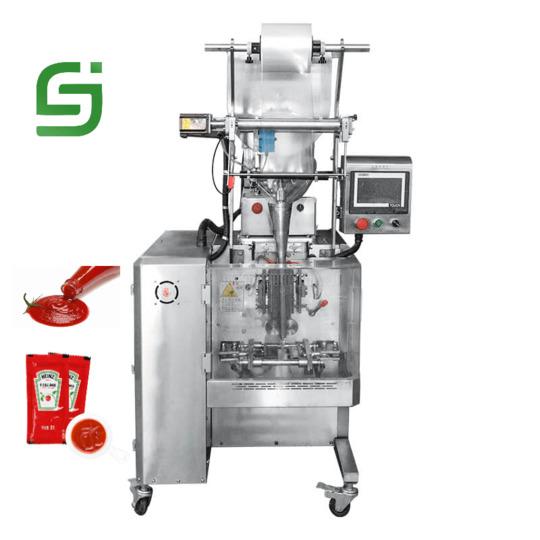
Sauce Bag Solution
Confirm the finished pack and test the sauce at the intended filling temperature.
Check how the sauce moves through the feed path at its running temperature.
Set the portion and inspect filling consistency and nozzle shutoff.
Inspect the seal for sauce residue and open retained packs after handling.
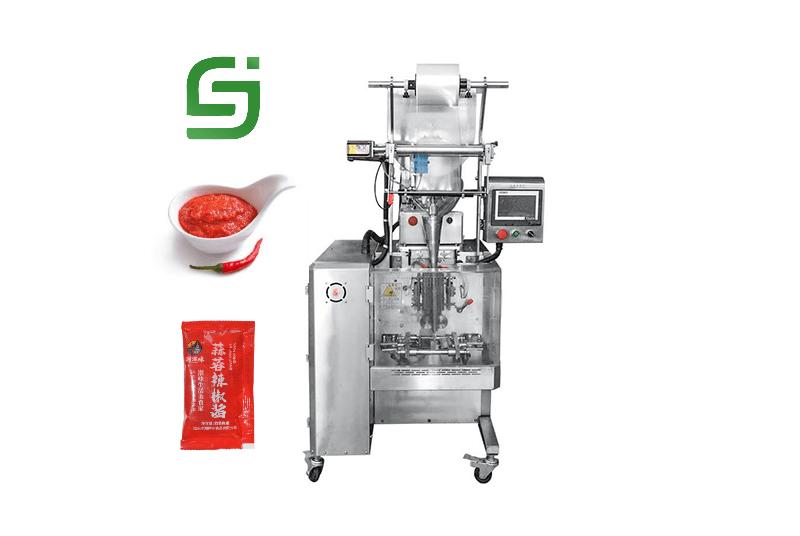
Compare sauce dosing and shutoff options around the actual product and pack.
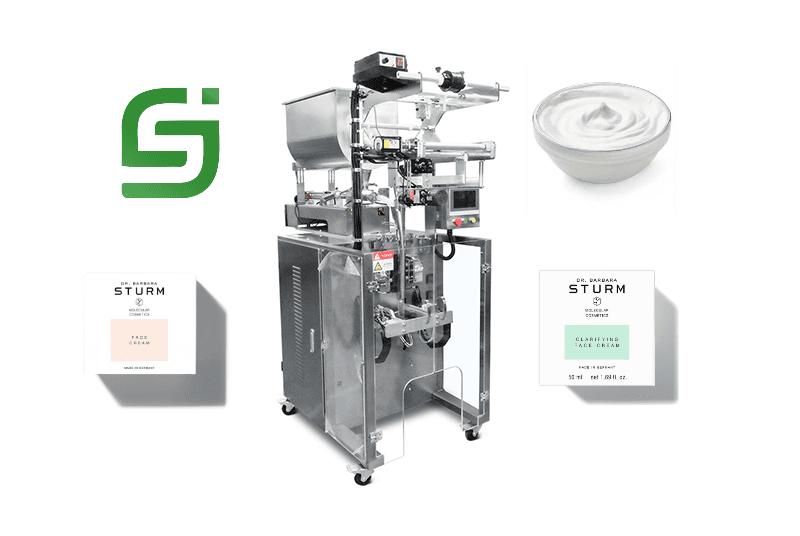
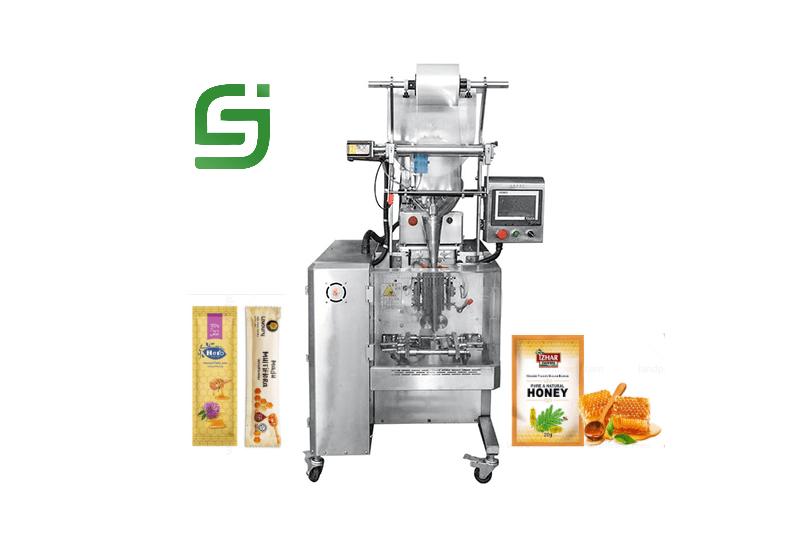
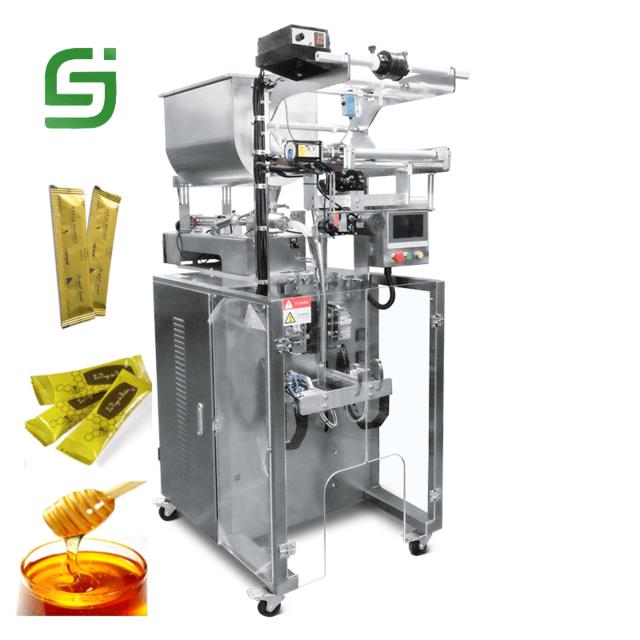
View Packing Machines →Honey Packaging Solution is a practical solution framework for sauces, oils, gels and other liquid or viscous products. Start from the product and package, map the required modules, then use sample testing and commissioning evidence to approve the final scope.
Article Directory
Honey Packaging Solution should begin with the finished-pack result, not a machine model. Define the product, target fill, bag or pouch, production pattern, hygiene boundary, utilities, operator skill and evidence required at approval. This prevents a broad sauces, oils, gels and other liquid or viscous products claim from being mistaken for a complete line design.
Current page note: Honey is a material with poor liquidity. Yisen has always provided customers with honey packaging solutions. As long as you have demand, we will provide you with the best solution. Our machine can pack round or alien
Record flow, density, moisture, particle size, stickiness, fragility, temperature, viscosity or dust as relevant. The sample plan should include normal lots and the difficult condition that may expose bridging, segregation, splashing, powder carryover or seal contamination.

Confirm bag width and length, premade pouch dimensions, zipper or spout, film structure, sealant layer, coding location, headspace and downstream handling. Retain material samples and state which formats require different parts or settings.
Review feeding, dosing, forming or pouch presentation, filling, sealing, coding, discharge and optional inspection as one sequence. Identify interfaces, responsibilities and manual interventions. A solution is credible when each module has a measurable role and a named acceptance check.
Map the parts removed, settings changed, product-contact surfaces cleaned, tools required and release checks. Include recipe handling, sensor verification, alarm recovery, sanitation access, wear-part inspection and training for the installed configuration.

The supplier and buyer should agree on samples, test duration, accepted-pack criteria, weighing or filling checks, seal inspection, code review, reject handling, startup, refill, stop and restart. Separate recorded evidence from conditions that must be confirmed after installation.

The handover should include a configuration list, approved samples, drawings, manuals, spare parts, preventive-maintenance tasks, training record, open-point log and responsibilities for utilities and downstream equipment.
| Decision area | What the solution must define | What closes the decision |
|---|---|---|
| Requirement | Configuration response | Approval evidence |
| Product | Feeding, dosing, filling and cleaning boundary | Representative product trial |
| Package | Bag or pouch format, sealing and coding | Approved material and finished-pack checks |
| Operation | Changeover, controls, training and maintenance | Demonstration and handover record |
| Risk | Interfaces, rejects, utilities and open points | Named owner and closure evidence |
What should be fixed before a solution is quoted? Fix the product sample, package format, target fill, operating pattern, utilities and acceptance criteria.
Can one configuration cover every package format? Only when representative testing proves the range; otherwise list change parts, settings and exclusions explicitly.
Why include commissioning in the solution? Installation, material variation, operator practice and downstream interfaces can change the result after FAT.
What makes a solution easy to operate? Clear recipes, accessible adjustments, useful alarms, defined changeover parts, training and a documented release sequence.
Compare the written requirements with the related machine category, then close the scope through sample tests, configuration records and a controlled handover. The solution should make limits visible before payment and before installation.
Bring a product sample, pack dimensions, target fill weight and expected output.
Share your product and package format to start the conversation.

YISEN MACHINERY - The ONE-STOP VFFS PACKING MACHINE SOLUTION SUPPLIER
 Tel: +8617350750975
 Email: info@vffspackingmachinery.com
 MP/WhatsApp: +8617350750975
 Manufacturer Address:Meixi Road, Tongan District, Xiamen,Fujian,China