

Hot Keyword:
Author:YISEN Pouch Packing Machine Manufacturer TIME:2024-10-09
Accuracy is not created by the feeder alone. Upstream refill, hopper level, product condition, package timing, dust, and the measurement method all influence the result.
For many uniform detergent powders, an auger-based dosing system with controlled hopper agitation and stable product supply is a strong starting option for packaging accuracy. Free-flowing granules may suit volumetric or weighing approaches, while difficult blends need trials. The best feeding method is the one that controls bulk-density changes, avoids segregation or compaction, and repeats the required quantity in finished packs.
State the target quantity, permitted limits, tare method, scale resolution, sampling frequency, and authority for release. Keep samples in production order. An average can be satisfactory while individual packs alternate above and below limits, so variation and trend matter. If legal metrology or another regulated requirement applies, the buyer must define it through qualified personnel.
Separate dosing performance from total package measurement. Film or pouch weight can vary, product can remain on sealing surfaces, and powder can be lost after dosing. Use a consistent tare procedure and note rejects. The machine trial should identify whether a deviation originated in feed, measurement, transfer, package handling, or the inspection process.
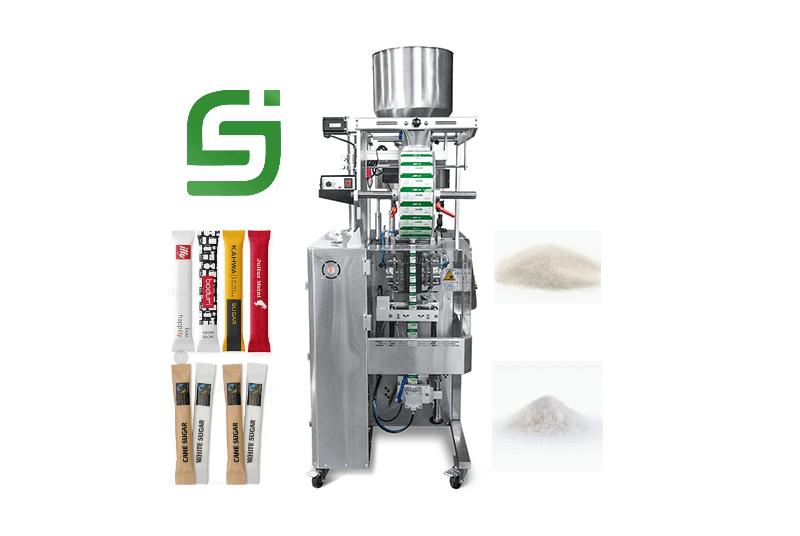
Measure or document bulk-density range, particle distribution, moisture sensitivity, dustiness, compressibility, fragrance or colored inclusions, and caking after storage. Washing powder can become aerated during transfer and settle later, which changes the mass delivered by a fixed volume. Blends may segregate if agitation or conveying treats components differently.
Supply representative lots and include the product condition expected after normal storage and transfer. A freshly opened sample poured gently into a trial hopper may be easier than production powder. Note temperature and humidity because they can change flow. If the formulation varies, identify the boundaries the feeder must cover and keep unsupported versions outside the approved recipe set.
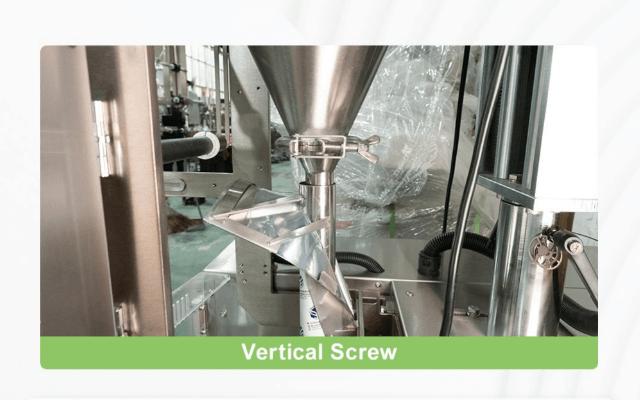
An auger meters powder through controlled screw rotation inside a tube. Screw geometry, tube clearance, agitation, head pressure, and cutoff timing influence each dose. The method can work well for fine or less free-flowing powders because it actively moves product, but it must be sized and tested for the target quantity and packing cycle.
Too much agitation may compact or separate a blend; too little can allow bridging. Wear can increase clearance and change output over time. Inspect buildup, shaft seals, coupling, and product temperature. Recipe values should be tied to the installed auger and tube. Changing one of these parts without confirming the quantity result can invalidate the setup.
Volumetric cups or similar devices can be simple and effective for products with stable bulk density and good flow. Their output changes when the same volume contains more or less mass, so refill aeration and settling require attention. Cleaning, cup adjustment, product leakage, and cutoff also affect suitability for a detergent environment.
Weighing systems measure mass directly and can reduce sensitivity to density, yet feeding into the weigh container still needs control. Dust buildup, flexible connections, vibration, and product sticking can influence readings or discharge. A gravimetric label should not be treated as automatic proof of accuracy. Compare actual finished-pack results, cleaning, speed, and maintenance.
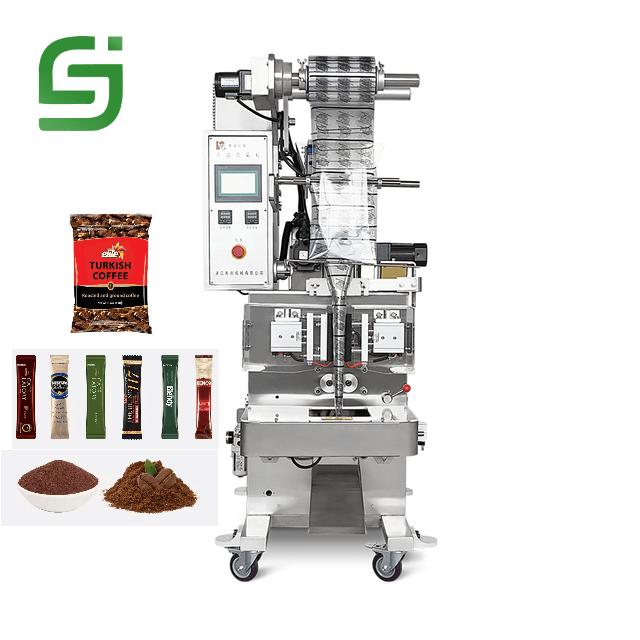
The upstream system should replenish powder without flooding, starving, or repeatedly aerating the dosing hopper. Define high and low levels, sensor positions, feed rate, venting or extraction interface, and the response to interruption. Observe what happens as the supply vessel empties and immediately after refill; both moments can expose quantity drift hidden during a short stable run.
Coordinate the elevator, screw conveyor, vacuum transfer, or manual loading method with the feeder. Drop height and transfer energy may change density or segregate ingredients. A buffer can decouple processes, but excessive residence time can allow compaction or moisture pickup. Keep the route enclosed and cleanable according to the plant's dust and product controls.
Identify screws, tubes, cups, weigh components, funnels, and pouch formats with durable references. Store clean parts to prevent damage and mix-ups. A digital recipe should include or reference the mechanical tooling; selecting a screen name cannot detect that the wrong auger is installed. Use access permissions and change records for parameters affecting quantity.
Calibration and verification are distinct. Calibration establishes the relationship of a measuring system under an approved procedure, while routine verification shows that the configured process still produces acceptable packs. Follow supplier and site requirements for both. After maintenance or product-contact reassembly, inspect setup and run ordered samples before normal production.
Design the test to include product refill, low hopper, a short stop, restart, and the expected run duration. Use commercial packaging because dust in the seal or powder lost during transfer changes finished-pack quantity. Record every adjustment, alarm, manual intervention, and rejected pouch along with sample order.
| Test condition | Why it matters | Evidence to collect |
|---|---|---|
| Startup after priming | Initial screw or chamber filling may differ | First ordered packs until stable release |
| Steady hopper level | Shows normal repeatability | Consecutive quantity and defect results |
| Automatic or manual refill | Can change aeration, density, and head pressure | Samples before, during, and after refill |
| Low product level | May expose starvation or poor agitation | Quantity trend and feeder observation |
| Stop and restart | Powder can settle or compact during pause | Restart procedure and first accepted output |
Do not tune settings separately for each selected sample during acceptance. Agree on allowed adjustments and evaluate whether trained operators can repeat the approved procedure. Unexplained manual correction is evidence that supply or configuration is not yet controlled.
Compare quantity result, product integrity, blend uniformity, dust containment, cleaning, changeover, usable output, footprint, maintenance skills, and spare parts. Weight these criteria according to the plant's risk. A slightly slower method can be preferable when it removes difficult residue traps or keeps a sensitive blend uniform.
The washing powder packing machine proposal should specify the feeder and upstream supply, not simply the bagger. Ask who integrates level signals, stop logic, extraction, coding, checkweighing, rejection, and data. Request accepted product trials and a clear list of formulas, quantities, and formats that remain unverified.
Is an auger always the most accurate option?
No. It is often suitable for powders, but product behavior, quantity, supply stability, tooling, and finished-pack evidence determine performance.
Why can volumetric dosing change after refill?
Aeration and settling can change bulk density, so equal volume no longer means equal mass. Observe the complete transfer and refill process.
Does weighing remove every source of variation?
No. Product feed, sticking, vibration, discharge loss, package tare, dust, and measurement procedure can still affect the final result.
How many samples are enough for a trial?
Use a documented plan that captures normal variation and key events. A few selected packs cannot establish stability; the responsible quality team should set the requirement.
When should a recipe be rechecked?
Review it after meaningful product, supplier, density, tooling, package, maintenance, transfer, or environmental changes and after unexplained quantity trends.
A downstream checkweigher can provide additional finished-pack evidence and may support feedback where the complete system is designed for it. Feedback limits should prevent continuous compensation from masking product or mechanical change. Define what happens to a rejected pack, how false rejects are challenged, and how the line responds when the checkweigher is unavailable. The dosing system remains responsible for a stable process; inspection is not a substitute for feeder control.
Blend uniformity may be more important than total quantity for formulas containing colored particles, enzymes, fragrance carriers, or other components. Sample composition under the product owner's approved method through startup, refill, and batch end. An auger or transfer device can deliver the correct mass while separating ingredients. If the formulation cannot remain representative, the feeding method needs redesign rather than a tighter weight target.
Environmental trials can explain seasonal variation. Run or simulate the approved temperature and humidity boundaries where practical and record powder condition. Moisture uptake can change flow and deposits, while very dry conditions can increase static and dust. The facility should control its room window; machine settings should not be expected to correct uncontrolled product conditioning.
Maintenance evidence closes the accuracy loop. Trend screw or cup wear, load-cell condition, feeder cleaning, shaft seals, and recurring adjustments against quantity data. Define when tooling is measured or replaced and what verification follows. A new part may require recipe confirmation, while a worn part should not remain in service merely because the average can be corrected through a larger setting.
Capacity tests should use the accepted accuracy window. A feeder may reach a high cycle count only by allowing unstable cutoff or insufficient refill recovery. Plot usable quantity results against operating condition and intervention frequency so production selects a sustainable rate rather than the fastest brief setting.
Archive accepted samples with the exact feeder parts and powder lot.
Improved washing powder accuracy starts with an appropriate feeder but depends on controlled product condition and supply. Compare auger, volumetric, and weighing options with representative detergent through refill and restart, then judge ordered finished-pack data. The selected method should remain cleanable, maintainable, and repeatable by the actual production team.

YISEN MACHINERY - The ONE-STOP VFFS PACKING MACHINE SOLUTION SUPPLIER
 Tel: +8617350750975
 Email: info@vffspackingmachinery.com
 MP/WhatsApp: +8617350750975
 Manufacturer Address:Meixi Road, Tongan District, Xiamen,Fujian,China