

Hot Keyword:
Author:YISEN Pouch Packing Machine Manufacturer TIME:2024-12-09
A coffee packaging machine should be specified as part of a freshness-control and production system, not as a standalone bag maker. The practical selection sequence is to define coffee condition at packing, establish the validated package and headspace strategy, select gentle and stable dosing, protect every seal, and prove the complete line through production events. Whole beans and ground coffee need different handling, while gas, valves, and barrier materials only create value when their performance is verified for the actual product.
The brief should identify coffee form, roast or grind families, condition at packaging, target quantities, bag formats, material specification, desired shelf presentation, coding, distribution, and production demand. State what product damage, dust, residue, and package defects the plant will measure. Include cleaning and flavor carryover requirements.
Freshness targets should come from the coffee producer's product and packaging validation. Machinery can support controlled filling, gas delivery, valve handling, and sealing, but it does not independently prove aroma retention or shelf life. Record who owns each test and what samples must be retained.
Separate launch requirements from possible future formats. The line should be approved for named coffee-and-bag combinations. Future ideas can influence reserved space or controls, yet they should not be presented as tested capability before samples exist.
Whole roasted beans are irregular pieces that may carry surface oil and can fracture during vibration or impact. Feeders, weigh buckets, chutes, and drop height should limit damage while maintaining stable movement. The buyer should define how broken beans or fines are evaluated.
Ground coffee behaves as a powder. It can aerate, compact, generate dust, coat contact surfaces, and remain in the sealing region. Grind size, oil, roast, and time after grinding can change its flow. An auger or other proposed filler needs trials under expected supply and refill conditions.
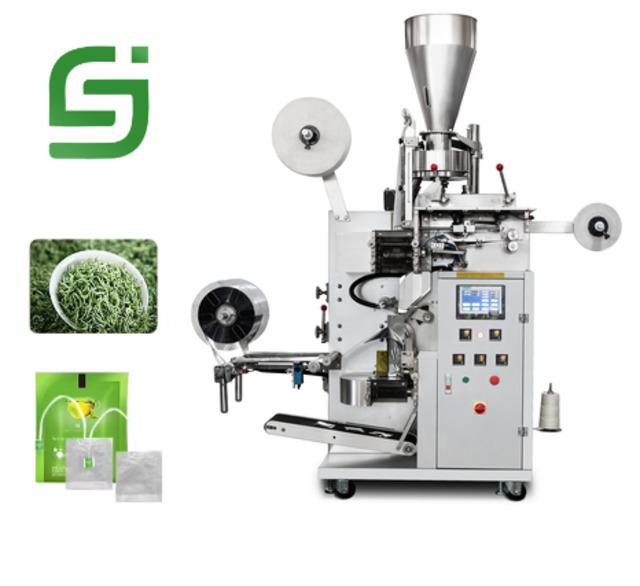
Soluble coffee or blended products form another group. Do not extend bean or ground-coffee approval to them without a material review. Even similar bulk density does not prove similar flow, moisture response, or cleanability.
Package structure should address the producer's barrier, strength, light, seal, and distribution requirements. Film or premade-pouch suppliers provide material expertise, and production trials verify machine handling. Use commercial material with final functional features whenever possible.
Headspace must accommodate product volume and filling while supporting the intended finished appearance. Coffee can release gas, and powder can trap air. Settling, deaeration, valve use, or gas flushing may be considered where the product strategy calls for them, but each needs a defined function and validation.
For gas flushing, specify delivery point, timing, source quality, monitoring, and the method used by the producer to evaluate the finished package. For valve pouches, confirm valve location, application quality, product clearance, and final function. Neither option can repair a leaking seal.
Upstream conveyors, elevators, or hoppers should preserve the coffee condition and provide a stable supply. Excessive recirculation or drop can increase bean damage. Powder transfer can change aeration and density. Level controls need to prevent starvation and overfill without repeatedly shocking the dosing system.
A coffee packaging machine must communicate with upstream equipment. Define what happens on low product, downstream blockage, package-material end, or filler fault. Product should not be discharged unless a valid bag or pouch is ready.
Inspect the route for retention and access. Oil and fine coffee can accumulate at ledges, joints, and chutes. Gentle geometry that cannot be cleaned may create another quality problem, so handling and sanitation must be reviewed together.
Weighing can suit beans when feeder and bucket design manage fragility and range. Ground coffee may use auger metering configured around density, flow, dose, and dust. The smallest and largest products need separate evidence. Stable average quantity is not sufficient if spread, giveaway, or damage is unacceptable.
Sample packs in order through startup, hopper refill, steady running, and restart. Retain filler settings and product lot. For powders, watch for density changes after replenishment. For beans, inspect whether feed distribution or combination logic changes breakage.
| Control point | Whole-bean emphasis | Ground-coffee emphasis |
|---|---|---|
| Supply | Limit repeated impact and segregation | Manage aeration, compaction, and dust |
| Dosing | Weigh with suitable feed and bucket capacity | Meter with a powder configuration inside its stable range |
| Package volume | Allow for irregular shape and settling | Allow for trapped air and density variation |
| Seal protection | Keep beans and fragments below the band | Control airborne fines before jaw closure |
| Cleaning | Remove oils and pieces from transfer surfaces | Reach screws, tubes, guards, and dust collection points |
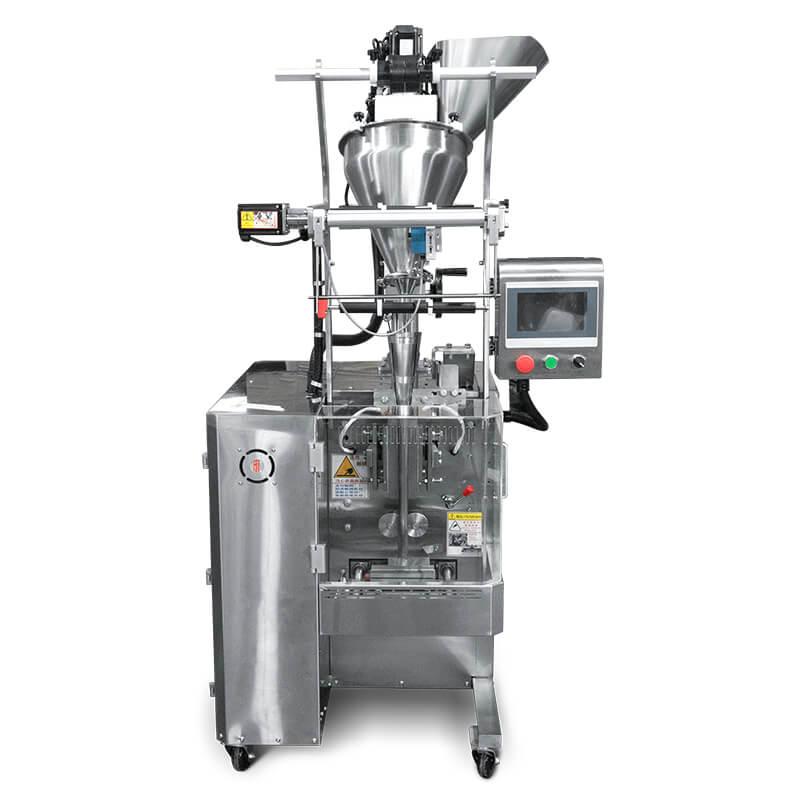
Rollstock lines must control film tracking, forming, longitudinal closure, registration, end seals, and cut. Premade-pouch lines must control pickup, opening, grip, top presentation, and seal. In both cases the dose must clear the closure region. Product contamination cannot be made reliable by increasing heat.
Qualify heat, pressure, and dwell with intended material. Inspect wrinkles, channels, coffee fines, bean entrapment, alignment, zipper function, valve condition, coding, and finished shape. The producer applies its validated integrity method across startup, stable operation, material replenishment, and restart.
Discharge should support the new seal and avoid drops that break beans or distort the bag. Downstream checkweighing, detection, conveying, and case packing selected by the owner must accept the final package orientation and size.
Recipes should link coffee and package codes to the correct filler, forming or pouch parts, material, gas values where used, and seal settings. Protect critical values and record authorized changes. A screen recipe cannot identify a wrongly installed former, auger, or pouch guide, so first-off verification remains necessary.
Product change requires removal from supply, hopper, filler, chutes, forming or filling zone, guards, and collection areas. Flavored coffee, allergens, oils, and fine grounds may demand different controls. The coffee producer's quality team validates the cleaning and release procedure.
Organize format parts and selected spares. Track recurrent faults by product and setup. Preventive maintenance should cover dosing wear, film or pouch handling, seals, sensors, cutters, guards, and line interfaces according to manufacturer guidance and operating history.
Build an acceptance matrix covering the most fragile bean, dustiest ground product, density or volume extremes, smallest controlled quantity, largest pack, demanding printed material, and a relevant changeover. Agree on sample methods and accepted-output counting before testing.
Run each critical configuration through startup, refill, steady production, controlled stop, and restart. Measure quantity, damage, dust, package appearance, registration, seals, codes, gas or valve function where specified, rejects, and interventions. Demonstrate cleaning access and first-off release.
Document substitute materials, conditioned samples, manual feeding, absent downstream equipment, and every open point. Site commissioning then closes conditions that could not be reproduced at the supplier. Approval should remain tied to the evidence actually collected.
Commissioning should also establish reference samples and a routine quality plan. Operators need to know which bean damage, powder dust, bag fullness, seal appearance, valve position, print location, and code are acceptable and when to stop the line. Reference photographs can support communication, but physical and measured criteria should control release.
Review production after the initial learning period. Compare accepted output, product loss, film or pouch rejects, cleaning duration, common alarms, and interventions with the project assumptions. Early trends may show a feeder setting, material tolerance, or training gap that can be corrected while supplier knowledge is still readily available. Record approved improvements so they become the new controlled baseline.
Material inventory and coffee scheduling should support that baseline. Protect rolls or pouches under supplier guidance and identify them by approved specification. Plan roast and flavor campaigns with cleaning capacity in mind. Repeatedly switching between oily flavored coffee and a delicate unflavored product may consume more availability than the machine change itself.
The coffee packing machine should enter preventive maintenance with product-specific observations. Track feeder buildup, bean impact points, auger or tube wear, dust at sensors, film or pouch handling, jaw condition, and valve-applicator performance where fitted. Linking these findings to production hours and coffee families helps the plant replace parts because condition requires it rather than because an unexplained defect has already reached customers.
Can one filler handle beans and ground coffee?
Usually they need different metering arrangements. A common packaging frame may support both if exchange, controls, cleaning, and timing are engineered.
Does a one-way valve guarantee coffee freshness?
No. Valve choice works with product, barrier, headspace, seals, storage, and shelf-life validation. Its function must be checked in the final package.
How should coffee breakage be evaluated?
Use the producer's agreed method to compare representative material before and after the complete feed and packaging route.
Why sample packages after a hopper refill?
Refill can alter product distribution, density, or feed stability and may reveal variation hidden during uninterrupted running.
What belongs in a coffee recipe record?
Product and package code, physical setup, filler values, film or pouch data, closure settings, optional gas controls, and first-off checks.
Coffee packaging performance depends on protecting the product and package through one connected route. Define quality ownership, separate bean and ground-coffee risks, stabilize supply and dosing, qualify freshness features, keep closures clean, and design changeover for the real portfolio. Commercial trials and site commissioning then turn those decisions into reproducible evidence for production.

YISEN MACHINERY - The ONE-STOP VFFS PACKING MACHINE SOLUTION SUPPLIER
 Tel: +8617350750975
 Email: info@vffspackingmachinery.com
 MP/WhatsApp: +8617350750975
 Manufacturer Address:Meixi Road, Tongan District, Xiamen,Fujian,China