

Hot Keyword:
Author:YISEN Pouch Packing Machine Manufacturer TIME:2026-08-21
A packaging machine installation and training checklist should control eight handover stages: pre-arrival readiness, received-condition inspection, mechanical placement, utility and safety verification, dry commissioning, product-and-package testing, role-based training, and final document release. The machine is not ready because it powers on, and training is not complete because an operator watched a demonstration. Each stage needs evidence, an owner, open-item control, and a clear condition for moving into production.
Confirm floor capacity and level, machine footprint, service clearances, door and lifting access, operator routes, product infeed, finished discharge, drains or cleaning zones where relevant, and downstream interfaces. Mark the final orientation. Ensure panels, guards, hoppers, and change parts can be removed in the installed position.
Verify electrical supply, frequency, grounding, protection, compressed-air pressure, flow and quality, water or gas where specified, extraction, network, environmental condition, and lighting against the approved drawings. Utility labels do not replace a capacity and quality check under load.
Prepare representative product, final film or pouches, code consumables, cleaning materials approved for the equipment, verified measuring instruments, sampling forms, and downstream equipment. Assign supplier, engineering, safety, quality, production, maintenance, and operator participants with dates and responsibilities.
For a pouch packaging platform, confirm that intended premade bags, gripper or guide parts, filler discharge, seal area, and downstream support are available together. Testing a machine with convenient substitute pouches can leave opening and top-seal risks unresolved until after the supplier team departs.
Before moving the equipment, examine crate condition, moisture or impact indicators where used, seals, labels, and shipping documents. Photograph damage and follow the agreed claim process. Use designated lifting points and qualified handling rather than guessing from the frame shape.
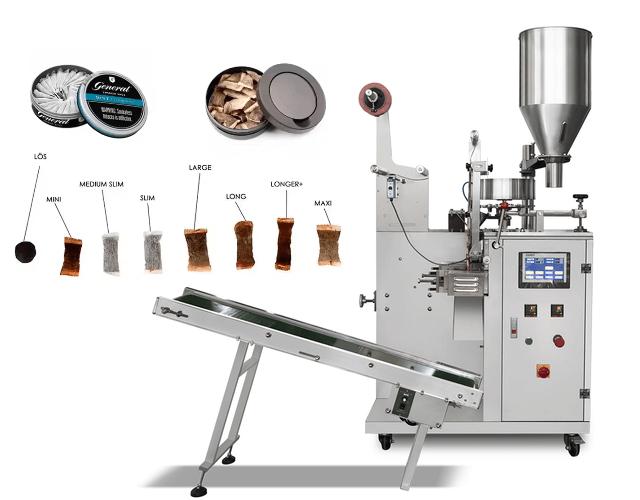
Compare the received machine, filler, options, guards, change parts, spares, accessories, tools, cables, manuals, and loose components with the packing list and approved scope. Record missing or damaged items. Preserve corrosion protection until the equipment is ready for controlled unpacking.
Check whether transport locks, supports, desiccants, fluids, or temporary braces require removal according to the supplier. Do not energize a machine before shipping restraints and received condition are reviewed.
Position and level or anchor the equipment using the approved method. Reassemble shipped components to documented references. Check guards, doors, filler support, conveyors, product connections, film or pouch paths, coder, inspection equipment, and discharge transitions. Preserve access and avoid creating pinch or trip hazards with site services.
Qualified personnel connect power, air, and other utilities. Verify phase or electrical conditions, grounding, pressure and flow, leak-free fittings, extraction direction, and network authorization before operation. Label isolation points and confirm site procedures.

Compare software, control version, recipes, parameters, safety configuration, and backups with the factory-accepted baseline. Shipment or assembly should not become an opportunity for undocumented setting changes.
Inspect guarding, interlocks, emergency stops, access doors, warning labels, safe states, pneumatic dump, and restart behavior according to the supplied design and site assessment. Test devices through the approved procedure. A bypass used during installation must be removed and documented before handover.
Run mechanisms without product and then with packaging material where appropriate. Observe homing, drives, conveyors, film or pouch movement, fillers in the permitted test state, heaters, sensors, cutters, coders, reject devices, alarms, and upstream and downstream signals. Confirm rotation and movement before full automatic speed.
| Handover stage | Minimum evidence | Release decision |
|---|---|---|
| Site ready | Layout, access, utility measurements, materials, and assigned team | Authorize delivery and placement |
| Installation complete | Connections, leveling, guards, interfaces, and baseline backups | Authorize controlled dry checks |
| Safety verified | Documented device and safe-state tests | Authorize product introduction |
| Process accepted | Quantity, package, output, fault, and restart evidence | Authorize supervised production |
| Handover complete | Competence checks, documents, spares, and closed critical actions | Transfer ownership to routine operations |
Record every open item and its risk. Cosmetic or low-risk work may be scheduled, but unresolved safety, product, package, or essential-control failures should block the next stage.
Install the correct filler and format parts, load intended material, select the approved recipe, and introduce representative product. Begin with controlled first-off checks before a longer run. Confirm product identity, quantity, bag dimensions, print registration, seals, code, appearance, and reject function.

Run startup, product refill, film or pouch replenishment, stable operation, controlled stop, restart, and a representative format change. Count accepted packages and classify rejects and interventions. Verify line responses to low product, invalid package, coder or seal alarm, and downstream blockage where safely testable.
Use the buyer's approved measurement and package tests. Compare local results with factory acceptance under equivalent conditions. Identify differences caused by utilities, upstream supply, material lots, environment, or downstream equipment and assign corrective action.
Operators should identify hazards and safe states, inspect readiness, load product and packaging material, select the correct recipe and parts, start, sample first packs, replenish supplies, interpret alarms, clear approved routine faults, stop, clean, change format, and hand over the shift. Training should use actual products and formats.
Use demonstration, supervised practice, and competence confirmation. Watching a supplier technician operate is not sufficient. Each trainee should perform critical tasks and explain when to stop and escalate. Record names, modules, date, trainer, and result.
Prevent unauthorized adjustment. Define which values operators can change, under what evidence and range, and which require maintenance, engineering, or quality approval. A recipe should not drift because each shift solves symptoms differently.
Maintenance staff need isolation, drawings, backups, lubrication, inspection points, filler and bagger setup, sensor checks, heater and sealing systems, pneumatics, drives, format parts, wear criteria, replacement references, and post-work verification. They should practice a representative component or change task safely.
Quality staff need the sampling plan, scales or instruments, package dimensions, seal or leak method, coding, product identity, reject control, first-off release, changeover release, and response to abnormal machine states. They should understand what the machine can detect and what remains a manual or laboratory control.
Train fault handoff among roles. Operators preserve symptoms and packages; maintenance diagnoses equipment and utilities; quality controls product disposition; engineering owns approved changes; supplier support receives the information needed for remote or onsite diagnosis.
Collect configuration-specific operating and maintenance manuals, electrical and pneumatic drawings, parts list, approved product-format matrix, recipes, parameter and software backups, test reports, calibration or instrument records where supplied, safety documents, training records, and supplier contacts. Confirm language and revision.
Inventory change parts, tools, lubricants, consumables, and spares. Label storage and link parts to product or package codes. Define preventive tasks and ownership. Protect electronic backups in a controlled location and document restore authority.
Close critical actions before routine production. Remaining low-risk items need owner, due date, interim control, and evidence for closure. Conduct a final handover meeting so production accepts the machine's approved boundary rather than an informal promise of future capability.
Plan the first production ramp as supervised operation rather than an immediate transfer to maximum demand. Use defined review points after the first shift, first changeover, first cleaning, and first sustained campaign. Compare quantity, package defects, stops, material waste, alarms, and interventions with commissioning. Early evidence often reveals training or supply issues that a short acceptance run could not expose.
Keep supplier departure criteria separate from project completion. Onsite technicians may leave after critical installation and training stages pass, while documented low-risk actions continue with remote support. The owner, evidence, deadline, and escalation route should remain visible. Safety or essential quality gaps should not be reclassified simply to meet a travel date.
Verify training across shifts. One trained lead cannot reliably transfer every safety, setup, quality, and maintenance detail through informal instruction. Provide controlled materials and enough supervised practice for the people who will actually operate, clean, inspect, and service the equipment.
Use a handover log during the ramp. Record product and material lots, recipe, change parts, quantities, seal or package checks, stops, alarms, interventions, and the person making any adjustment. The log lets the project team separate a machine issue from new-operator practice, local utilities, upstream supply, or an incoming material change.
Close the ramp with a final competence and performance review. Production ownership should be explicit, and supplier access should move to the agreed support process rather than remain informal.
When is the machine ready to receive product?
After installation, utilities, interfaces, guarding, safety functions, dry operation, and critical open items have been verified through the approved process.
Should factory recipes be changed during site setup?
Only when local evidence requires an authorized change. Preserve the accepted baseline and record the reason and new verification.
How is operator competence confirmed?
Have each trainee safely perform assigned tasks, interpret faults, apply first-off checks, and explain escalation under observation.
What should block production handover?
Unresolved safety, product, package, essential-control, or competence failures should remain gates rather than move into routine work.
Which documents are essential after the supplier leaves?
Keep configuration-specific manuals, drawings, parts, recipes and backups, test reports, training, maintenance, approved formats, and support contacts.
Installation and training are a controlled transfer of equipment, process, and knowledge. Prepare the site, inspect receipt, verify connections and safety, qualify local product and packaging, and require staff to perform their roles. Complete documents, parts, backups, and risk closure before routine release. This staged checklist prevents a powered machine from being mistaken for a production-ready packaging process.

YISEN MACHINERY - The ONE-STOP VFFS PACKING MACHINE SOLUTION SUPPLIER
 Tel: +8617350750975
 Email: info@vffspackingmachinery.com
 MP/WhatsApp: +8617350750975
 Manufacturer Address:Meixi Road, Tongan District, Xiamen,Fujian,China