

Hot Keyword:
Author:YISEN Pouch Packing Machine Manufacturer TIME:2026-08-30
Compare auger fillers and volumetric cups for tea powder with the same powders, target doses, pouch speed, scale, sampling phases, and cleaning boundary. An auger controls discharge through screw motion; cups meter volume, so density change, compaction, refill behavior, dust, target range, and changeover evidence decide suitability.
Profile tea powder by particle range, bulk density, cohesion, aeration, compaction, moisture, dust, static, and flow after transport. Include normal lot variation because both screw-based and fixed-volume dosing can change when the powder condition shifts.
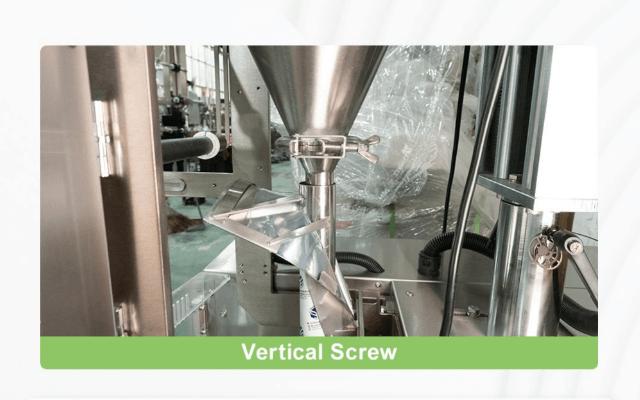
Filler decision record: File the tea powder profile, dose samples, hopper condition, installed metering parts, cleaning observations, speed, and accepted variation together. The record should show which product changes require a fresh dosing trial.
Approve a defined operating envelope: The final record should name the tested tea powders, acceptable density or particle conditions, target fills, pouch sizes, filler components, speed range, refill method, cleaning procedure, dose acceptance method, and retest triggers. If a future powder falls outside that envelope, run another sample trial instead of assuming that the saved setting will transfer. The decision is strongest when the supplier explains which observed product behavior supports the selected filler.
Start with physical samples rather than the tea name: Record particle size, fine content, bulk density, tendency to compact, moisture condition, electrostatic behavior, and the difference between newly opened and settled material. A free-flowing instant tea powder may behave differently from a fine milled botanical blend. The supplier needs enough material to fill, refill, stop, restart, and clean the selected system. Photographs cannot show whether powder bridges, floods, clings to surfaces, or changes density under vibration.
Run the auger and volumetric-cup comparison with the same tea powder, target doses, scale, sampling plan, and pouch speed. An auger trial should record screw geometry, revolutions, hopper level, agitation, and whether the product compacts or floods after a refill. A cup trial should document cavity volume, scraper behavior, product settling, and the effect of density variation on weight. Sample startup, stable production, low hopper level, refill, stop-and-restart, and a target change rather than reporting only a favorable middle segment. Also compare dust escape, product left in the feeder, disassembly steps, cleaning time, and the risk of cross-contact between blends. The preferred filler is the one that controls the buyer's real operating range with acceptable intervention and waste, not the one associated with a universal accuracy claim. Keep the accepted product profile, installed parts, settings, and dose data together so later material changes can be evaluated against a known baseline.
An auger meters powder through controlled screw revolutions and geometry; volumetric cups release a defined cavity volume. Compare the complete hopper, agitation, scraper, level control, cutoff, tube, and timing arrangement rather than only the metering label.
| Product observation | Auger implication | Cup implication |
|---|---|---|
| Fine or cohesive powder | Screw and agitation can meter controlled increments; test compaction and dust | Volume may fill inconsistently if cavities do not charge evenly |
| Stable free flow | Can work but may add unnecessary contact complexity | May support simple repeatable dosing when bulk density is stable |
| Bulk-density variation | Revolutions-to-weight relationship still needs lot and refill checks | Fixed cavity volume can produce changing weight |
| Wide target range | Confirm screw, tube, and recipe coverage | Confirm cup sets or adjustment range and change work |
Filler terminology: An auger meters product through controlled screw movement. A volumetric cup meters a set cavity volume. Dose variation is the observed spread under the agreed sampling method. An operating envelope records the products and conditions supported by the trial.
Store the approved auger, tube, or cup identification with the recipe so later replacements do not silently change the metering geometry.
Acceptance note: When comparing auger fillers and volumetric cups, run the same tea powder through both dosing concepts if the supplier can arrange it. Record the first ten fills, the next fifty fills, and the amount of powder left around the dosing area after the test. A slightly slower system may be the better purchase when it gives operators cleaner changeover, easier weight correction, and fewer rejected pouches at the start of each shift. The final decision should also include how quickly workers can remove, clean, inspect, and reinstall the dosing parts between different tea powder recipes.
An auger may suit powders that need controlled movement across several targets, but evidence must show stable feeding without compaction, flooding, excessive dust, or difficult residual cleanup. Record screw, tube, hopper, agitation, and recipe identity.
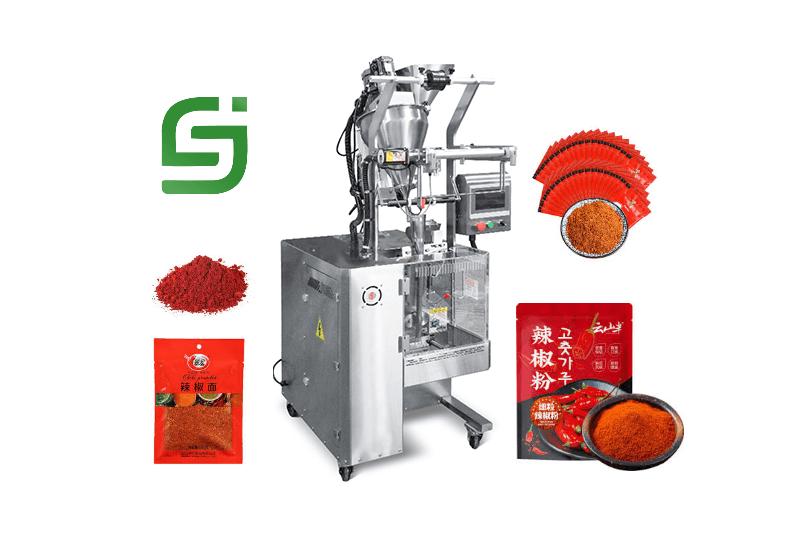
Compare cleaning and residual product: Ask the operator to empty the hopper, expose contact parts, remove the auger or cups where designed, clean difficult ledges, inspect for residue, and reassemble the filler. Note tools, loose components, cleaning time, inaccessible areas, and the first output needed to release the next product. An auger can provide controlled dosing for cohesive powder but may have more product-contact geometry. Cups can be straightforward, yet their volume-to-weight relationship may change when density changes.
Volumetric cups can be practical when bulk density and flow remain sufficiently repeatable for the target and cup range. Review cavity adjustment, scraper action, fill consistency, product settling, spillage, target changes, and whether density variation moves weights outside limits.
| Trial phase | Samples and conditions | Decision evidence |
|---|---|---|
| Setup | Initial adjustments and rejected doses | Time, waste, settings, and reasons for changes |
| Stable run | Consecutive doses at agreed speed | Individual values and accepted variation |
| Refill | Samples before and after adding powder | Recovery and density/head-pressure effect |
| Restart | First doses after a controlled stop | Output isolation and release point |
| Changeover | Empty, clean, reassemble, and run next powder | Time, residue, tools, and first accepted output |
Use the tea bag packaging machine options to align the selected filler with the intended bag format, product path, controls, and acceptance scope.
Collect consecutive doses at startup, stable running, low hopper level, before and after refill, stop and restart, and target change. Report individual values, spread, underweight, overweight, adjustments, rejects, and powder condition, not only the average.
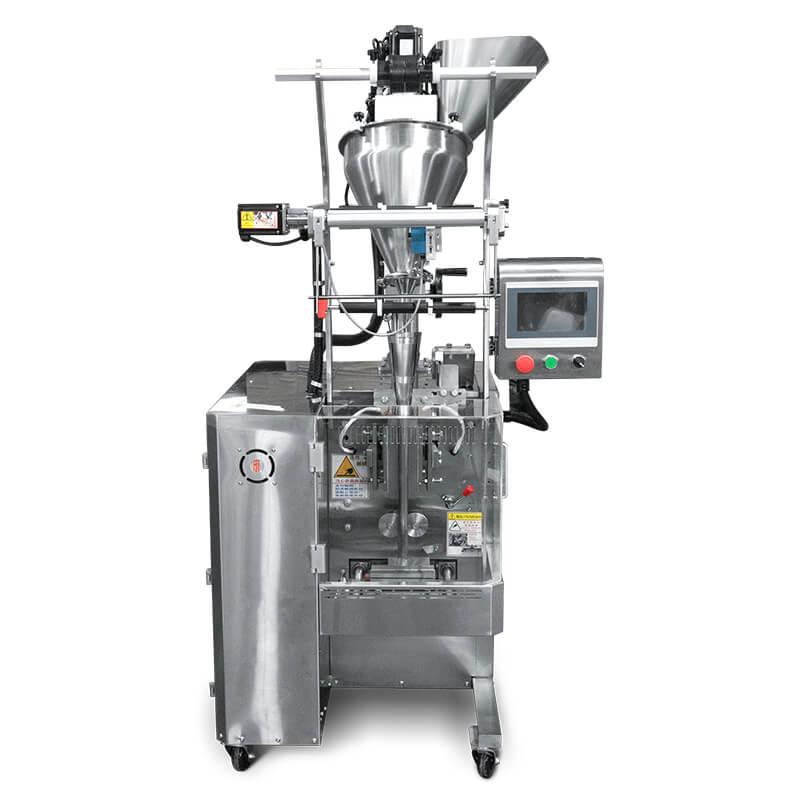
Test the process phases separately: Collect consecutive doses during initial setup, stable running, immediately before and after hopper refill, after a short stop, and after the target is changed. Use the same verified scale and sampling method throughout. Record machine speed, target, auger revolutions or cup setting, hopper level, agitation, and any manual intervention. Calculate and report the agreed variation without choosing only favorable samples. This reveals whether the filler remains controlled as product head pressure and settling change.
Compare emptying, access, contact-part removal, dust containment, cleaning, inspection, drying, reassembly, and cross-contact controls. Record retained powder, tools, lifted parts, recipe protection, and the sample required before the next tea product is released.
| Risk | What to observe | Control |
|---|---|---|
| Bridging or flooding | Interrupted or sudden product flow | Hopper, agitation, feeder, and level method verified |
| Dust at seal | Powder escaping the drop path | Timing, extraction or collection, pouch volume, and cleaning |
| Density drift | Weight changes while volume or revolutions stay fixed | Lot checks, refill samples, and retest trigger |
| Cross-contact | Residue after nominal cleaning | Access demonstration and inspection release |
Evidence summary: The strongest recommendation is the one supported by measurable variables, realistic conditions, supplier transparency, and a clear limitation statement.
Filler review: Neither mechanism is a universal winner. The useful comparison is the repeatable dose and operating effort demonstrated with the buyer's powder through refill, restart, and cleaning.
Measure accepted packs, operator intervention, refill work, product loss, setup waste, cleaning time, change parts, and target flexibility under the buyer's production schedule. A filler with a favorable short sample can still be costly to change or clean.
| Decision record | Required detail | Result |
|---|---|---|
| Product envelope | Tested powders and physical limits | Approved list and retest boundary |
| Filler scope | Auger/cup parts, hopper, controls, and change parts | Locked configuration |
| Performance | Target, speed, sampling, and variation rule | Reproducible acceptance condition |
| Operation | Refill, cleaning, changeover, and parts | Named factory responsibility |
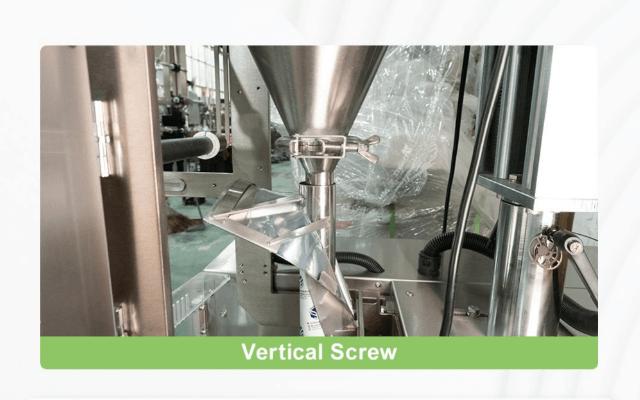
Lock the filler decision to named tea powders, density range, target, auger or cup parts, hopper condition, settings, pouch speed, sample method, cleaning route, accepted results, and retest triggers when the material or metering components change.
Is an auger filler always more accurate for tea powder? No. Accuracy depends on powder behavior, hopper condition, controls, setup, target dose, and the test method. An auger is often considered for fine or less free-flowing powders, but the actual material must be tested.
When can volumetric cups work for tea powder? Cups may be practical when the product flows consistently and its bulk density remains stable enough for the accepted weight range. Refill and settling tests are essential because the system meters volume rather than weight.
How much tea powder should be sent for testing? Send enough for setup, a meaningful stable run, at least one refill, stop and restart checks, dose sampling, and cleaning. Include normal and difficult lots when their behavior varies.
What should the dose report contain? Record the target, individual results, sampling phase, filler setting, speed, hopper condition, product lot, scale identification, and any adjustment made during collection.
Can one filler handle tea powder and larger herbal pieces? Possibly, but the two products may require different feeding principles or change parts. The supplier should demonstrate both materials and document the conversion scope.
Auger fillers and volumetric cups should be compared through real tea powder behavior, not through a universal accuracy claim. The relevant evidence covers dose stability, refill response, dust, cleaning, changeover, product waste, and the range of fills the factory will actually run.
Lock the chosen filler to tested materials, components, settings, and acceptance records. Retest when density, particle profile, product condition, or target range moves outside the approved operating envelope.

YISEN MACHINERY - The ONE-STOP VFFS PACKING MACHINE SOLUTION SUPPLIER
 Tel: +8617350750975
 Email: info@vffspackingmachinery.com
 MP/WhatsApp: +8617350750975
 Manufacturer Address:Meixi Road, Tongan District, Xiamen,Fujian,China