

Hot Keyword:
Author:YISEN Pouch Packing Machine Manufacturer TIME:2026-08-31
Choose VFFS when forming pouches from rollstock fits the required tea pack and production economics; choose a premade pouch machine when a finished pouch shape, zipper, or presentation justifies separate pouch supply and handling. The purchase decision should compare commercial materials, accepted output, setup waste, cleaning, and changeover evidence.
Define the retail tea pack before choosing the machine platform. Record tea grade, dose, headspace, pouch dimensions, barrier and sealant layers, print repeat, zipper or feature needs, coding, case presentation, batch length, and the packaging supplier tolerances expected in routine purchasing.
VFFS unwinds rollstock, tracks registration, forms the web, creates longitudinal and cross seals, coordinates filling, and cuts the finished pouch. Evaluate film tracking, forming geometry, eyemark control, sealing range, cutting, splice recovery, and material used before released production begins.
| Comparison | VFFS | Premade pouch |
|---|---|---|
| Packaging input | Printed or plain rollstock formed on the machine | Finished pouches supplied in the approved geometry |
| Core handling | Track, register, form, longitudinally seal, cross-seal, and cut | Pick, open, verify, fill, close zipper if needed, and top-seal |
| Format decision | Tooling and modules define achievable bags | Pouch supplier creates shape and features before filling |
| Typical evidence | Roll tracking, registration, forming, seal, cut, and startup waste | Pickup, opening, no-bag-no-fill, product entry, and top seal |
Platform terminology: VFFS means the machine forms, fills, and seals a pouch from rollstock. A premade pouch system receives an already manufactured bag and performs pickup, opening, filling, and final closure. Accepted output excludes bags that fail the agreed release rule.
Separate pouch creation from pouch handling: A VFFS line unwinds rollstock, forms a tube, makes longitudinal and cross seals, cuts individual pouches, and coordinates filling within that cycle. A premade pouch line receives finished bags, picks and opens each pouch, verifies its presence or opening condition, fills it, and closes the top seal. That distinction affects material purchasing, available shapes, print control, zipper handling, setup waste, and the faults operators must diagnose.
A premade pouch line receives finished bags, picks and opens them, confirms pouch condition, fills, closes any zipper, seals the top, and rejects doubtful output. Test pouch orientation, stiffness, mouth opening, surface slip, top-seal area, and lot-to-lot dimensional variation.
Review fault recovery: Deliberately create a manageable condition such as a missing print mark, poor pouch pickup, unopened bag, low product, or short stop where the controls support it. Observe whether filling is inhibited, doubtful output is isolated, the operator receives a useful alarm, and normal production resumes without mixing rejected and accepted pouches. VFFS and premade lines expose different faults, so the recovery demonstration should follow the platform's real material path.
Format flexibility has different cost drivers on the two platforms. VFFS may require forming sets, rollers, seal tools, and rollstock control; premade systems may require magazine, gripper, guide, opening, and station changes. Price each approved format with its packaging supply route.
| Production event | Measure | Why it changes the choice |
|---|---|---|
| Startup | Time and material until released output | Reveals film loss or pouch rejects during setup |
| Normal run | Accepted output and intervention | Separates stable performance from nominal rate |
| Product change | Emptying, cleaning, and release samples | Shows fit for short tea batches |
| Package change | Roll/pouch loading, tooling, recipes, and first-piece approval | Shows practical format flexibility |
| Restart | Rejected output and return to control | Exposes temperature, registration, or opening recovery |
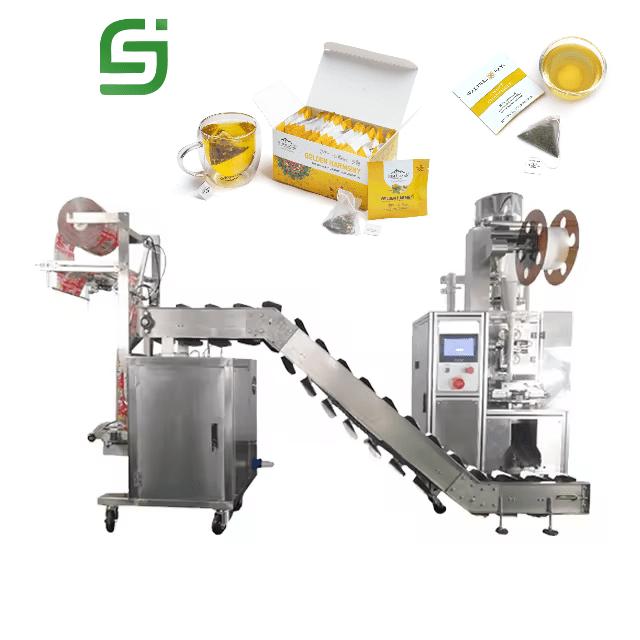
Map the required filler and pouch functions to the tea bag packaging machine options, then verify whether rollstock forming or premade-pouch handling is included in the tested scope.
Qualify packaging supply tolerances: Ask the rollstock or pouch supplier for the dimensions and properties that matter to machine handling. For rollstock, review width, thickness, winding, friction, registration repeat, splice practice, and sealant side. For premade bags, review mouth opening, zipper position, stiffness, surface slip, top-seal area, dimensional variation, and packing orientation. Run more than one bundle or roll when possible. A machine adjusted to one selected sample may not represent normal supply variation.
Tea behavior can limit either platform before the bag mechanism does. Trial dust, long leaves, fragile inclusions, bulk-density changes, refill behavior, product fall height, headspace, and seal contamination with the proposed filler and the final pouch opening.
Model usable production across the buyer's schedule. Separate startup material loss, stable accepted output, replenishment, short stops, cleaning, product change, package change, first-piece approval, and unused packaging. This exposes whether long or short batches favor a particular arrangement.
Platform review: Packaging input, pouch architecture, tea feeding, changeover schedule, and accepted output belong in one comparison. A format shown in a catalog is relevant only when the commercial material runs on the quoted configuration.
Compare the production schedule: A platform that performs well on one long run may be inefficient for many short tea batches. Time material loading, product emptying, cleaning, pouch or roll change, recipe change, first-piece approval, and recovery after a normal stop. Record unused premade bags or rollstock waste separately. Include the operator attention needed to keep pouches opening, film tracking, tea feeding, and seals clean rather than relying on a headline cycle rate.
Run both concepts with commercial tea and packaging wherever the decision remains open. Use the same target, inspection method, phases, reject rules, and retained-sample labels, then connect each result to machine settings and the exact roll or pouch lot.
| Purchase question | Evidence | Locked item |
|---|---|---|
| Does the pouch match? | Commercial material and dimensioned sample | Approved roll or premade pouch specification |
| Does tea feed cleanly? | Dose and seal-area observations across phases | Filler and drop-path configuration |
| Is output usable? | Timed accepted units and rejects | Performance condition |
| Can the site support it? | Utilities, operators, cleaning, parts, and documentation | Responsibility matrix |
Trace samples to settings: Number retained pouches and link them to the film or pouch lot, tea, target, filler setting, machine speed, sealing recipe, trial phase, and inspection result. Keep failed samples that show tracking, opening, contamination, or seal problems. This record lets the buyer compare a later production concern with the approved configuration and helps the supplier understand whether the deviation began with packaging material, product flow, setup, or machine handling.
Use commercial packaging in the trial: Test the real tea, rollstock or premade pouch, zipper where specified, code area, target fill, and desired headspace. For VFFS, observe film tracking, registration, forming, back or fin seal, cross seals, bag length, and startup film loss. For premade bags, observe pickup, opening, zipper separation, no-bag-no-fill response, product entry, top-seal cleanliness, and rejected pouch handling. Retain output from startup, stable operation, refill, stop, and restart.
The final platform decision should reconcile the sample report, machine layout, quotation, material specification, change parts, utilities, maintenance access, spares, and untested formats. Approve the configuration that reproduces the required tea pack under the planned schedule and evidence boundary.
Before approval, reconcile the quotation, machine layout, sample record, change-part list, and packaging specification. Give every unresolved interface an owner and closure date. The signed decision should state why the selected platform fits the planned tea products and schedule, and which untested formats remain outside the purchase scope.
Separate product-contact and package-handling maintenance: Review access to the hopper and filler alongside access to belts, grippers, vacuum circuits, film rollers, forming sets, sealing jaws, and sensors. Ask which inspections belong to each shift, which parts are expected wear items, and which adjustments require trained maintenance staff. The selected platform should fit the factory's cleaning rules and technical resources as well as its desired pouch appearance.
Lock the purchasing decision: Identify the approved pouch dimensions and material, print method, filler, product range, code system, discharge, inspection method, speed condition, change parts, and buyer-supplied utilities. Compare machine cost with packaging-material supply, changeover effort, waste, maintenance access, and spare-parts exposure. The preferred system should reproduce the accepted tea pouch under the buyer's realistic schedule, not merely offer the most attractive catalog format.
Format decision note: Compare the two machine concepts with the same tea, target weight, retail pack, and daily changeover plan. A VFFS line should demonstrate stable forming, tracking, coding, sealing, and cutting with the proposed rollstock. A premade pouch line should demonstrate pouch pickup, opening, filling, zipper or seal closure, and reject handling with the buyer's actual pouch. Record accepted output rather than empty mechanical cycles, and separate setup waste from steady running. The buyer should also compare cleaning access, future pouch sizes, operator work, spare format parts, and the evidence required at factory acceptance. This keeps the decision tied to repeatable tea packs instead of assuming that either machine architecture is automatically better.
Is VFFS always less expensive than a premade pouch machine? No. Machine price, rollstock or finished-pouch cost, required format, printing, tooling, waste, labor, changeovers, and output requirements all affect the comparison.
Which system is better for zipper tea pouches? Premade pouch machines commonly handle finished zipper pouches, while some VFFS configurations can create zipper formats with appropriate modules and film. The exact pouch must be demonstrated.
What is the main VFFS material risk? Rollstock must track, form, register, and seal consistently within the machine's approved width, structure, friction, thickness, and print-mark conditions.
What is the main premade pouch handling risk? The pouch must be picked, opened, held, filled, and sealed reliably. Zipper, stiffness, surface friction, storage condition, and dimensional variation can affect opening.
Should the buyer compare only bags per minute? No. Compare accepted output with the real product and pouch, plus startup loss, rejects, refills, stops, cleaning, and changeover time.
VFFS and premade pouch machines solve different packaging tasks. VFFS creates the pouch from rollstock, while a premade system handles a finished pouch; this changes material supply, format options, fault modes, waste, and operator work.
Choose after testing the actual tea and commercial packaging through realistic production phases. The final specification should lock the pouch, filler, settings, change parts, accepted output, and responsibilities used in the decision.

YISEN MACHINERY - The ONE-STOP VFFS PACKING MACHINE SOLUTION SUPPLIER
 Tel: +8617350750975
 Email: info@vffspackingmachinery.com
 MP/WhatsApp: +8617350750975
 Manufacturer Address:Meixi Road, Tongan District, Xiamen,Fujian,China