

Hot Keyword:

Author:YISEN Pouch Packing Machine Manufacturer TIME:2026-10-02
Choose two, four, or six weighing heads by mapping what each head receives and how its discharge contributes to one tea bag. Establish whether the proposed system handles a premixed blend or separately controlled ingredients, then compare total portion weight and ingredient composition. Head count alone proves neither recipe control nor higher accepted output.
The YS-ZF90 product information lists two-, four-, and six-head electronic weighing arrangements. This gives a buyer specific alternatives to discuss, but the number does not explain their operation. Several heads might handle the same premixed material. An alternative proposal might assign separately supplied ingredients to different channels. That distinction must be shown in the supplier's configuration drawing.
Request a simple allocation diagram beginning at the material containers and ending at the bag inlet. Label each head, its material source, its discharge destination, and any point where streams join. Ask whether the controller weighs complete portions, combines selected discharges, or uses another stated sequence. These are questions about the offer, not assumptions about the listed model.
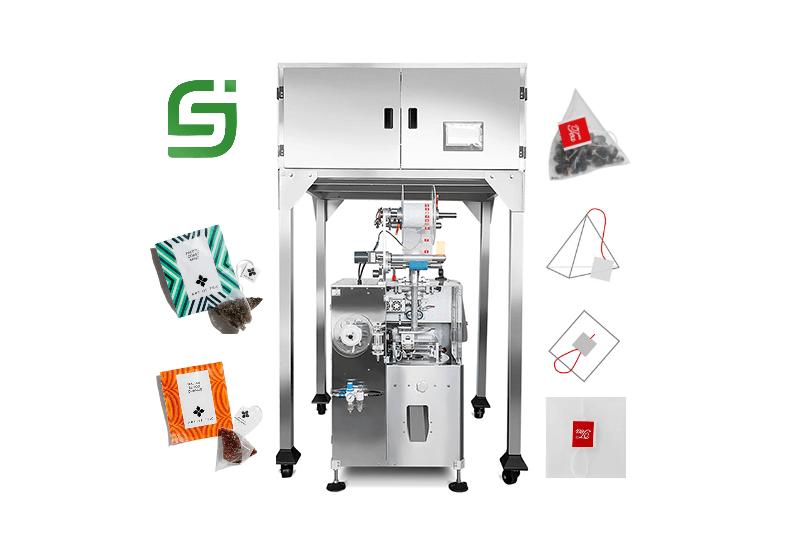
Bring the proposed diagram to the sample demonstration. Match the visible feed routes to the drawing and ask which installed components support each claimed function. A product photograph with an enclosed upper cabinet cannot establish the head count or show that ingredient paths remain independent.
Use the same tea specification when reviewing the three alternatives. A comparison between an easy single tea on one arrangement and a difficult blend on another does not isolate the effect of the architecture. Ask the supplier to complete the following allocation questions for the actual offered equipment.
| Offered arrangement | Allocation question | What the trial must establish |
|---|---|---|
| Two heads | Do both receive one blend, or are separate inputs specifically provided? | How the stated discharge sequence produces the required portion without losing recipe consistency |
| Four heads | Are the heads shared, grouped, or individually assigned? | Whether the additional paths solve a measured feeding constraint for this tea |
| Six heads | How are all channels supplied, controlled, and restored after interruption? | Whether the proposed allocation remains effective with uneven consumption and low material levels |
| Any head count | Where can the buyer verify each ingredient contribution? | Separate results for portion mass, composition, and completed bag quality |
No row establishes a preferred head count in advance. A satisfactory two-head trial may meet the requirement, while a six-head quotation can still leave an important ingredient uncontrolled. The purchasing question is what problem the extra heads demonstrably solve.
Include an unavailable head in the configuration discussion. Ask whether the offered controls permit any reduced-head operation, which recipes would remain valid, and what must be checked before resuming. Do not assume that a six-head arrangement can simply become a four-head arrangement during maintenance. If reassignment is proposed, the supplier needs to explain how it preserves the required material contributions and timing. Otherwise, record the affected arrangement as unavailable until its specified operating condition is restored.
If all heads receive the same premix, control of the blend begins before weighing. Heads supplied from one mixed stream cannot independently correct a shortage of a component that has already separated upstream. They may deliver the requested total mass while the proportions inside successive bags drift.
Examine how the mixture changes as it leaves its container. Larger leaves, lighter petals, and denser pieces may move differently. Compare material near the beginning and end of a container, and sample the feed reaching different heads where access and the supplier's procedure permit. The aim is to determine whether the offered supply route presents comparable material to every weighing channel.
When samples differ, record the location of the change before altering head settings. Adjusting discharge targets may change total dose without restoring the blend. The response could involve preparation or supply of the premix, but that belongs in a documented material-handling proposal rather than an unsupported promise that more heads prevent separation.
A buyer who needs deliberate ingredient allocation should request more detail than a list of heads. The supplier must identify separate material supplies, controllable delivery paths, the proposed per-ingredient targets, and the sequence that brings those contributions together. A shared upstream hopper can change the meaning of an apparently independent set of weighing channels.
Ask how the controller responds when one ingredient is unavailable or fails to deliver its required contribution. The important result is the composition of the affected bag and how that bag is handled. Do not assume an automatic stop, rejection, or recipe correction unless the quotation includes it and the demonstration verifies its behavior.
Keep the head-to-ingredient assignment in the recipe approval record. If a recipe uses fewer ingredients than available heads, identify whether spare channels are inactive, share an ingredient, or have another defined purpose. Those arrangements can have different replenishment and cleaning requirements even when the final portion target is unchanged.
A small inclusion can be difficult to judge from the total bag weight. The base tea may account for most of the portion, allowing an incorrect amount of a minor ingredient to be masked by variation elsewhere. Establish a separate acceptance method for that component before deciding that the complete blend is consistent.
For ingredients that can be reliably separated and identified, a controlled sample examination may help estimate their individual contribution. Similar fragments or powders can make that method unsuitable. In that case, agree another application-specific measurement with the supplier and the buyer's quality team; photographs of an attractive mixture are insufficient to establish a numeric ratio.
Run the smallest intended inclusion and the most demanding approved blend, not just an equal-proportion demonstration. Compare individual bags and the spread of their results rather than relying only on a combined sample. Any guaranteed composition tolerance must come from an agreed measurement method and demonstrated data, not from the number of heads in a brochure.

This connected equipment and pack illustration provides tea-line context, not proof of installed weighing-head count or ingredient-ratio control.
Trace what happens after weighing. Ingredients may be weighed correctly yet arrive at the common outlet at different times. A leaf caught in a chute or a slow final contribution can change which bag receives it. The trial should follow the material into the intended bag, rather than ending the assessment at a displayed scale result.
Ask the supplier to relate the proposed head discharge sequence to the available filling window. Observe the final fragments and any material remaining between cycles. Keep late arrivals separate from weighing errors in the results, because their remedies may involve the discharge path or timing instead of a new weighing target.
Inspect finished bags after this observation, including tea near the closing area. An arrangement that achieves the intended dose only by pushing material into the next operation still has an unresolved interface. Compare accepted bags at the discharge using the same attachments and format for each proposed head arrangement.
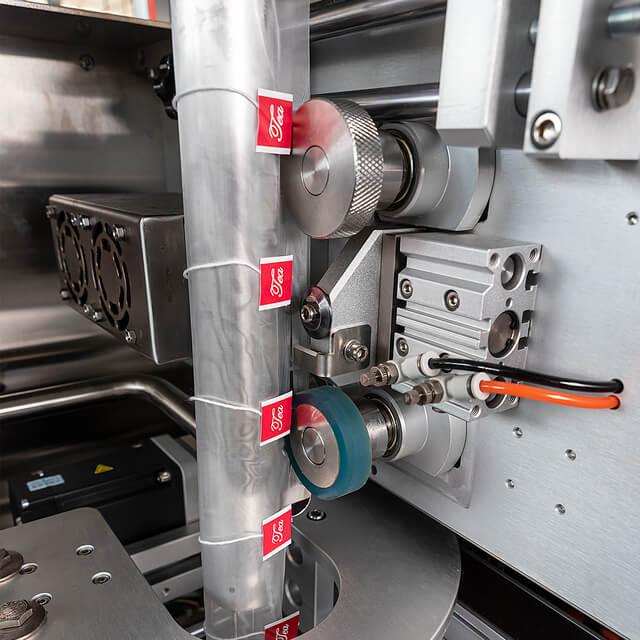
The allocation drawing becomes especially useful when material levels change. Separately supplied ingredients may empty at different times because the recipe consumes different quantities. Heads sharing one blend may receive uneven replenishment. Ask the supplier to demonstrate the replenishment conditions expected during a normal commercial campaign.
Keep samples associated with the particular head or ingredient affected by the refill whenever the system allows that connection. Record interruptions, delayed discharges, temporary changes, and the first completed portions afterwards. A single average from the entire trial can conceal a short interval in which one contribution is missing or inconsistent.
Also review how an operator identifies the correct container and feed path when replenishing the machine. The purchase requirement should connect physical labels, recipe assignments, and permitted adjustments. Extra channels add useful control only when the people running them can preserve their intended allocation through routine production events.
Repeat the relevant checks after a normal pause with tea still in the proposed feed paths. Confirm how residual material is treated and whether the resumed sequence assigns it to the intended portion. This is particularly important when different ingredients remain at different points in the system.
Finish the comparison with a configuration-specific record for each recipe used in the trial. It should identify the head arrangement, ingredient sources, allocation map, target contributions where applicable, common discharge path, and the method used to assess composition. This makes a successful demonstration reproducible when the line arrives.
Separate demonstrated recipes from future requests. A proposed seasonal blend with a much smaller inclusion or a more fragile ingredient can require a new assessment even when its total portion mass is familiar. Require the supplier to state what remains adjustable within the approved configuration and what would need different hardware or another trial.
Review the pyramid tea bag packing machine options alongside the signed allocation drawing. Select the head count supported by the actual recipe results, then carry that precise arrangement into the purchase scope. Record any unresolved independent-dosing claim explicitly so it cannot be mistaken for an included capability during handover.
Does six-head weighing mean six ingredients can be controlled separately? Not by itself. The material supplies, feed channels, controls, and discharge sequence must all support that allocation. Confirm the proposed architecture before assigning ingredients to heads.
Can two heads be enough for a premixed tea? They may be, if the offered arrangement meets the buyer's portion and composition requirements in a representative trial. The relevant comparison is demonstrated performance with that premix, not head count in isolation.
Will adding heads correct segregation inside a common hopper? Do not treat it as a guaranteed remedy. Investigate how the mixture reaches the heads and establish where its composition changes before selecting a corrective arrangement.
Why inspect the ingredients when the total bag weight passes? A correct total can contain too much of one component and too little of another. Evaluate composition with a suitable method whenever the recipe requires controlled proportions.
Must every recipe use every installed head? The supplier should define that behavior. Unused, shared, or reassigned channels need a recorded operating arrangement so replenishment, residual material, and recipe restoration remain understandable.
The useful choice between two, four, and six heads starts with a labelled ingredient map and ends with bags that meet the intended recipe. Keep premix handling, independent ingredient control, total mass, and discharge timing distinct in the comparison. Buy the demonstrated arrangement and its recorded settings; leave unproven ratio control outside the agreed capability until a suitable trial resolves it.

YISEN MACHINERY - The ONE-STOP VFFS PACKING MACHINE SOLUTION SUPPLIER
 Tel: +8617350750975
 Email: info@vffspackingmachinery.com
 MP/WhatsApp: +8617350750975
 Manufacturer Address:Meixi Road, Tongan District, Xiamen,Fujian,China