

Hot Keyword:
Author:YISEN Pouch Packing Machine Manufacturer TIME:2025-03-19
Task frequencies must follow the machine manual, product, film, operating hours, site cleaning rules, and failure history. Cleaning residue, changing an offset, and repairing wear are different actions. A good maintenance program records the observed cause and confirms the affected function rather than repeatedly adjusting around symptoms.
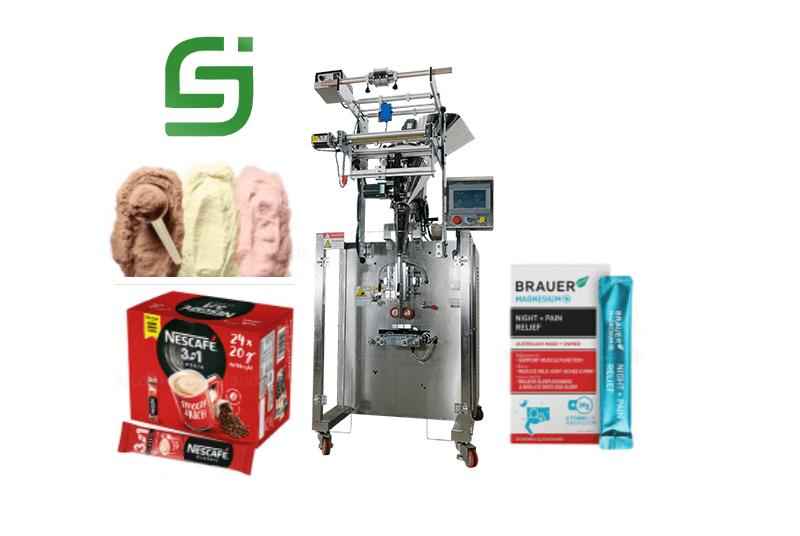
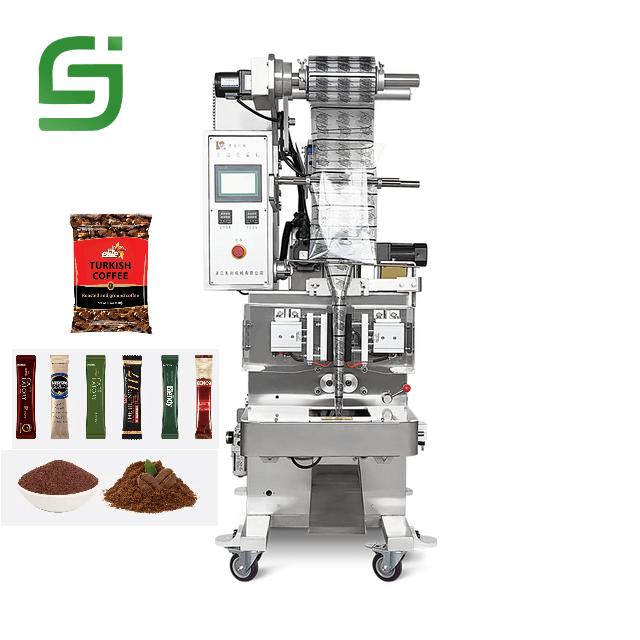
Maintain a sachet packing machine by following the packet-making path: product distribution, film unwind, lane forming, dosing, sealing, cutting, coding, sensors, and discharge. Small packets can hide gradual drift, so every intervention should end with lane-identified samples and a documented return to approved production.
Establish reference condition when the line is clean, correctly assembled, and producing approved packets. Record normal sounds, film path, tension response, registration, air or vacuum condition, temperatures, lane dosing results, seal geometry, cut position, code, and operator interventions. Retain labeled packets from every lane where quality procedures allow. These references make later investigation faster because teams know what changed.
Shift checks should focus on observable condition rather than unqualified judgments such as "machine okay." Note residue, loose parts, damaged guards, unusual vibration, air leaks, dirty sensors, tracking corrections, rising rejects, or one lane that requires repeated adjustment. Escalate trends before a failure. The sachet stick packing machine configuration should have a task list tied to its exact filler, lane count, film route, coding, and downstream equipment.
Inspect roll support, brakes or drives, dancer components, rollers, guides, web-splitting parts, forming pieces, pull mechanisms, registration sensors, and splice route according to supplier instructions. Product dust, liquid residue, adhesive, or film debris can change friction and tracking. A bent roller, worn bearing, or loose guide may make operators compensate with offsets that hide the mechanical cause.
Clean optics and film-contact surfaces using approved methods. Do not scratch coated rollers or force debris into an enclosure. Verify secure mounts and cable condition before changing sensor position. After threading or repair, check material code, direction, tension, print-to-cut registration, packet width and length, seal alignment, and all lanes. A correct center lane does not prove the outside web is stable.
Multi-lane machines distribute powder, granules, or liquid to several dosing outlets. Residue, wear, blocked passages, air, changing hopper level, or one damaged component can create local variation. Inspect hoppers, manifolds, augers, cups, pumps, hoses, nozzles, seals, drives, and product-level devices included in the line. Keep removed parts associated with their position where interchangeability is not approved.
After work, collect samples in sequence and identify the lane. An overall average can conceal one position that remains high, low, wet, dusty, or inconsistent. Include startup, normal product supply, and restart. If the product is a blend, quality may also need composition checks. Record the installed parts and recipe; a result without physical configuration cannot serve as a maintenance release reference.

Seal jaws, heaters, temperature sensors, pressure-transfer components, protective coverings, guides, cutters, anvils, and perforation parts require safe authorized care. Product and film residue should be removed before it hardens or transfers across packets. Inspect jaw faces for damage and alignment symptoms. Do not increase temperature or pressure to compensate for contamination, worn supports, or an incorrect film path.
Cutters can be sharp and may move unexpectedly, while sealing surfaces can retain heat. Follow site isolation and manufacturer procedures before access. After maintenance, challenge packet seals, dimensions, cuts, notches, perforation, and appearance across the machine width. Use the buyer's integrity method and production film. A visually clean jaw does not prove that heat, contact, and alignment create the approved closure.
Registration readers, packet-presence sensors, product-level devices, temperature components, safety switches, encoders, code triggers, and downstream detectors need clean targets, secure mounts, intact cables, and functional checks. Clean them with the approved technique. Re-aiming a dirty sensor may create a temporary result and make the next cleaning appear to cause a fault.
Challenge expected detections and observe the whole response: alarm message, machine stop or reject, current packet disposition, correction, and restart. Protect recipe access and maintain controlled backups. If a sensor is replaced, verify model, setting, position, logic, and the packages affected by its function. Controls maintenance ends when the process response is confirmed, not when an input light turns on.
Inspect belts, chains, bearings, vacuum cups, grippers, guides, fasteners, pneumatic tubing, seals, cutter parts, and forming components at approved intervals. Watch for play, cracks, glazing, leaks, unusual noise, heat, and repeated position correction. Spare parts should have exact identity and protected storage. Visually similar gaskets, sensors, or cutters may differ in material or dimensions.
Use only specified lubricant at documented points and quantities. Excess product can attract dust, migrate toward film or contact zones, and conceal a failing seal. Some areas may require no lubrication. Record the work, part number, observed condition, person, and post-maintenance check. Trend service life rather than replacing components solely from a copied calendar that ignores operating hours and product.
A maintenance or cleaning stop can introduce missing parts, loose fasteners, mixed tooling, wrong film, incorrect code, and unapproved settings. Use parts accountability and a controlled reassembly sequence. Verify cleanliness, dryness where required, correct position, secure installation, guards, tools removed, product identity, film code, recipe, and print message before energy is restored.
Run at controlled conditions and watch for rubs, leaks, abnormal sound, web drift, dosing instability, or heating response. First-off release should cover every lane and include product amount, packet dimensions, seams, cuts, code, and appearance. Units made during priming or setup need controlled disposition. If work affected only one function, continue monitoring that function through an appropriate production period.
Begin with mandatory supplier and site requirements. Refine the plan using product buildup, film debris, operating hours, change frequency, inspection findings, rejects, stops, and verified failures. A daily observation can be brief, while a planned overhaul may require skilled personnel and production downtime. Avoid applying another machine's interval without comparing filler, lanes, environment, and use.
| Function | Condition evidence | Trigger for action | Release evidence |
|---|---|---|---|
| Film path | Clean rollers, stable tension, and secure guides | Tracking correction, residue, wear, or registration drift | Approved dimensions and print position across lanes |
| Dosing | Clean identified parts and stable distribution | Lane bias, blockage, leak, wear, or supply variation | Sequential lane-specific product results |
| Sealing and cutting | Clean aligned surfaces and sound guarded mechanics | Channels, wrinkles, bad cuts, deposits, or damage | Integrity, geometry, and cut checks using production film |
| Controls | Clean sensors, secure mounts, and approved recipes | False alarm, missed detection, cable fault, or replacement | Challenge response and controlled restart |
| Complete release | Correct parts, product, film, code, and line clearance | Any disassembly, cleaning, repair, or recipe intervention | Authorized first-off packets from every lane |
Review records for repeated temporary fixes. Frequent sensor wiping, seal cleaning, dose correction, or tightening may indicate a product-control, access, extraction, alignment, or wear problem. A supervisor should assign root-cause work before the temporary action becomes an unofficial operating procedure.
How often should seal jaws be cleaned? Follow the approved procedure based on product buildup, film behavior, inspection findings, and manufacturer guidance rather than one universal interval.
Why can one sachet lane drift? Possible causes include product distribution, blockage, wear, local seal transfer, forming alignment, or a sensor issue. Lane-specific data narrows the search.
Can operators sharpen cutters themselves? Only authorized work defined by the equipment maker and site procedure should be performed around cutting components.
What should be checked after changing film? Confirm material identity, routing, tension, registration, packet dimensions, seals, cuts, code, and results from every lane.
Which spare parts are most important? Build the list from supplier recommendations, failure history, lead time, machine criticality, and exact component identity.
Planned downtime should bundle compatible work without weakening inspection. For example, a film-path service may be scheduled with roller cleaning and sensor checks, while opening the dosing system may create a separate sanitation and reassembly boundary. List the permits, isolation, tools, parts, qualified roles, expected duration, and release samples before the machine stops. Prepared work reduces the temptation to skip a center-lane inspection because production is waiting.
Measurement devices need their own control. Scales used for packet checks, temperature instruments, pressure indications, and any reference tools should follow the site's verification or calibration program. When a result appears abnormal, confirm the measurement system before changing several machine settings. Record which instrument and method supported the decision so later investigators can compare evidence on the same basis.
Maintenance handover between shifts should identify open guards or parts, removed product, incomplete cleaning, replaced components, temporary controls, samples still awaiting approval, and the authorized next step. A verbal statement that work is almost finished is not enough for a multi-lane line. Clear status prevents another team from energizing equipment with missing tooling or releasing packets before all lane results are known.
Reliable sachet maintenance follows the physical path and treats each lane as a measurable process. Reference condition, correct cleaning, wear inspection, controlled settings, safe repair, and first-off packets create a stronger program than repeated adjustments made after rejects appear.
Use failure history to refine frequencies and preserve evidence behind every release. When operators and maintenance share the same lane map and package standard, small drift can be corrected before it becomes sustained waste or an uncertain production lot.

YISEN MACHINERY - The ONE-STOP VFFS PACKING MACHINE SOLUTION SUPPLIER
 Tel: +8617350750975
 Email: info@vffspackingmachinery.com
 MP/WhatsApp: +8617350750975
 Manufacturer Address:Meixi Road, Tongan District, Xiamen,Fujian,China