

Hot Keyword:
Author:YISEN Pouch Packing Machine Manufacturer TIME:2026-08-30
A pouch packing machine should be selected from the product outward, not from the machine catalog inward. The buyer needs to confirm product flow, target weight, pouch style, speed expectation, sealing requirement, factory utilities, and future changeover needs before comparing prices. A machine that looks affordable can become expensive if the filler is wrong, the bag cannot open smoothly, or the seal jaw cannot handle the laminate used by the brand.
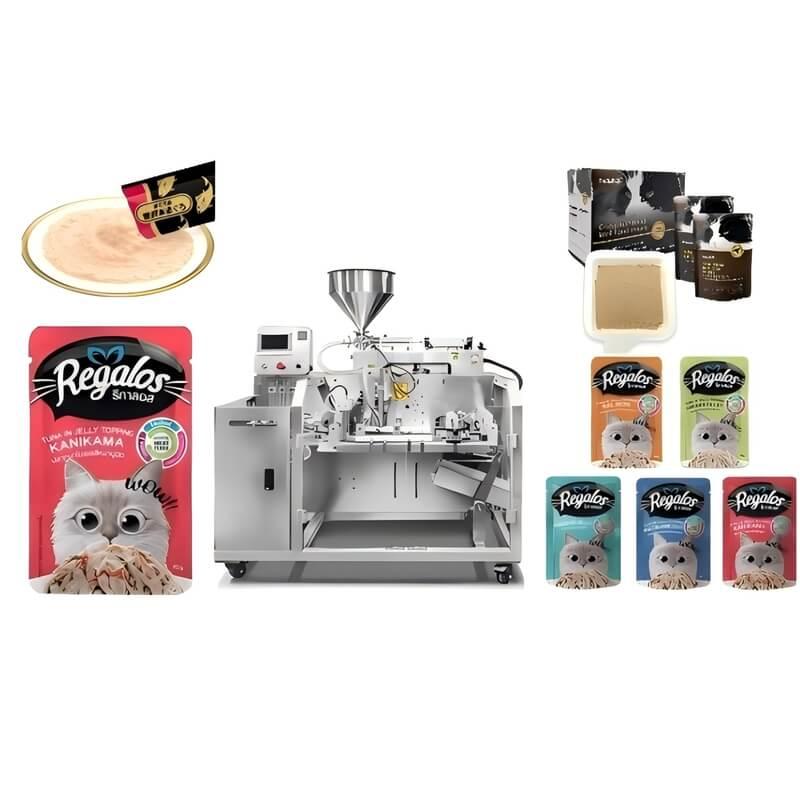
For most factories, the first decision is whether the pouch is made from roll film on a VFFS or HFFS machine, or whether the factory will buy premade pouches and use a pick-fill-seal system. Roll film often reduces packaging material cost and works well for simple pillow bags, stick packs, and sachets. Premade pouch systems are more attractive when the brand wants Doypack, zipper pouch, spout pouch, gusset pouch, or a premium shelf presentation.
Method note: Before asking for a formal quote, prepare three samples: the product, the empty pouch or film, and the target finished pack. A supplier can give a more realistic proposal after testing product flow, pouch opening, filling accuracy, and seal strength.
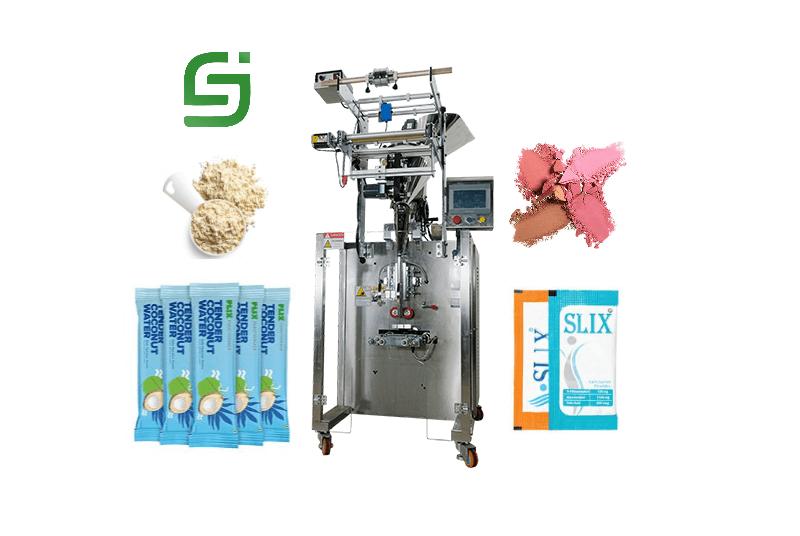
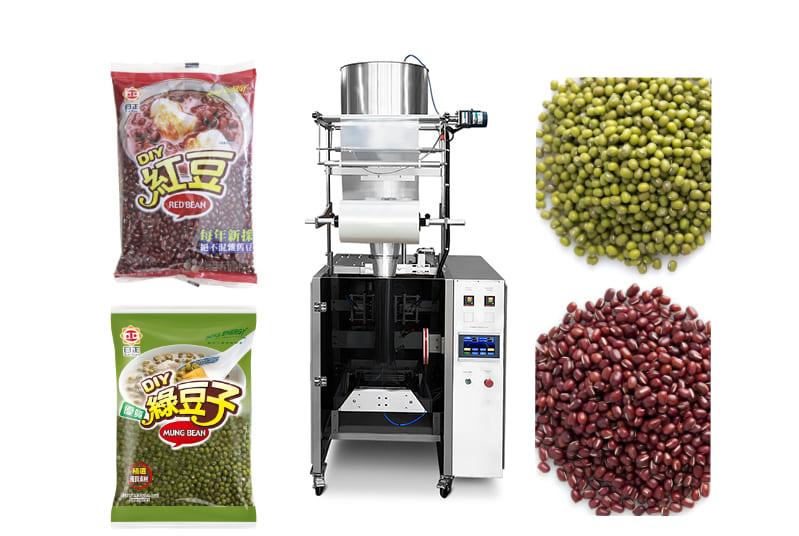
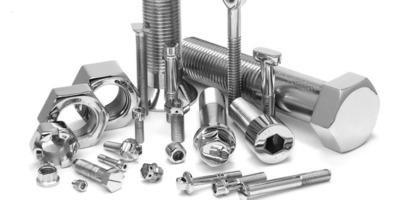
Different pouch machines can package the same product, but the commercial result is not always the same. Powder products may run on VFFS sachet lines, stick pack machines, or premade pouch machines with an auger filler. Liquids and sauces often need a pump or piston filler, anti-drip nozzle, and stronger sealing control. Granules and snacks usually match a cup filler or multi-head weigher. Hardware and irregular solids need feeding tests because sharp edges, mixed sizes, and vibration can affect pouch filling.
| Machine type | Best fit | Buyer caution |
|---|---|---|
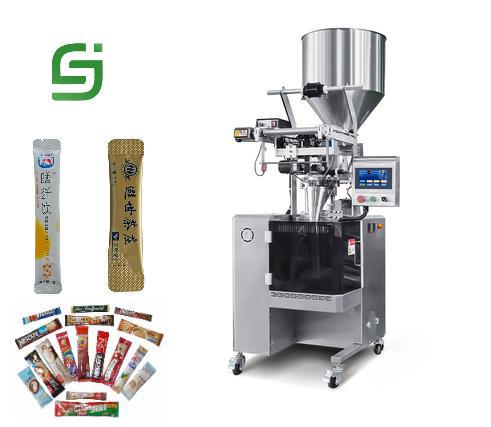
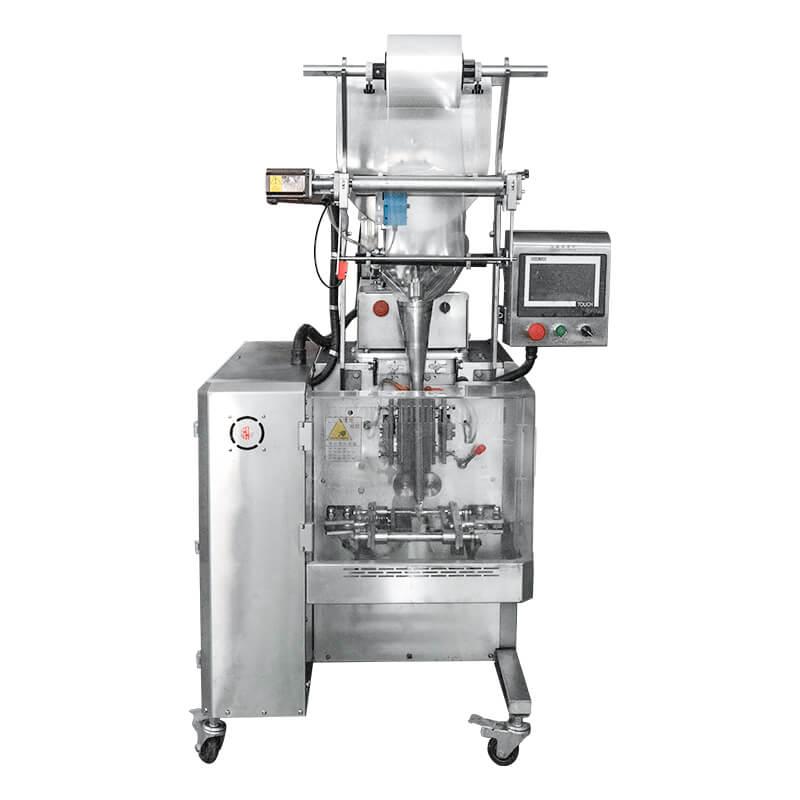
| VFFS pouch machine | Powder, granule, liquid sachets, pillow bags, economical roll-film packs | Confirm film roll width, forming shoulder, bag length range, and sealing temperature window. |
| Rotary premade pouch machine | Doypack, zipper pouch, stand-up pouch, spout pouch, retail products | Confirm pouch magazine stability, opening success rate, no-bag-no-fill logic, and seal appearance. |
| Horizontal pouch machine | Some liquids, shaped pouches, zipper pouches, and products needing gentle transfer | Check floor space, infeed direction, pouch handling, and changeover time. |
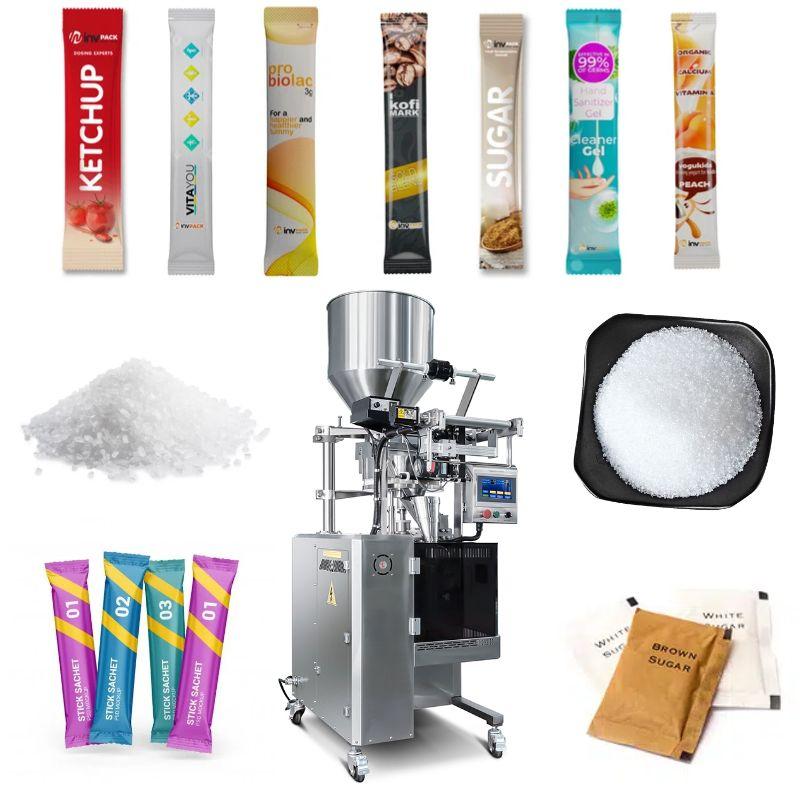
| Stick pack machine | Single-dose coffee, sugar, powder, honey, pharmaceutical powder, small liquid packs | Check lane count, dosing accuracy, film tracking, and cutting quality. |
The filling system is usually the part that decides whether a pouch packing project succeeds. An auger filler suits powder with reasonable flow, but very dusty or bridge-forming powder may need agitation, dust collection, or a different screw design. A piston filler suits thick sauces and pastes, while a pump filler may be better for lower-viscosity liquids. A multi-head weigher is strong for snacks, nuts, candy, frozen food, and granules where speed and weight accuracy matter.
Buyers comparing Doypack packing machine options should check whether the supplier is only quoting the pouch machine or the whole line, including feeder, filler, platform, date coder, output conveyor, and inspection device. A pouch machine without the right feeding and filling system is only part of the solution.
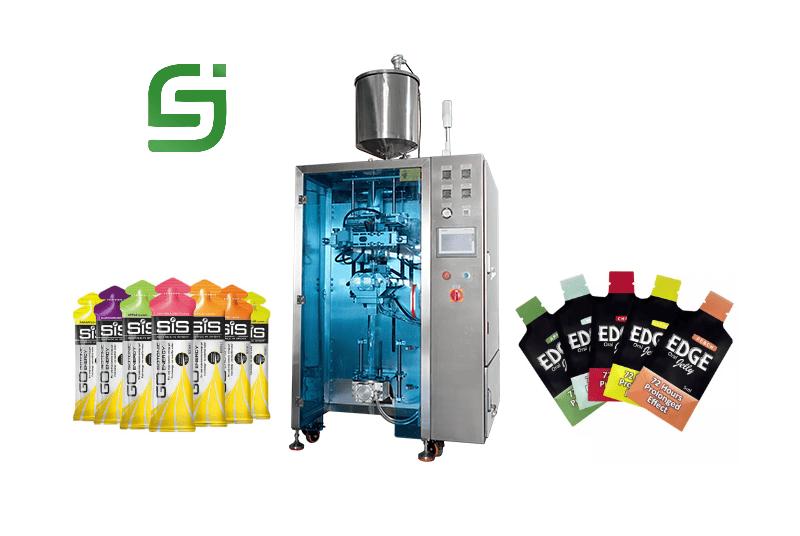
A useful quotation should not only list a model name and price. It should connect machine speed, pouch width, pouch length, filling range, power, compressed air, machine size, contact material, sealing method, coding option, and after-sales scope. Speed should be discussed as a practical range, because powder flow, sauce viscosity, pouch size, zipper structure, and operator skill can all reduce real output.
| Specification | Why it matters | What to verify |
|---|---|---|
| Pouch size range | Determines whether one machine can cover current and future SKUs | Send minimum and maximum pouch drawings, including zipper or spout position. |
| Filling range | Affects filler choice and accuracy | Confirm the smallest and largest fill weight, not only the average weight. |
| Seal width and temperature | Controls leak resistance and shelf appearance | Test with real laminate and real product residue near the seal area. |
| Utilities | Prevents installation delay | Check voltage, phase, air pressure, air consumption, and factory layout. |
The most common mistake is buying by machine speed alone. A machine advertised at a high speed may run much slower with thick sauce, dusty powder, large pouches, zipper pouches, or unstable handmade bags. Another mistake is ignoring the packaging material. Premade pouches must be consistent in size, stiffness, seal area, and opening shape, or the machine will spend time rejecting bags instead of producing finished packs.
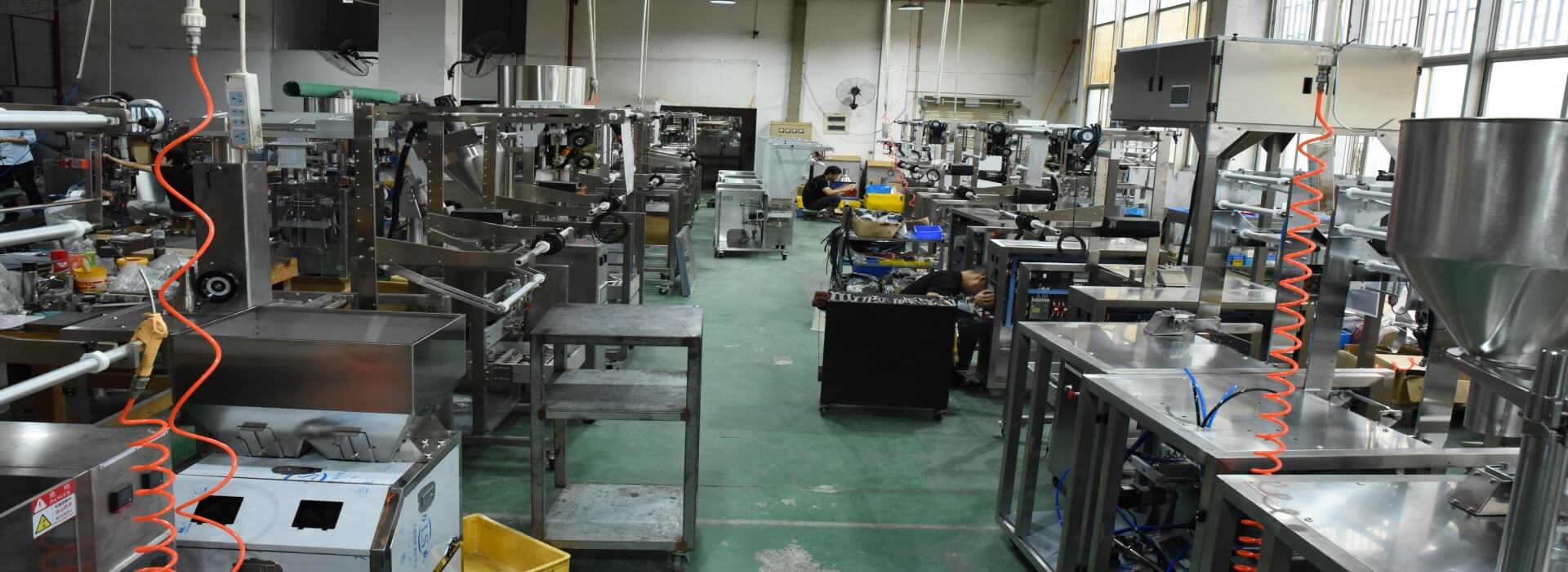
Manufacturer-side insight: During factory acceptance testing, do not test only ten perfect pouches. Test a longer run with normal production pouches, real product, normal operators, and the intended coding method. Short demonstrations hide many problems that appear after product dust, oil residue, or film tension changes.
Installation planning should begin before the machine ships. A buyer should confirm the route from the factory door to the production area, the floor space around the line, the direction of product feeding, the height of the elevator or platform, the location of compressed air, and the operator position. These details sound simple, but they often decide whether a machine can be started quickly after arrival. If the factory discovers that the elevator is too high, the pouch discharge direction is wrong, or the air compressor is undersized, the project loses time even when the packing machine itself is correct.
Acceptance testing should be divided into supplier-side testing and buyer-side commissioning. Supplier-side testing proves that the machine can run the selected product and pouch before shipment. Buyer-side commissioning proves that the machine can run under the real factory utilities, operator habits, and production schedule. The buyer should keep a simple acceptance sheet with target speed, target weight, seal appearance, leak test method, rejected pouch count, alarm handling, and cleaning time. This helps the team judge the machine by evidence instead of by a short demonstration.
| Acceptance point | Why it matters | Practical check |
|---|---|---|
| Weight accuracy | Controls product giveaway and customer complaints | Weigh a group of finished pouches during a continuous run. |
| Seal quality | Protects product shelf life and prevents leakage | Inspect seal line, squeeze samples, and check whether residue enters the seal. |
| Operator adjustment | Decides whether the line can recover from normal changes | Ask the operator to change speed, adjust pouch position, and clear an alarm. |
Installation note: For export projects, ask the supplier to mark cables, pack common spare parts, provide setup videos, and label the main adjustment points. These small details reduce communication pressure when the local team installs the machine without an engineer on site.
After the machine is installed, stable output depends on daily discipline. Operators should check that the pouch magazine or film roll is loaded correctly, the product feeder is clean, the filler is assembled tightly, the seal jaw surface is free of residue, and the compressed air is within the required range. Many stoppages come from small issues: a sensor blocked by dust, a pouch stack placed unevenly, a loose heater wire, or a filling nozzle set slightly too high.
A simple shift checklist is useful because it turns machine knowledge into repeatable habits. The checklist should include startup inspection, first-sample weighing, seal check, speed setting, rejected pouch count, product residue cleaning, and end-of-shift shutdown. When the factory records these points, it becomes easier to find whether a problem comes from the machine, the pouch material, the product batch, or the operator setup.
Can one pouch packing machine handle powder, liquid, and granules?
One frame may handle different products only if the filling system and product-contact parts can be changed. In many projects, the pouch handling machine is shared, but the auger filler, pump filler, piston filler, or weigher must be selected for the product.
Is premade pouch packing better than VFFS?
Premade pouch packing is better for premium shelf presentation and complex bag styles. VFFS is often more economical for simple flexible packs made from roll film.
What information should I send before asking for price?
Send product type, fill weight, pouch width and length, required speed, pouch material, available voltage, air supply, and photos or samples.
Why does sealing quality fail?
Common reasons include wrong temperature, product residue in the seal area, poor laminate, weak air pressure, worn seal jaws, or pouch position error.
The best pouch packing machine is the one that matches the product, pouch, filler, speed target, and factory conditions together. Buyers should compare complete packaging systems rather than isolated machine prices. When the product sample, pouch sample, filling method, seal requirement, and utility conditions are confirmed early, the supplier can build a proposal that reduces installation risk and gives the factory a more stable production result.

YISEN MACHINERY - The ONE-STOP VFFS PACKING MACHINE SOLUTION SUPPLIER
 Tel: +8617350750975
 Email: info@vffspackingmachinery.com
 MP/WhatsApp: +8617350750975
 Manufacturer Address:Meixi Road, Tongan District, Xiamen,Fujian,China