

Hot Keyword:
Author:YISEN Pouch Packing Machine Manufacturer TIME:2026-08-30
A powder pouch packing machine must handle flow, dust, dosing accuracy, seal cleanliness, and cleaning access at the same time. Coffee powder, spice powder, milk powder, flour, protein powder, detergent powder, and chemical powder do not behave alike. Some powders flow freely, some bridge inside the hopper, some create dust clouds, and some absorb moisture. A machine that works well for sugar may not run smoothly with flour or spice powder.
The buyer should describe the powder by density, particle size, flow behavior, dust level, moisture sensitivity, and target weight. These details affect auger screw design, hopper agitation, dust cover, filling nozzle, bag support, and sealing layout. If the supplier only asks for bag size and speed, the proposal may miss the real operating risk.
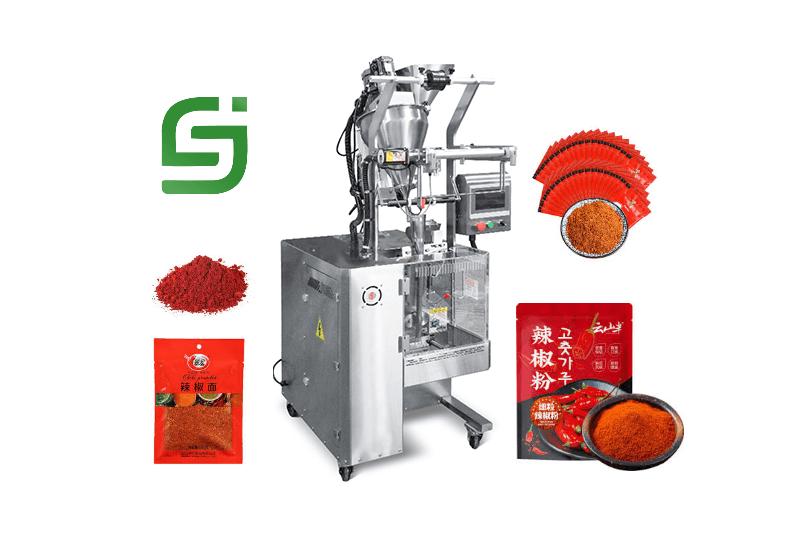
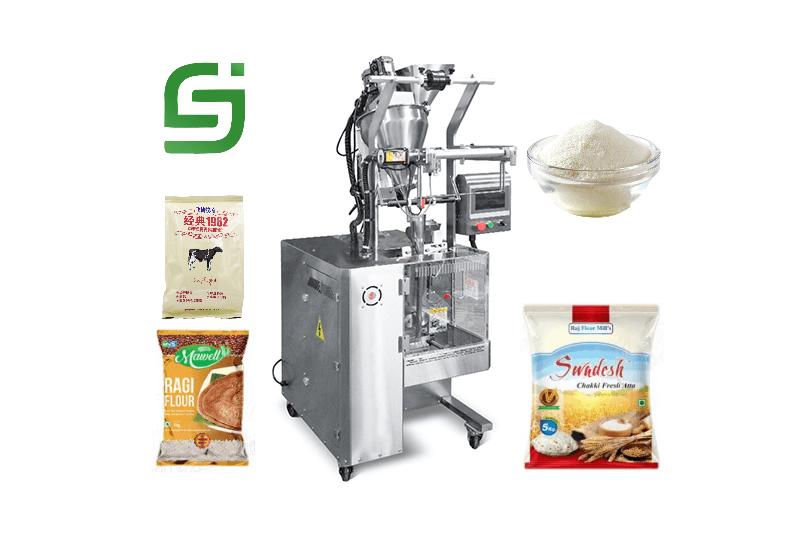
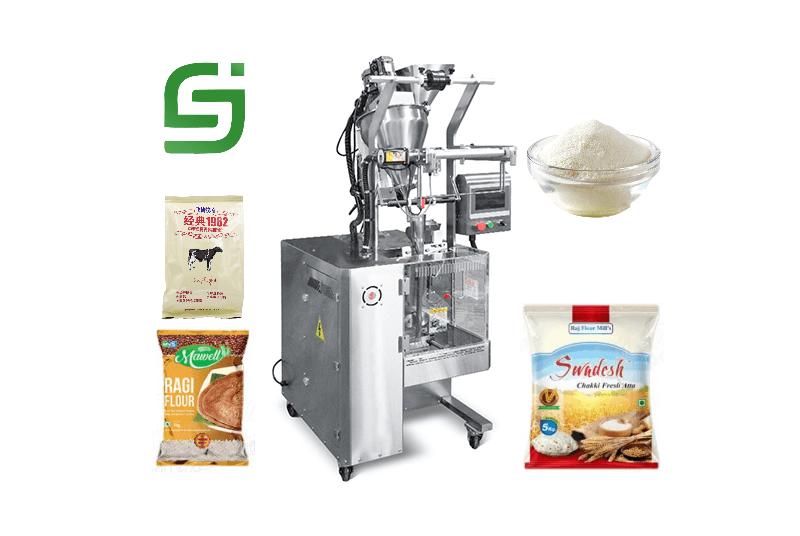
Most powder pouch projects use an auger filler because the screw can dose powder with reasonable repeatability. The auger size, screw pitch, hopper shape, and servo control need to match the target weight and powder flow. Very small sachets need different control from large stand-up pouches. Very light powder may need anti-dust design and slower settling time, while heavy powder may need stronger bag support.
| Powder type | Likely filling choice | Buyer check |
|---|---|---|
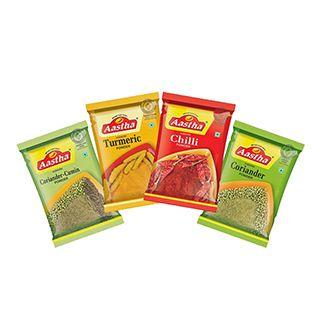
| Coffee powder | Auger filler with good dust control | Check aroma retention, dust escape, and seal cleanliness. |
| Spice powder | Auger filler with easy cleaning contact parts | Check color changeover, odor carryover, and hopper corners. |
| Milk powder | Sanitary auger filler and dust cover | Check food-contact material, cleaning access, and moisture control. |
| Flour | Auger filler with agitation and anti-bridging design | Check hopper flow, dosing stability, and airborne dust. |
For factories planning several powder SKUs, reviewing powder packing machine options can help compare auger filler structure, bag type, dosing range, and cleaning design before requesting a final quote.
Dust is not only a workshop cleanliness problem. It can enter the sealing area, weaken the heat seal, affect photoelectric sensors, increase cleaning time, and reduce machine life. In powder pouch packing, the filling nozzle should control product drop, the bag should stay stable during filling, and the machine should allow enough time for powder to settle before final sealing.
Manufacturer-side insight: For fine powder, the seal jaw can be correct and still produce weak bags if powder remains in the seal mouth. During testing, inspect the seal line after repeated production, not only the first finished pouch.
A useful powder machine test should include real powder, target pouch, target fill weight, target speed, and a longer run that shows accuracy over time. The supplier should show how the machine behaves after powder accumulates around the filling area. Buyers should ask for weight records, rejected pouch examples, seal photos, and cleaning demonstration if frequent SKU changes are expected.
| Checklist item | Reason | Pass condition |
|---|---|---|
| Filling accuracy | Controls giveaway and label compliance | Weight variation stays within buyer tolerance during a real run. |
| Dust control | Protects seal, sensor, and workshop | No major dust cloud or product buildup near the seal jaw. |
| Cleaning access | Reduces downtime between flavors or formulas | Operator can remove product-contact parts without complex tools. |
Powder machines need regular cleaning because fine particles can build up around screws, seals, sensors, and moving parts. A machine with poor access may look cheaper but cost more in labor and downtime. The buyer should ask whether the hopper, screw, forming tube, filling nozzle, and dust cover are easy to remove. Maintenance should also include checking seal tape, heater cartridges, temperature controllers, bearings, and air cylinders.
Limitations and buying assumptions: No supplier can guarantee perfect powder behavior without testing. Flow can change with humidity, batch variation, storage time, and particle size. Treat sample testing as part of machine selection, not as an optional extra.
After installation, powder production should start with a controlled trial instead of immediately running a full commercial batch. The team should set one product, one pouch size, one target weight, and one speed range. During the first run, record weight accuracy, dust level, seal appearance, pouch rejection, operator adjustment, and cleaning time. This trial creates a baseline. After the baseline is stable, the factory can increase speed, add more SKUs, or test smaller and larger pouch sizes.
Powder products are sensitive to humidity, storage conditions, and batch variation. Coffee powder can compact during transport, spice powder can leave strong odor, flour can bridge, and milk powder can absorb moisture. The machine may need small settings changes even when the product name is the same. Buyers should train operators to observe powder flow, not only press start and stop. If the hopper level, auger speed, or dust cover position changes, the finished pouch weight and seal cleanliness may also change.
| Production stage | Main risk | Operator action |
|---|---|---|
| Startup | Wrong auger setting or unstable first fills | Discard or recheck first samples and confirm average weight. |
| Continuous run | Dust buildup and seal contamination | Inspect seal area regularly and clean before residue becomes heavy. |
| Changeover | Flavor, color, or odor carryover | Remove product-contact parts and follow a written cleaning checklist. |
Operator training note: Powder packing stability improves when operators know the reason behind each setting. Teach them what auger speed, hopper agitation, filling delay, sealing temperature, and dust cover position are supposed to control.
Powder buyers should keep basic quality records from the first day of production. These records do not need to be complicated, but they should show fill weight, seal quality, dust level, reject count, cleaning time, and product batch. If a later complaint appears, the factory can compare the complaint batch with the production record. This is especially useful for coffee, spice, milk powder, and flour because powder behavior can change with humidity and storage time.
The record should also include machine settings such as auger speed, filling delay, sealing temperature, bag length, and operating speed. When a stable setting is found, save it as the starting recipe for the next run. Operators can still adjust the machine, but they should know the approved baseline. Without records, every shift may solve the same problem again from the beginning.
Powder buyers should ask supplier questions that expose real engineering thinking. Useful questions include whether the hopper has agitation, whether the auger can be changed for different weights, how dust is controlled near the seal area, how the machine handles poor-flow powder, and how long cleaning takes between flavors. The buyer should also ask whether the supplier has tested similar powder products and what limitations appeared during testing.
Another important question is how the supplier supports the machine after delivery. Powder projects may need small setting changes after operators gain experience. Remote support should include video guidance for auger installation, hopper cleaning, sealing temperature adjustment, sensor cleaning, and weighing calibration. If the supplier can explain these points clearly before the order, the buyer has a better chance of stable production after installation.
Can one auger filler handle all powders?
One auger filler can handle many powders, but screw size, hopper design, and control settings may need adjustment. Very different powder densities may require different screws.
Why does powder get into the seal?
It can happen when powder drops too fast, the bag is unstable, the filling nozzle is poorly positioned, or there is not enough settling time before sealing.
Is VFFS better than premade pouch for powder?
VFFS is often efficient for sachets and pillow bags, while premade pouch machines are better for zipper pouches and premium stand-up bags.
What should I ask about cleaning?
Ask which parts touch powder, how they are removed, whether tools are required, and how long a normal changeover takes.
Choosing a powder pouch packing machine requires more than matching bag size and price. The buyer should evaluate powder flow, auger design, dust control, seal cleanliness, cleaning access, and sample-test evidence. A strong supplier will ask for product behavior details and prove the solution with real powder, real pouches, and practical operating data.

YISEN MACHINERY - The ONE-STOP VFFS PACKING MACHINE SOLUTION SUPPLIER
 Tel: +8617350750975
 Email: info@vffspackingmachinery.com
 MP/WhatsApp: +8617350750975
 Manufacturer Address:Meixi Road, Tongan District, Xiamen,Fujian,China