

Hot Keyword:
Author:YISEN Pouch Packing Machine Manufacturer TIME:2026-08-30
Choose powder packing equipment for spice and milk powder through separate trials because their flow, dust, cohesion, oil, hygiene, and cross-contact risks differ. Approve the filler, product path, package, seal condition, cleaning method, dose evidence, and operating limits for each actual powder instead of treating all powders as one category.
Profile each powder by particle size, density, flow, cohesion, aeration, compaction, moisture, oil, color, abrasion, dust, and tendency to smear or retain aroma. Record transport and hopper condition because handling can change the dosing behavior.
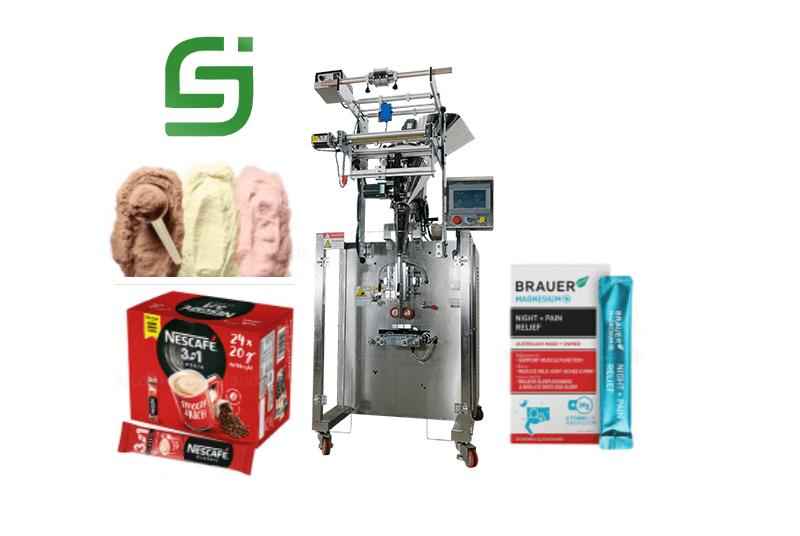
Spice and milk-powder trials should be planned as separate operating cases because the main risks differ. Fine milk powder may aerate, cling, compact, or change bulk density after transport, while spice blends can contain oil, fibers, color, abrasive particles, and strong residue. For each product, record particle profile, bulk density, moisture condition, target dose, hopper level, agitation, dust behavior, refill response, and the time needed to clean contact parts. Collect consecutive weights at startup, stable running, before and after refill, and after a normal stop. Inspect whether powder reaches the seal area or escapes around transfer points. If one line will handle allergens or strongly flavored spices, demonstrate the proposed cleaning and inspection method instead of assuming that removable parts alone prove cleanability. The approved configuration should identify the feeder, auger or cup parts, dust controls, pouch material, settings, and product limits that were actually tested, with clear triggers for a fresh trial.
Buyer note: For spice and milk powder projects, the sample test should include the lightest powder, the dustiest powder, and the product that bridges most easily in the hopper. Ask the supplier to record dosing repeatability, dust extraction behavior, auger cleaning time, and seal cleanliness after a longer run. This extra check helps separate a machine that only works in a short demonstration from a line that can hold accuracy during real daily production. Buyers should also keep the tested sieve size, target fill weight, pouch width, and room humidity in the approval notes because these conditions explain why the selected dosing system is suitable.
Select the filler from product evidence and target range. Review auger geometry or alternative metering parts, hopper agitation, level control, refill response, cutoff behavior, retained product, and adjustment authority under startup and sustained operation.
| Powder factor | What to observe | Machine implication |
|---|---|---|
| Flow/cohesion | Bridging, flooding, clinging, and compaction | Hopper, agitation, feeder, and refill method |
| Density/aeration | Weight change at the same metering condition | Dose sampling and operating envelope |
| Dust | Escape at filling and sealing | Drop path, timing, collection, and cleaning |
| Hygiene/changeover | Residue, aroma/color transfer, moisture sensitivity | Contact access, procedure, and release method |
Powder terminology: Cohesion describes resistance to free flow. Aeration changes apparent density through entrained air. Product head is material condition above the metering device. A product matrix links each powder to tested parts, settings, package, and limits.
Lock a separate product row: For each approved powder, record physical profile, filler and contact parts, target, pack, film or pouch, speed, measurement result, dust control, cleaning method, code, settings, and retest triggers. One machine may handle several powders, but the evidence and operating limits belong to each tested combination.
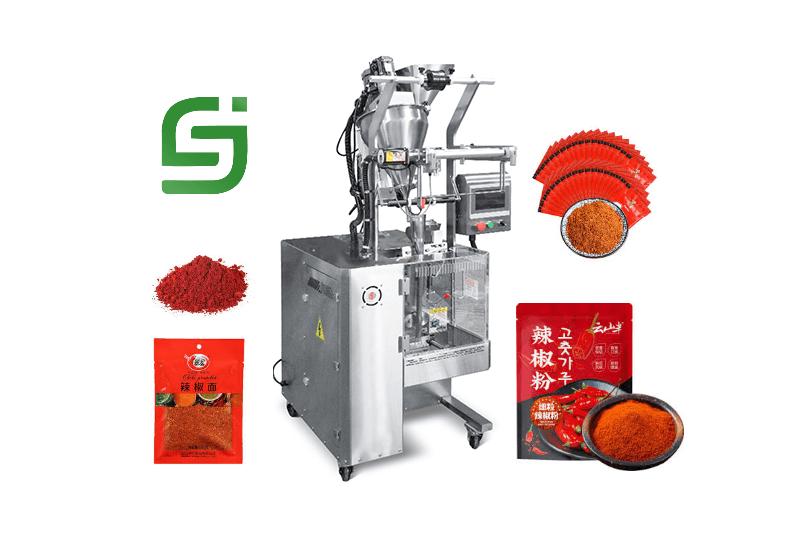
Do not group all powders together: Record particle size, bulk density, flow, cohesion, aeration, compaction, moisture sensitivity, fat or oil content, dust, and target range for every spice or milk powder. Fine spice may cling and create airborne dust; milk powder can be sensitive to moisture and hygiene practices. Use qualified product-handling and safety procedures appropriate to the actual material.
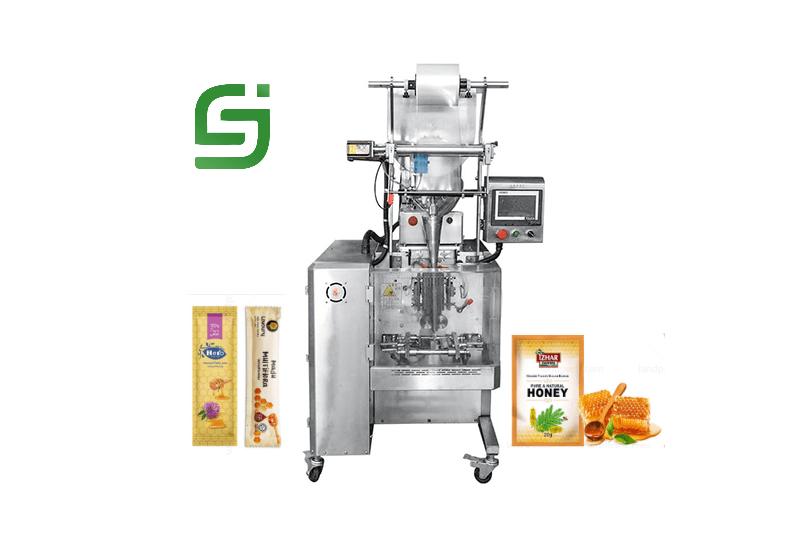
Match the filler to sachet, stick, VFFS, or premade pouch geometry. Confirm forming tube or pouch opening, headspace, dose entry, coding, seal width, reject path, bag support, and the change parts required for every approved size.
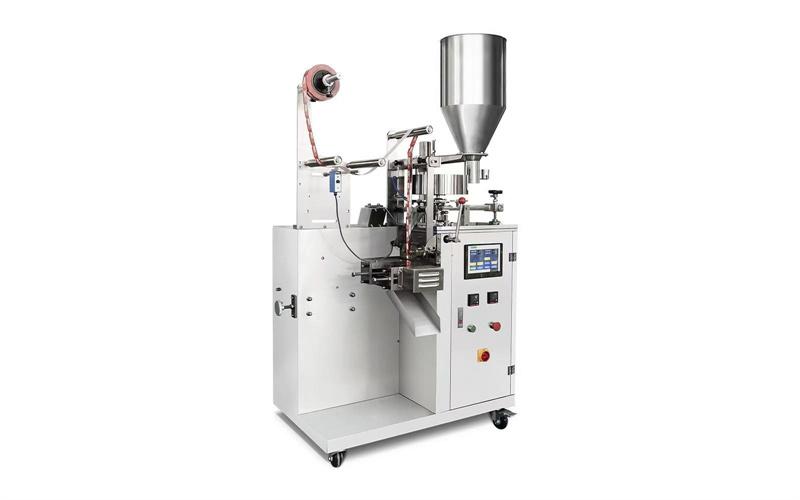
Test the filler and package as one system: An auger or another controlled feeder may be shortlisted for powders, but screw geometry, hopper agitation, product head, drop path, bag volume, and cycle timing affect the result. Test the real sachet, stick film, VFFS rollstock, or premade pouch. Observe product escaping the fill tube, dust near seals, static, pouch opening, and the first acceptable output after refill.
Control dust and the product fall before it reaches the seal. Observe transfer joints, extraction boundary, static, drop height, settling time, pouch contamination, airborne loss, and cleanup after a missed or incomplete package.
| Product-matrix field | Evidence | Boundary |
|---|---|---|
| Product | Representative sample and physical profile | Approved lots/conditions and retest trigger |
| Filler | Installed parts, hopper, settings, and controls | Named configuration |
| Package | Format, material, dimensions, and seal window | Approved pouch or rollstock |
| Performance | Raw doses, speed, refill/restart, seal samples, and rejects | Accepted operating range |
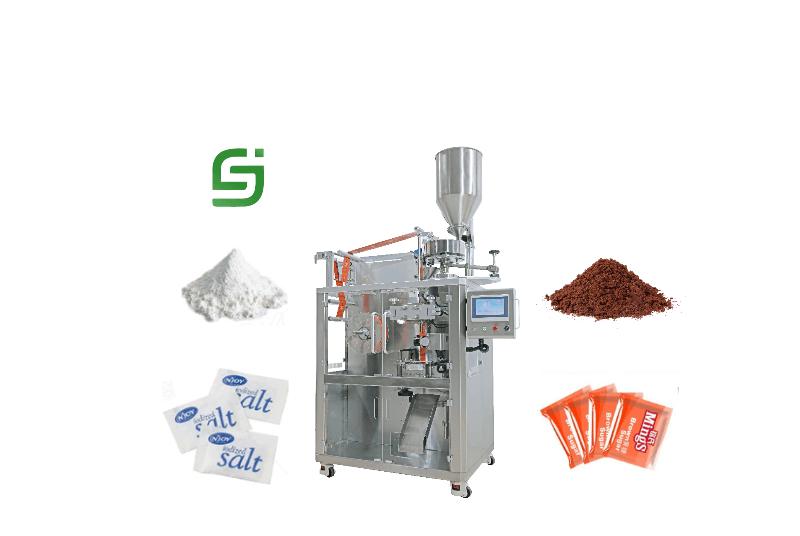
Compare the auger, cup, or other filler with measured spice and milk-powder behavior, not the category name. Bulk density, aeration, dust, cohesion, particle damage, refill method, target dose, and cleaning boundary determine which filling route deserves a production trial. Review the powder packing machine page against this recorded scope.
Review product and workplace hazards separately: Fine powders may create inhalation, housekeeping, contamination, or combustible-dust concerns depending on their properties and concentration. The buyer should involve qualified safety and process specialists, provide relevant product information, and confirm local requirements for dust collection, electrical equipment, grounding, ventilation, and cleaning. A general machine quotation should not be treated as a site hazard assessment.
Demonstrate safe emptying, contact-part removal, cleaning, inspection, drying, reassembly, and first-product release. Spice residue, milk-powder hygiene, allergen rules, aroma, color, tools, water restrictions, and spare contact sets may require different routes.
Assign a responsible person and closure date to every outstanding document, cleaning, safety, or product-test item before shipment approval.
Keep product-contact material declarations, cleaning instructions, dust-control responsibilities, and any buyer-required qualification documents with the accepted configuration. Unresolved hygiene or safety questions remain approval blockers until the responsible specialist closes them.
Demonstrate cleaning and changeover: Empty the hopper and feeder, remove authorized contact parts, clean ledges and dust-collection areas, inspect residue, and reassemble the machine. Time the process and record tools, loose parts, difficult access, and release samples for the next product. Spice aroma or color and milk-powder hygiene needs make generic wipe-down claims insufficient.
Collect consecutive doses at setup, stable running, low hopper level, before and after refill, after a normal stop, and after target change. Preserve individual results, adjustments, rejects, powder condition, and the verified scale used.
Approve each powder setup against a named product lot, pouch size, fill target, filler tooling, agitation or conditioning method, dust controls, line speed, seal inspection, and weight sample plan. A recipe cannot transfer automatically to a powder with different flow or aeration.
Powder review: Dose data, dust, product loss, seal cleanliness, hygiene access, and changeover belong in one selection. One easy powder cannot prove a full spice and dairy range.
At handover, operators should reproduce refill, stop, restart, cleaning, and second-product setup while the supplier observes and records remaining training actions.
Measure beyond an average: Collect individual doses during setup, stable operation, before and after refill, after a short stop, and at important target values. Record the scale, sampling method, filler parts, settings, speed, hopper condition, excluded pieces, and individual results. Inspect seal cleanliness and visible product loss beside weight data. An acceptable average can hide wide variation or repeated contamination.
Compare accepted finished packs, giveaway or variation under the buyer's method, dust loss, startup waste, utilities, operator intervention, cleaning time, and product retained in the system. Nominal feeder rate alone does not represent usable production.
Protect recipes and change parts: Label augers, tubes, cups, funnels, seals, and contact assemblies for each approved powder. Store the corresponding settings, assembly checks, and first-piece release method. When a local team changes a metering part or package size, require new dose and seal samples before mixing output with accepted stock.
Approve separate product rows that identify powder profile, filler and contact parts, pouch, target, speed condition, settings, dose evidence, seal result, cleaning method, limitations, and changes that require another trial or configuration review.
Can one powder packing machine handle spice and milk powder? Possibly, but both require representative tests, compatible contact parts, documented cleaning, and separate accepted settings. The quotation should state all change components.
Why does powder enter the pouch seal? Dust, timing, drop geometry, static, excessive fill volume, product aeration, or pouch movement can contaminate the sealing band.
Is an auger filler always required? No universal mechanism fits every powder. Product behavior, target, variation, cleaning, package, speed, and integration should drive the tested selection.
What should happen after hopper refill? Collect new dose and seal samples, observe recovery and intervention, and define when output returns to the accepted release condition.
Which changes trigger another powder trial? Retest meaningful changes in particle profile, density, moisture condition, target range, contact parts, package material, or dust and sealing behavior.
Spice and milk powder packing-machine selection depends on physical product behavior, filler configuration, package format, dust and seal control, cleaning, and measured production phases. Powder category names are not enough.
Approve every important product-package combination in a controlled matrix. That gives operators reproducible parts and settings and tells purchasing when a future powder needs new evidence.

YISEN MACHINERY - The ONE-STOP VFFS PACKING MACHINE SOLUTION SUPPLIER
 Tel: +8617350750975
 Email: info@vffspackingmachinery.com
 MP/WhatsApp: +8617350750975
 Manufacturer Address:Meixi Road, Tongan District, Xiamen,Fujian,China