


Hot Keyword:
Author:YISEN Pouch Packing Machine Manufacturer TIME:2026-08-30
Treat zipper Doypack and spout pouch projects as different handling and filling interfaces, even when one premade pouch machine platform is proposed. Approve each actual pouch, product, filler, opening method, gripper contact, closure, seal, cleanup route, changeover, and accepted sample set before claiming one configuration covers both formats.
Define separate drawings and requirements for zipper and spout pouches. Record dimensions, gussets, stiffness, laminate, mouth opening, zipper or spout position, top-seal area, cap or liner, fill target, product condition, and supplier tolerance.
Zipper pouches must feed, open below the zipper, remain controlled during filling, reclose where required, and keep the final top seal clean. Test zipper stiffness, mouth access, product clearance, no-bag-no-fill response, and reject handling.
| Interface | Zipper Doypack | Spout pouch |
|---|---|---|
| Opening | Separate mouth and zipper; hold pouch for filling | Orient pouch and spout/cap system for selected fill route |
| Filling | Keep product below clean top-seal band | Control product at mouth or through spout according to design |
| Closure | Reclose zipper if required and top-seal | Top-seal and/or place/control cap or closure |
| Leak focus | Top seal, zipper transitions, folds, and corners | Spout weld, cap/closure, top seal, folds, and handling |
Pouch-format terminology: Doypack describes a stand-up pouch architecture. Zipper is a reclosure feature. Spout and cap form a fitment closure system. Conversion scope is the documented parts, sequence, controls, and evidence needed to run another pouch.
Project note: Doypack, zipper pouch, and spout pouch projects should be approved with the actual pouch supplied by the buyer, not only with a standard sample from the machine maker. Small differences in zipper stiffness, gusset shape, spout position, and laminate thickness can change opening reliability and sealing stability. A useful factory test records pouch feeding, opening, filling, closing, and leak results separately so the final quotation is based on evidence. If the buyer expects future pouch changes, the supplier should also explain which rails, grippers, funnels, or sealing parts would need adjustment or replacement during later production expansion.
Spout pouches change pickup, support, gripper contact, nozzle clearance, drip control, product cutoff, cleaning, cap or seal boundary, and discharge stability. Confirm spout orientation and pouch behavior with the actual viscosity, temperature, particles, or foam condition.
Record the approved consumer-use sample and the exact closure components beside the machine recipe. When the cap, spout, zipper, pouch supplier, or filling temperature changes, route the combination through the documented review rather than relying on the old format name.
Control component supply: Keep approved pouch, zipper, spout, cap, liner where used, and closure specifications with lot identity and retained samples. Record cap feeding orientation, torque or placement method where applicable, and the machine changes triggered by another fitment. A visually similar spout or zipper can alter guides, opening devices, fill position, and containment performance.
Select auger, weigher, pump, piston, or other filler from the product and package together. Verify hopper or tank, hoses, nozzles, settling, headspace, cutoff, contamination control, fill permission, and the time available before closure.
| Acceptance stage | Common evidence | Format-specific evidence |
|---|---|---|
| Handling | Pickup, position, holding, detection, and no-bag-no-fill | Zipper opening versus spout/cap orientation |
| Product | Target, contamination, headspace, and cutoff | Powder/granule flow or liquid/paste drip and foam |
| Containment | Seal map and leak/handling method | Zipper transition or spout weld and closure |
| Conversion | Parts, recipe, time, cleaning, and output | Accepted samples for each exact pouch |
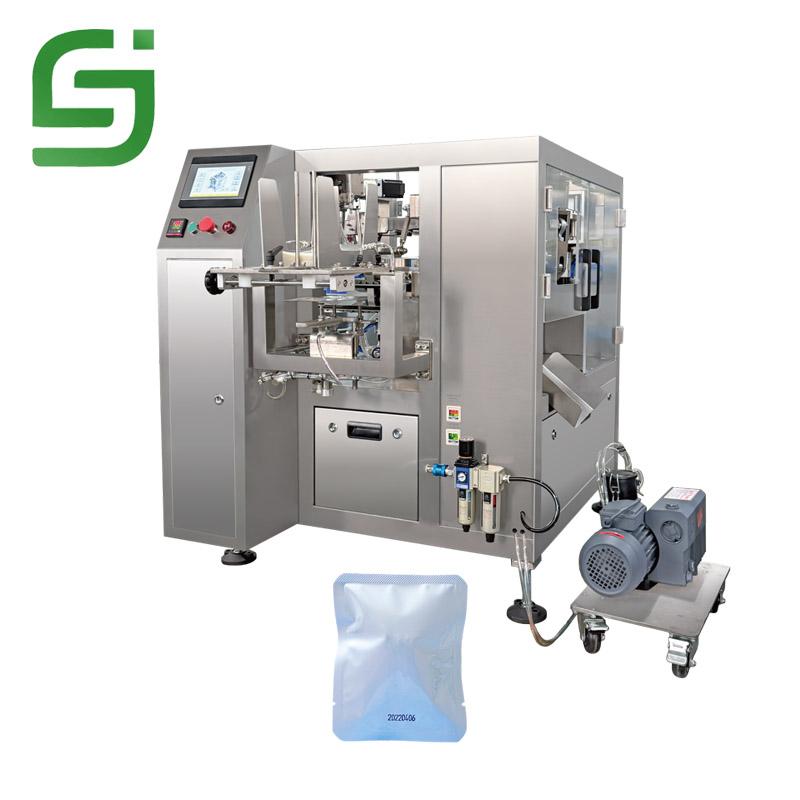
Separate the pouch-handling requirements before comparing machine layouts. A zipper doypack needs controlled mouth opening and zipper clearance, while a spout pouch adds orientation, fitment protection, cap or closure handling, and different support around filling and sealing. Review the doypack packing machine page against this recorded scope.
Use production pouches and product: Record dimensions, construction, zipper or spout supplier, spout location and angle, cap, seal area, surface stiffness, and stack orientation. Test the actual powder, granule, sauce, paste, or liquid at its relevant condition. Product viscosity, particles, foam, temperature, and target affect filler choice, dripping, headspace, contamination, and cleanup.
Map top seals, zipper transitions, gusset corners, spout welds, caps, liners, and any secondary closure. Use material-specific temperature, pressure, dwell, speed, and cooling evidence, then retain failures from startup and stable production.
Challenge handling and detection: Observe pickup, opening, holding, fill permission, no-bag-no-fill response, misoriented pouch, poor opening, low caps where applicable, and restart. Retain rejected pouches and identify whether the source is pouch manufacture, storage, feeding, product, adjustment, or machine handling. A steady demonstration with selected pouches does not establish normal lot performance.
Challenge pouch pickup, opening, missing or mispositioned pouches, product cutoff, drip, closure, reject isolation, downstream support, and restart. Each fault should produce a known machine response and keep doubtful output away from released packs.
Configuration approval is tied to the commercial pouch drawing, magazine presentation, opening method, product and nozzle, headspace, zipper or spout geometry, closure checks, reject path, and retained samples. Any geometry or supplier change must be reviewed against the affected station.
Format review: Compare the exact pouch, product path, closure, and leak map. Both may be premade stand-up pouches, but their handling and containment interfaces are not interchangeable.
Review downstream and consumer handling: Test whether filled pouches remain upright or supported through cooling, coding, check equipment, collection, and packing. Exercise zipper reclosure or spout opening and closing according to the product team's method. A pouch can leave the sealing station without an immediate leak yet fail after cap handling, carton compression, repeated closure, or a normal drop.
Map every containment path: Inspect top seals, zipper transitions, gusset corners, spout weld area, cap or closure, and any product-contaminated surface. Use an agreed leak, seal, torque, handling, or drop method suitable for the finished pack. Label failure location and trial phase. Raising heat cannot correct a damaged spout weld, loose cap, distorted mouth, or product trapped in the interface.
Treat the formats as different interfaces: A zipper Doypack needs reliable pouch pickup, mouth and zipper opening, product entry below a clean top-seal band, optional zipper reclosure, and final top sealing. A spout pouch adds spout geometry, pouch orientation, filling through the mouth or spout depending on design, cap or closure handling, torque or placement checks, and leak paths around the fitment.
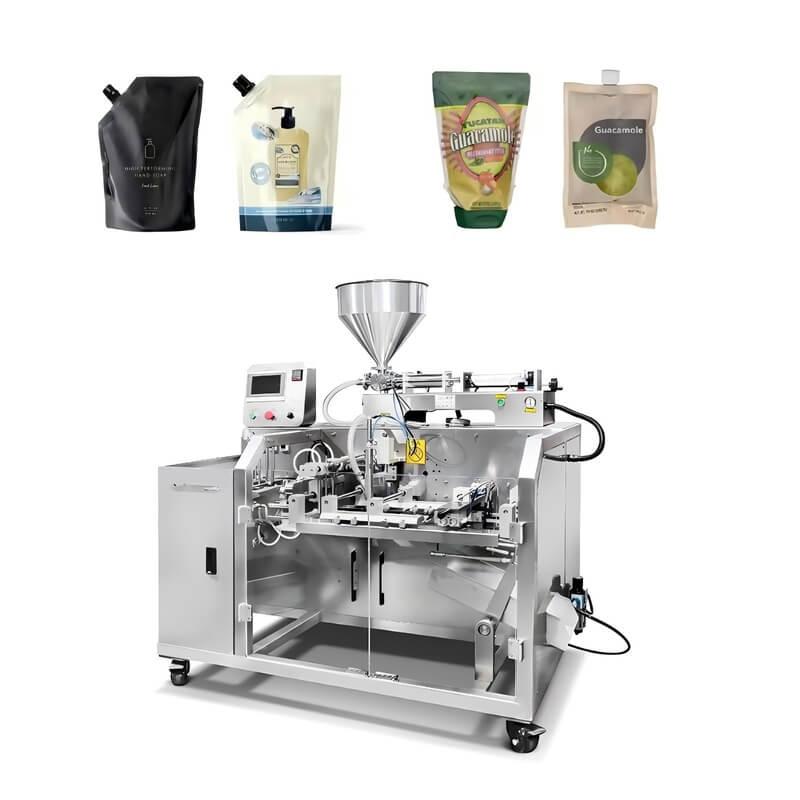
The technical agreement should include separate pouch drawings and trials for zipper and spout formats. For zipper bags, verify magazine loading, opening under the zipper, product clearance, zipper reclosure, top-seal cleanliness, and reject behavior when a pouch is not opened correctly. For spout pouches, confirm spout position, pouch stiffness, gripper contact, filling-nozzle clearance, drip control, cleaning, cap or seal boundary, and the maximum product viscosity or particle condition included in the test. Record whether one base machine changes between formats through recipes, gripper adjustment, dedicated stations, or replacement parts, and time the complete conversion with normal operators. The quoted line boundary should identify every feeder, pump, hopper, nozzle, coder, conveyor, inspection device, and discharge arrangement. Retain accepted samples from startup and sustained running for each format. A shared machine platform is valuable only when both pouch paths are demonstrated within the required quality, output, cleaning, and changeover limits.
Time the full conversion with normal operators: product emptying, cleaning, pouch magazine or guide changes, gripper adjustment, filler or nozzle parts, recipes, tools, loose components, first-off rejects, and first acceptable output.
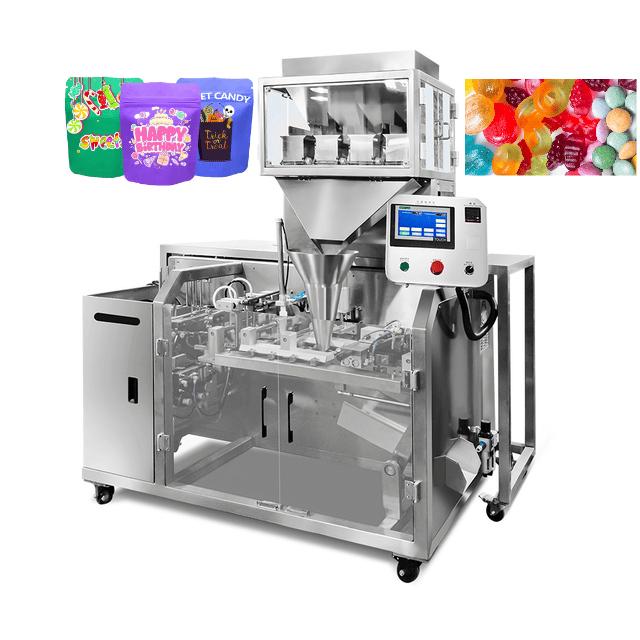
Compare total configuration: List filler, hopper or tank, pump or feeder, pouch magazine, opening devices, spout/cap system, coder, discharge, cleaning, utilities, change parts, and acceptance method. If one machine is claimed to convert between formats, time the conversion and produce accepted samples for both. Lock only the functions and pouch designs actually demonstrated.
Approve a format matrix naming every tested pouch and product, installed modules, change parts, settings, accepted output, seal evidence, cleaning route, limitations, and quotation boundary. Mechanical fit alone does not prove fill, closure, and release performance.
Can the same premade pouch machine run zipper and spout pouches? Some platforms may convert, but the pouch path, filling, spout or cap handling, tooling, controls, and acceptance evidence must be demonstrated for both formats.
Can a spout pouch be filled through the open top? Some pouch and machine designs use top filling before final sealing, while others fill through a spout. The exact commercial design and closure sequence determine the equipment.
What commonly causes zipper-pouch seal failure? Product or dust in the top-seal band, wrinkles, zipper transition geometry, pouch variation, heat, pressure, cooling, or handling can contribute.
What additional checks apply to spout pouches? Inspect fitment position and weld area, pouch orientation, filling contamination, cap presence and closure condition, and leak paths around the spout system.
What should a format-conversion test record? List removed and installed parts, tools, settings, time, cleaning, rejected output, operator actions, and the first released samples for the second pouch.
Zipper Doypacks and spout pouches require different package handling, filling, closure, and leak-control evidence. Selection must follow the exact pouch architecture and product rather than the broad premade-pouch label.
Test commercial pouches through representative phases and lock the filler, handling devices, closure system, settings, change parts, and accepted samples. Multi-format flexibility is valid only when the conversion is demonstrated.

YISEN MACHINERY - The ONE-STOP VFFS PACKING MACHINE SOLUTION SUPPLIER
 Tel: +8617350750975
 Email: info@vffspackingmachinery.com
 MP/WhatsApp: +8617350750975
 Manufacturer Address:Meixi Road, Tongan District, Xiamen,Fujian,China