

Hot Keyword:
Author:YISEN Pouch Packing Machine Manufacturer TIME:2026-09-04
A tea bag machine sample test should reduce a named purchase risk before configuration approval. Send representative tea and packaging materials, freeze the trial scope, observe setup and rejected output, collect phase-based samples, and issue a controlled report that states what passed, what failed, and what remains untested.
Write the decision the trial must support before shipping samples. Screening a filler, approving mesh, confirming a tag or envelope, establishing output, and closing a purchase acceptance item require different material quantities, run phases, measurements, and evidence. One demonstration cannot answer every question.
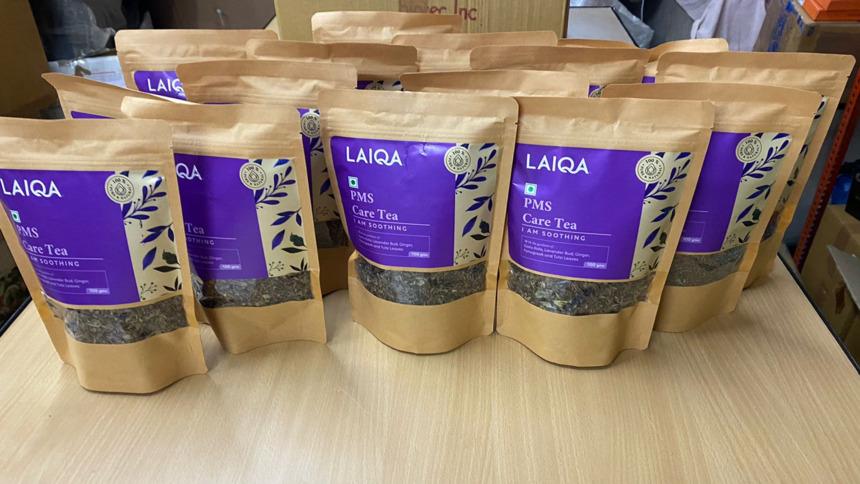
Write the test question before sending material: Decide whether the trial is screening a machine concept, selecting a filler, approving filter paper or mesh, confirming thread and tag, testing an outer envelope, establishing output, or closing a purchase acceptance item. One short demonstration cannot answer every question. State the intended tea products, target fill, bag and envelope dimensions, coding, acceptable defects, sample quantity, and evidence needed for the next decision.
Prepare traceable dossiers for tea and packaging materials. Record tea particle range, dust, stems or flowers, bulk density, moisture condition, fragility, and normal variation, plus filter paper or mesh, thread, tags, envelope film, dimensions, lots, and storage condition.
| Test phase | What becomes visible | Evidence |
|---|---|---|
| Setup | Threading, adjustments, setup waste, and first release | Settings, rejected pieces, time, and first accepted sample |
| Stable run | Dose, shape, seal, tag, envelope, and intervention | Distributed measured and visual samples |
| Refill | Tea flow, segregation, dust, and recovery | Before/after samples and operator action |
| Stop/restart | Temperature, registration, feeding, and output isolation | Restart rejects and first released sample |
| Changeover | Cleaning, parts, recipes, and second-product release | Time, residue check, and accepted output |
Sample-test terminology: A test scope states the decision and functions under review. A trial phase identifies when output was collected. A retained sample connects material and machine conditions to a visible result. An open action marks evidence still required before approval.
Control sample custody: Give every tea and packaging-material lot a simple identifier before dispatch. Photograph sealed sample containers, record quantity and condition, and ask the supplier to confirm receipt and any storage issue. During the test, link replenishment and retained output to those identifiers. This prevents a report from referring only to "customer tea" when several blends, mesh rolls, tags, or envelope films were present.
Send variation, not only the easiest lot: Label tea samples with particle range, dust, stems or flowers, bulk density, moisture condition, fragility, aroma or cross-contact concern, and any seasonal difference known to the buyer. Include commercial filter paper, mesh, thread, tags, and envelope film, or document which substitutes the supplier will use. Provide enough material for setup, stable operation, replenishment, restart, retained pieces, and cleaning.
Freeze the tested machine revision, filler, forming set, material path, seal tools, options, recipes, target dose, bag dimensions, code, speed condition, and inspection method. If any item changes during the trial, identify the reason and separate samples before and after the change.
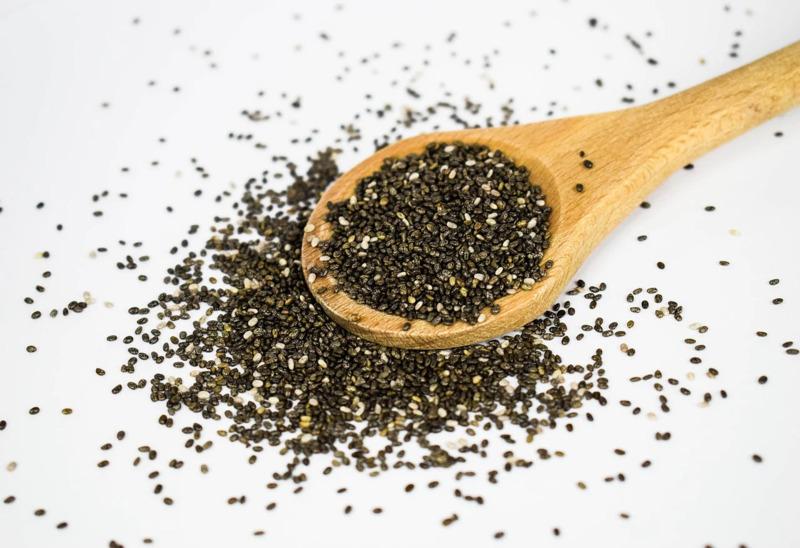
Record configuration changes during the trial: If the supplier changes an auger, cup, forming set, guide, sealing tool, paper path, software parameter, or packaging material, note the reason and the exact samples produced before and after. Update the quotation and technical agreement when that change becomes part of the accepted solution. Otherwise the buyer may approve output from a setup that is absent from the ordered machine.
Run setup, adjustment, released stable production, replenishment, a normal stop, and restart. Record material threading, setup waste, alarms, manual intervention, rejected bags, and time to first accepted output. These phases reveal risks hidden by a short edited run.
| Report section | Must identify | Decision use |
|---|---|---|
| Scope | Question, machine, filler, format, options, and exclusions | Prevents the trial from proving untested functions |
| Inputs | Tea and packaging specifications, lots, and substitutes | Defines what was actually demonstrated |
| Method | Phases, speed, settings, samples, measurements, and reject rules | Makes evidence reproducible |
| Result | Accepted, failed, unresolved, owner, and date | Supports configuration freeze or next test |
Relate the proposed configuration to the tea bag packaging machine options and include only the filler, format, tag, envelope, coding, and discharge functions active in the sample report.
Make hidden work visible: Record material threading, setup time, rejected bags, manual product movement, adjustments, alarm recovery, and the point at which output is formally released. Collect samples across the run and identify them by phase. A final tray of attractive tea bags does not reveal whether the filler bridged, whether tags required repeated correction, or how many envelopes were discarded before registration stabilized.
Collect consecutive measurements and labeled bags across the defined phases. Inspect dose, bag dimensions, formation, seals, cuts, thread, tag, envelope, code, and presentation as applicable. Use agreed instruments, sample counts, conditioning, defect codes, and pass limits.
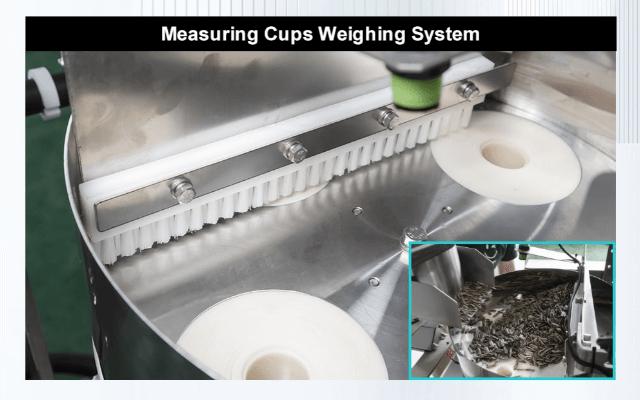
Agree on sampling before the machine runs: Define how many doses or bags are collected, at what interval, during which phases, and how rejected setup pieces are handled. State the scale or test equipment, conditioning time where relevant, and who witnesses the result. Do not change the sample selection after seeing the numbers unless the report preserves the original group and explains the reason for another run.
Retain rejected pieces as evidence, not embarrassment. Link each sample to material lot, settings, time, test phase, and operator action. Failed pieces often show whether uncertainty came from tea flow, packaging material, setup, machine handling, or an unapproved configuration change.
Trial review: A useful test shows adjustments, rejects, interventions, and recovery alongside accepted bags. The method and boundary matter more than a polished demonstration video.
Include a representative product and package change when flexibility affects the purchase. Observe emptying, cleaning, contact-part work, material replacement, recipe selection, setup loss, and first-piece release. Make remote trials auditable with continuous views of critical transitions and labeled close evidence.
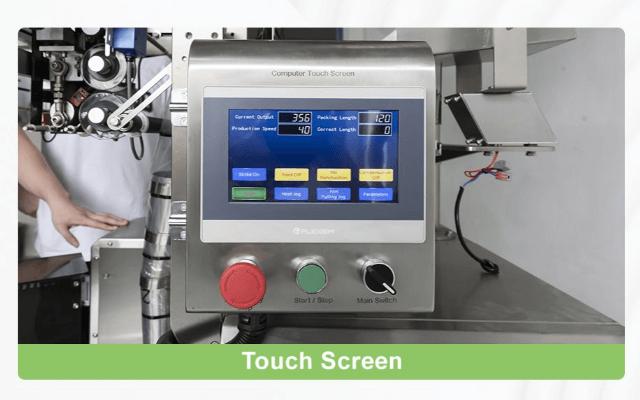
Make remote testing auditable: When the buyer cannot attend, request one continuous view for key transitions plus close images of settings, materials, measurements, and labeled output. The supplier should announce the sample identifiers and test phase rather than presenting an edited collection with no sequence. A remote method can provide strong evidence when the run plan and files are controlled, although destination-site checks remain necessary.
Issue a controlled report with requirements marked passed, failed, not tested, or pending. Attach settings, measurements, counters, photos, sample index, configuration changes, limitations, owners, and closure dates. Reuse the approved baseline during FAT and destination commissioning without extending it to untested products.
Reference that index in future FAT planning and destination commissioning records.
Archive the signed result beside the controlled machine configuration and retained sample index for later acceptance review.
Close the test meeting: Review each requirement as passed, failed, not tested, or pending. Assign the pending evidence and date, identify which samples the buyer will receive, and freeze the version of the quotation that reflects the demonstrated setup. Do not use informal chat approval to replace the controlled report.
Use the result after the order: Store the report with the technical agreement and use its samples and settings during FAT and destination commissioning. When local materials or tea grades differ, compare them with the approved baseline and repeat the affected checks. A sample test is valuable because it reduces uncertainty while changes are still easier to manage, not because it guarantees every future product will run without verification.
Convert the trial into a controlled record: The report should identify the machine and installed options, materials and lots, settings, speed condition, sampling method, individual or summarized measurements, defect categories, accepted and rejected samples, unresolved actions, and responsible signatories. Separate demonstrated capability from assumptions awaiting another test. This prevents sales photographs from being treated as approval of an untested production configuration.
Sample coverage note: Send enough tea and packaging material for setup, adjustment, stable running, replenishment, restart, retained samples, and cleaning. The sample set should include the normal tea grade plus meaningful variation in dust, leaf size, stems, flowers, bulk density, moisture condition, and fragility. Use the intended filter paper or mesh, thread, tag, and envelope film instead of treating supplier substitutes as final proof. During the trial, label each material lot and connect finished samples to machine settings and inspection results. Record rejected bags and operator interventions as well as accepted output. This gives the buyer evidence about the actual operating window and makes later changes easier to investigate than a short video showing only selected finished tea bags.
How much tea is needed for a machine sample test? The amount depends on the filler, target, and test scope. It should support setup, stable running, refill, stop and restart, measurement, retained samples, and cleaning without substituting unrelated material midway.
Can the supplier test with a similar tea? A substitute may support early screening if its differences are documented. Final configuration approval should use the buyer's representative tea and packaging materials whenever their behavior affects feeding or sealing.
What samples should the buyer receive? Request labeled accepted and rejected pieces from key phases, plus photographs or video, settings, measurements, material identification, and the written trial conclusion.
Does one successful product prove the full tea range? No. Products with different dust, density, leaf size, fragility, or flow may need separate rows in the test matrix and possibly different filler parts or settings.
What should happen when the sample result is uncertain? Keep the issue open, identify the missing evidence, assign another controlled trial or clarification, and avoid freezing the affected configuration until the decision boundary is resolved.
Sample testing connects a proposed tea bag packing machine to the buyer's actual tea, materials, format, and acceptance method. Its value comes from representative inputs, visible setup and rejects, phase-based samples, and a controlled report.
Use the evidence to freeze the configuration and to create a baseline for FAT and commissioning. Clearly mark untested products or options so a successful trial is not stretched beyond what it demonstrated.

YISEN MACHINERY - The ONE-STOP VFFS PACKING MACHINE SOLUTION SUPPLIER
 Tel: +8617350750975
 Email: info@vffspackingmachinery.com
 MP/WhatsApp: +8617350750975
 Manufacturer Address:Meixi Road, Tongan District, Xiamen,Fujian,China