

Hot Keyword:
Author:YISEN Pouch Packing Machine Manufacturer TIME:2026-09-30
Plan batch traceability on a tea bag production machine by linking every released pack to the tea lot, packaging-material lots, machine recipe, code result, quality checks, rejects, and responsible shift. Define this record path before ordering interfaces or software so the line supports the factory's actual release and recall process.
Traceability is not created by adding a printer alone. A useful system connects physical materials, machine events, inspection evidence, and finished-carton identity without asking operators to reconstruct the run from memory. Buyers should first define the smallest traceable unit, the data that must follow it, and the actions required when one input or inspection result is uncertain.
Map one real production order from material receipt to finished-goods release. Name the tea, filter web, thread, tag, envelope, coding consumables, carton, recipe, operators, inspection tools, reject containers, and downstream records used in that order. Mark where identity can be lost, such as partial rolls, refill bins, hand-written adjustments, reworked packs, or mixed cartons. Then decide which links belong in machine controls, which belong in the plant production system, and which remain controlled paper or electronic checks. The machine supplier should confirm available signals and interfaces, while the buyer owns data definitions, access, retention, and release authority.
Use a witnessed traceability exercise during acceptance. Start with identified material lots, introduce a planned refill, record a normal stop and restart, isolate a known reject group, and reconcile accepted output with packed cartons. The exercise should show that staff can retrieve the relevant recipe, material identities, code samples, inspection results, alarm or stop notes, and disposition without changing historical data. Any missing interface or manual transfer should remain an open action with an owner and repeat-test condition.
Decide whether the controlled unit is a machine run, shift lot, recipe campaign, carton group, pallet, or another buyer-defined batch. The choice must match how tea and packaging materials are issued, how output is inspected, and how finished goods are released. A batch definition that is broader than the material or quality records creates gaps during investigation.
Draw the flow from identified input lots through staging, filling, forming, sealing, coding, inspection, accumulation, and secondary packing. Mark every split, merge, partial return, rework route, and manual transfer. Assign one controlled identifier and state exactly when a new identifier is required.
Retain the approved flow map, batch-number rule, examples of labels or records, responsible roles, and one completed test order. Include the handling of unused tea, partial rolls, loose tags, and isolated output.
The machine identifier should support the factory's batch rule; it should not silently redefine legal, customer, or quality obligations that belong to the buyer.
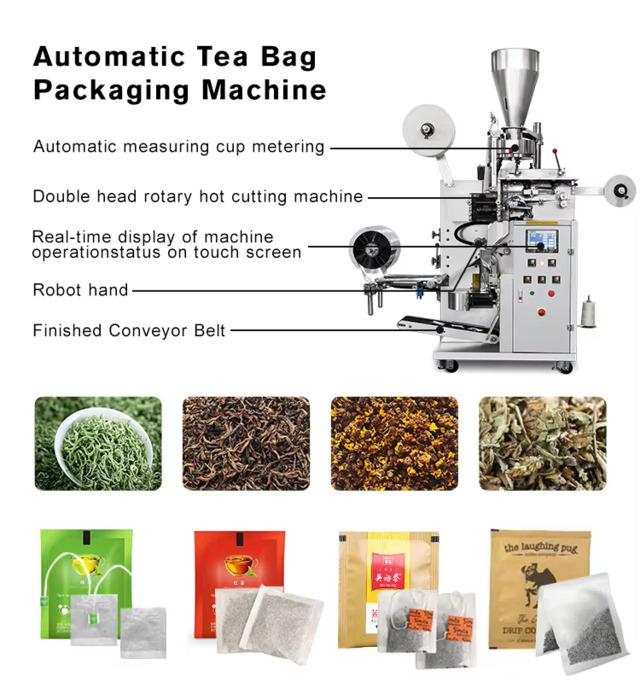
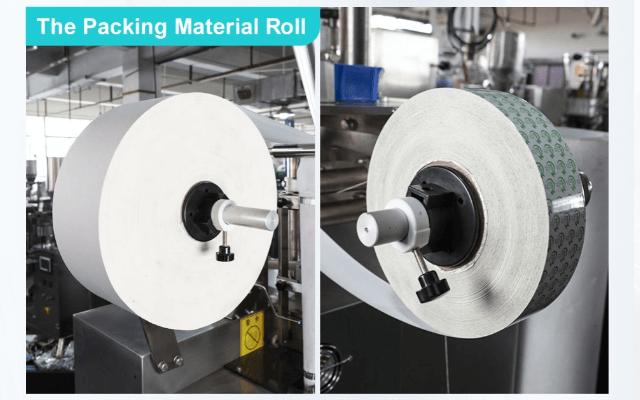
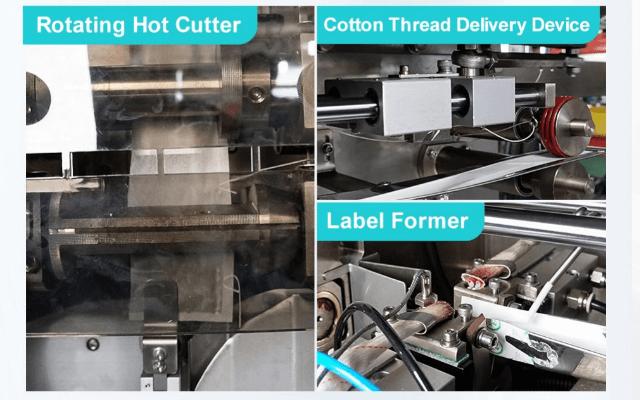
Traceability needs both material identity and operating context. Record the tea lot and the lots or controlled references for filter material, thread, tag, envelope, ink or ribbon, and cartons used during the run. Link them to the released machine recipe and the installed forming, filling, sealing, cutting, and coding configuration.
Create a line-clearance and material-loading check that identifies what entered each hopper, unwind, magazine, or printer. Require confirmation after refill or material change. Restrict recipe editing and distinguish a selected recipe from a temporary adjustment made during production.
Keep loading records, material labels, recipe version, critical settings, change-part identity, first accepted samples, and the person who released the setup. Photograph labels only when the image remains tied to the batch record.
Review the relevant tea bag production machine configuration as the equipment reference, then confirm which material and recipe fields the quoted controls can actually capture.
A stable middle segment does not explain the whole batch. Startup rejects, hopper refills, roll changes, tag replenishment, code changes, short stops, alarm recovery, and recipe restoration can alter output or mix identity. These events need time, reason, affected material, and output disposition.
Define event categories that operators can use consistently. Test the recording method during normal work rather than relying on free-text notes at the end of the shift. Where the machine exposes counters or alarms, agree which values are transferred automatically and which require an operator confirmation.
Retain event time, machine state, operator, material identity, counter range, samples where needed, correction, and first released output after recovery. Reconcile the sequence with material consumption and packed quantity.
Automatic event logging does not prove product disposition. The quality process must still decide whether output before, during, or after an interruption is accepted, inspected, held, or rejected.
The printed batch or date code is the visible link on the pack, but code content, readability, position, and correctness require independent control. A printer can produce a sharp but wrong code when the selected message, clock, artwork, or order data is incorrect.
Define code source, permitted edits, message approval, longest realistic content, print area, contrast, verification frequency, and response to a missing or unreadable mark. Challenge startup, consumable replacement, speed change, restart, and a deliberate incorrect-message scenario using the buyer's safe test method.
Keep approved message data, first and periodic code samples, verification result, printer or vision settings where applicable, rejected examples, and the correction record. Tie samples to the same batch identifier used for materials and recipe.
Do not claim a specific regulatory or customer code format without the buyer's confirmed requirement. The purchase specification should preserve configurable space and a controlled verification method.
| Decision area | Items to lock | Acceptance evidence |
|---|---|---|
| Input identity | Tea, filter web, thread, tag, envelope, coding and carton lots | Loading record linked to batch and recipe |
| Operating context | Recipe, change parts, critical settings, operators and events | Released setup plus time-stamped transition evidence |
| Output control | Code checks, quality samples, accepts, rejects and carton counts | Reconciliation with explained disposition |
| Record governance | Access, corrections, export, backup, retention and recovery | Retrieval and restore exercise with owners |
Traceability fails when machine counts are treated as finished saleable quantity. Separate produced cycles, accepted tea bags, rejected packs, samples, startup waste, rework where permitted, and cartons released. The reconciliation should expose unexplained differences rather than hiding them in one efficiency figure.
Define count points and ownership at machine discharge, inspection, accumulation, cartoning, and final release. Use identified reject containers and prevent rejected or uncertain packs from returning to good output without an approved route. Exercise a downstream stop so work-in-process remains controlled.
Retain starting and ending counters, accepted quantity, reject categories, sample quantity, destroyed or reworked disposition, carton counts, and signed variance review. Link the reconciliation to the material and event records.
Counter accuracy and reconciliation tolerance are buyer-owned acceptance rules. Demonstrate the available machine signals and then test the complete factory method under realistic handling.
A batch boundary is also a material boundary. Tea residue, packaging components, loose tags, old code messages, retained recipes, and partially packed cartons can carry the previous identity into the next order. Line clearance must cover physical product and information together.
Use a changeover checklist that closes the outgoing order, reconciles remaining inputs and output, removes or identifies residual materials, clears code and label components, selects the incoming recipe, and releases the first new packs. Define how partial rolls or ingredients return to controlled storage.
Keep outgoing reconciliation, cleaning and inspection result, returned-material labels, recipe transition, line-clearance approval, first rejected and first accepted incoming samples, and the time ownership changed to the next batch.
Cleaning access and machine recipes support the process, but the buyer's sanitation, allergen, aroma, and product-release rules determine the required verification.
Factory acceptance should prove the intended data and evidence path, not only machine motion. Destination commissioning should repeat the exercise with local staff, final systems, and actual release roles because interfaces, networks, printers, scanners, and work instructions may differ from the supplier's floor.
Prepare a traceability challenge with identified lots, recipe selection, code approval, refill, alarm or planned stop, rejected output, sample retention, carton reconciliation, and retrieval of the completed record. Time retrieval and note every manual transcription or unavailable field.
Retain the FAT protocol, raw records, screenshots or exports where permitted, code samples, retained packs, discrepancy list, interface versions, open actions, and the commissioning repeat result. Record substitute materials and system limitations explicitly.
A successful supplier demonstration does not close destination integration. Shipment approval should identify every field or interface that still requires site configuration and retest.
Traceability records need controlled access and durable retrieval. Define who may create batches, select or edit recipes, change code messages, correct records, release output, and review history. Preserve the original value and reason when a controlled correction is allowed.
Specify time synchronization, user roles, backup ownership, export format, storage location, restore testing, software and recipe revision records, and the buyer's retention period. Review what happens during network loss, printer failure, power interruption, or replacement of a control component.
Keep the access matrix, backup and restore test, version inventory, change approvals, training records, sample export, and recovery procedure. Include supplier support boundaries and the information needed for a reproducible service case.
No machine feature removes the buyer's responsibility for cybersecurity, privacy, record retention, validation, or market-specific compliance. Confirm these requirements with the appropriate internal specialists.
Is a date coder enough for batch traceability? No. The visible code must connect to material lots, recipe and configuration, quality evidence, events, rejects, and finished-output disposition.
Should every machine event create a new batch? Not necessarily. The buyer should define which refill, material change, stop, repair, recipe edit, or quality event changes batch identity or requires a controlled sub-record.
Can traceability remain partly manual? Yes, when responsibilities, forms, identifiers, checks, corrections, and retrieval are controlled. Automation should reduce transfer risk without creating unverified data gaps.
What should be tested during FAT? Test identified inputs, recipe release, coding, refill, stop and restart, reject isolation, quantity reconciliation, record retrieval, exports, user roles, and open destination interfaces.
Who decides record-retention time? The buyer should set retention from applicable business, customer, quality, and market requirements. The machine supplier should state available storage and export capabilities.
Batch traceability on a tea bag production machine should connect material identity, released recipes, operating events, code verification, quality evidence, rejects, and packed output in one retrievable chain. Define the buyer-owned batch rule first, test the complete record path during FAT and commissioning, and preserve access, correction, backup, and recovery controls. Approve only the interfaces and evidence that the supplied configuration can demonstrate.

YISEN MACHINERY - The ONE-STOP VFFS PACKING MACHINE SOLUTION SUPPLIER
 Tel: +8617350750975
 Email: info@vffspackingmachinery.com
 MP/WhatsApp: +8617350750975
 Manufacturer Address:Meixi Road, Tongan District, Xiamen,Fujian,China