

Hot Keyword:
Author:YISEN Pouch Packing Machine Manufacturer TIME:2026-10-18
Require approval when a proposed change exceeds a qualified adjustment window, introduces an unqualified material or format, or alters the machine's engineering basis. For a Tea Bag Manufacturing Machine, purchase a four-class decision matrix: approved recipe selection, bounded adjustment, material or format qualification, and engineering change. Each class needs a different decision owner and different evidence; screen access alone cannot determine authority.
Selecting an existing recipe is the lowest change class only when the production requirement remains inside its approved application. The selection must refer to the same tea specification, intended dose, filter specification, bag geometry, fitted parts and applicable attachments. A familiar product name is insufficient if one of those conditions has changed. The buyer should receive an application sheet beside each released recipe so the shift can establish whether selection is actually allowed.
For example, two orders may use the same commercial tea name while specifying different leaf cuts. If both cuts were included in the qualification, choosing the corresponding released recipe can remain ordinary selection. If the second cut was never assessed, the unchanged name does not make the change routine. Likewise, loading an existing round-bag recipe onto a different tooling arrangement is not selection merely because the screen accepts it. Production authorizes the choice within the stated application; an uncertain match goes to the qualification owner.
A bounded adjustment changes an allowed operating value while preserving the recipe's qualified purpose. The purchase specification should identify the display name, parameter unit, permitted interval, applicable conditions and whether another value must stay linked. Where a screen uses a scale or index rather than a physical unit, obtain its meaning from the supplier. Do not invent degrees, milliseconds or millimetres for an unlabeled number. A general machine range is not automatically the operator's permitted window.
Specify which movements the trained operator may make without a new approval and which require the process owner. The permission should follow demonstrated process tolerance, not the size of a button or the availability of an edit field. If a correction would leave that window, changing a second value to make the pack look acceptable does not restore ordinary authority. Stop treating it as bounded adjustment and classify the proposal before further production use.
The classification matrix is a purchase deliverable that the buyer and supplier complete together. The assignments below are proposed responsibilities, not a claim about built-in machine roles. Name the actual plant decision owner for each row and record who confirms the classification when a proposal crosses classes.
| Change class | Authority to agree | Evidence needed for the decision |
|---|---|---|
| Approved recipe selection | Production role permitted to select | Order matches the recipe application and fitted configuration |
| Bounded normal adjustment | Trained operator within delegated limits; process owner defines them | Named value, unit, qualified window and linked conditions remain valid |
| New material or format qualification | Process and quality owners; OEM confirms machine suitability | Change-specific trial establishes the new application and its operating window |
| Engineering change | Designated engineering owner with OEM or authorized service involvement | Technical assessment of the changed configuration and required acceptance scope |
The person implementing a setting and the person approving its class may be different. Assign one owner to record the classification, proposed values, supporting evidence and resulting decision. A signed sheet can provide this record if the controls cannot; an automatic history is useful only where its availability and coverage have been demonstrated.
Material or format qualification begins when the proposed application lacks evidence within the existing recipe domain. A filter grade with different behaviour, a new tea blend, a different bag geometry or an attachment arrangement not previously accepted can enter this class even if all visible settings remain unchanged. Conversely, a different supplier name need not automatically force full qualification if the agreed specification, variation and substitution policy already cover that source. The matrix must state how that decision is made.
Choose the trial around the changed function. A dosing-related proposal needs evidence about the new tea's delivery; a filter change needs evidence about the relevant forming, closing and cutting behaviour. Process and quality owners agree whether the application can become a released recipe, while the OEM confirms its suitability for the fitted configuration. If new hardware or a change beyond the approved machine basis is necessary, qualification alone cannot authorize it.
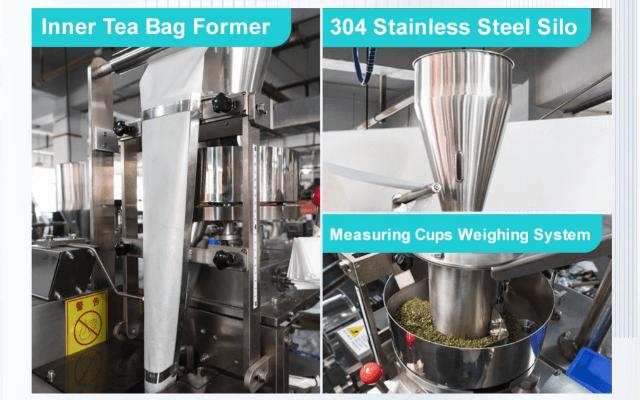
Engineering change concerns the machine basis rather than a routine correction inside a qualified application. Examples to classify with the supplier include new change parts, altered motion relationships, modified control logic or an operating proposal outside the approved parameter domain. These are requests for technical assessment, not instructions to modify the machine. Settings identified by the OEM as service-only remain under the named service authority even when an operator can see their values.
A brochure maximum does not authorize expanding a released process window. A proposed setting might fall within an advertised machine range yet lack qualification for the selected filter, tea and format. The engineering owner and OEM must decide whether it is a new process application within existing hardware or a change to the configuration itself. Specify their deliverable: the affected functions, necessary technical review, acceptance scope and conditions for returning the machine to production. A supervisor's permission to try harder is not that assessment.
Duration does not determine the class. A temporary edit outside an approved window still needs escalation, while a permanent update to an approved recipe needs the appropriate owner even if its values remain familiar. Separate a permitted live adjustment from rewriting the released reference. Repeated corrections also deserve review when they continually reach the boundary: the pattern may indicate that the material condition or original qualification no longer represents normal production.
Coupled settings need a joint boundary. Two values individually within their intervals may form a combination that was never qualified. Define permitted combinations or dependencies where the supplier identifies an interaction. An attachment change can also affect classification without changing dose or bag dimensions. If thread or tag behaviour differs, the unchanged dosing recipe cannot decide whether the complete pack remains inside its application. Where classification is unclear, the process owner records the uncertainty and obtains the relevant qualification or engineering decision.
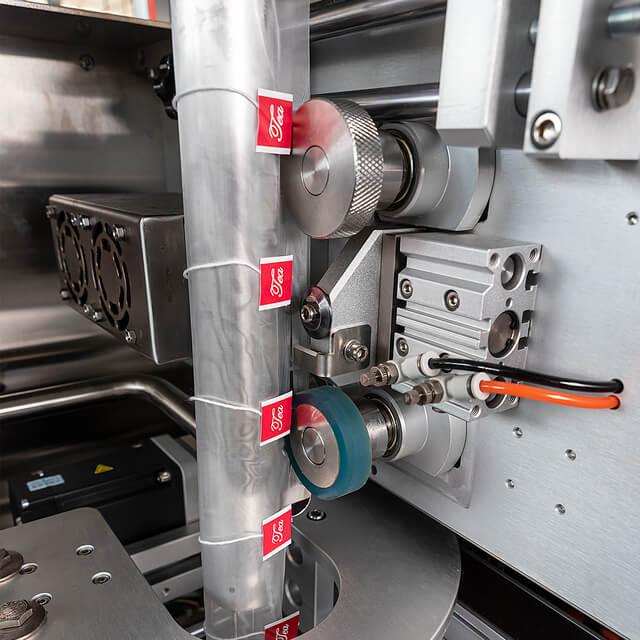
Ask for a controlled demonstration using a test recipe and the ordinary production, process and service roles proposed for delivery. The OEM chooses a safe demonstration method; no credential details belong in acceptance material. Present four requests: select a matching released application, make an allowed adjustment, propose an unqualified material or format, and request a change reserved for engineering. The witness should see how each request receives its distinct authority and evidence requirement, whether the controls enforce it or the plant workflow supplies the decision.
Compare the test recipe's starting and proposed versions before production use. Agree the display names and units, identify every changed value, and check whether linked values or application conditions change the class. Read-only access to a service field is not edit authority. If approval, role restrictions, recipe comparison or event history are quoted features, demonstrate their actual scope. If they are absent, describe the resulting manual boundary honestly rather than accepting a generic promise of recipe security.
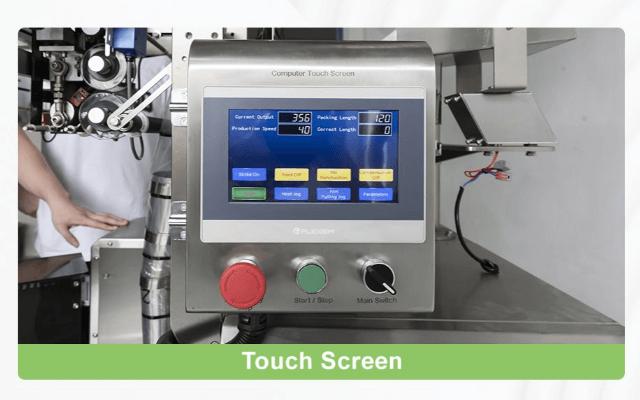
Without built-in approval functions, the buyer still needs a classification process that works during an ordinary shift. Supply a controlled matrix and application sheets at the point of decision. Production identifies a proposed change, checks the class and contacts the named owner if delegated adjustment does not cover it. That owner records the evidence and disposition. A change remains unapproved while the classification or required technical assessment is unresolved; urgency does not enlarge the operator window.
Agree whether this process meets the buyer's staffing and production needs before purchase. A plant requiring enforced role restrictions should include them as demonstrated purchase requirements or choose another arrangement. A paper authorization cannot be described as software prevention. Compare candidate configurations through the tea bag equipment range, then request the four-class matrix for the actual offered machine. Acceptance should establish who owns the boundary between an ordinary correction, a new application and an engineering change.
Does selecting a stored recipe always count as an approved selection?Only if its application covers the current tea, packaging specification, format and configuration. A stored name is a reference, not evidence that a new requirement was qualified. Missing coverage moves the request to the appropriate decision owner.
Can two individually permitted adjustments become a higher change class?Yes. Their combined effect may fall outside the qualified combinations even when each displayed number is within its interval. The adjustment permission must include any required relationship between them.
Does a temporary setting avoid qualification approval?No. Classify its effect and boundary, not its planned duration. A temporary request outside the accepted window needs the same class decision as an equivalent lasting request; returning later does not authorize it now.
Is every new filter supplier an engineering change?No. A source already covered by the approved material specification and substitution policy may remain within the existing application. An uncovered change needs qualification review; engineering involvement becomes necessary when the machine basis must change.
What if one employee holds both process and engineering responsibilities?The same person can own both roles if the buyer assigns them, but the evidence requirements remain separate. A bounded correction, new application and technical modification should not become interchangeable simply because their approver is the same.
Buy a classification boundary that your team can apply to a real request. Approved selection needs application coverage; ordinary adjustment needs a qualified window; new material or format needs a qualification decision; engineering change needs technical assessment. Have the supplier demonstrate borderline cases using a test recipe, agreed parameter meanings and normal roles. The resulting matrix tells production when it can act and when a different owner must decide, regardless of whether approval functions are built into the controls.

YISEN MACHINERY - The ONE-STOP VFFS PACKING MACHINE SOLUTION SUPPLIER
 Tel: +8617350750975
 Email: info@vffspackingmachinery.com
 MP/WhatsApp: +8617350750975
 Manufacturer Address:Meixi Road, Tongan District, Xiamen,Fujian,China