

Hot Keyword:
Author:YISEN Pouch Packing Machine Manufacturer TIME:2024-10-09
Buyers should define whether they need a narrow stick, a wider four-side-seal sachet, or another supported format before comparing models. They should then test the complete lane set with production material and realistic operating events. This prevents an empty-film speed or total lane count from being mistaken for saleable output.
Choose a sachet or stick pack machine by matching the product, dose, sealed packet dimensions, film structure, lane arrangement, and cleaning boundary. The narrow package is only the visible result; stable dosing and repeatable seals across every lane determine whether the line produces acceptable units.
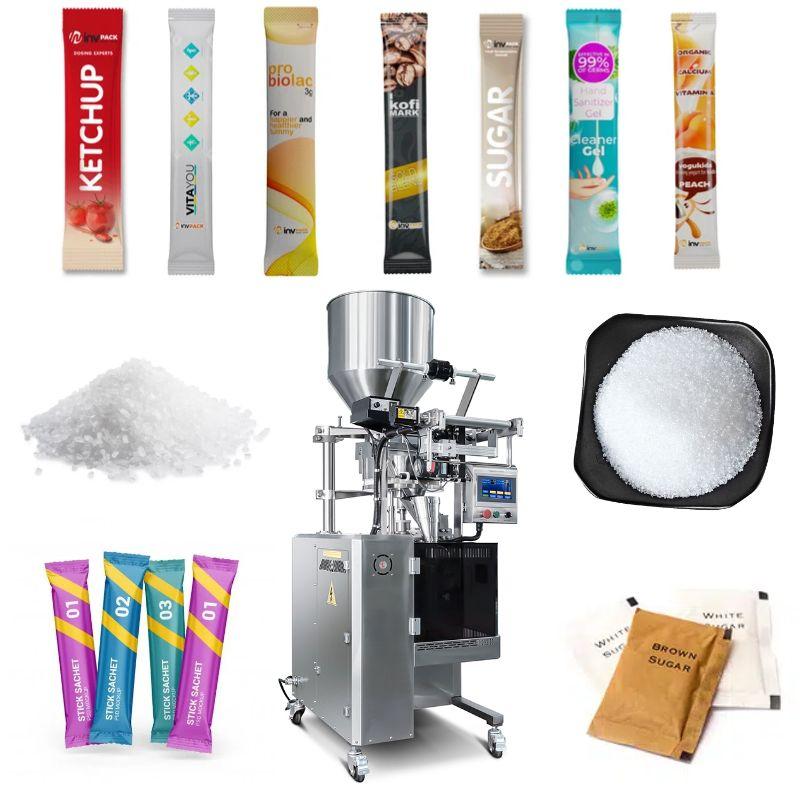
A stick pack is typically a narrow elongated package, while a sachet may provide more width for the product, artwork, opening feature, or instructions. The buyer should specify net content, packet shape, tear behavior, seal bands, code location, display orientation, secondary carton arrangement, and how the consumer empties the product. These requirements influence film width, lane pitch, cut arrangement, and available filling clearance. Request samples made from the intended construction rather than approving format from a drawing alone.
Product and package must be evaluated together. A fine powder may leave a narrow stick cleanly, while a bulky granule may bridge or require a wider outlet. A viscous liquid may need enough internal width to fill without wetting the seals. The machine supplier should state the supported geometry and any limits on notch, perforation, connected strips, or shaped cutting. Unspecified features should remain outside the purchase scope until demonstrated.
Small doses magnify product and measurement effects. Record powder bulk density and aeration, granule size and flow, or liquid viscosity, temperature, splash, and cutoff. Include suspended particles where relevant. Specify the lowest, highest, and most frequently produced dose and the method used to verify it. Package tare, sampling technique, scale resolution, and product loss at startup should be understood before deciding whether observed variation belongs to the filler.
Supply conditions also matter. Hopper level, refill pulses, long pauses, and air in a liquid line can disturb several lanes at once. Ask how product is distributed across the machine and how an unavailable lane is handled. Run representative material at normal supply levels. A hand-fed short test can hide bridging, segregation, foaming, or temperature change that appears during a production campaign.
More lanes can increase total potential output, but they also widen the forming, filling, sealing, cutting, and inspection task. Packet width determines how many lanes fit across the web and whether the dosing outlet has adequate clearance. Machine width influences floor space, film-roll handling, operator reach, cleaning access, and downstream collection. Select lane count from required accepted output and practical service conditions, not from the largest number available.
Consider what happens after cutting. Individual sticks may need counting, collation, cartoning, or conveying without losing orientation. Connected strips require controlled perforation and tear performance. Rejecting one faulty lane can be difficult if packets merge immediately. The downstream concept should therefore be included in layout and acceptance trials, with responsibility for counting accuracy and reject disposition clearly assigned.
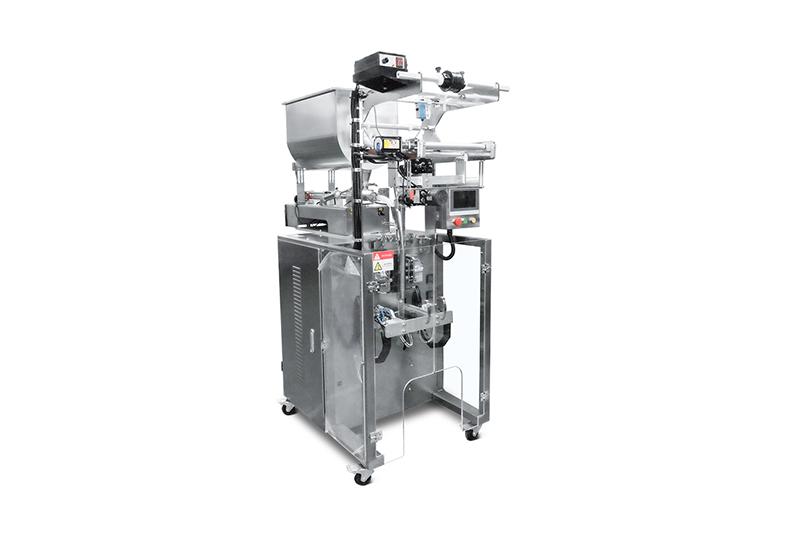
Film structure, thickness, stiffness, friction, sealant, print repeat, and registration marks affect web handling. The machine splits or forms lanes, guides material, creates longitudinal seals, doses product, and makes cross seals before cutting. Small alignment errors can create visibly different seal widths from one side to the other. Test production rolls and planned splices, and record tension and registration recipes tied to the material code.
Seal settings must be developed across the machine width with the approved film. Inspect heat, pressure, dwell, alignment, contamination, wrinkles, and cut position by lane. A central temperature display does not prove identical finished seals everywhere. Coding should remain legible and properly placed on each packet. The buyer's selected integrity method and sampling plan define release; appearance alone is not sufficient evidence.
Augers, volumetric devices, pumps, pistons, or other dosing principles may be proposed depending on product. The number of lanes changes distribution complexity and cleaning work. A common drive can create linked behavior, while lane-specific components may support adjustment but add parts. Ask the supplier to explain how product reaches each outlet, how cutoff is controlled, and which components change with dose or product.
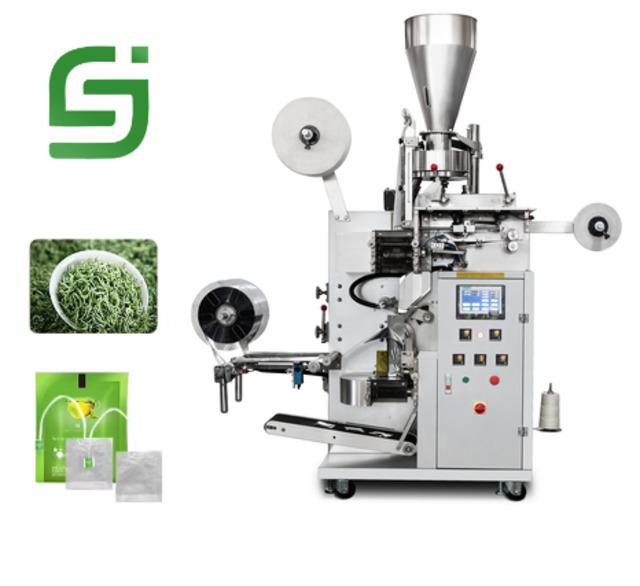
Collect results by lane and sequence. Averaging all packets can hide one persistent high or low position. Annotate refill, stop, restart, and any adjustment. Observe dust, drips, strings, or granules near sealing surfaces. The sachet stick packing machine category is a starting point; the installed doser and lane distribution must be approved with actual samples.
A robust quality plan identifies each lane in samples and faults. Check packet weight or volume, seal geometry, leakage criteria, cut, notch, code, length, and appearance. Sample startup, stable operation, material splice, stop, and restart. If one lane fails, determine whether its product feed, forming guide, seal pressure, temperature transfer, cutter, or sensor differs. Adjusting the whole machine for a local defect can move acceptable lanes away from their settings.
Useful output is the count of accepted packets after lane losses and downstream rejects. Record interventions and time spent replenishing film or product. A high empty-web rate does not represent production if filling, inspection, or cartoning cannot keep pace. Agree on what happens to packets around an alarm and how the first units after restart are released.
Witness film removal, product recovery, dosing-part disassembly, cleaning, inspection, reassembly, new-roll setup, code change, recipe selection, and first-off approval. Multi-lane parts can be numerous and easy to mix, so identification and storage matter. Check whether an operator can safely reach the center lanes and whether removed components require lifting support. A narrow packet does not mean a simple cleaning task.
For allergen, flavor, color, pharmaceutical, or hygiene-sensitive boundaries, the buyer's approved procedure controls acceptance. Avoid assuming that dry product always allows a quick wipe. Liquid circuits require drainage and inspection; fine powder can remain in manifolds and ledges. The complete elapsed transition should be included when calculating production capacity.
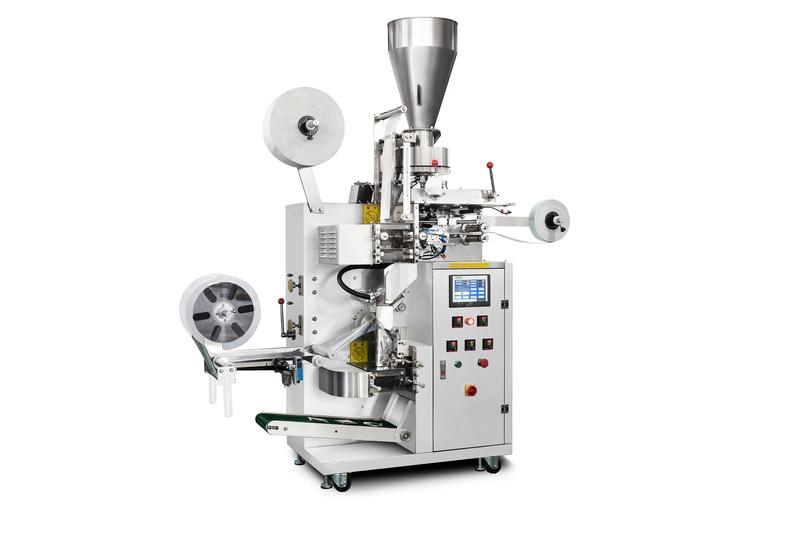
Issue the same packet drawings, products, film lots, dose range, and quality checks to each candidate. Identify untested combinations and require a clear parts-and-options list. The table keeps selection focused on whole-line evidence.
| Decision area | Evidence required | Failure hidden by a simple demo | Approval output |
|---|---|---|---|
| Format and film | Production rolls across boundary packet sizes | Registration drift, uneven seals, or poor cutting | Approved material and geometry list |
| Product distribution | Sequential results identified by lane | One biased lane concealed by the average | Doser configuration and operating range |
| Operating events | Refill, splice, stop, alarm, and restart samples | Uncontrolled packets around interruptions | Written recovery and release method |
| Changeover | Complete product and film transition | Uncounted cleaning or setup labor | Parts, task, and inspection checklist |
| Downstream handling | Counting, rejection, collation, or cartoning run | Accepted packets lost after machine discharge | Interface and responsibility drawing |
Normalize quotations for dosing equipment, lanes, coding, inspection, downstream handling, change parts, manuals, training, installation, and spares. Close every deviation with evidence or keep it excluded. A machine is suitable when the complete installed scope repeatedly produces packets that meet the buyer's written release criteria.
Is a stick pack always better for small doses? No. Product flow, consumer use, artwork, fill clearance, opening, and secondary packing determine whether a narrow stick or wider sachet is appropriate.
Does a higher lane count guarantee more output? It increases potential capacity, but product distribution, film handling, inspection, changeover, and downstream equipment determine accepted output.
Why should results be recorded by lane? Lane identity reveals local dosing, forming, sealing, or cutting variation that a combined average can hide.
Which film should be used for testing? Use production-intended construction and printing, including realistic roll and splice quality. Substitute film may seal or track differently.
What is the most useful acceptance event? A complete run that includes stable production plus refill, film splice, stop, restart, lane inspection, and downstream handling reveals much more than empty cycling.
Retain approved packets from every lane and label their product, film lot, recipe, and operating state. These references make later commissioning and troubleshooting decisions faster because teams can compare new output with a known physical standard.
Before contract approval, ask for a lane map that identifies dosing outlets, forming paths, sealing zones, cutters, sensors, and downstream collection positions. Connect that map to sample results so any later recurring defect can be traced to a physical location. The same document helps maintenance order the correct part and helps quality choose samples after an intervention. It also prevents a supplier from reporting only combined machine averages when one outside or center lane behaves differently.
Sachet and stick pack selection connects consumer format, small-dose behavior, lane geometry, film control, sealing, inspection, cleaning, and downstream collection. The appropriate line is not simply the widest or fastest model; it is the configuration that keeps all lanes inside the approved package standard.
Define samples and inspection by lane, witness normal interruptions, and measure the complete product change. Those records give buyers a defensible operating range and give operators clear conditions for releasing finished packets.

YISEN MACHINERY - The ONE-STOP VFFS PACKING MACHINE SOLUTION SUPPLIER
 Tel: +8617350750975
 Email: info@vffspackingmachinery.com
 MP/WhatsApp: +8617350750975
 Manufacturer Address:Meixi Road, Tongan District, Xiamen,Fujian,China