

Hot Keyword:
Author:YISEN Pouch Packing Machine Manufacturer TIME:2026-08-30
Choose a tea pouch packing machine supplier by issuing the same controlled project brief and comparing how each supplier closes technical uncertainty. The decision should score discovery quality, relevant sample evidence, complete machine scope, FAT method, documents, change control, spares, training, and support responsibilities before commercial totals are normalized.
Send every supplier one revision-controlled brief covering tea grades, target fills, pouch formats and materials, filler, output basis, changes, cleaning, coding, utilities, factory layout, acceptance, documents, training, and service boundary. Record questions and deviations against that revision.
Before supplier selection, list every unresolved point beside an owner, due date, and the evidence required for closure. Do not convert an unanswered technical question into an assumed inclusion merely to finish the scorecard. The selected supplier's final score should reference the controlled quotation and test evidence that will become part of the order.
Compare project communication: During the quotation stage, send one controlled revision of the requirement brief and observe how each supplier updates scope, assumptions, drawings, price, and delivery information. A reliable process should make changes visible rather than burying them in chat messages. Record the person authorized to approve technical changes on both sides. Clear revision control is useful evidence because tea pouch projects often evolve after sample testing reveals a different filler, pouch size, or sealing requirement.
Ask for a spare-parts evidence list: The list should identify the part, quantity, machine location, replacement reason, and whether it is included, recommended, or available on request. Separate normal consumables from critical items that can stop production. Confirm how the buyer identifies the correct revision when ordering later. A supplier does not need to promise that every component will never fail; it should provide a workable way to recognize, stock, and replace the parts that matter to the approved configuration.
Define remote support inputs: Confirm the contact route, expected working language, available hours, required photos or videos, access to settings, and the escalation path when production is stopped. Clarify which issues the operator should diagnose, which require maintenance skill, and which need supplier intervention. The objective is not an unsupported response-time promise. It is a practical information flow that lets both sides identify the machine state and decide the next action.
Judge discovery quality before judging price: A capable supplier should ask for tea condition, target fill, pouch dimensions, pouch material, zipper or valve needs, expected output, filler preference, coding, utilities, cleaning, and future changeovers. If the supplier sends a fixed quotation without resolving these points, important scope may be hidden. Give every candidate the same requirement brief and record their questions, assumptions, and exclusions. This creates a fair comparison and shows which supplier understands the production problem rather than only the machine category.
Judge the supplier's questions before judging the quotation. A relevant review should ask about tea particle behavior, density, dust, pouch opening, seal contamination, batch schedule, material tolerance, inspection, operator work, and destination utilities rather than assuming a standard line.
| Discovery area | Useful supplier question | Weak signal |
|---|---|---|
| Tea behavior | What are particle size, dust, density, flow, moisture condition, and difficult blends? | Quoting from the product name alone |
| Pouch | What are dimensions, material, zipper/valve, seal area, opening behavior, and samples? | Assuming every premade pouch runs the same way |
| Filling | What target, tolerance, refill behavior, cleaning need, and product range must be tested? | Selecting a filler before receiving product data |
| Output | What stable accepted output and operating conditions matter to the buyer? | Using a headline speed without defining pouch and product |
| Delivery | Who owns materials, tests, FAT, installation, training, documents, and open actions? | Leaving responsibility for later discussion |
Supplier-review terminology: Discovery is the supplier's process for resolving product and pouch inputs before quotation. Scope control tracks included, optional, excluded, and buyer-supplied items. Change control records revisions after testing. Support workflow defines the evidence and responsibility needed to diagnose a real production problem.
Request evidence tied to the proposed filler, pouch path, seal system, and options. Labeled samples, settings, test conditions, reject information, and configuration drawings are stronger than general factory images or a video of an unrelated easy product.
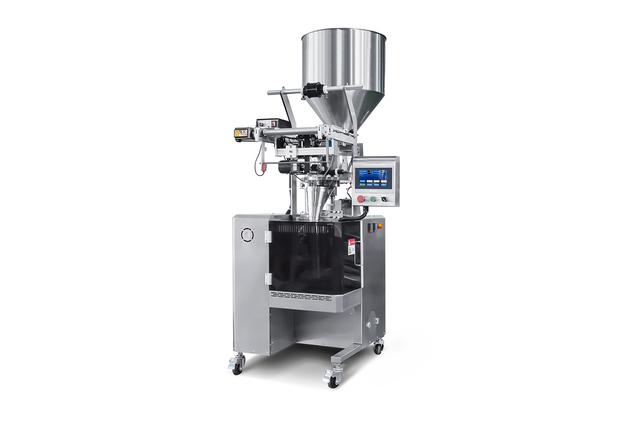
Request evidence tied to the proposed configuration: General factory photographs are not enough. Ask for a sample-test plan using the intended tea and pouch, close views of bag opening and sealing, dose records, rejected samples, changeover steps, and the controls used when a pouch does not open or material enters the seal. Confirm who supplies test pouches and product, how much is required, and which pass conditions will be documented. A relevant trial reveals more than an unrelated high-speed demonstration.
Normalize the machine, filler, pouch magazine or roll path, zipper, coder, inspection, reject, conveyor, controls, guards, utilities, change parts, software, documentation, and buyer-supplied items. Commercial comparison begins only after scope differences are visible.
| Supplier evidence | What it should show | Buyer use |
|---|---|---|
| Requirement response | Proposed configuration, assumptions, exclusions, options, and unresolved inputs | Compare like-for-like scope |
| Sample-test record | Real tea and pouch, settings, accepted/rejected samples, opening, dose, seal, and restart | Confirm technical fit before locking scope |
| FAT plan | Phases, sample collection, pass conditions, fault checks, documents, and punch list | Define shipment approval evidence |
| Spare-parts list | Part identification, machine location, quantity, purpose, revision, and supply route | Plan normal consumables and critical recovery |
| Support workflow | Contact route, required evidence, operator/maintenance boundary, and escalation | Judge whether assistance can be used in practice |
Ask each candidate to map its proposed configuration to the relevant tea bag packaging machine options and identify every filler, pouch-handling, coding, testing, installation, and support assumption in writing.
Verify change control: Ask how the supplier records changes to the agreed filler, pouch-opening system, electrical components, controls, guarding, coding device, and documentation before shipment. A substitute component may be workable, but the buyer should know why it changed, whether interfaces or spare parts are affected, and which test confirms the revised scope. Written change control prevents a quotation and the delivered machine from quietly becoming different projects.
Agree on the tea and pouch trial before ordering. Define materials, lots, phases, speed condition, samples, dose and seal checks, rejected output, settings, retained evidence, remote viewing method, open actions, and how a configuration change will be recorded.
Define FAT pass conditions, document index, training tasks, installation boundary, destination inputs, and shipment blockers. The supplier should explain how corrections are closed and how the tested machine revision remains linked to the order.
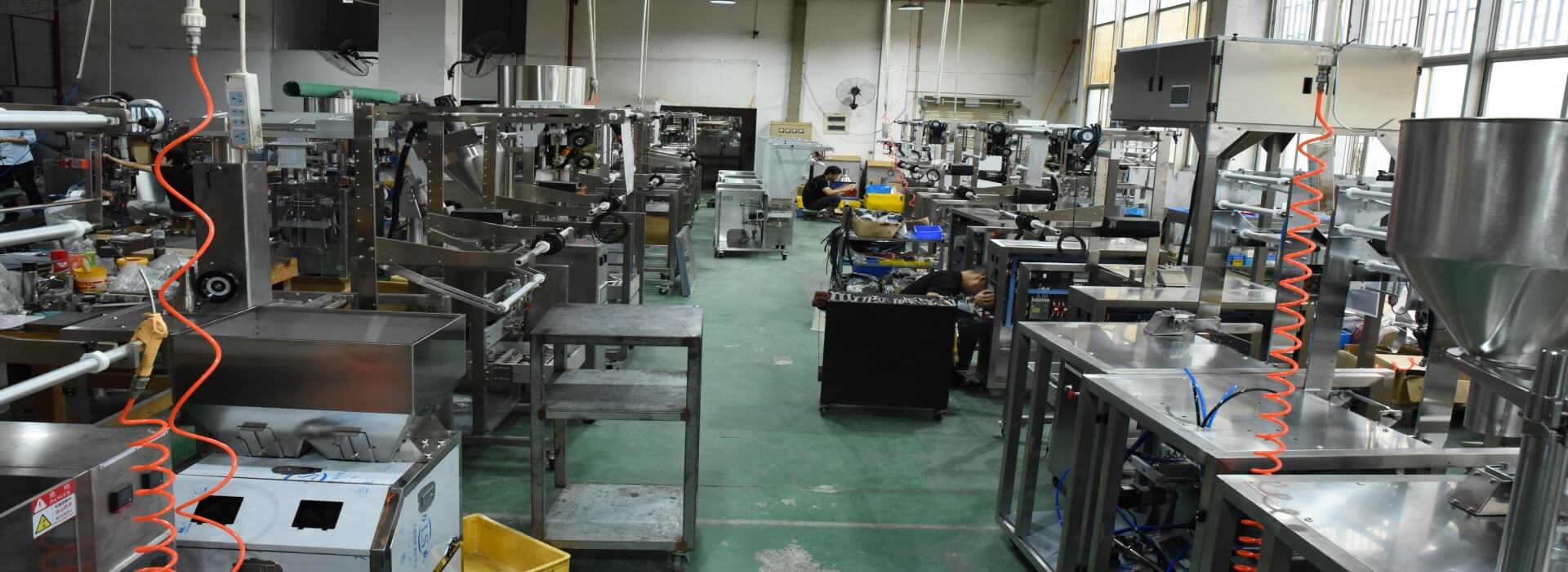
Supplier review: Factory size and polished presentation are weak substitutes for a controlled requirement response, relevant sample evidence, aligned documents, and a usable support route. The decision record should show which risks were resolved and which remain assigned.
Inspect commercial documents for alignment: The technical agreement, quotation, order confirmation, FAT record, packing list, manuals, and spare-parts list should describe the same configuration. Resolve conflicting model names, options, quantities, or responsibilities before payment milestones. This document check is less dramatic than a machine demonstration, but it prevents avoidable disputes during shipping, installation, and warranty support.
Score responsibilities as well as equipment: Build a weighted record covering technical fit, sample evidence, quotation completeness, FAT method, documentation, installation, training, critical spares, response route, and commercial terms. Require owners and dates for unresolved items. A lower price can remain competitive when scope and support are clear; a higher price may still be weak when assumptions are vague. The decision record should explain why the selected supplier can deliver the approved pouch, tea, filler, and service scope with fewer unmanaged gaps.
Review the as-built spare list, part identity, lead time, replacement skill, remote-support inputs, working language, available hours, escalation, software backup, and responsibility for diagnosis. A promise to support is not an operational response plan.
| Decision category | Question for the record | Evidence before selection |
|---|---|---|
| Technical fit | Does the proposed line match the approved tea, pouch, filler, and output condition? | Requirement response and sample trial |
| Scope control | Can every included, optional, excluded, and buyer-supplied item be identified? | Normalized quotation and revision history |
| Acceptance | Are FAT and destination-site responsibilities measurable and assigned? | FAT plan, punch-list method, and handover list |
| Maintainability | Can operators clean, change, inspect, and identify needed parts? | Demonstration, manuals, training, and spares evidence |
| Commercial alignment | Do technical and commercial documents describe the same configuration? | Controlled agreement, order, and payment conditions |
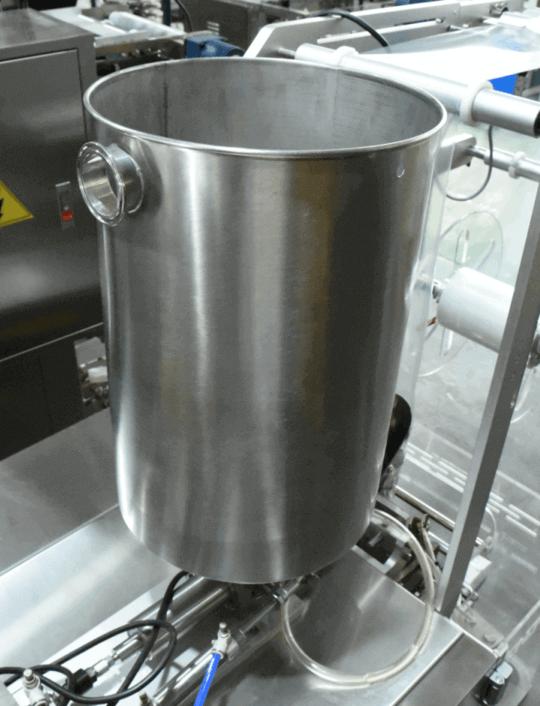
Use weighted gates for technical fit, representative evidence, scope completeness, project communication, change control, FAT, lifecycle support, and commercial total. Unsupported critical requirements should remain knockout items rather than being offset by presentation or price points.
What is the first sign that a supplier understands a tea pouch project? A capable supplier asks for tea properties, target fill, pouch samples and dimensions, material structure, opening behavior, output expectations, utilities, and acceptance needs before freezing a configuration.
Are general factory videos useful supplier evidence? They provide background, but the decision should rely on evidence tied to the proposed filler, pouch, product, controls, and test conditions.
How should buyers compare quotations with different scope? Normalize every offer into included, optional, excluded, buyer-supplied, and unresolved lines, then compare technical fit, evidence, support, and commercial terms.
Why is change control important after sample testing? Testing may alter the filler, pouch handling, tooling, controls, or materials. A written revision record keeps the purchased machine aligned with the approved result.
What should remain open before supplier selection? Any unanswered technical, testing, service, document, or commercial point should retain an owner, due date, and required closure evidence instead of becoming an assumed inclusion.
Choosing a tea pouch packing machine supplier requires evidence of discovery, relevant testing, scope control, maintainability, document alignment, and a usable support process. Price and presentation are meaningful only after the proposed configuration is tied to the buyer's tea and pouch.
Give candidates the same requirement brief, record assumptions and revisions, and score unresolved risks explicitly. The selected supplier should leave a traceable path from inquiry through sample approval, order, FAT, installation, and spare-parts support.

YISEN MACHINERY - The ONE-STOP VFFS PACKING MACHINE SOLUTION SUPPLIER
 Tel: +8617350750975
 Email: info@vffspackingmachinery.com
 MP/WhatsApp: +8617350750975
 Manufacturer Address:Meixi Road, Tongan District, Xiamen,Fujian,China