

Hot Keyword:
Author:YISEN Pouch Packing Machine Manufacturer TIME:2026-09-10
Plan green tea changeovers by separating product removal, contact-part cleaning, material replacement, recipe control, inspection, and first-piece release. An automatic tea bag packing machine should be evaluated on repeatable recovery between approved products, not only on continuous running with one easy tea.
Green teas can differ in leaf size, fragility, dust, aroma, density, moisture sensitivity, and dose. A practical changeover plan protects product identity and seal cleanliness while returning the line to a controlled state. Buyers should trial the most difficult transition and record elapsed time, retained residue, interventions, rejected packs, and the evidence used to release the next SKU.
Planning note: Select the trial sequence from real production risk rather than convenience. A useful challenge may move from a dusty flavored blend to a delicate unflavored green tea, or from a large-leaf low-density product to a smaller and denser grade. Document the reason for choosing that sequence and define which residue, aroma, visual, allergen, or label controls apply. Prepare clean containers, identified tools, inspection lights, waste records, approved recipes, and replacement packaging materials before the clock starts. During the exercise, separate hands-on cleaning time from waiting, disassembly, verification, and adjustment time. This breakdown reveals whether better access, dedicated parts, material staging, recipe control, or operator training would improve recovery. It also prevents a single total-time figure from hiding the step that limits routine scheduling. Finish the trial with a documented first-piece release and a short stable run of the incoming tea. Check dose, bag shape, seal area, code, tag or envelope presentation, and any agreed residue or aroma criterion. Keep samples from the last outgoing product, the first rejected incoming packs, and the accepted release point. Their sequence makes the changeover result auditable and helps trainers explain why production may not restart immediately after the visible surfaces look clean.
Acceptance note: Add changeover evidence to routine production review. Trend the planned and actual duration, product and packaging waste, first-pass release, repeat cleaning, adjustment causes, and faults for each product transition. Compare like-for-like sequences instead of averaging every change together. When performance drifts, inspect material condition, tool wear, access, instructions, staffing, and recipe history before changing the acceptance limit. The resulting record guides scheduling and identifies improvements that preserve the release standard.
A changeover can involve tea, target dose, filler parts, filter web, thread, tag, envelope, code, carton, and machine recipe. List each changed element and its owner so the team does not discover missing materials after the line is already stopped.
Working method: Create a change matrix for every SKU pair. Distinguish product-only, artwork-only, size, and full-format changes. Mark parts, tools, recipes, inspections, and approvals needed for each path.
Evidence to retain: Time the steps separately during a trial and record dependencies. Preserve the matrix revision used, operator roles, and any unplanned action.
Decision boundary: Do not quote one universal changeover time. The result depends on the exact before-and-after products, cleanliness rule, staffing, and released configuration.
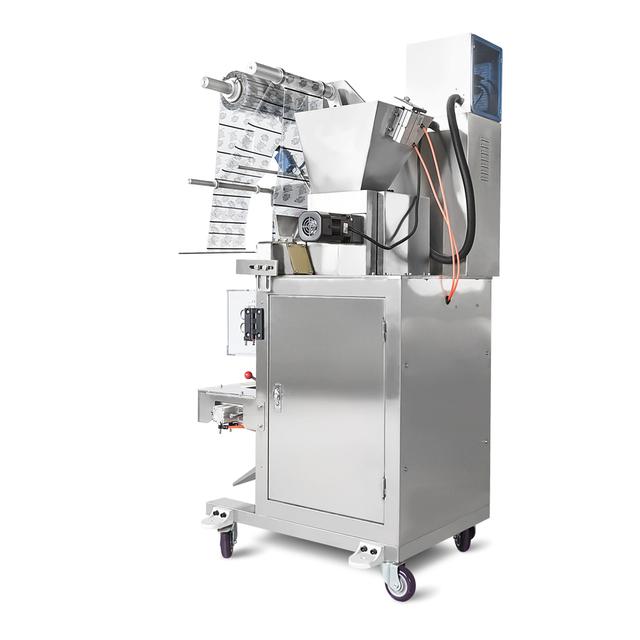
Leaves and fines can remain in hopper corners, feeder surfaces, gates, chutes, guards, and the seal area. Residue creates mix risk and may fall into later seals. Fragile green tea also requires careful handling during recovery or disposal.
Working method: Run down material only as allowed by the production rule, isolate remaining tea, and open approved access points. Use defined vacuum, brush, wipe, or removal methods. Protect sensors, load cells, seals, and electrical parts from unsuitable cleaning action.
Evidence to retain: Record recovered quantity, disposed material, visible residue locations, tools, and inspection result. Photograph recurring traps and feed them into maintenance or design review.
Decision boundary: Never use compressed air casually around fine tea. It can spread dust into inaccessible areas or create a plant safety and contamination concern.
Change parts and product-contact components need identification, protected handling, inspection, and correct reassembly. Mixed revisions, damaged seals, trapped residue, or a missing fastener can create faults that appear only after production resumes.
Working method: Use labeled carts or racks and a checklist for removal order. Define cleaning, drying where applicable, inspection, lubrication restrictions, torque or locking checks, and line clearance before parts return to the machine.
Evidence to retain: Record part numbers, revision, condition, person, cleaning result, and installation verification. Include a tool and loose-item count before guards close.
Decision boundary: A fast change that loses traceability is not an improvement. The released line must have the correct parts and no uncontrolled item in the product zone.
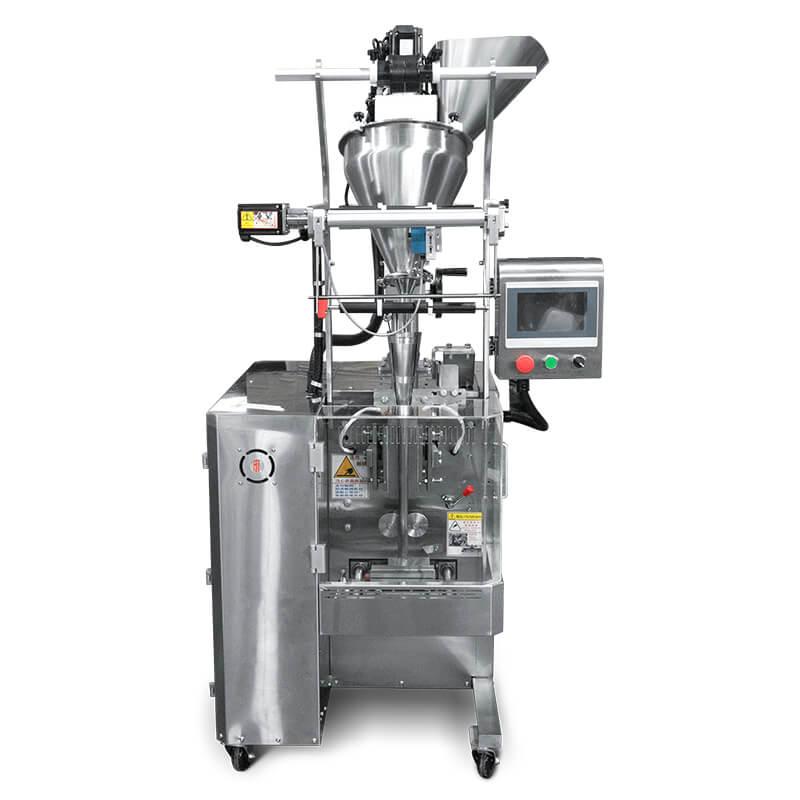
Packaging materials can carry the wrong artwork, dimensions, eyemark, thread, tag, or seal response into the next run. Material line clearance is as important as removing the previous tea.
Working method: Reconcile old material, identify the new lot, confirm winding and orientation, thread the web, load tags or envelopes, and select the correct code. Verify artwork and code against the work order before generating release samples.
Evidence to retain: Retain first pieces showing print, seal, cut, thread, tag, envelope, and code. Use the automatic tea bag packing machine configuration as the product reference and lock the actual material list in the batch record.
Decision boundary: Do not leave obsolete labels or roll remnants near the line. Physical segregation supports the electronic recipe and work-order controls.
| Decision area | Items to lock | Acceptance evidence |
|---|---|---|
| Product removal | Previous tea and visible residue | Reconciliation and inspected product path |
| Parts and materials | Correct revision, clean condition, line clearance | Checklist and lot identity |
| Recipe and setup | Released values and mechanical position | Critical-parameter confirmation |
| First-piece release | Dose, seal, presentation, code, carryover | Controlled sample sequence and approval |
Recipe selection may set dose, timing, bag length, registration, seals, feeder behavior, and alarms. Choosing a similar name or editing values without authorization can make the first packs look plausible while operating outside the approved condition.
Working method: Use unique recipe identifiers tied to product and package revisions. Restrict edit rights, back up released recipes, and compare critical values after restoration or software work. Require reason and approval for every permanent change.
Evidence to retain: Print or export a critical-parameter check and attach it to the first-piece record. Log temporary adjustments separately and confirm whether they become part of the released recipe.
Decision boundary: Recipe recall does not replace inspection. Mechanical position, material lot, tooling, and product behavior still require confirmation.
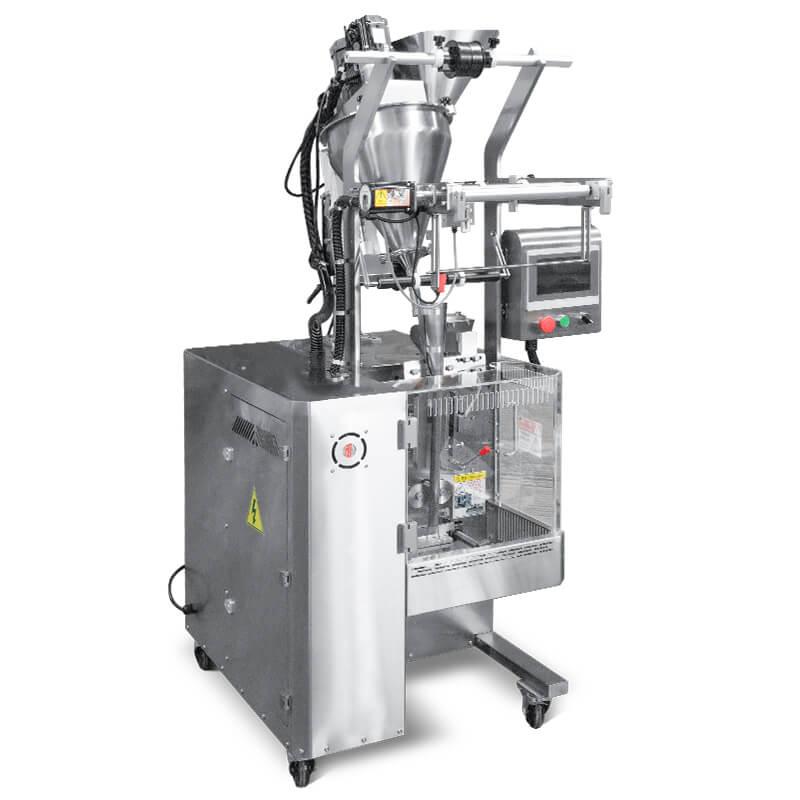
The first packs after changeover should prove product identity, dose, bag formation, seal cleanliness, cut, presentation, coding, and absence of unacceptable carryover. A single attractive sample cannot represent recovery stability.
Working method: Collect a sequence from initial movement through stable output. Apply the buyer's checks and isolate all material until release. If one condition fails, define the correction, repeat the relevant sample sequence, and document disposition.
Evidence to retain: Keep measured results, photographs, rejected examples, recipe, material lots, operator interventions, and approval time. Connect samples to the case or carton where practical.
Decision boundary: Do not blend unreleased startup packs into good production. Physical status control prevents accidental shipment while troubleshooting continues.
A shorter stop can still be expensive if it consumes excessive film, tea, tags, envelopes, or labor, or if unstable recovery creates later rejects. Evaluate changeover as a combined time, material, quality, and safety event.
Working method: Record shutdown-to-release time by activity, recovered tea, disposed tea, packaging waste, rejected packs, labor roles, and cause of delay. Repeat the same transition after training or design improvements.
Evidence to retain: Compare results using the same scope and release rule. Keep notes on product condition, humidity, material lot, and maintenance status when they affect performance.
Decision boundary: Avoid headline percentages without comparable trials. Improvement claims need the same before-and-after definition and operating conditions.
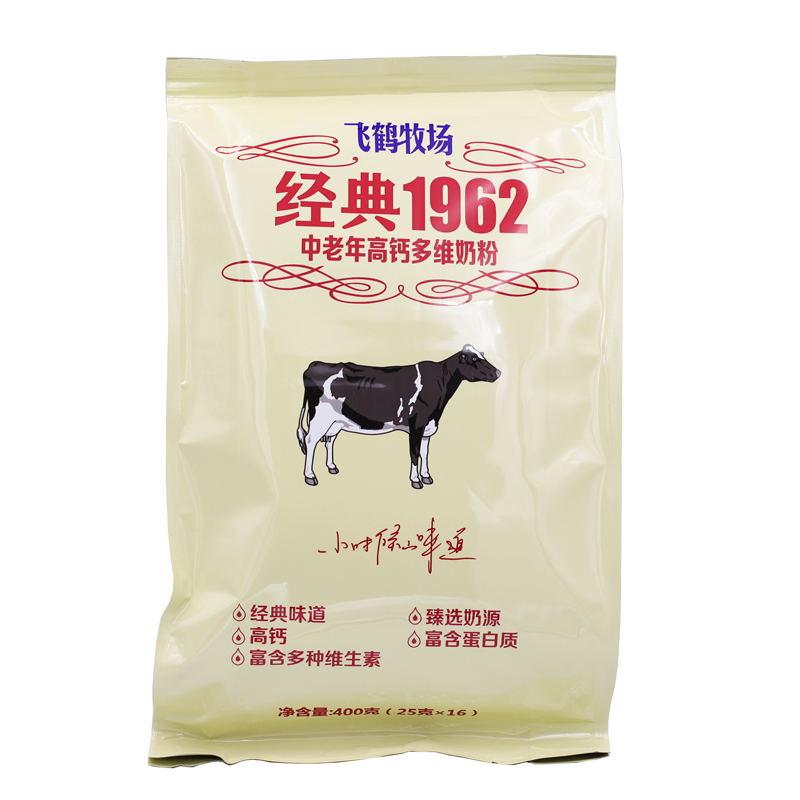
Useful improvements include staged materials, dedicated tools, better access, clearer part identification, recipe naming, cleaning aids, parallel tasks, and supplier-approved quick-release features. The goal is reliable recovery, not simply fewer checklist items.
Working method: Review delays and defects after each representative change. Prioritize actions that remove waiting or ambiguity while preserving line clearance and inspection. Test the revised method and train all shifts.
Evidence to retain: Maintain controlled work instructions, training records, trial results, and an action log. Confirm that maintenance and safety teams approve hardware or access changes.
Decision boundary: Never remove a verification step solely to meet a target time. Replace it only with evidence that another control provides equal or better protection.
Should every green tea use the same changeover procedure? The control framework can be shared, but cleaning depth, parts, materials, recipe, and release tests should match the specific before-and-after products.
Is elapsed time the main changeover metric? No. Also record tea and packaging loss, labor, rejects, interventions, release result, and any later instability linked to the change.
Can recipe recall replace first-piece inspection? No. Materials, tooling, mechanical position, product behavior, and code still need verification after the recipe is selected.
How can aroma carryover be evaluated? Use the buyer's documented inspection or product method with controlled samples. The equipment supplier can support access but should not invent the release rule.
What usually improves changeover reliability? Clear matrices, staged materials, labeled parts, dedicated tools, controlled recipes, accessible cleaning points, trained roles, and retained first-piece evidence.
Treat green tea changeovers as controlled product transitions. Map every changed item, remove residue, manage parts and packaging materials, restore the correct recipe, release a sample sequence, and measure both time and loss. Improve access and preparation while preserving line clearance, traceability, and first-piece approval.

YISEN MACHINERY - The ONE-STOP VFFS PACKING MACHINE SOLUTION SUPPLIER
 Tel: +8617350750975
 Email: info@vffspackingmachinery.com
 MP/WhatsApp: +8617350750975
 Manufacturer Address:Meixi Road, Tongan District, Xiamen,Fujian,China