

Hot Keyword:
Author:YISEN Pouch Packing Machine Manufacturer TIME:2026-10-27
A Tea Bag Manufacturing Machine quotation should identify who supplies the filter-roll handling aid, who approves its handoff to the machine holder, and what loading operation will be witnessed before acceptance. A compatible roll does not prove that operators can transfer it using the proposed equipment and workspace. Close the loading-aid scope around that actual operation.
Begin the discussion with an authorized operator completing the proposed loading operation on the offered arrangement. Ask the OEM and site reviewer to define its permitted method first. The witness should show which aid, removable item and assistance are actually needed, instead of presenting only a photograph of a roll already mounted.
Identify the operation's beginning and end. For procurement, it can begin with an approved roll at the agreed staging position and end when the OEM confirms it is supported and retained for the next permitted step. Threading and production release belong to their own machine procedure. Separating those stages makes an incomplete handling demonstration easier to recognize.
Record any assistance that was absent from the offer. A technician supporting the roll, a temporary platform or a borrowed trolley can change what the buyer needs to purchase. Ask whether that assistance is part of the proposed routine or a trial exception requiring a different arrangement. No one-person loading claim should follow from an unobserved or differently staffed demonstration.
The aid must receive the roll from somewhere. Ask the site team to identify the normal staging condition and the party responsible for delivering material there. The loading-aid supplier needs that information alongside the already approved roll specification. The machine supplier then confirms the handoff at its holder; those two interfaces should meet without an unexplained gap.
Define the packaging condition at the handoff. A roll still in transport protection may need different support from a prepared roll. Ask who removes protection, where discarded packaging goes and how identification stays with the material during preparation. This is a loading-workspace question, rather than a new specification for converter wrapping or core geometry.
Compare the proposed aid with the actual receiving and staging arrangement. An aid demonstrated beside a convenient display stand may not establish compatibility with the buyer's chosen staging equipment. Have the responsible suppliers reconcile that discrepancy before the loading arrangement is priced as complete. The buyer should receive one coherent handoff description covering each supplier's own boundary.
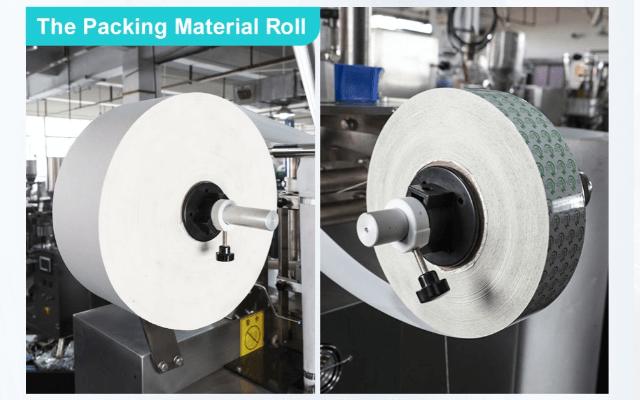
Ask the aid supplier and OEM to describe the support handoff in their approved documentation. Purchasing needs to know whether an adapter, cradle or other dedicated interface is required and which party supplies it. Do not choose a generic handling device on appearance and assume it can relinquish the roll correctly at the machine.
The review should identify the permitted contact and support locations, using information approved for the existing roll and holder. It does not reopen bore, winding or roll-envelope selection. Those specifications are inputs to the handling design. If the proposed aid needs a change to them, refer that change to the responsible designers before accepting the aid.
Also ask how the aid withdraws after the roll is accepted by the holder. A device that can approach but cannot complete its permitted withdrawal has not demonstrated the whole operation. The OEM and site reviewer should approve any necessary access state and restrictions. This article supplies no lifting technique, improvised attachment or instruction to reach around protective equipment.
Put the proposed loading arrangement into the commercial scope with named owners. The equipment need not all come from the machine OEM, but its responsibilities must connect. An offer saying handling equipment is buyer supplied should still state the machine-side information that the buyer's aid supplier requires.
| Loading-scope item | Party to identify | Evidence needed to close the item |
|---|---|---|
| Aid receiving the staged roll | OEM, handling supplier or buyer | Defined staging interface and accepted aid selection |
| Dedicated support or adapter | Designer and supplying party | Approved handoff to the identified holder |
| Permitted machine access state | Machine OEM and site reviewer | Configuration-specific procedure and restrictions |
| Joint loading demonstration | Coordinating supplier and buyer witness | Complete observed transfer without undeclared assistance |
| Instructions and operator handover | Responsible suppliers and site owner | Matching documents and supervised operator completion |
Use the missing evidence to control the purchase decision. If a necessary adapter is unpriced or its designer is unknown, leave that scope item open. If the aid is excluded, identify who will procure and approve it and when it must be available. A low base-machine price should not obscure an essential loading interface with no owner.
A machine outline is not a drawing of the loading operation. Ask for the workspace needed while the aid approaches, the authorized access is used and the aid withdraws. The site review should consider nearby equipment, normal operator positions and other activities that share the proposed space. Do not infer suitable reach or clearance from the public machine envelope.
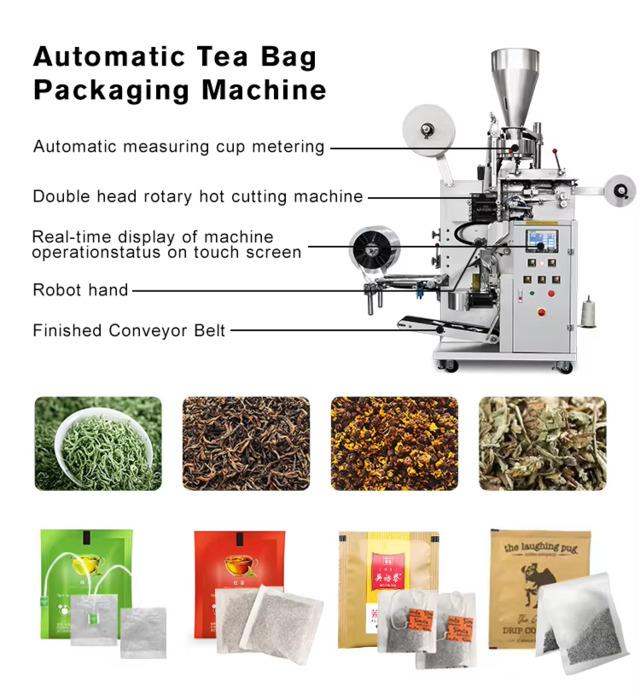
The saved YS-169 description distinguishes filter and outer-envelope webs and notes that roll handling needs additional space. Use that context to identify which holder the offer covers. Separate the two loading operations if both belong to the order; evidence for one location cannot automatically approve the other.
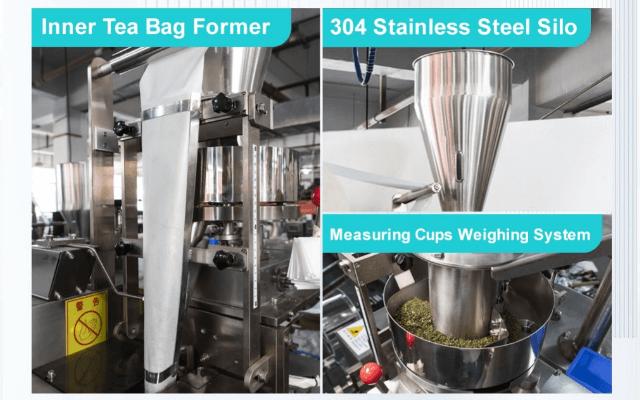
Have the OEM explain whether the intended hopper, controls, guarding or quoted attachments affect the aid's approach and withdrawal. Then review the offered tea bag packaging equipment family against a configuration-specific layout. A brochure composite can suggest questions about surrounding assemblies, but it cannot close the workspace review or certify an accessible loading arrangement.
Ask the converter, aid supplier and OEM which surfaces may be supported or contacted during the proposed operation. Filter material should not acquire an assumed protection method merely because an aid is sold for rolls. The method must suit the actual material order and the OEM's permitted handoff.
During the approved witness, observe whether prepared material contacts surrounding surfaces or whether the proposed aid requires handling that differs from the agreed method. Record the location and the responsible supplier's response. A visible concern needs a specific decision; it should not be dismissed simply because the roll eventually reaches the holder.
The buyer's quality team should decide how the material is inspected after the handling demonstration and what condition prevents release to threading. Keep that decision tied to the trial roll and the observed operation. A clean-looking photograph proves no hygiene classification, filter suitability or safe support capacity. Approval concerns the proposed handling arrangement within the documented material requirements.
Ask the responsible designers which approved roll conditions challenge the loading arrangement. They should select representative trial loads from the purchase specification and declare any limit not demonstrated. There is no universal manual-load allowance or loading-aid capacity to infer from the machine's own weight.
Observe the agreed operation with the proposed staffing and staging equipment. Record the trial identity, aid configuration, installed surroundings and any extra assistance. If a substitute load is used, have the reviewers state what it can demonstrate and what still requires the production roll. A convenient substitute should not erase the remaining material or handoff question.
Document a complete repeat after a correction that affects the aid interface. Successful arrival beside the machine is insufficient if the support transfer or withdrawal remains unresolved. Ask the suppliers to explain the failure and propose an approved revision before another demonstration. Do not treat operator improvisation as evidence that the ordered arrangement is complete.
The aid supplier's instructions and the OEM's loading procedure should describe compatible boundaries. Ask them to resolve conflicting terms, missing handoff conditions or incompatible illustrations before training. Operators should not have to invent the transition between two independently supplied pieces of equipment.
Define which personnel may perform the operation and which assistance the approved method requires. Training should use the accepted aid and configuration, with a supervised operator completing the documented operation. A demonstration by a specialist using different equipment does not show that the receiving team has the resources described in its routine.
Collect the aid identity, relevant interface documents, loading procedure, accepted layout and witness observations as a linked handover record. Keep unresolved items assigned to the supplier responsible for them. Production readiness should remain conditional if a necessary aid or instruction is still missing, even when the machine has produced acceptable tea bags during a separate test.
List the loading arrangements covered by the acceptance and those excluded from it. A filter-roll demonstration does not qualify loading for thread, tag stock or outer-envelope rolls. If the buyer wants those operations included, request their own scoped review rather than expanding a filter-roll approval by implication.
Identify changes that require the responsible suppliers to reassess the operation. A different aid, staging position, holder arrangement, nearby attachment or approved roll condition can affect the handoff. The need for reassessment should follow the actual changed interface; the blog cannot prescribe a universal repeat schedule.
Retain the final price and supply responsibility for the accepted aid beside its documented limits. This gives purchasing a concrete response when a later proposal excludes a component that the original demonstration needed. It also lets the site team distinguish an agreed operating restriction from an unresolved omission that still prevents the loading arrangement from being accepted.
Does a roll that fits its holder prove that the loading operation is acceptable?It proves neither the transfer method nor the required staffing. Request a separate demonstration of the proposed aid, staging interface and handoff within the intended workspace.
Must the machine manufacturer supply the handling aid?Ownership can be allocated to another supplier or the buyer. The offer still needs connected responsibilities for aid selection, machine-side information, interface approval and the joint demonstration.
Can a generic trolley be accepted from its stated load capacity alone?A capacity statement does not settle the staging interface, support handoff, access or withdrawal. The relevant designers must assess the proposed device against the ordered loading arrangement.
What should happen if the demonstration needs an unquoted adapter?Have the responsible suppliers identify and approve that interface, then revise the scope and price. Acceptance remains incomplete until the agreed arrangement is demonstrated without an unexplained substitute.
Does this review establish the roll core or winding specification?Those belong to the approved material-to-holder specification used as an input here. This review decides what equipment, space, ownership and operator evidence are needed to carry out its loading operation.
Purchase the loading arrangement as an operation with connected responsibilities. The staged roll, handling aid, support handoff, permitted access and withdrawal all need to form one witnessed sequence. Put any necessary adapter and assistance into the offer before closing it, and deliver instructions for the actual accepted equipment. That resolves a procurement gap which a mounted-roll photograph or a physically compatible core cannot answer.

YISEN MACHINERY - The ONE-STOP VFFS PACKING MACHINE SOLUTION SUPPLIER
 Tel: +8617350750975
 Email: info@vffspackingmachinery.com
 MP/WhatsApp: +8617350750975
 Manufacturer Address:Meixi Road, Tongan District, Xiamen,Fujian,China