

Hot Keyword:
Author:YISEN Pouch Packing Machine Manufacturer TIME:2024-09-19
The chosen line should protect saleable pieces rather than merely run fast while creating fines, inconsistent packs, or contaminated seals. Product dimensions, seasoning, target weight, bag volume, barrier structure, quality checks, and downstream case packing all shape the configuration. The following steps turn those variables into a practical trial plan.
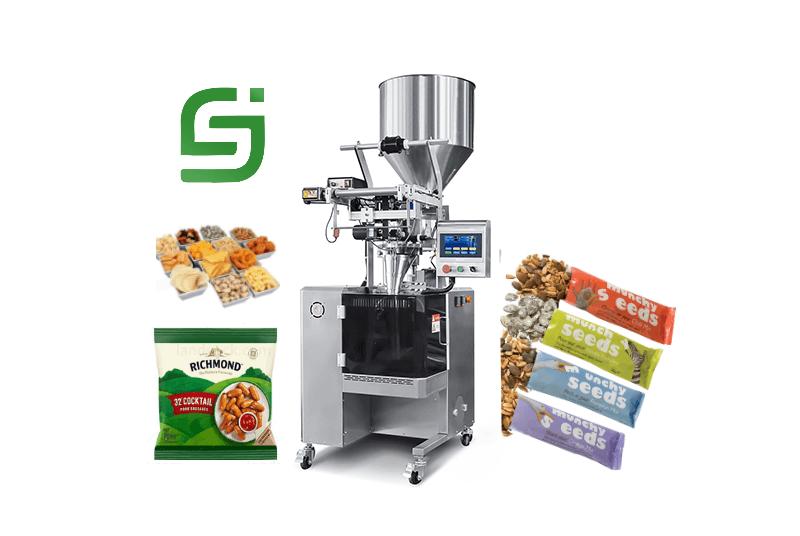
Potato chips usually need a packaging line that weighs fragile pieces gently, limits the drop into a suitably wide bag, clears crumbs from the sealing zone, and controls any specified gas-flushing function. A vertical form-fill-seal machine paired with a product-appropriate weighing system is a common concept to evaluate, but final suitability must be proved with the actual chips and film.
Start by defining the incoming chip condition. Sample broken pieces and fines from normal production before the product enters packaging equipment, using a method the quality team can repeat. Record chip dimensions, thickness, curl, surface oil, seasoning load, temperature, and bulk density. These characteristics can change by slice, frying condition, flavor, and storage time. Without a baseline, a trial cannot show whether breakage occurred in upstream conveying, distribution, weighing, the vertical drop, bag closing, or later case packing.
Identify the most difficult approved product. Large curled chips may bridge or strike narrow chutes; thin chips may fracture under feeder energy; heavily seasoned variants can leave more residue. Send enough product to operate at normal hopper levels and through replenishment. Small hand-fed quantities often move differently from continuous supply. The supplier should document all product-contact surfaces and settings used so a successful result can be reproduced during commissioning.
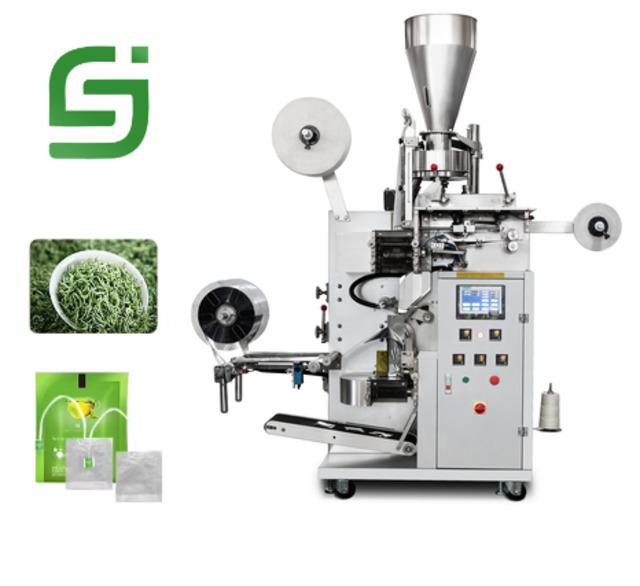
A multihead weighing system is frequently evaluated for chips because it distributes product among weigh hoppers and selects combinations for the target dose. Its contact surfaces, radial feed, vibration, hopper volume, gate motion, and software settings must be tuned to the chip. More aggressive movement may improve supply while increasing damage; gentler settings may protect pieces but leave channels underfed. Selection should balance dose control, composition, product condition, and stable refill rather than optimize a single isolated number.
Collect weights in sequence and annotate replenishment, low-level conditions, pauses, and operator interventions. Keep bag tare separate from net-product evaluation. Inspect product from selected locations before and after the weighing path to locate added damage. When flavor residues change friction, confirm that the recipe remains stable across the planned range. A hopper arrangement demonstrated with nuts or candy does not automatically prove chip performance.
The physical distance from the weigher to the pouch can become a major breakage source. Review the timing hopper, discharge chute, forming tube, joints, angles, and the final entry into the bag. Smooth transitions and a shorter controlled path may reduce collisions, while poorly aligned sections can concentrate impact. The bag should be open and ready before the dose is released, and the product column needs enough time to clear before cross-seal jaws close.
Machine height must be considered with cleaning access, platforms, product supply, and operator tasks. Lowering one component without coordinating guards or conveyors can create service problems. Observe individual chips through transparent trial sections where available, then use sample comparisons to confirm the result. Design changes should address an identified damage point instead of adding complexity based only on assumption.
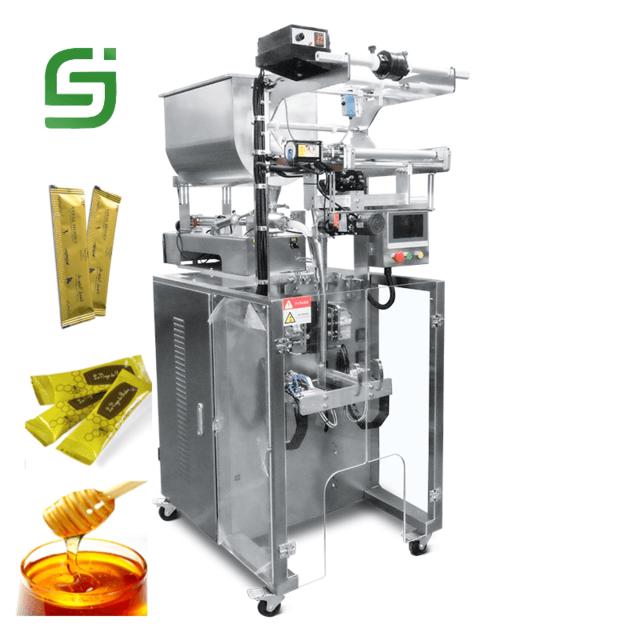
A chip bag needs enough usable width and length for the dose to enter without bridging and for the top cross seal to close after product clears. Bag volume may also support product cushioning and the brand's presentation. Define the rollstock structure with the packaging-material specialist, including barrier, thickness, stiffness, coefficient of friction, sealant, print repeat, and registration mark. The packaging machine must form and seal that approved construction, while shelf-life performance remains part of the producer's validation.
Test the smallest and largest bags with their assigned chip products. A narrow forming tube may save film width but restrict large pieces; excessive tube clearance can reduce control of a small bag. Observe film tracking, longitudinal seal overlap, registration, cross-seal position, and cut quality. Retain film data and finished samples from approved runs. A material substitution should trigger review because seal response and tracking can change even when printed dimensions appear identical.
Many chip projects consider nitrogen or another approved gas strategy to manage package atmosphere and create a protective cushion. Gas flushing is only one part of the package system. Product oxygen exposure, film barrier, seal integrity, residual atmosphere, storage, and distribution influence the final result. The buyer should define the gas specification, measurement method, sample timing, and acceptance limits through its own food-quality program.
On the machine, examine nozzle location, flow stability, timing, bag shape, and interaction with falling chips. Excess flow can disturb product or film without proving better performance. Measure finished packages using the buyer's approved method rather than relying on set flow alone. Confirm that seals, pinholes, and downstream compression do not undermine the intended package condition. No equipment quotation should be treated as a shelf-life guarantee.
Small fragments can continue falling after the main dose and become trapped in the cross seal. Product cutoff timing, settling delay, static, bag length, and chute cleanliness should be observed together. Check the jaws regularly for seasoning or crumbs and record how often cleaning is needed. Increasing seal temperature cannot correct a chip physically crossing the seal band and may create other material problems.
Develop heat, pressure, dwell, alignment, and cooling settings with production film. Inspect bags from startup, a steady run, stop, restart, and roll change. Define reject handling for a detected registration, temperature, or downstream fault. Coding should remain readable on the moving material and clear of seams. Accepted output includes correct weight, product condition, seal, code, appearance, and any atmosphere result specified by the buyer.
Freshly sealed bags should transfer without sharp drops, pinching, or excessive compression. Checkweighers, inspection equipment, conveyors, counting, and case packing need spacing and support suitable for soft inflated packages. A discharge belt that works with dense candy bags may allow chip bags to tumble. Test accumulation and stop conditions because collisions often occur when downstream equipment slows.
Case count, bag orientation, divider use, and pallet load influence distribution damage. Packaging-machine trials should therefore include the intended discharge and a representative downstream route where practical. Quality teams can compare chip breakage after the filler, after sealing, and after case handling. This reveals whether improving the primary machine would address the actual defect.
The granular packing machine range is a starting point for discussing product handling and bag-making options. The final selection should be supported by sequential evidence using identified chips and film. Include realistic product supply, roll change, stop, and restart.
| Trial checkpoint | Measure or observe | Reason for the check | Decision record |
|---|---|---|---|
| Incoming chips | Baseline breakage, bulk density, seasoning, and dimensions | Separates existing damage from packaging effects | Identified pre-line sample |
| Weigher discharge | Sequential weights, refill events, and added breakage | Tests dosing and feeder handling together | Recipe, settings, and sample sequence |
| Bag entry | Impacts, bridging, product clearance, and film movement | Shows whether the transfer geometry fits the chip | Observation log and retained product |
| Finished closure | Crumbs, wrinkles, code, residual atmosphere, and seal checks | Confirms the completed package meets release rules | Inspected bags from defined operating states |
| Downstream route | Drops, compression, accumulation, and case condition | Protects quality beyond the machine discharge | Post-handling sample comparison |
Compare accepted packages rather than empty-machine cycles. Record interventions and explain any excluded packs. If a test uses a different chip, film, dose, or gas arrangement from production, keep that limitation visible. Open items should specify the required sample, owner, and retest instead of being converted to a broad capability claim.
Which machine concept is commonly evaluated for chips? A product-suitable weigher above a vertical form-fill-seal machine is common, but layout, contact parts, bag size, gas options, and trials determine actual suitability.
Why are chip bags larger than the product appears to require? Usable volume can provide filling clearance, product protection, and room for an approved atmosphere strategy. Package design should follow product and distribution testing.
Can faster vibration improve production? It may move product more quickly but can increase breakage or uneven feeding. Evaluate saleable yield, not feeder movement alone.
What causes chips in the cross seal? Late fragments, bridging, static, overfill, insufficient bag length, and poor timing are possible causes. Observe the exact event before changing sealing settings.
How is the right speed established? Run real chips and film while checking weights, breakage, atmosphere, seals, codes, rejects, and downstream handling. The stable accepted result defines useful output.
A suitable potato chip line combines gentle distribution and weighing with a short controlled transfer, enough bag volume, reliable film handling, a clean cross seal, and protected downstream movement. Gas functions must be specified and validated as part of the complete package rather than treated as a stand-alone promise.
Use the most fragile production chips and approved film in a witnessed run, measure damage at several points, and count packages that meet every release rule. That evidence shows whether the proposed configuration protects both production efficiency and the product customers will actually receive.

YISEN MACHINERY - The ONE-STOP VFFS PACKING MACHINE SOLUTION SUPPLIER
 Tel: +8617350750975
 Email: info@vffspackingmachinery.com
 MP/WhatsApp: +8617350750975
 Manufacturer Address:Meixi Road, Tongan District, Xiamen,Fujian,China